Why Choose Live-In Care? A Thoughtful Option for Families in South Lanarkshire
Live-in care in South Lanarkshire: dignity, safety, and comfort at home for loved ones.

Have you ever wondered whether your loved one would be happier and safer at home rather than moving into a care home? For many families across South Lanarkshire, this question is becoming increasingly important as parents, grandparents, and partners grow older and need more support. Live-in care is one option that is giving people the chance to remain in their own homes while receiving professional, round-the-clock assistance.
This blog takes a caring and practical look at what live-in care involves, why it matters, and how it could be the right choice for your family.

What Is Live-In Care?
Live-in care means a trained professional moves into the home of the person who needs support. Unlike hourly visits or moving into a care home, this approach allows older adults to stay in familiar surroundings, maintain their routines, and enjoy independence with tailored one-to-one support.
A live-in carer can help with:
- Personal care such as washing, dressing, and mobility
- Medication reminders and monitoring health needs
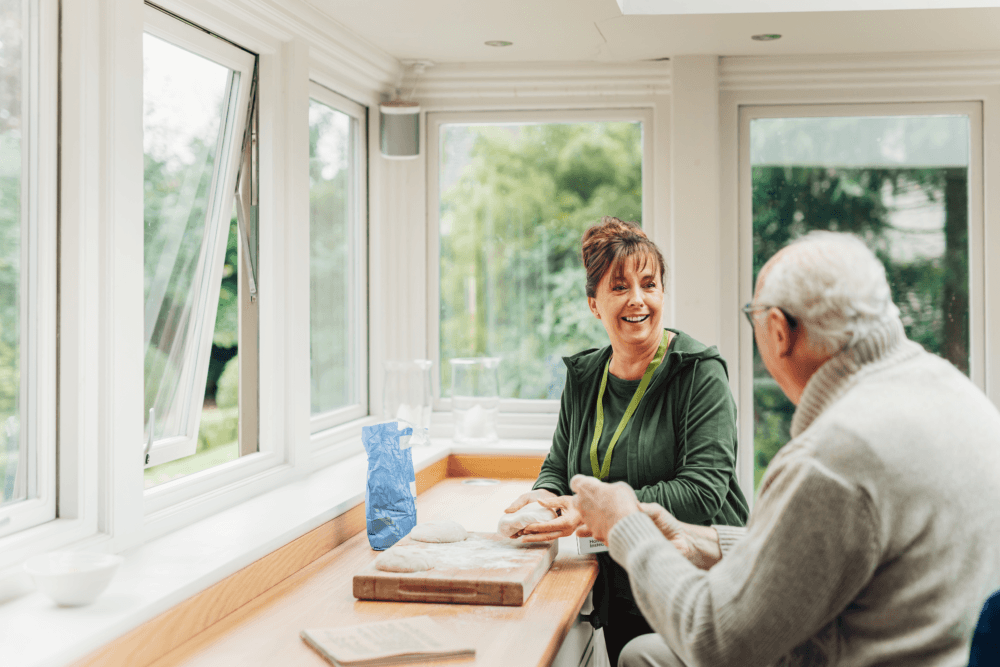
- Household tasks including cooking, laundry, and cleaning
- Shopping and errands
- Companionship and emotional reassurance
Care can be arranged for the long term, for example when someone is living with dementia or Parkinson’s, or on a short-term basis after an illness, a hospital stay, or an unexpected fall. The plan is personalised and reviewed regularly, meaning it can adapt as needs change.

Why Families in South Lanarkshire Turn to Live-In Care
Every family’s situation is different, but certain circumstances often lead people to seek live-in support.
Living with Long-Term Conditions
Health conditions such as dementia or Parkinson’s require consistent care and monitoring. Carers trained in specialist methods can provide not only physical support but also reassurance and routine, which are key in helping people feel secure.
Loss of a Spouse
After the loss of a partner, life can feel overwhelming. A live-in carer can offer companionship, support with practical tasks, and a comforting presence in what can be a lonely time.
Age-Related Frailty
As everyday activities become harder, a carer can step in to handle meals, shopping, and housework, helping older adults remain as independent as possible.
Sudden Illness or Accidents
Unexpected events such as a stroke or fall can change needs overnight. Live-in care can be arranged quickly, offering immediate support and peace of mind for families.
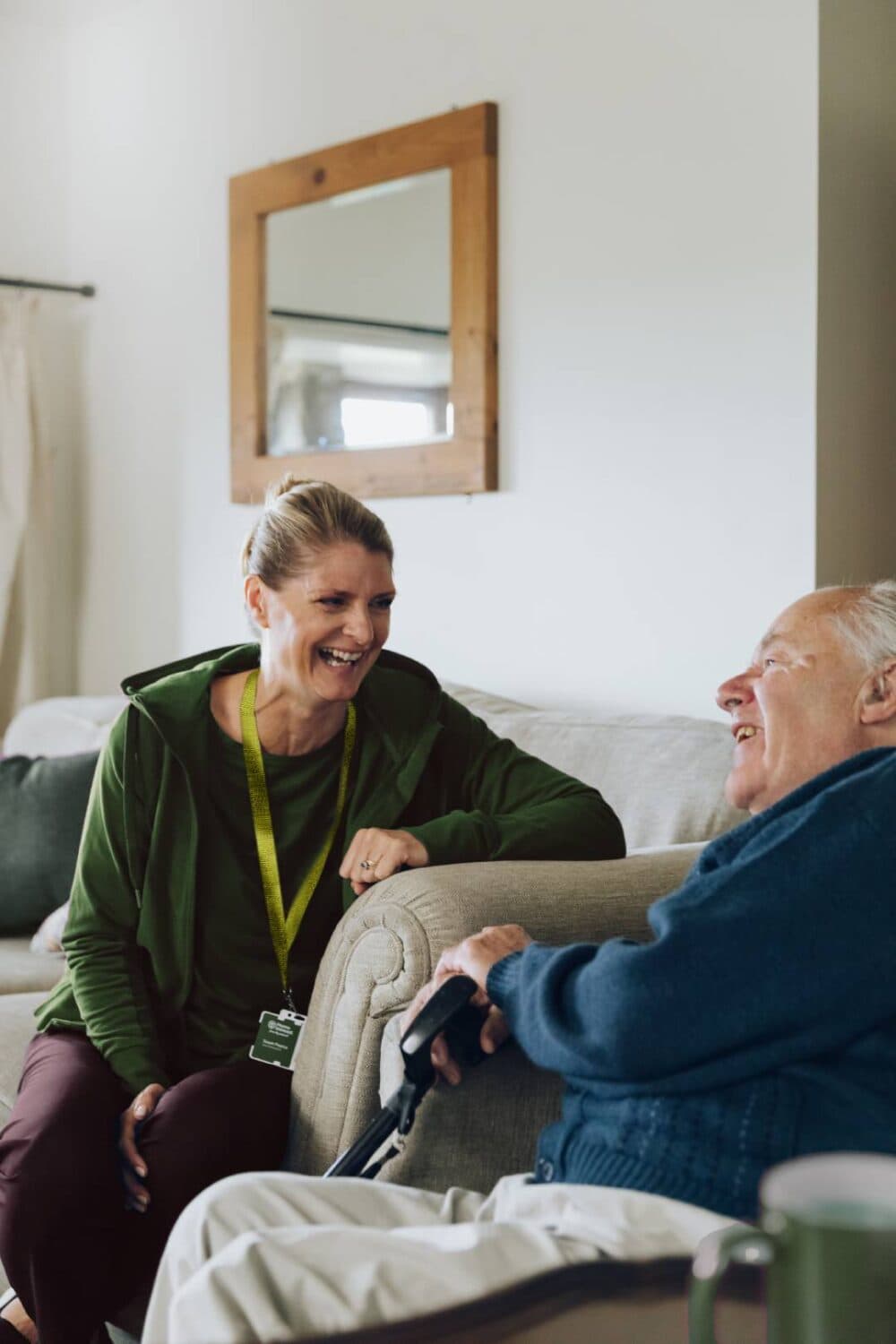
Live-In Care vs Residential Care
One of the biggest decisions families face is whether to arrange care at home or move into a care home.
Residential Care:
- Provides a structured environment with other residents.
- Offers organised activities and social opportunities.
- Can require giving up a home, pets, and familiar surroundings.
Live-In Care:
- Allows individuals to remain at home, surrounded by belongings, pets, and their community.
- Provides one-to-one attention, ensuring routines, meals, and hobbies are centred around the person’s preferences.
- Offers greater independence and control, while still ensuring safety and health needs are met.
Most older people say they prefer to stay at home. According to Age UK, only around 16% of those aged 85+ live in care homes. For the rest, staying at home – with the right support – remains the more natural and comforting choice.

The Key Benefits of Live-In Care
Independence and Dignity
Remaining at home helps older people preserve their sense of self. For those with memory loss, familiar surroundings reduce confusion and anxiety.
Personalised Support
Unlike care homes where staff must divide attention, a live-in carer is there for one person or one couple. This means care is adjusted to personal preferences and health requirements.
Safety and Reassurance
With someone on hand at all times, risks such as falls or sudden illness can be responded to immediately. Families gain peace of mind knowing their loved one is never left alone.
Companionship
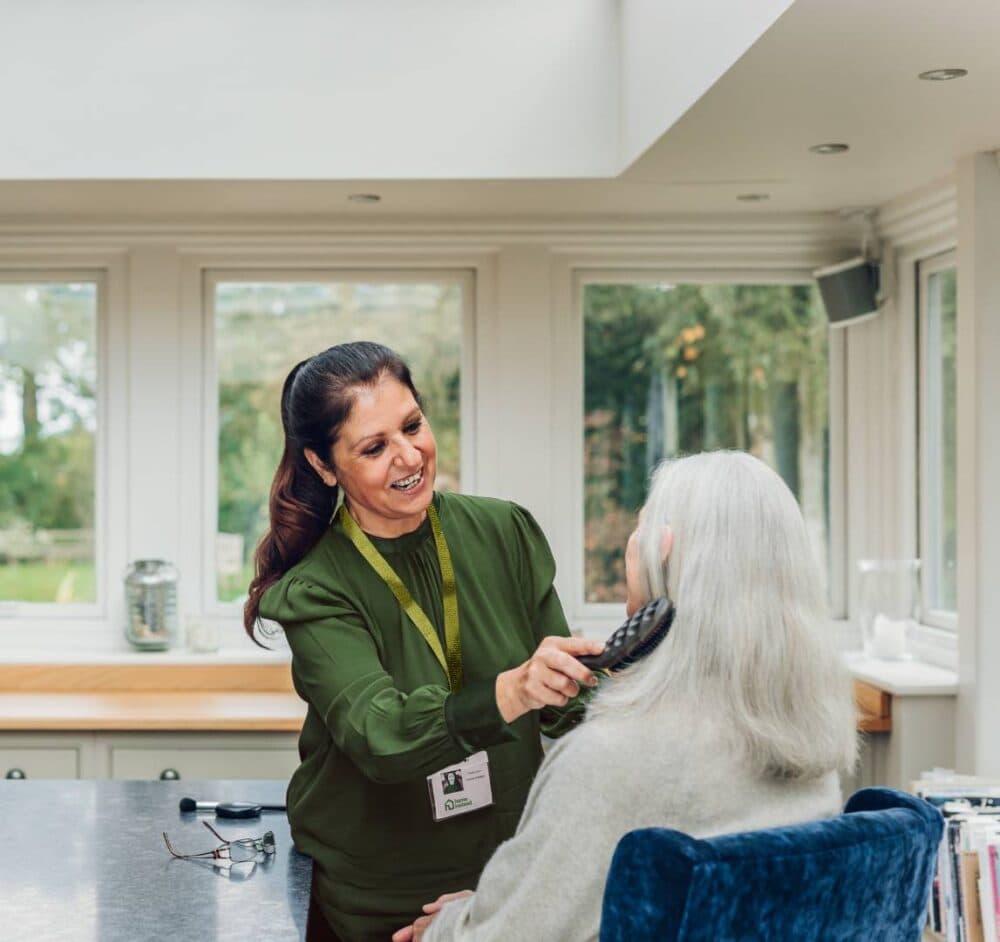
Loneliness can affect wellbeing. A live-in carer offers daily conversation, encouragement, and company while supporting social visits or trips out into the community.
Support for Couples
Live-in care allows couples to stay together, even if one requires higher levels of support. Shared routines, meals, and moments can continue without separation.
Cost and Value
Cost is often a major factor when deciding on care options. Live-in care can compare well to residential care, particularly for couples. Instead of paying for two places in a care home, couples can receive support at home together.
Another advantage is that families do not need to sell the family home to fund a move. Live-in care is tailored, meaning families pay for a personalised service that meets medical, social, and emotional needs.
There may also be financial help available, such as:
- NHS continuing healthcare funding
- Local authority assessments and contributions
- Personal benefits, such as Personal Independence Payment (PIP)
How Live-In Care Works
The process is usually straightforward:
- Assessment of Needs – Health, routines, and living arrangements are reviewed in detail.
- Care Plan Development – A tailored plan is drawn up, covering personal care, health requirements, and household support.
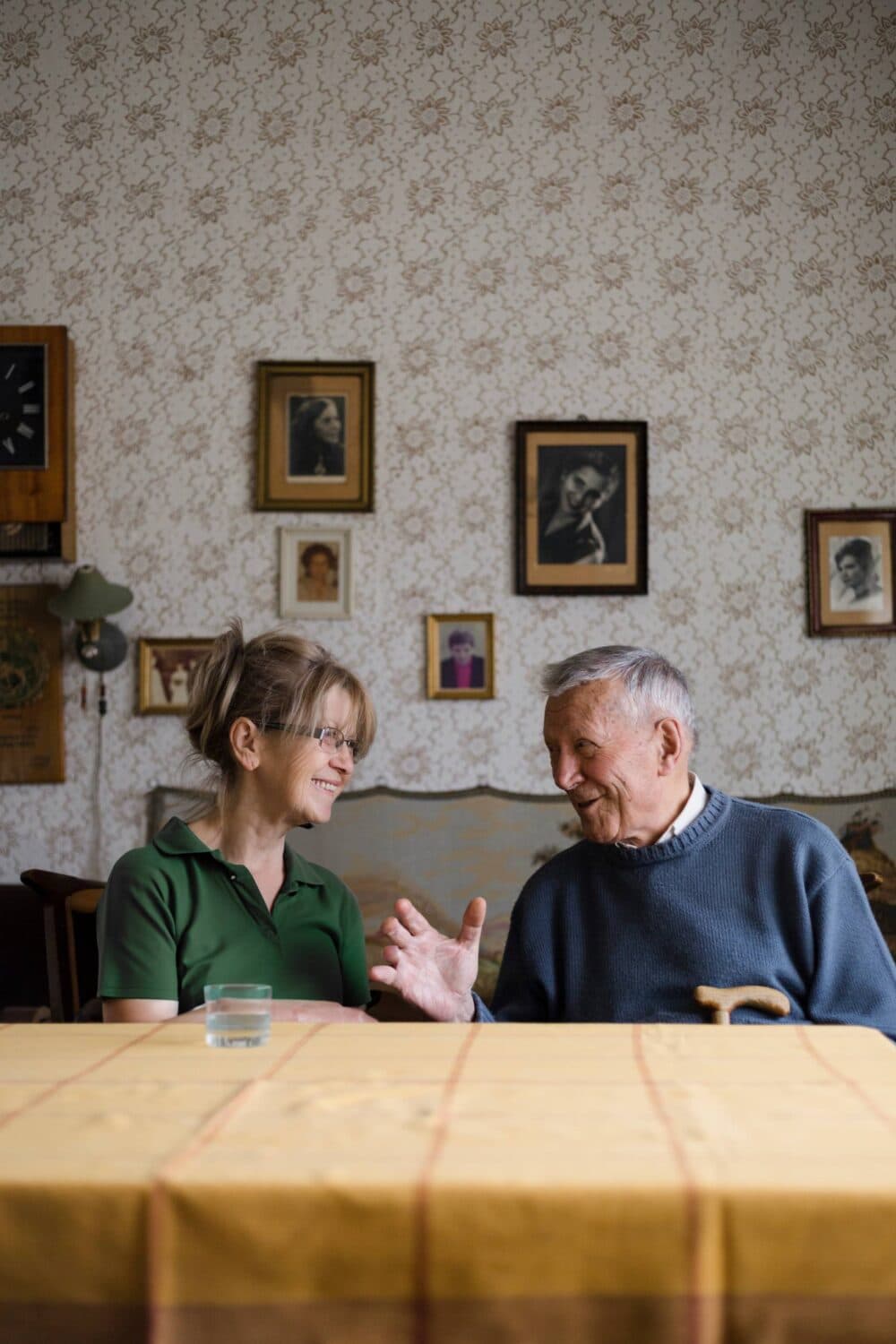
- Carer Matching – Time is taken to match the right carer, ensuring skills, personality, and lifestyle suit the person receiving care.
- Ongoing Monitoring – Care providers remain in touch, carrying out reviews and arranging cover for carer breaks or holidays.

Special Considerations
- Dementia Care: Specialist approaches help carers provide reassurance, reduce stress, and maintain quality of life.
- Pets: Many care homes do not allow pets, but live-in care enables people to remain with their animals. Carers can assist with feeding, exercise, and vet visits.
- Mental Health Support: Live-in care is not only for older adults. It can also help those managing depression, anxiety, or other conditions in a private and supportive home setting.
Challenges Families Should Be Aware Of
While live-in care offers many benefits, it is important to acknowledge potential challenges:
- Cost: Round-the-clock care is more expensive than hourly visits, although often comparable with care home fees.
- Privacy: Having someone live in the home takes adjustment, especially for those who value personal space.
- Carer Wellbeing: Reputable care providers ensure carers receive proper breaks and support, preventing fatigue.
A Real-Life Example
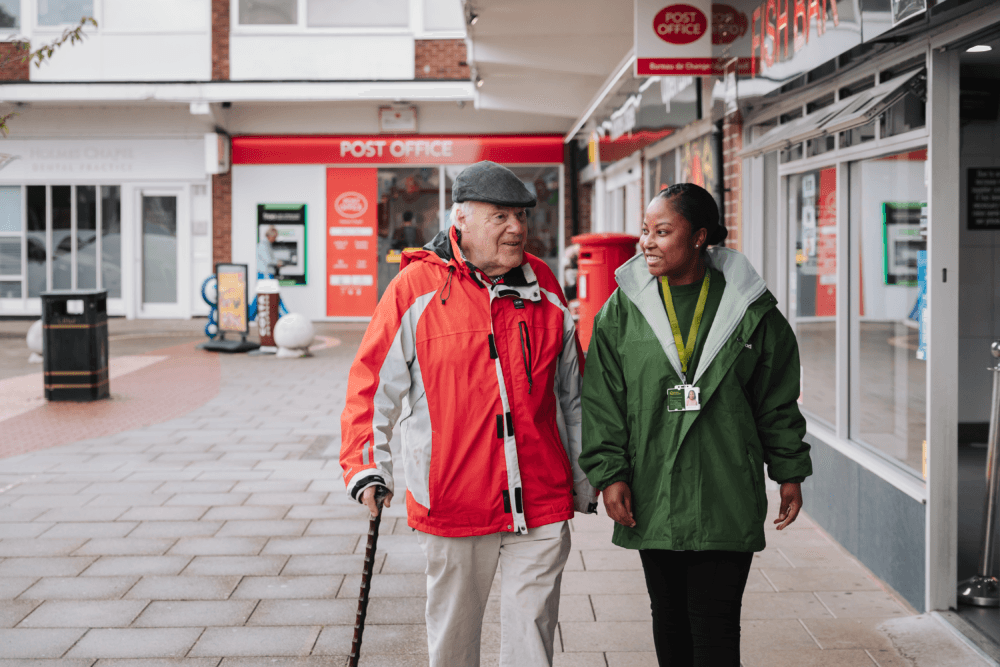
Take the case of Margaret, an 85-year-old widow living with early dementia. She struggled with daily tasks and felt increasingly isolated. When her family arranged a live-in carer, Margaret regained stability. Her carer not only supported her with medication and mobility but also shared conversation, laughter, and everyday activities. For Margaret, being able to remain in her own home – surrounded by cherished belongings and memories – made all the difference.

Is Live-In Care Right for Your Family?
Families often ask themselves:
- Does my loved one want to remain at home?
- Do they need 24-hour support for safety or health reasons?
- Is the cost manageable compared with residential care?
- How involved can the family be in providing oversight?
The answers vary, but for many, live-in care provides the reassurance that their loved one can continue to live with dignity and independence at home.
Final Thoughts
Choosing the right care option for an older loved one is never easy. Families want to balance safety with comfort, and professional support with personal independence. Live-in care is increasingly seen as the solution that achieves this balance.
For families in South Lanarkshire, Home Instead offers live-in care that combines practical support with warmth, compassion, and respect. Whether for long-term conditions, short-term recovery, or simply day-to-day reassurance, live-in care allows older people to remain where they feel happiest – at home.
If you are thinking about live-in care for your loved one, you are not alone. Many families in South Lanarkshire are finding that this option offers both peace of mind and the continuity of home life that matters most.
Learn more about live-in care with Home Instead South Lanarkshire:
Areas We Serve
Lanark, Carluke, Biggar & the surrounding areas
G75 0, G75 9, ML10 6, ML11 0, ML11 7, ML11 8, ML11 9, ML12 6, ML3 0, ML3 6, ML3 7, ML3 8, ML3 9, ML8 4, ML8 5, ML9 1, ML9 2, ML9 3
7 St Leonard St, Lanark ML11 7AB, UK
01555 700601