How to support a loved one who is becoming more forgetful but remains independent
Gentle ways to support a forgetful loved one at home while helping them stay independent longer now.

Supporting a loved one who is becoming more forgetful but remains independent is usually about gentle reassurance, steady routines, and introducing small amounts of help before things feel urgent, rather than stepping in and taking over. This April, many families across Carluke and the surrounding communities are noticing those quiet early signs in a parent or partner and wondering how to help in a way that respects the independence they value so much.
This blog looks at how to spot the early signs, what gentle support can look like, and how care at home can fit around a life that is still being lived independently.
When someone close to you starts becoming more forgetful, it can bring a mixture of concern, uncertainty, and day-to-day questions. You may notice small changes at first, such as missed appointments, repeated questions, or everyday items being misplaced more often. At the same time, your loved one may still be living independently, managing much of their daily life, and wanting to carry on as normally as possible.
This can leave families wondering how best to help without stepping in too quickly. In many cases, the most supportive approach is a gentle one. The aim is not to take over, but to offer reassurance, hands-on help where needed, and the kind of support that helps a person remain comfortable and confident in their own home.
Private care at home can be especially helpful at this stage, as it allows support to fit around existing routines while respecting the person’s independence.

Finding the balance between support and independence
Forgetfulness does not always mean someone needs intensive support. Many people continue to live well at home while benefiting from a little more structure, encouragement, or reassurance. What matters is finding the right balance.
For families, this often means paying attention to patterns rather than isolated moments. Everyone forgets things from time to time. The question is whether these changes are beginning to affect day-to-day life, confidence, or peace of mind.
A loved one may still be cooking, dressing, socialising, and enjoying familiar routines, but perhaps with a bit more effort than before. They may need occasional reminders, more time to complete tasks, or a little help keeping track of the week. Support at home can be shaped around exactly that kind of situation.
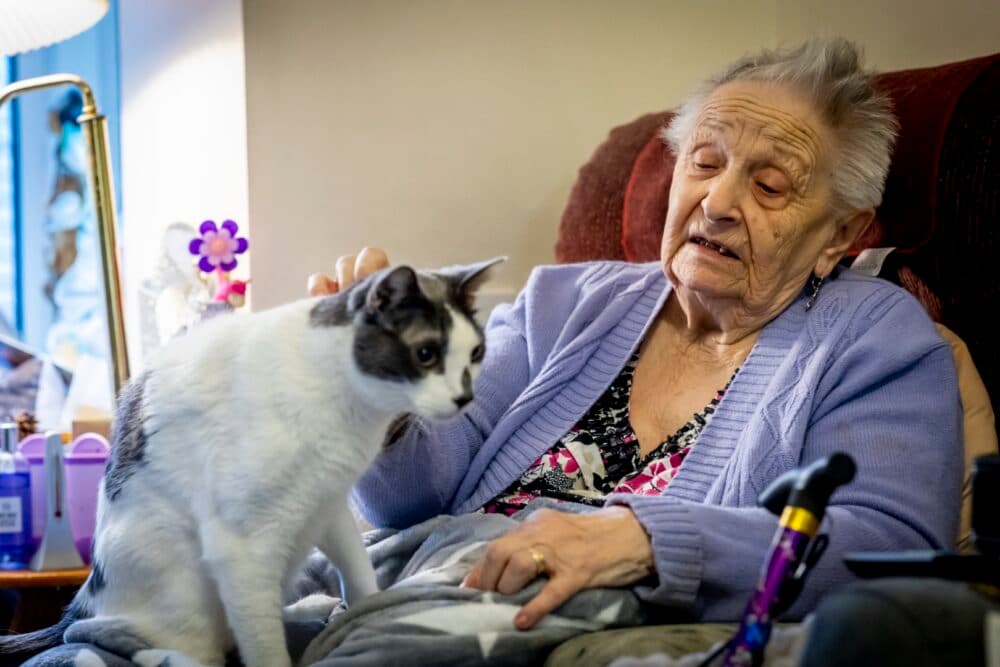
Small signs that extra support may be helpful
Often, the need for support begins with subtle changes rather than major difficulties. These early signs can be easy to miss, particularly when someone is doing their best to stay independent.
Repeating questions or stories more often can happen gently over time. It may not be upsetting, but it can be a sign that a little more structure or reassurance would help. Missing parts of a routine is another common signal: a person may forget a meal, overlook a household task, or seem less organised than usual, still managing overall but with more effort than before.
Feeling flustered by changes to the day can also appear, with unexpected appointments, new information, or changes in routine becoming harder to manage confidently. Some people simply want more reassurance too, remaining independent but seeking more confirmation that everything is alright. A regular visit or familiar check-in can help the day feel calmer and more settled. These signs do not need to be approached with alarm. They are often simply an indication that a little extra support could make daily life easier and more comfortable.
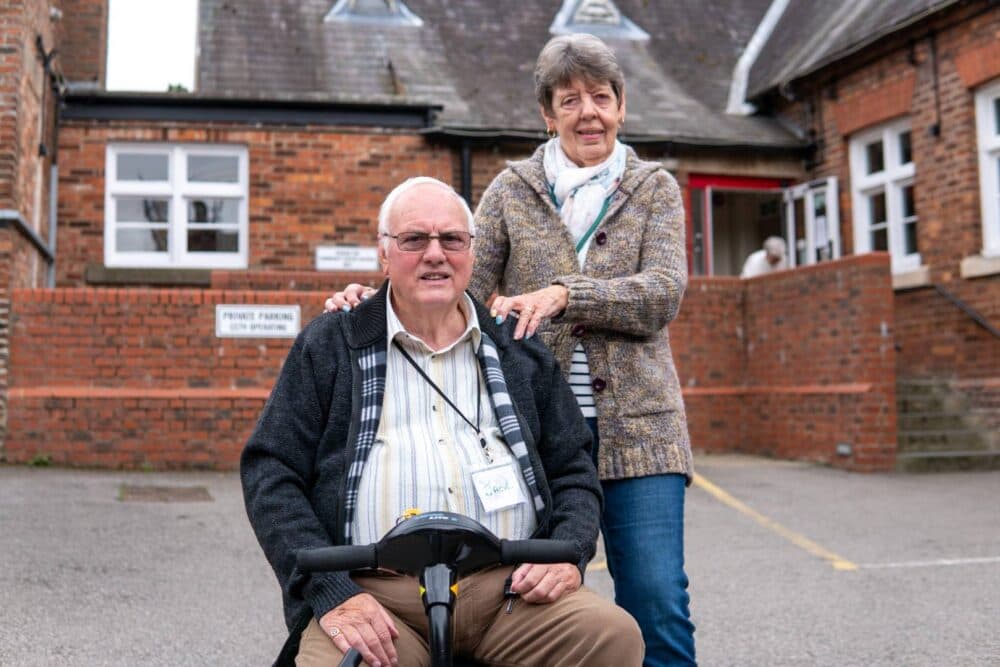
How to help without undermining confidence
One of the biggest concerns families have is how to offer help without making a loved one feel that their independence is being taken away. This is where tone and approach matter a great deal.
Start with conversation rather than assumptions. Ask how things are feeling day to day and whether there is anything that would make life easier. Keep the focus on comfort, routine, and reassurance rather than on what they can no longer do.
It also helps to involve the person in decisions at every stage. Being listened to and included can make support feel respectful rather than intrusive. Even small choices, such as when visits happen or what kind of help would feel most useful, can help preserve confidence and dignity.
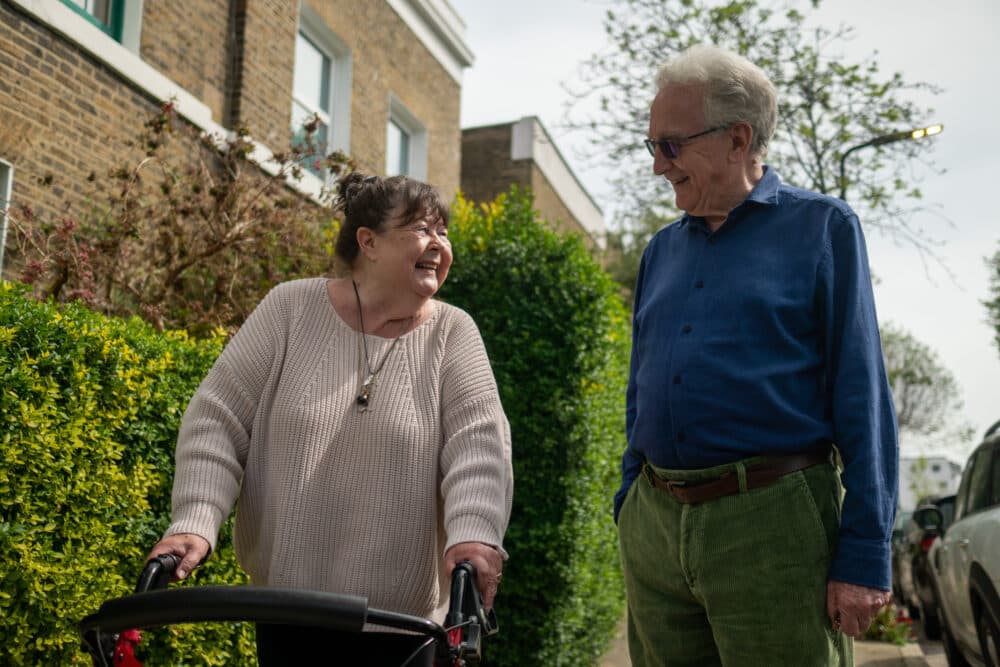
Ways to offer gentle support
Supporting someone who is becoming more forgetful often means making everyday life feel a little steadier rather than dramatically changing everything.
Keeping routines familiar matters, as a steady daily rhythm can be very reassuring. Regular mealtimes, familiar habits, and gentle prompts can all help someone feel more confident. Simplifying where possible also helps: clear notes, calendars, reminders, and organised spaces can make daily tasks feel more manageable without making the person feel overwhelmed.
Offering calm reassurance is important too. If someone forgets something or asks the same question again, a patient and kind response is often far more helpful than correction. Building support gradually can also ease the process, as introducing a small amount of help at home can feel much easier than waiting until support feels urgent. A gentle start often works best.
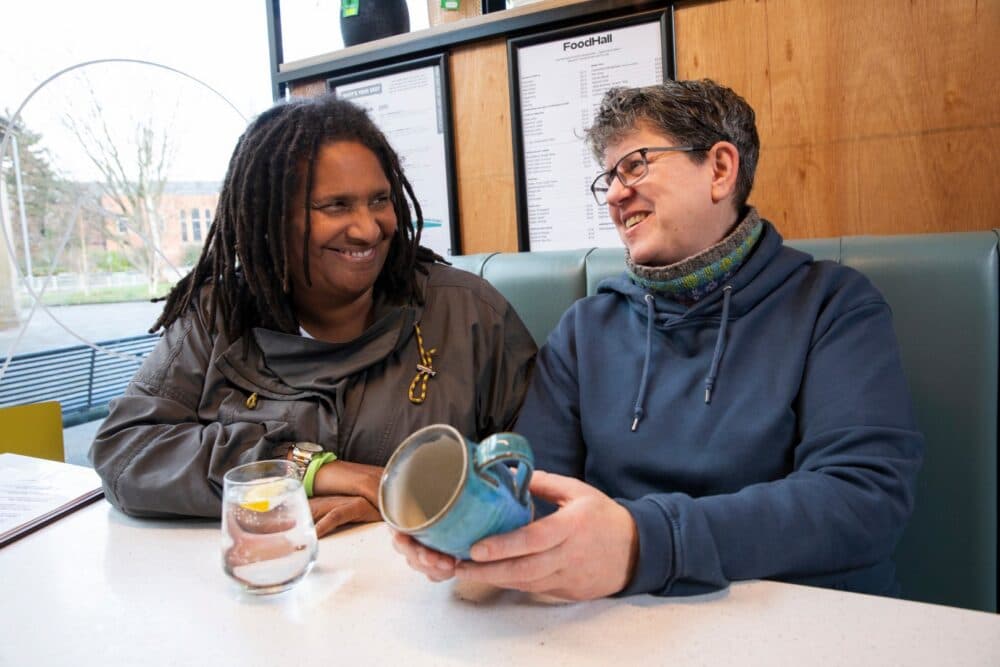
Why private care at home can be the right fit
For someone who remains independent but is becoming more forgetful, care at home can offer the right kind of support at the right time. It provides hands-on help while allowing the person to stay in familiar surroundings and continue with the routines that matter to them.
That might mean companionship visits, help with meals, support with household routines, or simply having a regular, reassuring presence during the week. This kind of care can help someone remain confident at home while also easing some of the worry families may be carrying.
Around Carluke and the surrounding communities, staying connected to home and local routines can be especially important. Familiar surroundings often bring comfort, and support delivered in that setting can feel more natural and reassuring.
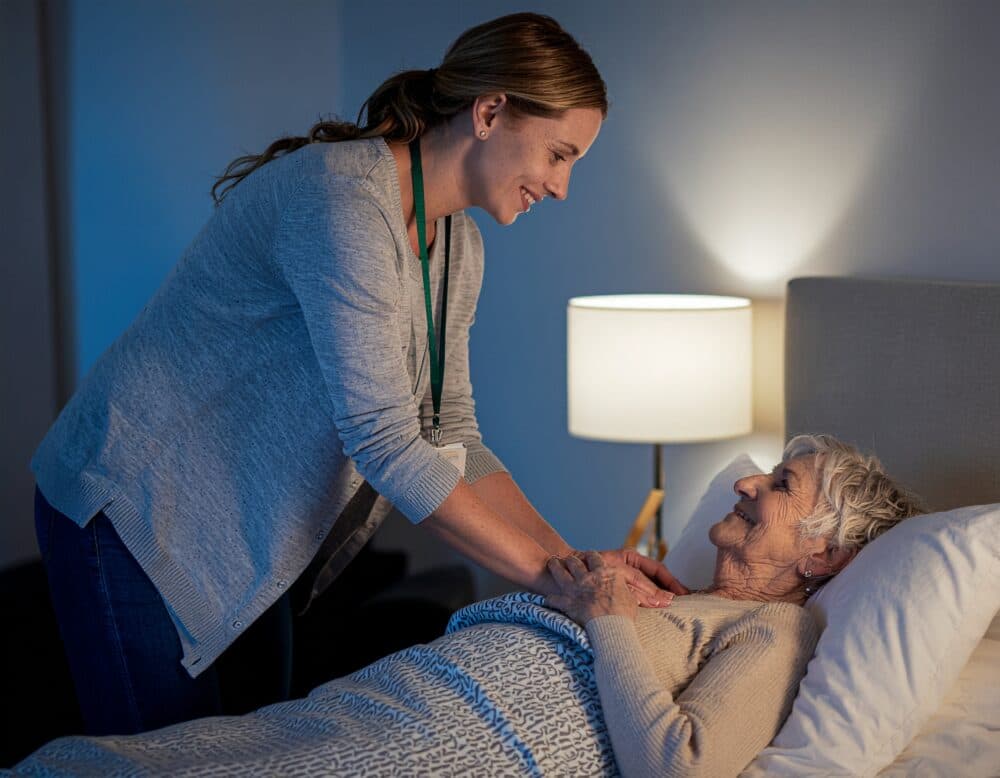
Support for families as well as loved ones
When someone is becoming more forgetful, families often carry their own quiet concerns. You may find yourself checking in more often, wondering how your loved one is managing, or feeling unsure whether you are doing enough. These feelings are very common.
Care at home can support relatives as well as the person receiving care. It can offer reassurance that there is regular help in place, while giving family members more space to focus on their bond rather than on every small detail.
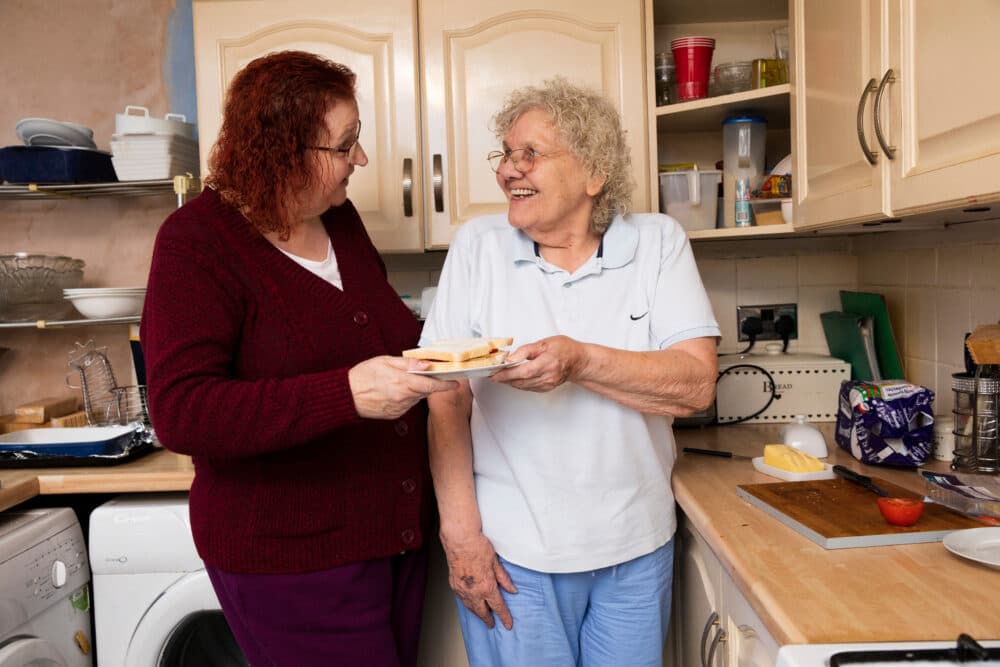
A gentle next step
If someone close to you is becoming more forgetful but remains independent, it may help to think about what kind of support would make daily life feel easier and more reassuring without disrupting the routines they value.
Home Instead provides private care at home that is shaped around the individual, with support that respects independence while offering hands-on help and companionship. You can visit the local landing page to learn more and contact the office for a friendly conversation about what care at home could look like.
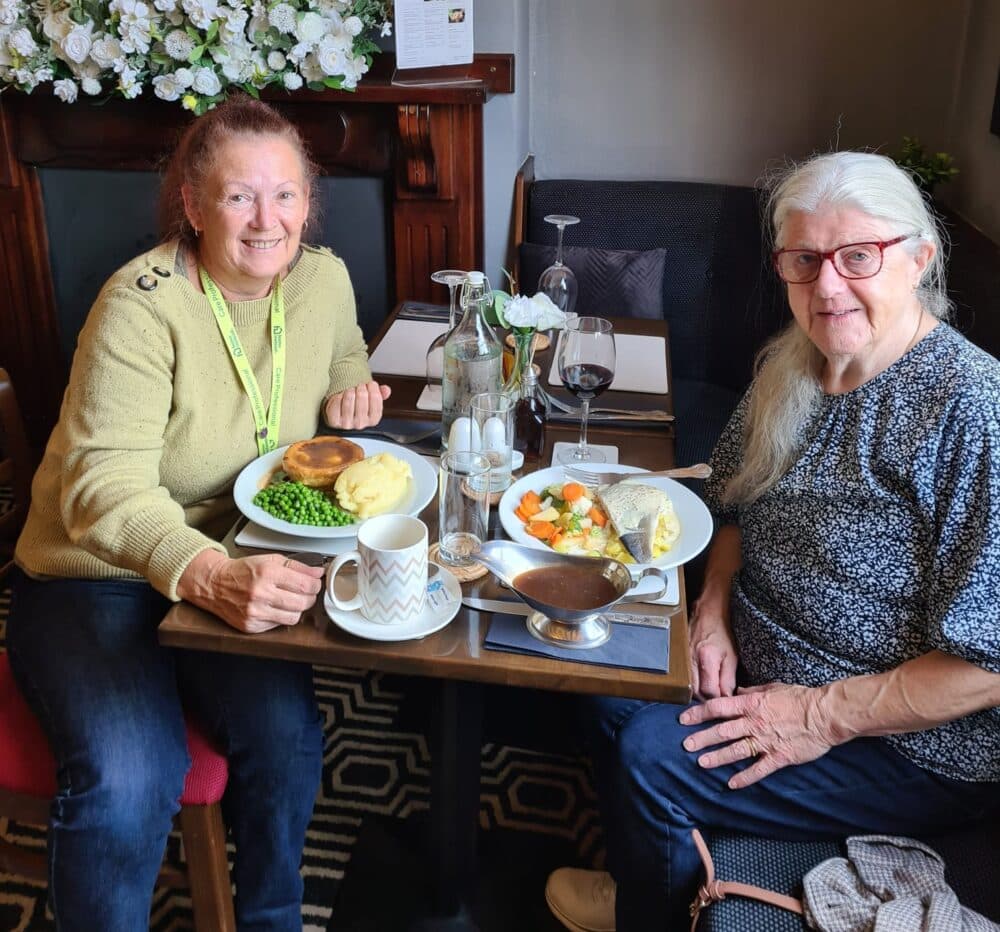
Your Local Home Instead Team
Home Instead South Lanarkshire offers local home care across Carluke and the surrounding area, helping older adults remain comfortable, confident, and supported in familiar surroundings. With local knowledge and a calm, approachable team, support can feel close to home and easy to access when families need guidance.
Home Instead office name:
Home Instead South Lanarkshire
Office phone number:
01555 666474
Office website URL:
http://homeinstead.co.uk/south-lanarkshire
Google Business Profile link:
https://maps.app.goo.gl/wZfFCAZdRREydkjq8
Areas covered (towns/villages/communities):
Carluke, Biggar, Abington, Lanark, Clyde Valley, Carstairs, New Lanark, Lesmahagow, Larkhall, Symington
Postcodes served:
G75 0, G75 9, ML10 6, ML11 0, ML11 7, ML11 8, ML11 9, ML12 6, ML3 0, ML3 6, ML3 7, ML3 8, ML3 9, ML8 4, ML8 5, ML9 1, ML9 2, ML9 3
If you would like to talk through care at home for yourself or someone close to you, the local office can provide clear information and a reassuring first point of contact.

Ratings and compliance
Homecare.co.uk rating:
9.8 out of 10
Profile link: https://www.homecare.co.uk/homecare/agency.cfm/id/65432221166
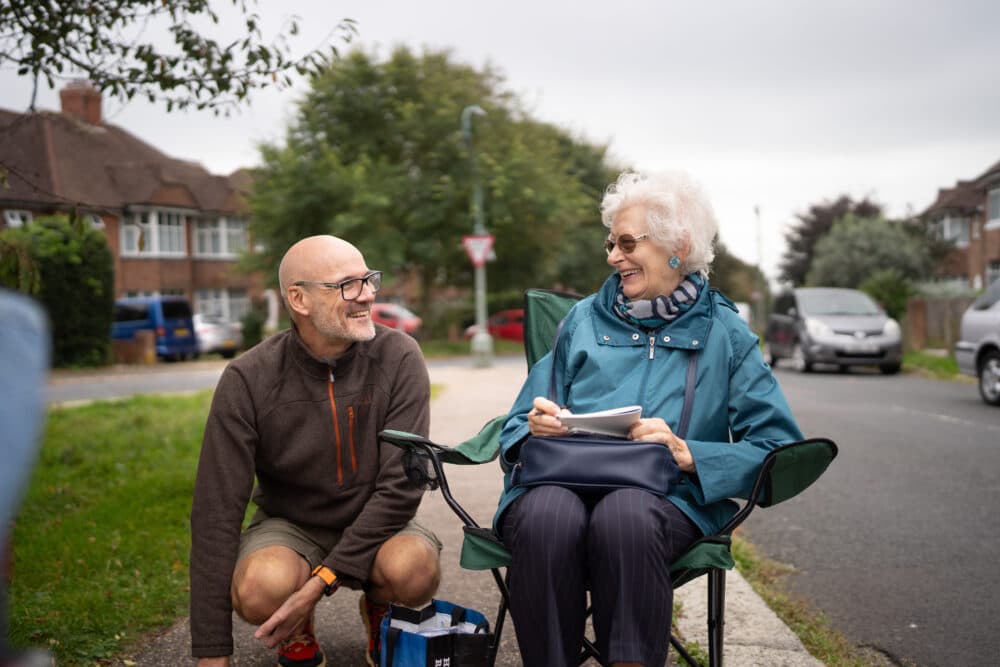
Areas We Serve
Lanark, Carluke, Biggar & the surrounding areas
G75 0, G75 9, ML10 6, ML11 0, ML11 7, ML11 8, ML11 9, ML12 6, ML3 0, ML3 6, ML3 7, ML3 8, ML3 9, ML8 4, ML8 5, ML9 1, ML9 2, ML9 3
7 St Leonard St, Lanark ML11 7AB, UK
01555 700601