How Many Hours a Day Does a Live-In Carer Work?
Live-in carers provide personalised, one-to-one support, balancing care with rest to ensure high-quality service.

Have You Ever Wondered How a Live-In Carer Balances Their Day?
Caring for a loved one is a full-time responsibility, and many families turn to live-in care to ensure their relatives receive dedicated support at home. But what does a typical day look like for a live-in carer, and how many hours do they work?
At Home Instead South Lanarkshire, we recognise that every client has unique needs, and live-in carers provide tailored assistance while maintaining a balance between professional care and personal well-being. Let’s explore the role of a live-in carer and understand their daily schedule.
Understanding Live-In Care
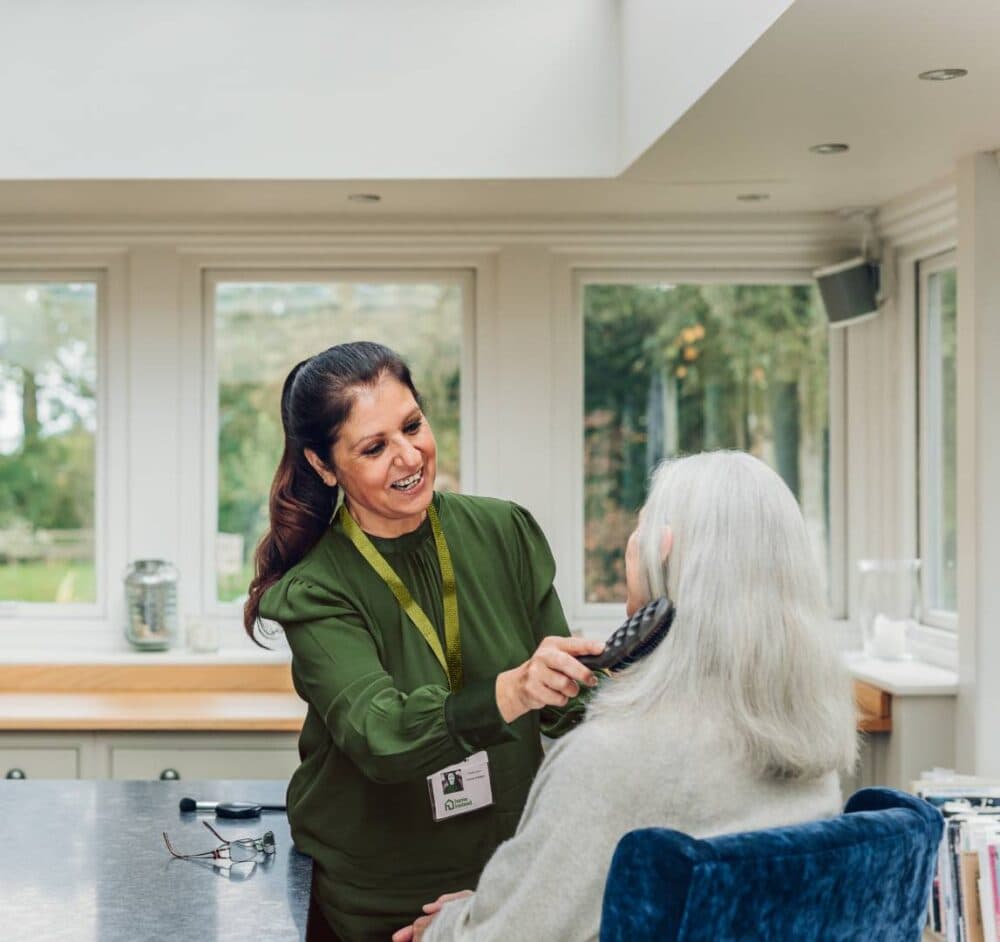
Live-in care provides continuous, one-to-one support for individuals who wish to remain in the comfort of their own homes. Unlike visiting care, where carers come at set times, a live-in carer stays in the home, offering reassurance and assistance throughout the day and night.
This option is particularly beneficial for those with complex needs, such as individuals living with dementia, limited mobility, or long-term conditions. It allows them to maintain independence while receiving the care and companionship they require.

A Day in the Life of a Live-In Carer
Each day is different for a live-in carer, as their routine is shaped by the client’s needs. However, a structured schedule helps ensure that both the client and carer maintain a healthy balance.
Morning Routine
Mornings typically start when the client wakes up, though some prefer an early rise while others enjoy a slower start to the day. A carer’s morning duties often include:
- Assisting with getting out of bed
- Supporting personal hygiene, including washing and dressing
- Preparing breakfast and encouraging hydration
- Administering any prescribed medication
- Light housekeeping, such as making the bed and tidying the home
- Helping the client with mobility exercises or gentle stretching
- Arranging appointments or planning activities for the day
Morning routines set the tone for the rest of the day, ensuring clients feel refreshed and comfortable.
Afternoon Activities and Companionship
Afternoons often include a mix of social engagement, errands, and relaxation. Depending on the client’s needs, a live-in carer may:
- Assist with lunch preparation and meal support
- Provide companionship, such as chatting, reading together, or engaging in hobbies
- Help with physiotherapy exercises or light mobility support
- Accompany the client to appointments or social events
- Carry out household tasks such as laundry and tidying
- Engage in reminiscence therapy for those living with dementia
- Encourage outdoor activities such as short walks or light gardening
Keeping the client engaged and active is a key part of live-in care, helping to maintain both mental and physical well-being.
Evening and Night-Time Care
As the day winds down, a carer ensures their client feels safe and comfortable. Evening duties typically include:
- Preparing and serving dinner
- Providing medication reminders
- Encouraging relaxation through reading, television, or conversation
- Assisting with getting ready for bed and ensuring the client is settled
- Offering reassurance and emotional support before sleep
- Assisting with night-time toilet visits or repositioning in bed
For those who require night-time support, a carer may provide assistance with repositioning, toileting, or reassurance. If overnight care is needed on a regular basis, an additional carer may be brought in to cover night shifts.

How Many Hours Does a Live-In Carer Typically Work?
A live-in carer is present in the home for 24 hours, but this does not mean they are working around the clock. Typically, a live-in carer provides care for up to 12 hours a day, spread throughout the day depending on the client’s schedule.
To ensure their well-being, carers are entitled to rest periods, including:
- A daily two-hour break to recharge and attend to personal needs
- An uninterrupted overnight rest period of 11 hours where possible
If a client requires round-the-clock care, additional carers may rotate shifts to provide continuous support while allowing each carer time to rest.
What Happens During the Carer’s Break?
During their daily break, carers may step out for a walk, enjoy some quiet time, or engage in personal activities such as reading or making phone calls. This break is crucial for their well-being, allowing them to return refreshed and ready to continue providing high-quality care.
In some cases, a family member or an alternative carer may step in during this period to ensure that the client remains supported at all times.

The Balance Between Care and Rest
Providing quality care means ensuring carers have time to rest. At Home Instead South Lanarkshire, we prioritise both the well-being of our clients and our carers. Regular breaks help carers maintain energy levels and provide the high standard of care our clients deserve.
In cases where clients require night-time assistance regularly, families may choose two live-in carers working on rotation, ensuring each carer receives adequate rest without compromising care quality.
How Do Carers Manage Night-Time Duties?
Some clients may wake during the night, requiring support with repositioning, toileting, or reassurance. If a carer is required to assist frequently during the night, alternative arrangements, such as shift-based care, may be necessary.
If a client requires assistance only occasionally, such as for a single bathroom visit, a live-in carer can accommodate this while still maintaining their required rest periods.

The Rewards of Being a Live-In Carer
Live-in care is a demanding but rewarding role. Carers not only provide practical support but also become trusted companions to those they care for. Some of the key benefits of live-in care include:
- Building meaningful relationships with clients and their families
- Providing personalised, one-to-one care tailored to the client’s needs
- Supporting independence by enabling clients to remain in their own homes
- A stable and familiar environment that enhances emotional well-being
- Gaining a deep sense of fulfilment from making a genuine difference in someone’s life
Choosing Live-In Care with Home Instead South Lanarkshire
Selecting a live-in carer is a significant decision. At Home Instead South Lanarkshire, we match clients with compassionate and professional carers who align with their specific needs and personalities. Our live-in carers are fully trained and dedicated to providing respectful and dignified care.
If you are considering live-in care for yourself or a loved one, our team is here to help. We offer tailored care plans designed to support independence, well-being, and comfort at home.

Final Thoughts
Live-in care is a compassionate and effective solution for individuals who need continuous support while remaining in their own homes. A live-in carer provides more than just assistance; they offer companionship, reassurance, and a helping hand in daily life.
At Home Instead South Lanarkshire, we are committed to ensuring our clients receive the highest standard of care. If you’re exploring live-in care options, reach out to us today to learn how we can support your family’s needs.

Areas We Serve
East Kilbride, Hamilton, Rutherglen, Cambuslang, Larkhall, Lanark, Strathaven, Carluke, Biggar, Blantyre, Uddingston, Bothwell, Stonehouse, Wishaw, Motherwell
G75 0, G75 9, ML10 6, ML11 0, ML11 7, ML11 8, ML11 9, ML12 6, ML3 0, ML3 6, ML3 7, ML3 8, ML3 9, ML8 4, ML8 5, ML9 1, ML9 2, ML9 3
7 St Leonard St, Lanark ML11 7AB, UK