The Difference Between Regulated Home Care and Personal Assistants

If you are starting to look at care at home for an older relative this May, you may be weighing up two very different routes. Regulated home care providers, like Home Instead South Lanarkshire, sit alongside a growing number of individuals advertising personal care services privately, often through introductory agencies or local community networks. The difference between the two is far more than just the hourly rate. It comes down to who is accountable, who is properly trained, and what happens when the unexpected occurs.
Below is a clear look at the legal, day-to-day and quality differences between the two, and what they actually mean once care is in place.
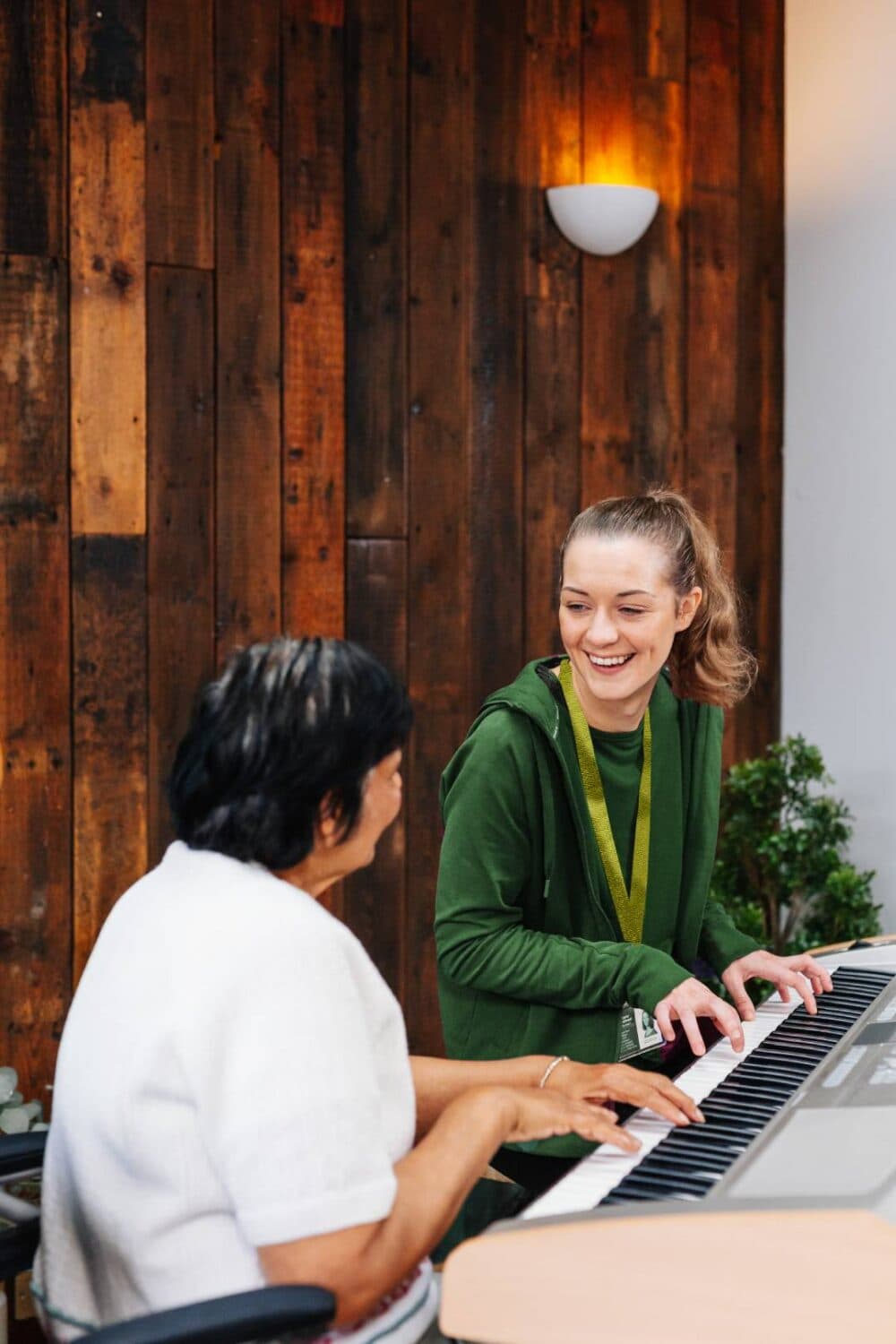
What is a Personal Assistant?
A personal assistant, often shortened to PA, is an individual who provides care and support directly to a client. They generally work independently, or are placed with a family through an introductory agency that connects the two. The work might include companionship, help with personal care, prompting medication or assisting with everyday tasks around the home. The hourly rate is usually lower than that of a regulated provider.
The first issue families tend to encounter is availability. Many PAs prefer to work standard weekday hours and are not willing or able to take on evenings, weekends or public holidays. If care is needed outside of those hours, families may need to coordinate several different individuals or fill the gaps themselves.
Cover during a PA’s holidays or sickness can be a further difficulty. If a PA cannot work or decides to move on, the responsibility for arranging a replacement falls on the family. For relatives who are already managing the emotional load of supporting an older parent, this can quickly become overwhelming.
Adapting to changing needs is perhaps the most important challenge of all. As a person’s care needs grow, perhaps because of a dementia diagnosis, frailty or a long term condition, the level and complexity of support required will increase. Many PAs are not in a position to scale up alongside this. The result is often that the family is forced to start again with someone new, at the precise point when consistency and familiarity matter most.
There is also the question of legal responsibility. When a family takes on a PA directly, even via an introductory agency, the legal position is often that the family becomes the PA’s employer. That brings with it responsibilities for tax, national insurance, holiday pay, insurance, employment law and the cost of cover when the PA is away. HMRC has stated clearly that many people working as self-employed carers do not actually meet the criteria for self-employment, and if that is found to be the case, the liability does not sit with the introductory agency. It sits with the family.
Are Personal Assistants Regulated?
In Scotland, care services are regulated by the Care Inspectorate. Personal assistants and the introductory agencies that match them with families are generally exempt from this regulation. That means there is no mandatory training, no routine inspection of the service and no independent body with the authority to step in if standards are not being met.
By contrast, a regulated provider like Home Instead is registered with the Care Inspectorate and operates under a clear set of standards covering safety, dignity, staffing, complaints handling and the wellbeing of the people we support. We are inspected regularly, and if a concern is raised about the quality of care, there is a formal complaints route and a regulator with the power to investigate and to act.
Families often tell us that the reassurance of knowing there is independent oversight is worth a great deal, particularly when their relative is vulnerable and they themselves cannot always be present.
Training and Background Checks
Introductory agencies will typically arrange a basic disclosure check on the PAs they list. Beyond that, there is no obligation for a PA to hold any specific qualification, to have completed any structured training, or to receive ongoing supervision.
At Home Instead South Lanarkshire, every Care Professional we employ goes through a detailed recruitment process before they begin work. We carry out a full career history review, take up references and complete an enhanced disclosure check through Disclosure Scotland. Once recruited, every Care Professional receives in-depth training covering personal care, medication support, dementia care, end of life care and many other areas relevant to supporting people in their own homes. Training continues throughout their time with us, alongside regular supervision and team support.

The Things That Don’t Show Up in a Price Comparison
When families compare hourly rates, what they cannot easily see is what happens when something does not go to plan. This is where a regulated, managed service quietly shows its value.
We carry out regular service reviews with our clients and their families so that the care being delivered continues to reflect what the person actually needs. We do weekly spot checks to maintain consistency and quality. And when something unexpected arises, we step in to sort it out rather than leaving the family to manage it themselves.
That might mean buying a separate fridge freezer for a client when there has been a misunderstanding with a family member over shared food. It might mean arranging additional driving lessons for a Care Professional so that a family feels entirely confident with them taking their relative out to a day centre. On one occasion, when a Care Professional’s car broke down; we hired them a vehicle so the client could carry on going to the activities they enjoyed. None of these are things a private PA arrangement is structured to deliver.
In isolation, these are small acts. Together, they describe a service that wraps around the person and their family, rather than one that simply turns up for an agreed slot and leaves.
Nowhere is this more important than in live-in care. A private live-in arrangement typically depends on one individual, and that leaves a gap the moment they need rest or are unavailable. Our live-in Care Professionals receive proper breaks during the day, covered by our hourly daytime team, so the client always has someone with them and the live-in carer gets the respite they need to keep doing the job well. And if a live-in carer is off through sickness or a personal commitment, we put backup cover in place immediately. There is never a day when the client is left without support. A lone private carer has no such fallback.
The True Cost of a Cheaper Option
Cost is naturally a major part of any decision about care, and regulated home care does cost more per hour than engaging a PA privately. It is worth being honest about what that cost difference actually pays for.
A regulated provider directly employs its Care Professionals. That covers fair pay, the employer’s national insurance, pension contributions, holiday pay, sick pay, insurance, ongoing training, supervision and the operational structure needed to meet Care Inspectorate standards. When a PA charges a lower rate, those costs are either not being met at all, which carries real risk, or they are being passed back to the family as the employer.
The reassurance of knowing that a loved one is being supported by a trained, supervised and properly employed professional is not an optional extra. It is the foundation of regulated care, and it is also what allows the service to adjust alongside changing needs, often avoiding the cost and disruption of starting from scratch later on.

If Something Goes Wrong
With a regulated provider, there is a clear path if a family has concerns. Issues can be raised formally with the organisation and, if not resolved to the family’s satisfaction, escalated to the Care Inspectorate. The provider is accountable, and there are protections in place that hold the service to account.
With an unregulated PA, that route does not exist in the same way. There is no inspection history to draw on, no regulator with the power to investigate, and often no insurance in place that would respond in the event of an accident or incident. It is worth weighing this carefully alongside the cost savings, particularly given the vulnerability of the person being cared for.
Home Instead South Lanarkshire
Home Instead South Lanarkshire is rated 9.8 out of 10 on Homecare.co.uk, based on reviews from the families we support across Lanark, Carluke, Biggar, Lesmahagow, Larkhall and the surrounding communities.
We have been supporting families across South Lanarkshire for years with a team of directly employed, trained and supervised Care Professionals. Every member of our team is employed by us, fully insured, and supported with regular training and development. Cover, payroll and employment law are our responsibility, not yours.
As your loved one’s needs change, the service adapts alongside them, with the same familiar faces wherever possible. For families navigating dementia, recovery after a hospital stay or end of life care, that continuity is often the difference that matters most.
To learn more about how we can help your family, call us on 01555 666474 or visit www.homeinstead.co.uk/south-lanarkshire.
Home Instead South Lanarkshire | 7 St Leonard Street, Lanark, ML11 7AB
How can we help?
We've helped thousands of families to stay safe, comfortable and happy at home. Whatever situation you're facing, or whatever the question is, Home Instead is here to help.
Are you in need of a little guidance right away?
Other non-care-related enquiries