Keeping Older Adults Hydrated in South Lanarkshire
Let me know if you’d like an alternative with more focus on summer, carers, or health benefits.
In South Lanarkshire, July often brings warmer temperatures and longer days, alongside a greater risk of dehydration, especially for older adults receiving home care. For individuals living with dementia, mobility issues or long-term health conditions, staying hydrated is not always easy. At Home Instead South Lanarkshire, we understand how essential daily hydration is for comfort, safety, and wellbeing. From making hydration routines simple and enjoyable to highlighting water-rich foods and drinks to avoid, this blog shares practical advice to help carers and families support their loved ones all summer long.
This guide explores how hydration needs change with age, how to spot signs of dehydration early, and what steps you can take to make hydration a natural and stress-free part of daily care.
Why Staying Hydrated Matters in Later Life
Water supports nearly every function in the body, from regulating temperature and flushing out toxins to supporting digestion, circulation and brain health. But as we age, the body becomes less efficient at holding onto fluids, and the natural sensation of thirst weakens.
That means older adults often don’t feel thirsty even when they’re already dehydrated. Memory issues, physical limitations, reduced appetite, and fear of incontinence only add to the challenge.
Common signs of dehydration in older people include:
- Dry mouth, lips, or tongue
- Dizziness or low energy
- Headaches or confusion
- Reduced urination or dark yellow urine
- Increased risk of urinary tract infections (UTIs)
If left unmanaged, dehydration can contribute to serious complications such as kidney problems, low blood pressure, constipation, and cognitive decline.
How Much Water Should Older Adults Be Drinking?
As a general rule:
- Women should aim for around 2.2 litres (about 6–8 glasses) of fluids per day
- Men should target approximately 3 litres
That said, fluid needs vary depending on health conditions, medications, activity levels, and environmental factors like heat. A simpler guide? Divide a person’s body weight in kilograms by three, then again by 16 to estimate the daily requirement in litres.
For example, someone weighing 60kg would need about 1.25 litres of fluid each day as a minimum.
Barriers to Drinking Enough: What Gets in the Way?
Hydration often slips under the radar for those who:
- Live with dementia and may forget to drink
- Have mobility issues that make reaching or refilling drinks difficult
- Experience swallowing difficulties (dysphagia)
- Avoid drinking due to worries about bladder control
- Take medications with diuretic effects
At Home Instead South Lanarkshire, our Care Professionals are trained to notice these challenges and adapt hydration support accordingly, offering timely prompts, preparing suitable drinks, and adjusting strategies to suit each individual’s needs.
Best Ways to Encourage Regular Hydration
Here are some reliable, compassionate approaches to help your loved one drink more throughout the day:
1. Create a Schedule
Set gentle reminders for water or drink breaks, mid-morning, with lunch, mid-afternoon and early evening. Having a visible jug or glass nearby also helps reinforce the habit.
2. Offer a Range of Fluids
Not everyone enjoys plain water. Herbal teas, diluted fruit juice, squash, decaffeinated tea and coffee can all count towards hydration.
For those with dysphagia (difficulty swallowing), thickened fluids or specially formulated drinks like Care UK’s “Next Level Tea” offer a safe and dignified way to stay hydrated. Available in flavours like berry mint or English Breakfast, these teas are adapted for different swallowing needs.
3. Make It Easy
Use cups with handles, straws, or lightweight bottles that are easier to manage for those with limited grip. Place drinks within reach in all rooms they spend time in, especially bedrooms and living areas.
4. Reassure Around Incontinence
Some older adults intentionally limit drinking to avoid accidents. It’s important to gently reassure them that staying hydrated actually reduces the risk of urinary tract infections and can support better bladder health. In some cases, continence pads or toilet prompts can help maintain dignity and confidence.
5. Keep It Social
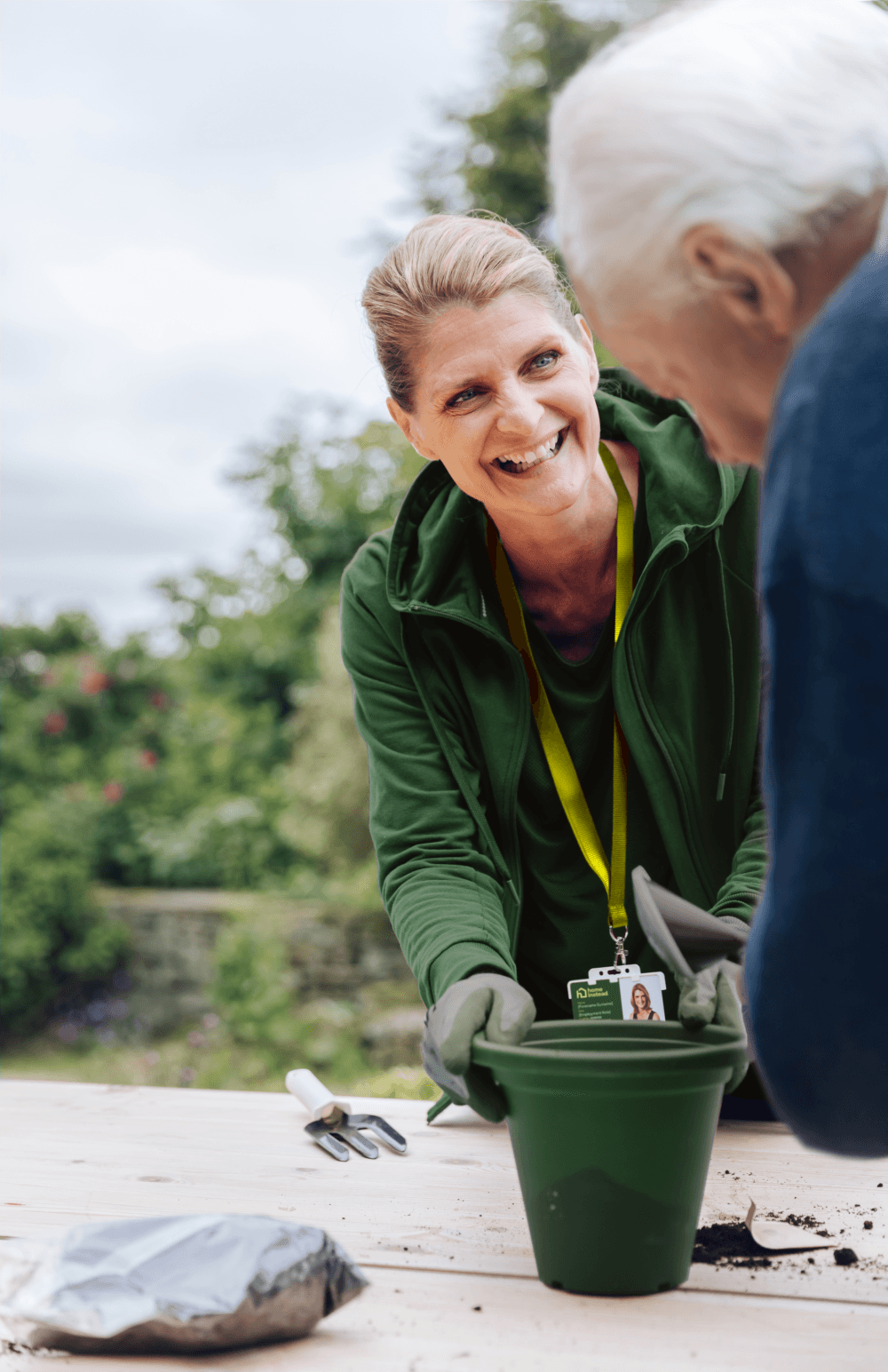
Sometimes it helps to turn drinks into a shared moment, offering tea during a conversation or a refreshing drink in the garden can make it feel like a treat, not a task.
Foods That Support Hydration
Hydration doesn’t only come from drinks. Many fruits and vegetables have high water content and are ideal for snacks or meals:
Water-rich foods include:
- Cucumber
- Watermelon
- Strawberries
- Oranges
- Tomatoes
- Apples
- Celery
- Lettuce
- Soups and broths
- Yoghurt
These are particularly helpful for older adults with reduced appetite, as they provide fluids as well as vitamins and fibre.
What to Limit or Avoid
Some foods and drinks can increase the risk of dehydration, particularly when consumed in excess:
Items to be mindful of:
- Caffeinated drinks like coffee and cola (mild diuretic effect)
- Alcohol (significantly dehydrates the body)
- High-salt snacks (crisps, processed meats, ready meals)
- High-protein meals without balancing veg or fluids
That doesn’t mean banning favourite foods or drinks, just ensuring they’re paired with water or hydrating choices during the day.
Extra Care During Warmer Weather
Heatwaves and warm spells in South Lanarkshire bring additional risk, especially for people with health conditions or memory loss.
To reduce the impact of heat:
- Encourage drinking even if they don’t feel thirsty
- Keep blinds down during peak sun hours (11am–3pm)
- Use fans or open windows for ventilation
- Offer cold fruits or ice lollies as light snacks
- Keep hats and sunscreen handy if going outside
Scottish Water and Age Scotland have also urged older residents to drink more tap water during summer months, highlighting its safety, environmental benefits and ready availability. Elderly individuals can register with the Scottish Water Priority Services Register to receive extra support during heatwaves or supply interruptions.
Local Support in South Lanarkshire
Here in South Lanarkshire, organisations such as LEAP (Cambuslang) have worked with Scottish Water to encourage healthier hydration habits among older adults. Their initiatives aim to raise awareness, promote the benefits of tap water, and make hydration a shared community focus.
At Home Instead South Lanarkshire, our care team builds hydration into each client’s personalised care plan. From supporting dementia-friendly drink routines to preparing water-rich snacks and reassuring around continence issues, we ensure hydration is never overlooked.
Supporting Loved Ones at Home
Whether your family member lives independently, with support, or receives live-in care, their hydration needs deserve consistent attention. If you’re concerned about how much water they’re drinking, start by:
- Tracking daily fluid intake
- Noting changes in mood, energy or urination
- Encouraging small, regular sips
- Making it part of a wider routine (mealtimes, medication times, breaks)
Home Instead’s trained Care Professionals can help with this, providing not just practical support but compassionate companionship, which can make all the difference.

Final Word
Dehydration might seem like a minor concern, but for older adults in South Lanarkshire and across the UK, it can be a serious risk. Fortunately, it’s also a problem with simple, manageable solutions.
From refreshing drinks to hydrating snacks and tailored care plans, we’re here to help make hydration easier, more enjoyable, and part of everyday wellbeing.
If you’re supporting an elderly loved one and would like help with hydration, dementia care, or personal support at home, we’re just a phone call away.
Let’s keep our community happy, healthy and hydrated, one glass of water at a time.
Areas We Serve
Lanark, Carluke, Biggar & the surrounding areas
G75 0, G75 9, ML10 6, ML11 0, ML11 7, ML11 8, ML11 9, ML12 6, ML3 0, ML3 6, ML3 7, ML3 8, ML3 9, ML8 4, ML8 5, ML9 1, ML9 2, ML9 3
7 St Leonard St, Lanark ML11 7AB, UK
01555 700601