Recognising the Early Signs That Family Caring Is Becoming Unsustainable
Spot early signs family caring is too much and explore supportive home care in Hamilton area today!!

Caring for a parent, partner, or relative can come from a place of love and commitment. Many families gradually find themselves taking on more, a few extra errands at first, then regular visits, then daily support. Often, it happens so slowly that it can be hard to notice when things are starting to feel too much.
If you are wondering whether family caring is becoming unsustainable, it does not mean you have failed. It usually means the situation has changed, and it is time to consider more support so everyone can feel steadier, including the person receiving care.
Private care at home can help ease pressure in a practical, respectful way. It can support an older adult to stay in familiar surroundings while giving family carers the breathing space they need to keep going.

What “unsustainable” can mean in real life
Family caring becomes unsustainable when the level of support needed starts to exceed what you can reasonably provide alongside the rest of your life. That might be work, parenting, your own health, or simply the need for rest and recovery.
It is not always about one dramatic moment. More often, it is a gradual build-up of responsibilities, worry, and tiredness. Recognising the early signs can help you act sooner, while choices still feel wider and calmer.

Early signs you may be carrying too much
Every family is different, but there are a few common patterns that suggest it may be time to explore additional help.
You are constantly “on alert”
If you find it hard to relax, even when you are not with your loved one, that is important to notice. You might be checking your phone frequently, thinking through “what if” scenarios, or feeling a steady sense of responsibility that never fully switches off.
Your own health and wellbeing are slipping
Caring can be physically and emotionally demanding. Early signs might include disrupted sleep, ongoing tiredness, less patience than usual, or feeling run down. Some carers also notice they are skipping meals, missing exercise, or delaying appointments because there is not enough time.
You are missing work, social time, or family life
If caring responsibilities are affecting your job, your relationships, or your ability to spend time with children and friends, it can be a sign that the current set-up needs adjusting. This is especially true if you are frequently cancelling plans, leaving work early, or using all your spare time to manage care tasks.
The care needs are increasing beyond what you can provide
You may notice your loved one needs more help with personal care, meals, medication prompts, mobility, or day-to-day routines. If you are providing more hands-on support than you feel comfortable with, or if it is becoming difficult to cover mornings, evenings, or weekends, it may be time to look at professional care at home.
Tension is growing within the family
Caring can place strain on family relationships, even when everyone is trying their best. Disagreements about what should happen next, who is doing what, or how often someone should visit can be an early sign that the caring role needs more structure and shared support.
You feel guilty, whatever you do
Many carers feel guilty for needing a break, and guilty when they cannot be there. If you feel you are falling short no matter how hard you try, it may help to step back and recognise that the situation has outgrown what one person, or one household, can manage alone.

Signs your loved one may need more support at home
Sometimes the older adult is also struggling quietly. They may not want to worry anyone, or they may hope they can manage as before. Gentle signs to look out for include:
- Meals becoming simpler, less regular, or less nutritious
- Household tasks being left undone because they feel tiring
- Personal care routines taking longer, or being avoided
- More confusion around dates, appointments, or medication times
- A reluctance to go out due to reduced confidence
- Feeling low, withdrawn, or less interested in usual activities
These signs do not always indicate a serious problem. They can simply suggest that the person would benefit from more steady, day-to-day help.
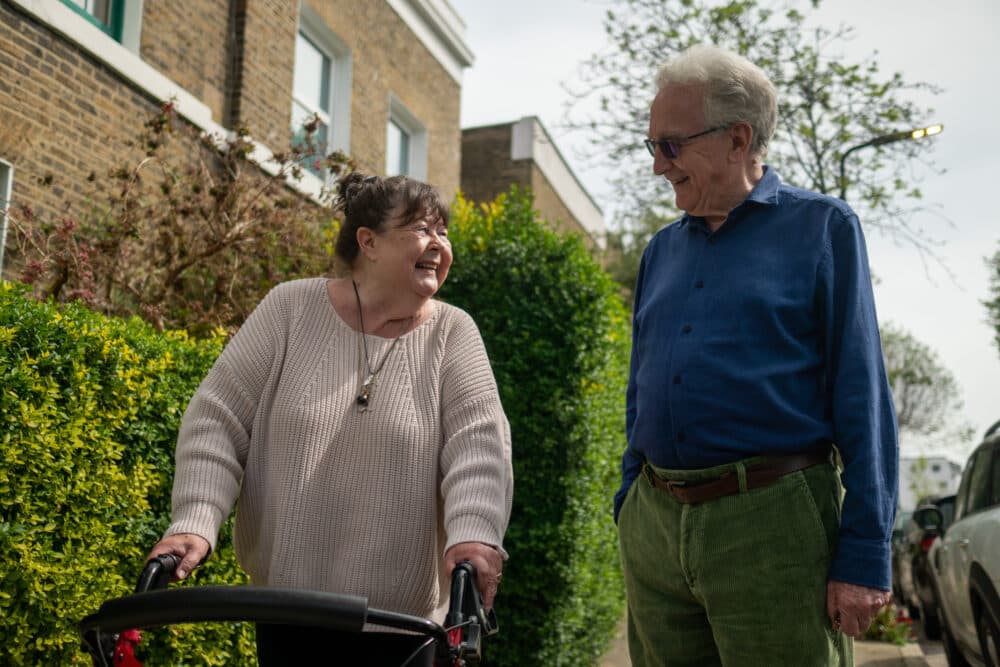
Why acting early can feel easier for everyone
It is understandable to wait, especially if your loved one values independence. Many families worry that bringing in care means giving up control or changing too much. In reality, introducing support earlier often allows for a gentler transition.
When you start with small, practical visits, the person can get used to the idea gradually. Care can be shaped around what they want, rather than being rushed in response to a crisis.
Early support can also protect relationships. When family members are no longer stretched to the limit, visits can feel more like time together again, rather than a long list of tasks.
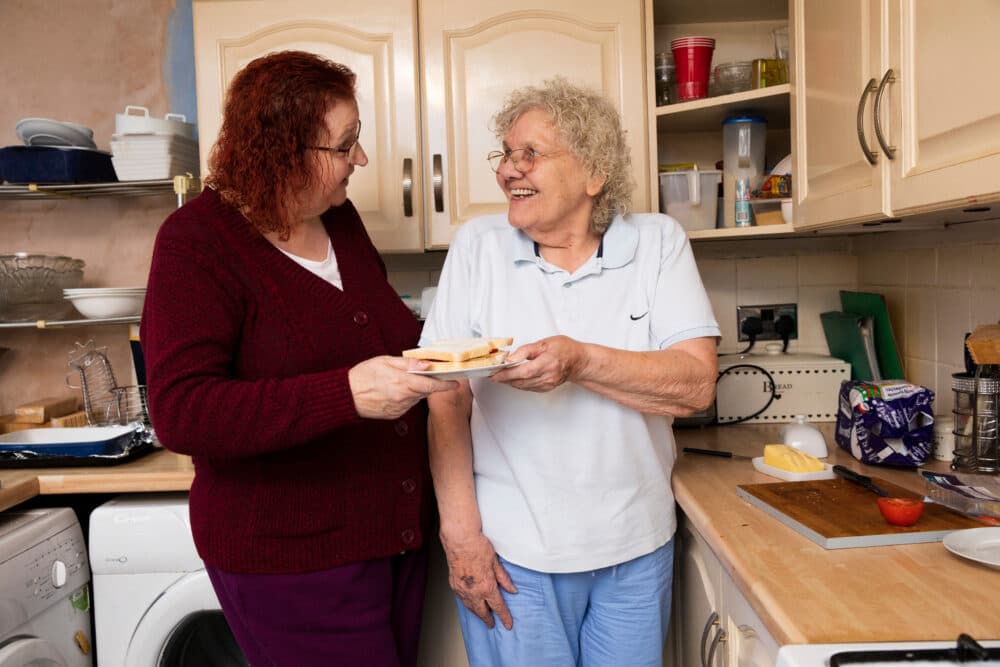
How private care at home can ease pressure without taking over
Private care at home can support both the older adult and the family carer. It can be tailored to fit daily routines and preferences, and it can change over time if needs shift.
Practical support that reduces the load
Care can include help with personal care, meal preparation, light household tasks, medication prompts, or getting ready for the day. Even a few regular visits can make a noticeable difference to how manageable everything feels.
Companionship and emotional support
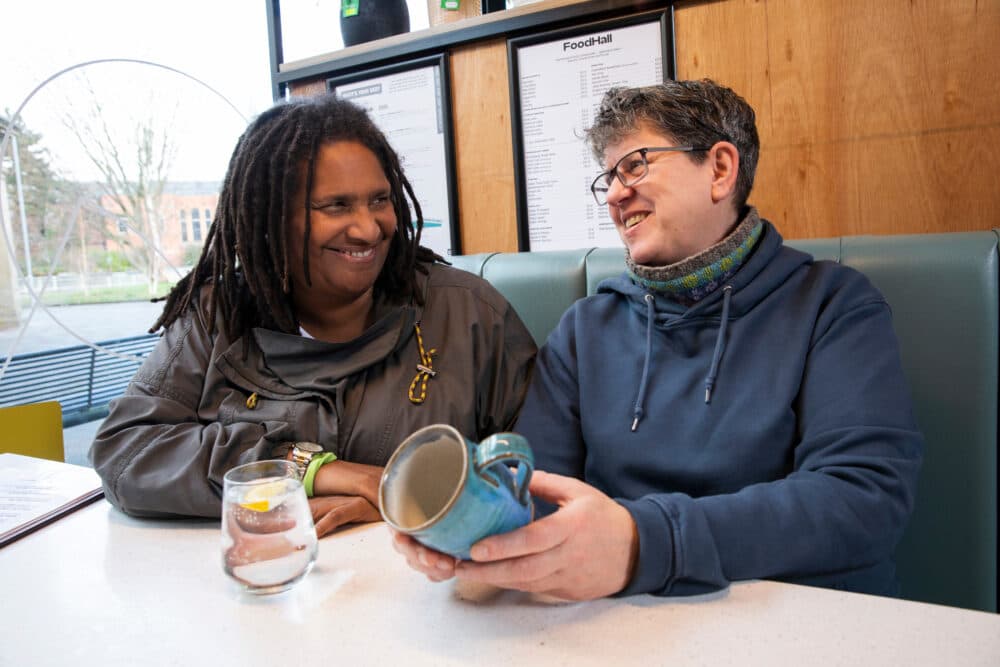
Loneliness and low mood can affect wellbeing, particularly for older adults who spend long periods at home. A familiar Care Professional can offer conversation and continuity, as well as encouragement to keep routines steady. Once a client starts receiving basic care they then tend to become a bit more positive about what they can do within the community. There are various support groups, clubs and cafes within the Hamilton, Bothwell and Motherwell and surrounding areas that clients can visit with their Care Professional.
Consistency that builds confidence
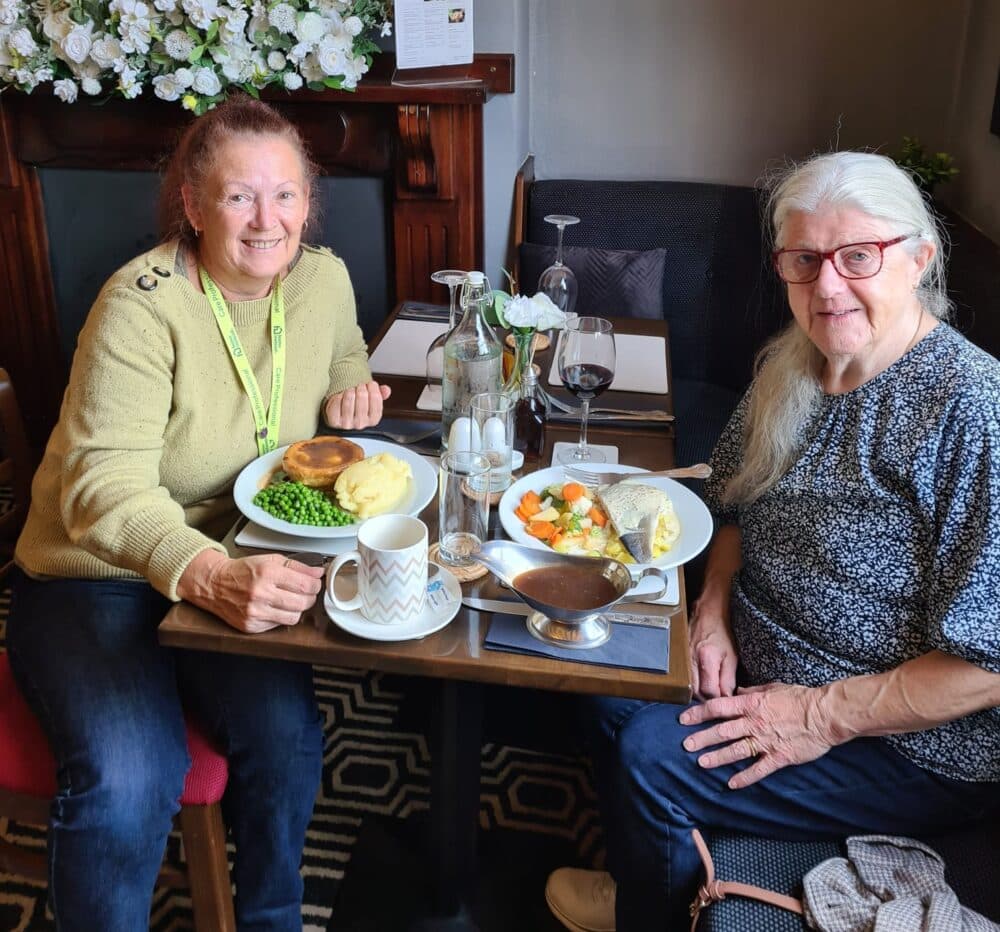
Many people feel more comfortable when they know what to expect. Regular care visits can create a calm structure and reduce last-minute problem-solving for family members. The Care Professionals get to know the clients and start to understand what they may like to do during the visits. This may be a walk around Strathclyde Park in Motherwell or going for a coffee and home baking at the Charterhouse Cafe in Bothwell Parish Church, in Bothwell.
Support that keeps independence at the centre
The aim is not to replace what someone can do, but to help them do it safely and comfortably. Care can be planned around the person’s preferences, with a focus on dignity and choice.
Having the conversation without upsetting anyone
It can help to introduce the idea of care gently, as a form of support rather than a loss of independence. You might say:
- “I want things to feel easier for both of us.”
- “It would help me to know you have a bit more support at home.”
- “We can start small and see how it feels.”
If your loved one is hesitant, it may help to focus on the benefits they value most, such as staying at home, maintaining routines, and having more energy for the parts of life they enjoy. It is usually better to start with a small care support package and gradually build it up as they become more comfortable with the support. There are lots of activity groups, lunch clubs and parks across Strathaven, Cambuslang and Blantyre area.
Your Local Home Instead Team
If you are supporting a loved one and you are starting to feel stretched, your local Home Instead team can help you explore private care at home in a calm, practical way. They can talk through what support might look like, and how it can fit around your family’s needs while keeping the person at the centre of decisions.
Home Instead office name:
Home Instead Hamilton
Office phone number:
01698 532002
Office website URL:
https://www.homeinstead.co.uk/south-lanarkshire-hamilton
Google Business Profile link:
https://maps.app.goo.gl/rCSsiPnUuSmb2Jq59
Areas covered (towns/villages/communities):
Uddingston, Hamilton, Motherwell, Strathaven, Bothwell, Rutherglen, Cambuslang, Blantyre, Burnside, Wishaw
Postcodes served:
G71 5, G71 6, ML2 7, ML4 3, ML1 3, ML1 2, ML2 0, ML4 1, ML4 2, G72 6, G73 5, G71 8, G72 9, G73 4, G71 7, ML1 1, ML1 4, G72 0, ML2 8, ML1 5, G72 8, G72 7, G73 6, G75 9, G75 0, ML3 6, ML3 7, ML3 8, ML3 9, ML3 0, ML9 1, ML9 2, ML9 3, ML10 6
Ratings and compliance
Homecare.co.uk rating:
9.9 out of 10
Profile link:
https://www.homecare.co.uk/homecare/agency.cfm/id/65432245715

A simple next step
If you recognise some of these early signs, it may help to explore the private home care landing page and speak with the Home Instead Hamilton office. A friendly conversation can clarify what support could look like at home, and help you find a level of care that feels sustainable for your family.

Areas We Serve
Hamilton, Uddingston, Motherwell, Bothwell, Strathaven, Bellshill, Rutherglen, Cambuslang
G71 5, G71 6, ML2 7, ML4 3, ML1 3, ML1 2, ML2 0, ML4 1, ML4 2, G72 6, G73 5, G71 8, G72 9, G73 4, G71 7, ML1 1, ML1 4, G72 0, ML2 8, ML1 5, G72 8, G72 7
Unit 2 Brandon House Business Centre, 23-25 Brandon St, Hamilton ML3 6DA