Protecting Identity as Care Needs Increase
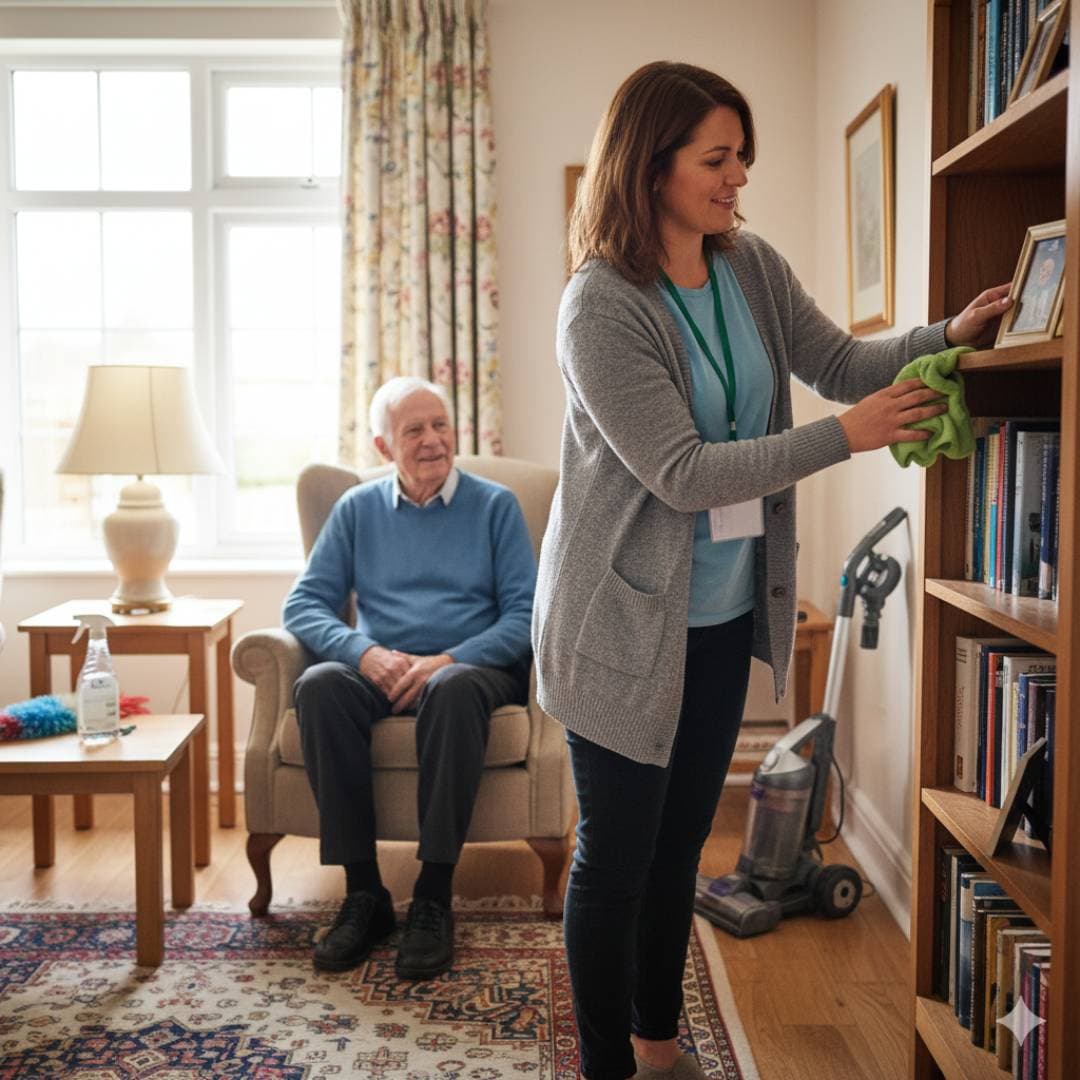
When someone starts to need more support at home, it can bring a mix of feelings for the whole family. Alongside practical questions about routines and safety, there is often a quieter concern: how do we make sure life still feels like theirs?
Protecting identity as care needs increase is about more than keeping familiar surroundings. It is about supporting the person’s choices, preferences, relationships, and sense of purpose, even as day to day help becomes more necessary. In Bothwell and nearby communities, many families find that private care at home works best when it supports independence in a respectful way, without taking over.
What We Mean By “Identity” in Later Life
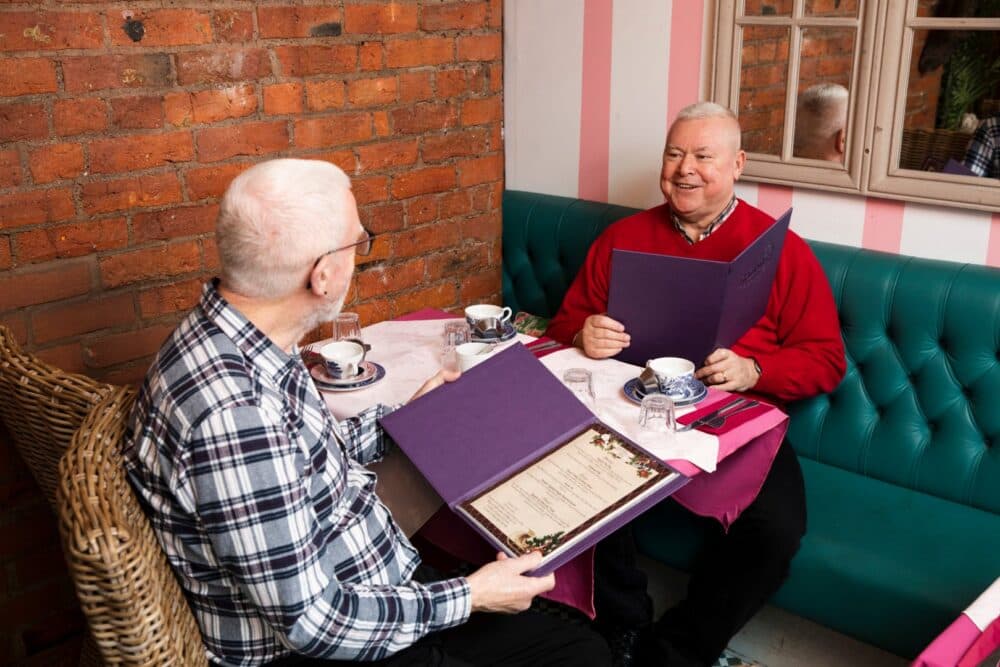
A person’s identity is shaped by their habits, values, interests, and the small routines that make life feel normal. It is their favourite cup, their preferred radio station in the morning, the way they like the bed made, and the people they feel most themselves with. It is also their dignity, privacy, and the right to make choices, even if those choices are small.
When care needs change, it can be easy for life to become centred on tasks. Gentle, person-led care helps make sure the person is still seen first, not just supported.
Why Identity Can Feel Harder to Hold Onto When Care Increases
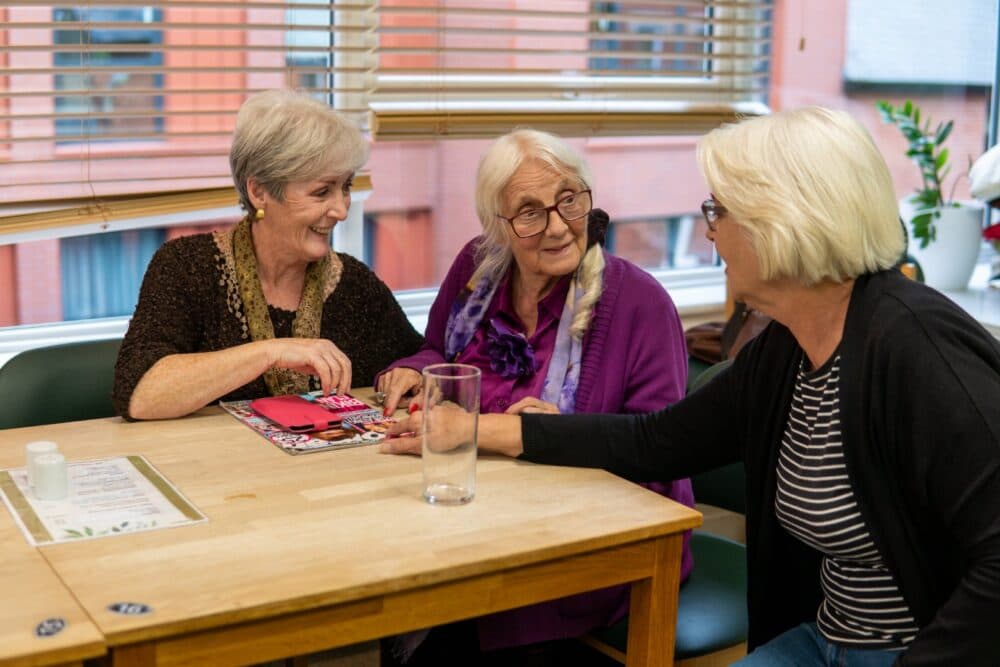
As care becomes more regular, there can be more people involved, more appointments, and more structure to the day. Families may also feel pressure to do things quickly, especially when balancing work, children, and other responsibilities.
Over time, this can lead to changes such as:
- Less say over daily routines and meal choices
- Fewer opportunities to do familiar tasks, even simple ones
- Reduced social contact if outings feel harder to organise
- A feeling that life is happening around them, rather than with them
None of this is anyone’s fault. It is often a natural result of trying to manage a lot at once. The good news is that there are practical ways to keep care personal and protect what matters most.
Keep Choice at The Centre of Care
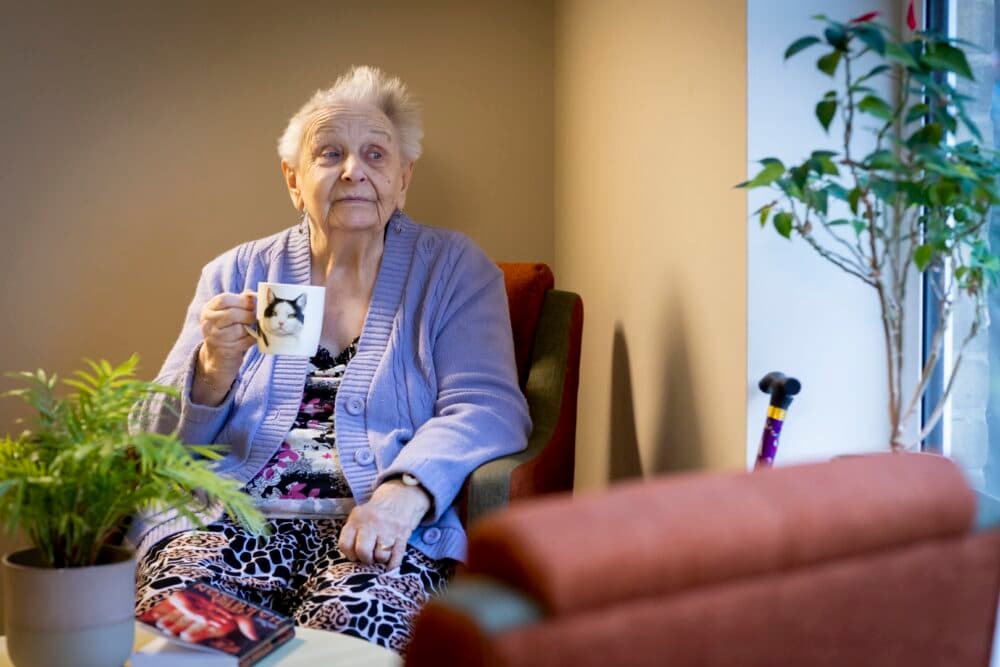
Choice supports confidence. Even when someone needs help with personal care, medication prompts, or mobility, they can still be involved in decisions.
Where possible, offer simple options:
- “Would you like a shower now or after breakfast?”
- “Tea or coffee today?”
- “Would you prefer to get dressed first, or have a wash and then choose clothes?”
- “Shall we sit in the kitchen or the living room?”
These moments may seem small, but they can help someone feel respected and in control.
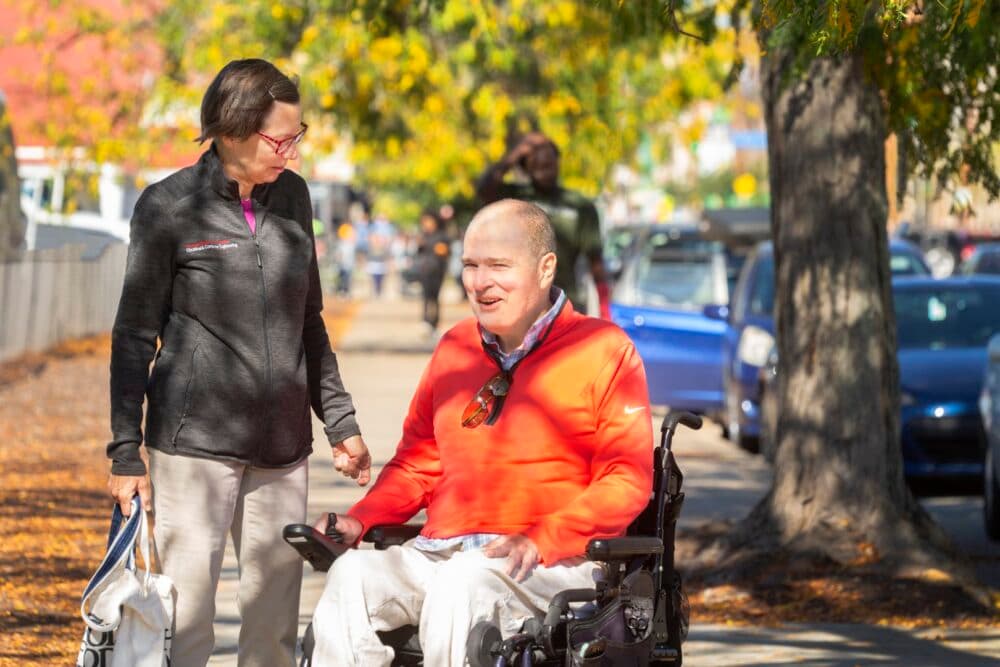
Protect Routines That Matter
Routines can be deeply comforting. They help someone feel grounded, especially if they are adapting to changes in health or energy levels.
It can help to share details such as:
- Usual waking and bedtime patterns
- Favourite foods, meal times, and snacks
- Religious or cultural routines, where relevant
- Preferred TV programmes, music, or hobbies
- The pace they like the day to move at
Private care at home can work well when it fits around the person, rather than asking the person to fit around care.
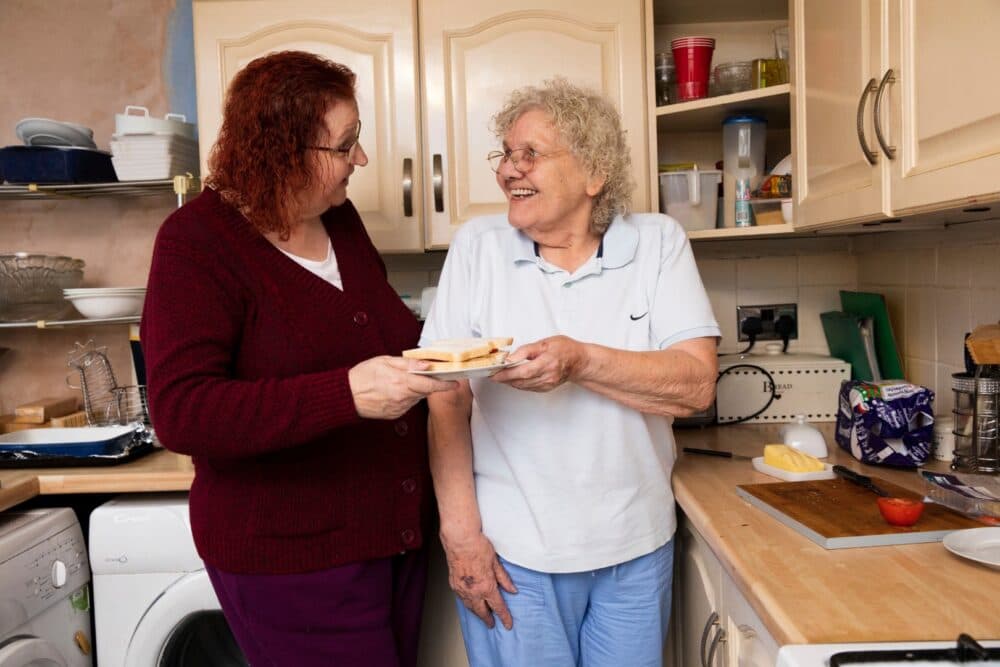
Support Independence in Safe, Realistic Ways
Independence does not have to mean doing everything alone. It can mean being involved in everyday tasks with the right level of support.
Examples include:
- Helping to prepare lunch together, even if it is just buttering toast or stirring soup
- Folding laundry while seated
- Watering plants, feeding a pet, or setting the table
- Choosing clothing and organising personal items
- Short, gentle walks or movement around the home
The focus is on “doing with”, not “doing for”, whenever that feels comfortable.
Keep Relationships and Community Connections Going
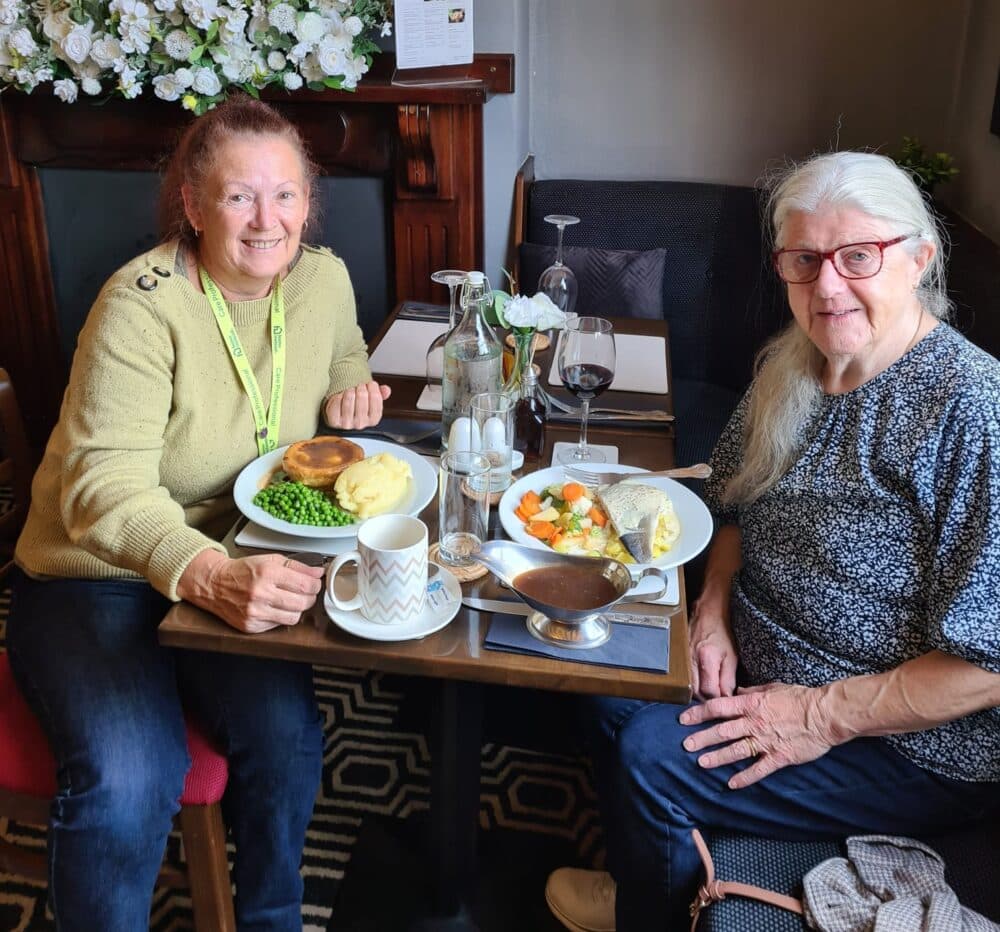
Identity is often closely tied to relationships. If someone has always been social, connected to neighbours, or involved in local routines, it can help to keep those links going in a way that feels manageable.
In and around Bothwell, that might mean:
- A short visit with a friend at home
- A gentle stroll, if appropriate, or sitting outside for fresh air
- Regular phone calls with family members at a set time
- Help to attend local appointments or familiar places, when it feels right
Companionship is not an extra. For many people, it is a core part of feeling like themselves.
Share a Simple “This Is Me” Style Profile
Families often find it helpful to create a one-page summary of what matters to their loved one. This can be shared with Care Professionals so care feels consistent and personal from the beginning.
You might include:
- Preferred name and how they like to be spoken to
- Typical daily routine and favourite foods
- What helps them feel calm and comfortable
- Hobbies, interests, and conversation topics they enjoy
- Things they would rather avoid, such as loud noise or being rushed
- Important family contacts and any key dates
This does not need to be formal. A few thoughtful notes can be enough to guide care in a respectful direction.
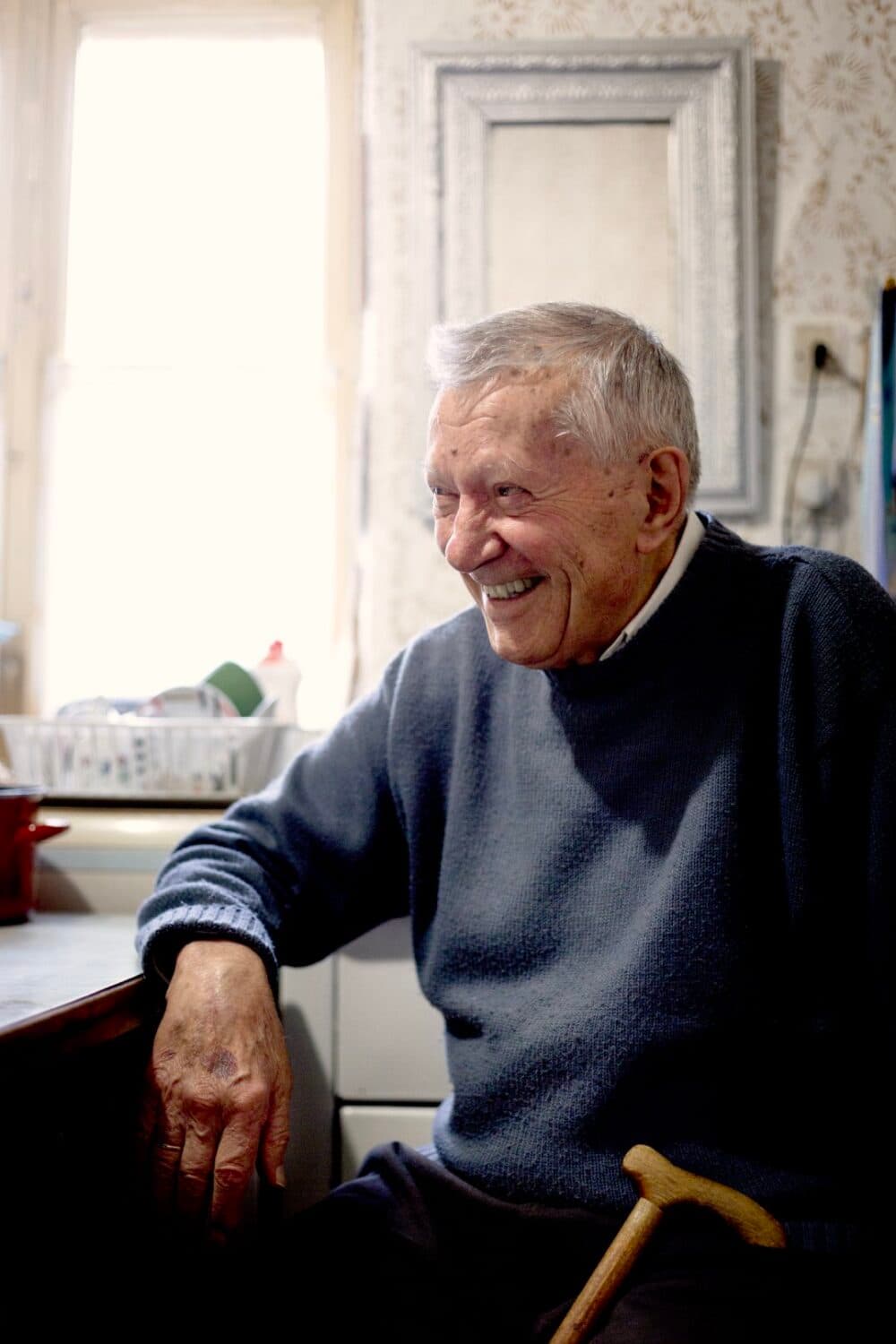
How Home Instead Supports Person-Centred Care at Home
Home Instead provides private care at home with a focus on dignity, respect, and personalised routines. Care can include practical support such as personal care, meal preparation, medication prompts, and help around the home, alongside companionship and encouragement.
For many families, what matters most is knowing that support can be shaped around the person’s preferences, and adjusted as needs change. A steady care routine can help someone feel comfortable at home, while also helping family carers feel more supported and less stretched.

Your Local Home Instead Team
If you would like to talk through private care at home in Bothwell and how it can support a person’s identity and routines, your local team can listen and guide you through the next steps.
Home Instead office name:
Home Instead Hamilton
Office phone number:
01698 532002
Office website URL:
https://www.homeinstead.co.uk/south-lanarkshire-hamilton
Google Business Profile link:
https://maps.app.goo.gl/rCSsiPnUuSmb2Jq59
Areas covered (towns/villages/communities):
Uddingston, Hamilton, Motherwell, Strathaven, Bothwell, Rutherglen, Cambuslang, Blantyre, Burnside, Wishaw, Bellshill, Larkhall, East Kilbride
Postcodes served:
G71 5, G71 6, G71 7, G71 8, ML4 1, ML4 2, ML4 3, ML1 1, ML1 2, ML1 3, ML1 4, ML1 5, ML2 7, ML2 8, ML2 0, G72 6, G72 7, G72 8, G72 9, G72 0, G73 4, G73 5, G73 6, ML3 6, ML3 7, ML3 8, ML3 9, ML3 10, ML9 1, ML9 2, ML9 3, ML10 6, G75 9, G75 0

Ratings and compliance
Homecare.co.uk rating:
9.9 out of 10
Profile link:
https://www.homecare.co.uk/homecare/agency.cfm/id/65432245715
A short next step
If you are exploring private care at home in Bothwell, a conversation can help you understand how support can be shaped around routines, preferences, and what makes your loved one feel most like themselves. You can explore the Private Care at Home Bothwell landing page and contact your local Home Instead office to discuss care that feels personal, calm, and reassuring.
How can we help?
We've helped thousands of families to stay safe, comfortable and happy at home. Whatever situation you're facing, or whatever the question is, Home Instead is here to help.
Are you in need of a little guidance right away?
Other non-care-related enquiries