Is a care home cheaper than a nursing home?
Compare care home, nursing home, and live‑in care costs to find the most suitable long‑term option.

Have You Considered the Full Cost of Long-Term Care Options?
Choosing the right care option for yourself or a loved one is a significant decision—one that involves financial planning, quality of life considerations, and long-term well-being. Many people assume that a care home is more affordable than other options, but is that really the case? Understanding the cost differences between care homes, nursing homes, and live-in care can help you make an informed choice that suits both personal and financial needs.

Understanding the Costs: Care Homes, Nursing Homes, and Live-In Care
The cost of care depends on several factors, including the level of support required, location, and whether specialist care is needed. While nursing homes tend to be more expensive due to the medical support provided, live-in care can offer a more personalised and cost-effective alternative, particularly for couples.
Average Costs of Residential and Nursing Care Homes
The cost of care varies depending on location and services provided. On average:
- Residential care homes cost around £1,387 per week (£72,000 per year).
- Nursing homes, which provide medical care, cost approximately £1,545 per week (£80,000 per year).
- Specialist dementia care or luxury care homes with additional facilities often exceed these figures.
The Cost of Live-In Care
Live-in care provides full-time, one-to-one assistance at home, with costs ranging between £40,000 and £55,000 per year. While this is often more affordable than a nursing home, prices can vary based on location and the level of support required. For couples, live-in care can be particularly cost-effective, as only one carer is needed rather than paying for two separate care home placements.

What Factors Influence the Cost of Care?
Several key factors determine the cost of care, whether in a residential setting or at home:
1. Level of Care Required
The type of care needed directly affects the cost:
- Personal care – Support with daily tasks such as dressing, bathing, and mobility.
- Nursing care – Ongoing medical support from a registered nurse.
- Dementia care – More intensive support for cognitive impairments.
2. Location
Care costs vary significantly by region. For example, fees in London and the South East can exceed £100,000 per year, while areas such as Scotland and the North of England tend to have lower costs.
3. Property and Assets
One financial advantage of live-in care is that your home is excluded from means-tested assessments. In contrast, those moving into a nursing home may need to sell their property to cover costs.
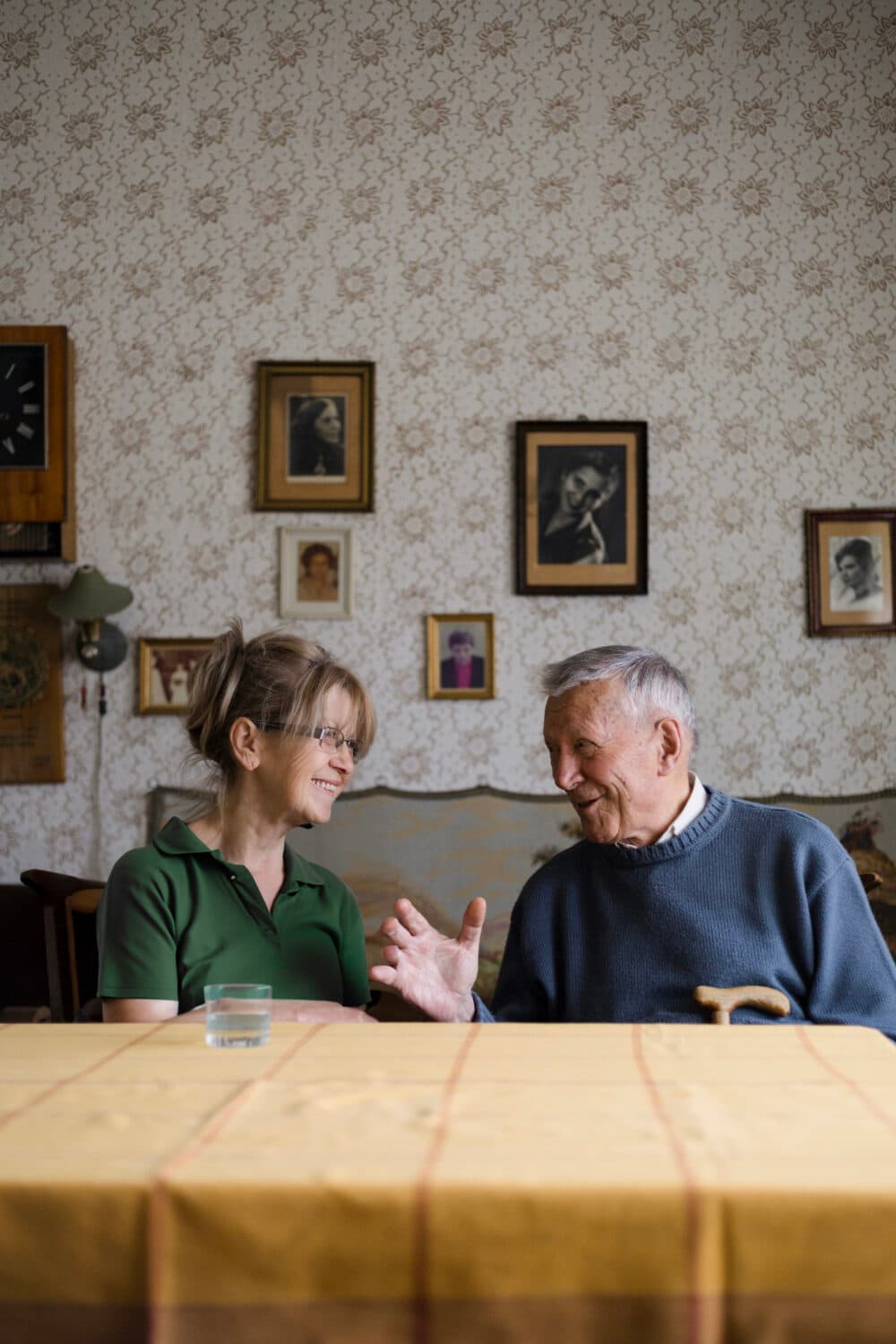
Who Pays for Care? Understanding Funding Options
The cost of care can be a major concern, but there are financial support options available.
Means-Tested Local Authority Support
Local authorities assess assets to determine eligibility for financial support:
- Over £23,250 – Full self-funding required.
- Between £14,250 and £23,250 – Partial financial support may be available.
- Below £14,250 – The local authority covers care costs.
From October 2025, new financial thresholds will apply:
- Upper limit: £100,000 – More people will qualify for financial support.
- Lower limit: £20,000 – Those below this threshold will not need to contribute savings or property towards care.
The £86,000 Care Cost Cap
A lifetime cap on personal care costs of £86,000 will also come into effect in October 2025. Once this amount is reached, the government will cover future personal care expenses, though this does not include accommodation, meals, or general living costs in a care home.

The Benefits of Live-In Care Compared to a Nursing Home
While care homes provide essential support, live-in care offers several advantages:
1. Staying in Familiar Surroundings
Remaining at home can have significant emotional and mental health benefits, particularly for those with dementia. Familiarity with surroundings, routines, and the presence of pets or family members can improve overall well-being.
2. One-to-One Personalised Care
Unlike care homes where staff must divide their attention between multiple residents, live-in care ensures dedicated, personalised support tailored to individual needs.
3. More Cost-Effective for Couples
For couples, live-in care can be far more affordable than paying for two separate care home placements. A single live-in carer can provide assistance to both individuals while allowing them to remain together in their own home.
4. Greater Independence and Flexibility
Care homes often follow a structured routine, whereas live-in care allows individuals to maintain control over their daily schedules, ensuring support is provided when needed rather than following a fixed timetable.
5. Avoiding the Need to Sell Property
Since property is not included in financial assessments for live-in care, individuals can continue living in their own home without the need to sell to fund care costs.

Comparing Care Home Costs by Region
The cost of care homes varies widely across the UK:
| Region | Residential Care (£/week) | Nursing Care (£/week) |
| East Midlands | 1,417 | 1,623 |
| East of England | 1,413 | 1,614 |
| London | 1,401 | 1,601 |
| North East England | 1,398 | 1,594 |
| North West England | 1,397 | 1,600 |
| South East England | 1,396 | 1,593 |
| South West England | 1,419 | 1,618 |
| West Midlands | 1,419 | 1,619 |
| Yorkshire & Humber | 1,419 | 1,614 |
| Scotland | 1,386 | 1,553 |
| Wales | 1,435 | 1,644 |
| UK Average | 1,387 | 1,545 |

Making an Informed Decision: Which Option Is Best?
| Care Option | Average Cost (£/week) |
|---|---|
| Residential Care | 1,387 |
| Nursing Home | 1,545 |
| Live-in Care | 900–2,000 |
For those who require round-the-clock assistance but wish to remain at home, live-in care can be a cost-effective and compassionate solution. It offers personalised, one-to-one care without the need to uproot and move into a residential setting.

Final Thoughts
Choosing between a care home, nursing home, or live-in care requires careful financial planning and consideration of personal preferences. While nursing homes provide essential medical support, live-in care often allows individuals to maintain their independence while receiving personalised care at a lower overall cost.
If you are considering home care for yourself or a loved one, Home Instead Hamilton offers professional, compassionate support tailored to individual needs. Contact our team today to learn more about how we can help you find the best care solution.
Need more guidance? Speak with our expert team at Home Instead Hamilton for tailored advice on the best care solution for you or your loved one.

Areas We Serve
Hamilton, Uddingston, Motherwell, Bothwell, Strathaven, Bellshill, Rutherglen, Cambuslang
G71 5, G71 6, ML2 7, ML4 3, ML1 3, ML1 2, ML2 0, ML4 1, ML4 2, G72 6, G73 5, G71 8, G72 9, G73 4, G71 7, ML1 1, ML1 4, G72 0, ML2 8, ML1 5, G72 8, G72 7
Unit 2 Brandon House Business Centre, 23-25 Brandon St, Hamilton ML3 6DA