How does live in care work?

If someone you love wants to remain in their own home, but daily life is starting to feel harder, what comes next? For many families in Hamilton and across South Lanarkshire, that question arrives after a fall, a hospital stay, a change in memory, or simply months of trying to cope without enough help.
Live-in care can be one answer. It is often misunderstood, though. People hear “live-in” and imagine round-the-clock work, or worry it will feel intrusive, or assume it is only for end-of-life situations. In reality, live-in care is usually about protecting familiar routines, reducing stress, and having support close by when it is needed, without leaving home.
This post explains how live-in care works in practice: what a live-in Care Professional does, what boundaries should be clear from the start, how breaks and nights are handled, what you provide in the home, and what costs and funding questions families commonly ask.

What live-in care is and why families choose it
Live-in care means a trained Care Professional lives in your home, much like a respectful housemate or lodger, and provides one-to-one support based on a personalised care plan. Instead of moving into residential care, the person receiving support stays in familiar surroundings and keeps the day-to-day patterns that make life feel normal.
Families often choose live-in care because:
- Home feels safe and familiar. This can matter a great deal after illness, surgery, or a loss of confidence.
- Routines stay in the person’s control. Meals, hobbies, bedtimes, and visits from friends do not need to fit a care home timetable.
- Support is close by. Help is available across the day, rather than limited to short care visits.
- It can work well for couples. Many couples want to stay together at home even if one partner needs more support.
- It can provide respite. If a family carer is exhausted, live-in care can offer a planned break while keeping consistent support in place.
At its best, live-in care supports ordinary life. It is not about “taking over” the home. It is about steady help, dignity, and reassurance for the whole family.

What a live-in Care Professional does day to day
Every live-in arrangement should start with a clear care plan. Some people mainly need companionship and help around the home. Others need personal care, mobility support, or help linked to a health condition. The right level of support depends on needs, wishes, and risks, not on assumptions.
Common day-to-day support can include:
- Help getting up in the morning and settling safely at night
- Dressing and undressing
- Washing, bathing, showering, and personal care
- Continence support
- Medication reminders and, where trained and authorised, medication administration
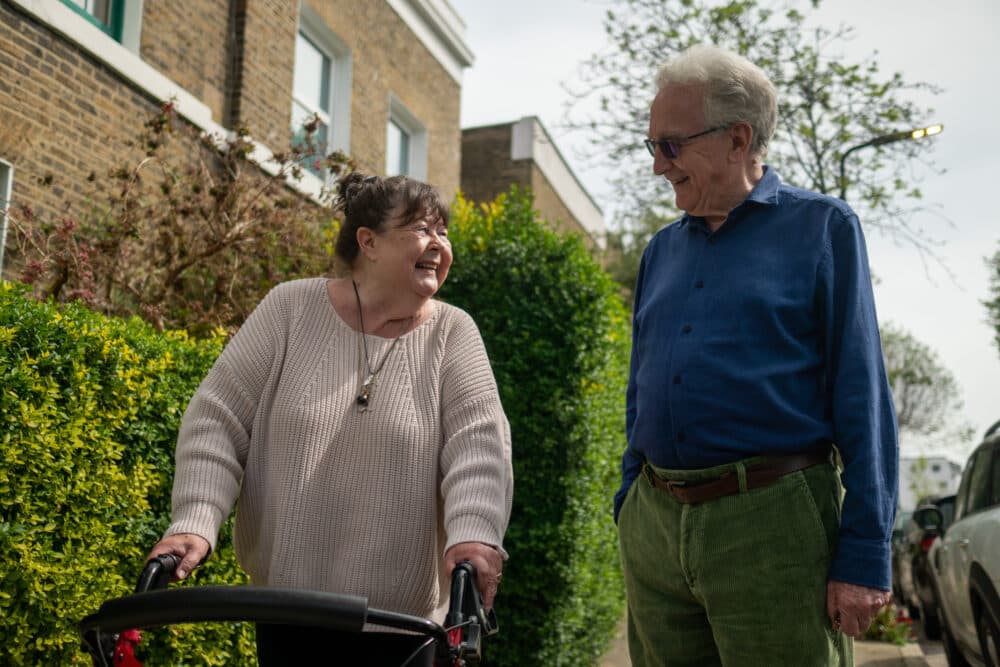
- Support with mobility around the home and when going out
- Emotional support and companionship
- Hair and nail care, where appropriate
- Monitoring tasks linked to agreed conditions (for example blood pressure checks) where set out in the plan
- Shopping and running local errands
- Meal planning and cooking that fits dietary needs and preferences
- Light domestic tasks linked to wellbeing, such as laundry and keeping key rooms tidy and safe
- Pet care, only when agreed in advance
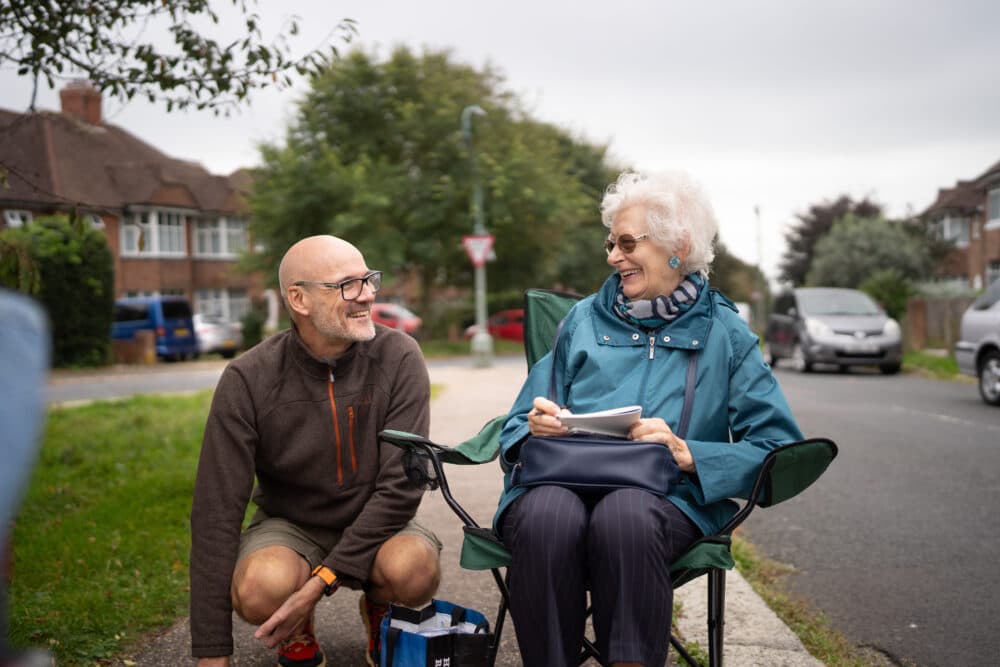
A helpful way to picture live-in care is this: the Care Professional supports the person to live their usual life at home, with practical help where it is needed. There is time for a slower morning if that suits the person. There is space for conversation, not just tasks. Outings can be planned around energy levels, pain levels, and confidence, rather than squeezed into a short visit.
Housework: what is usually included, and what is not
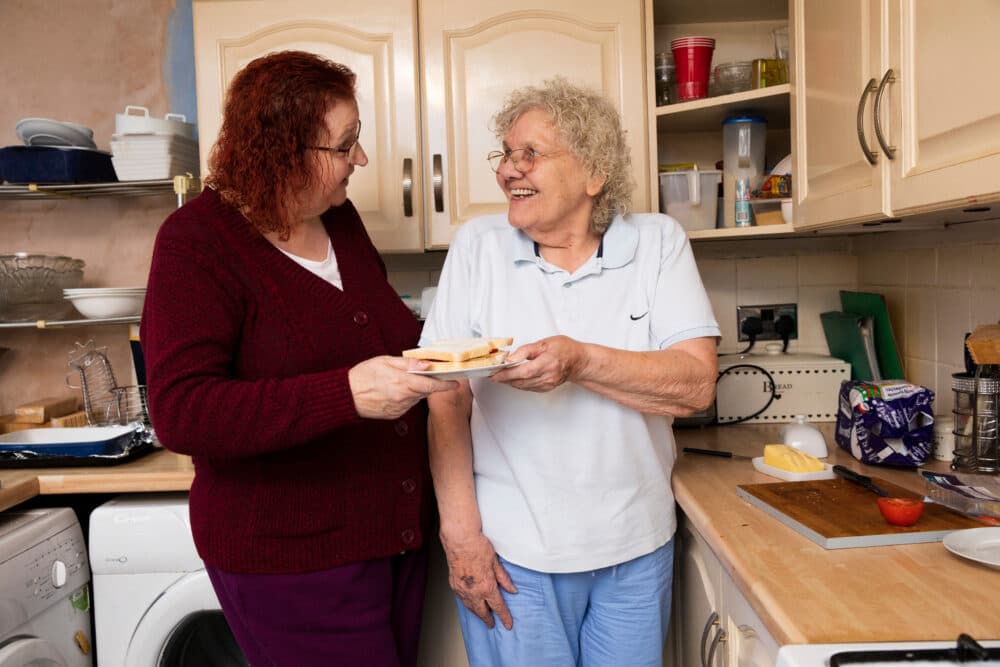
Live-in care often includes light household tasks that directly support the person receiving care. That typically covers:
- Washing up after meals
- Laundry
- Changing bedding
- Keeping the kitchen and living areas clean and safe
- Tidying key spaces used daily
What it usually does not include is heavy domestic work that is not connected to the client’s wellbeing, such as deep cleaning, extensive chores for other household members, DIY, gardening, or tasks involving unsafe lifting. Clear expectations protect everyone. They stop a Care Professional being placed under pressure to do unsafe work, and they stop families being left disappointed because something was assumed but never agreed.

Hours, downtime, and why “live-in” does not mean working 24/7
One of the biggest misunderstandings is the idea that a live-in Care Professional works constantly just because they are in the home. That is not safe, and it is not fair.
A common working pattern in live-in care looks like this:
- The Care Professional is based in the home across the week, often around six to seven days at a time
- Daily support time is commonly around 8 to 10 hours, spread across the day to match routines
- Breaks are planned into the day
- Overnight, the Care Professional is usually expected to rest, unless extra night support has been arranged
Rest is not a luxury. It is part of safe care. When a Care Professional has protected downtime, they can offer calm, patient support, and routines are less likely to feel rushed or strained.

Night-time support: when extra cover may be needed
Night-time needs are often the deciding factor in whether a standard live-in arrangement will work well.
Families are often asked:
- Does the person usually sleep through the night?
- Do they wake up, and if so, how often?
- When they wake, what support is needed?
Occasional disturbed nights happen in any home. The key issue is the pattern. If someone wakes regularly and needs active help several times a night, extra cover may be needed so the live-in Care Professional can rest properly.
Different services use different descriptions, but night support is often arranged as either:
- Sleep-in support, where the Care Professional rests but may help if needed occasionally
- Waking night support, where a separate worker is on duty through the night if regular help is required
Being honest about night-time needs from the start prevents problems later. It also helps families plan the right level of support rather than hoping it will settle on its own.

Breaks: the part families often overlook
Breaks sound simple on paper, yet the practical question is always: what happens to the person receiving care during that break?
Common options include:
- The person is safe being alone for a short period
- A visiting Care Professional provides cover at set times
- A family member provides cover, where that is realistic
- An agreed partner provider supplies cover
This should be agreed early and written into the care plan. When break cover is vague, tension can creep in quickly. When it is planned clearly, the home feels calmer for everyone.
Specialist live-in care and nurse-led support
Some people need support that goes beyond standard daily living care. In those cases, specialist live-in care may be appropriate, sometimes involving more clinically experienced staff, including nurses, depending on what tasks are required and what oversight is in place.
Specialist support may include:
- Neurological care
- Spinal injury support
- Brain injury support
- Palliative and end-of-life care
- Support after discharge from hospital (often called “home from hospital” support)
If clinical procedures are needed at home, it must be clear who will do them, what training is in place, and who provides clinical oversight. Nothing should be left to chance or verbal agreement alone.

What you need to provide in the home
A live-in Care Professional needs a safe and private space to rest. This is part of making the arrangement workable and respectful.
Most arrangements expect:
- A private bedroom for the Care Professional
- A comfortable bed and basic furnishings (such as drawers)
- Access to WiFi, and ideally a TV
- A lockable room if possible, so personal belongings can be stored safely
This is not about luxury. It is about privacy, dignity, and rest, which support consistent, safe care.

Clear boundaries: what live-in Care Professionals should not be asked to do
Good live-in care relies on boundaries. These protect the client and the Care Professional.
Common boundaries include:
- No medical procedures unless trained and authorised
- No banking or financial management on the client’s behalf
- No childcare
- No heavy lifting, DIY, or deep cleaning
- No working without proper rest and downtime
- Pet care only when agreed in advance
A written care plan and risk assessment should spell out what is included and what is not. That way, the client’s needs are met properly, and the Care Professional is not pushed into unsafe or inappropriate tasks.
Safeguarding and oversight: checks that should never be skipped
Because live-in care involves someone working inside a private home, safeguarding matters.
Two checks should be treated as non-negotiable:
- The Care Professional has an up-to-date DBS check
- The provider is registered with the relevant care regulator
Ongoing oversight matters too. Strong care services usually include regular reviews, supervision, ongoing training, clear routes for feedback, and access to support when needs change. This is especially important if a person’s health fluctuates or if the family lives a little distance away.

Costs and funding: what families usually want to know
Costs vary based on needs, location, and complexity, including whether specialist input is required and what night-time support looks like.
Typical weekly figures families often hear include:
- Around £900 to £1,400 per week for many live-in care packages, with some rising to around £2,000 per week
- Other common ranges include £1,100 to £1,800 per week for individuals, £1,250 to £1,950 per week for couples, and higher costs (sometimes up to around £3,000 per week) where intensive 24-hour support is required
For comparison, visiting care is often priced hourly at roughly £20 to £30 per hour, with higher rates at weekends in some cases.
Funding questions can feel daunting, especially when families are already tired. Support depends on circumstances, including savings, assets, and income.
You may hear about:
- A local council financial assessment, which may lead to contributions towards care costs depending on means
- NHS Continuing Healthcare for people with complex health needs who meet eligibility criteria
- Financial thresholds often referenced in England (over £23,250, £14,250 to £23,250, and under £14,250), though rules and processes vary across the UK and by individual situation
For families in Hamilton and South Lanarkshire, it is usually helpful to discuss costs clearly with a provider and, where relevant, speak with the local authority or NHS team about assessments and eligibility.
Matching: the steps that help live-in care feel natural at home
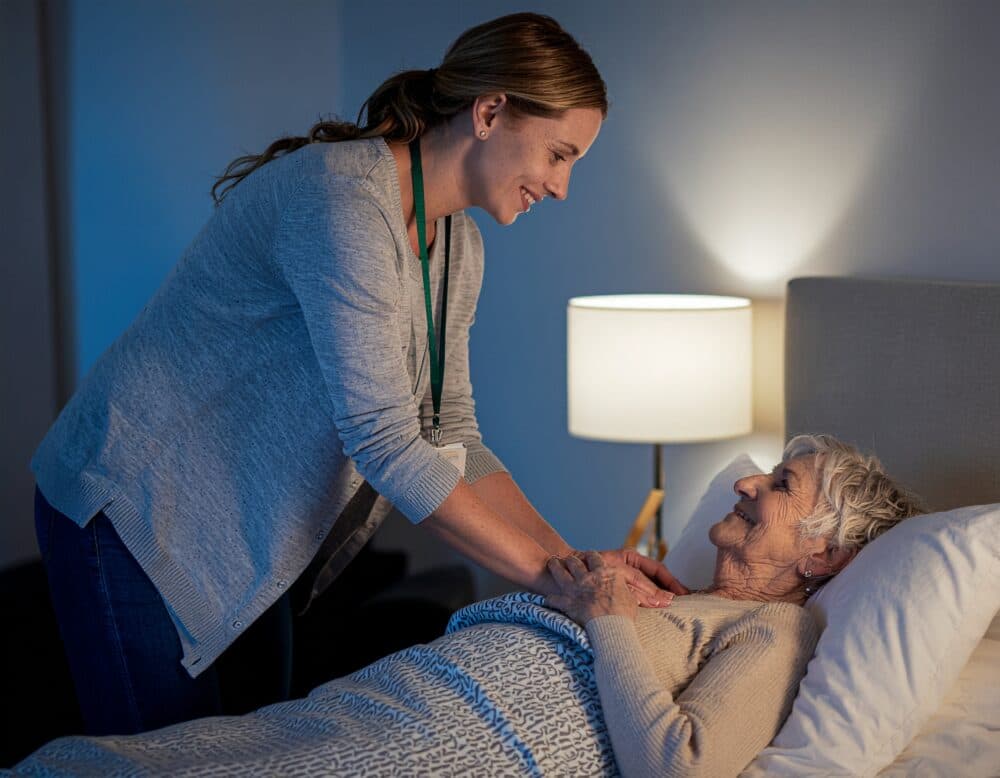
Because live-in care involves sharing a home day after day, matching is about more than skills and experience. It is also about communication style, respect for privacy, and how comfortable the person feels with someone in their space.
A useful planning checklist includes:
- Daily routines and preferences
- Health needs and risks
- Tasks that must be included
- Tasks that must not be included
- Night-time patterns
- How updates will be shared with family
- Who the main day-to-day contact is
- What happens during breaks
Stable arrangements are more likely when expectations are written down, night needs are discussed honestly, and the provider remains involved after the start date.

A calm summary: when live-in care works best
Live-in care works best when duties are clear, rest is protected, the home setup supports privacy, and ongoing oversight is in place. When those pieces are right, live-in care can help someone remain at home with dignity and reassurance, while family members know support is organised properly, not improvised under pressure.
If you are exploring live-in care in Hamilton, it often helps to talk through routines, night-time needs, and the home setup early, so the plan fits real life in a sustainable way.

Areas We Serve
Hamilton, Uddingston, Motherwell, Bothwell, Strathaven, Bellshill, Rutherglen, Cambuslang
G71 5, G71 6, ML2 7, ML4 3, ML1 3, ML1 2, ML2 0, ML4 1, ML4 2, G72 6, G73 5, G71 8, G72 9, G73 4, G71 7, ML1 1, ML1 4, G72 0, ML2 8, ML1 5, G72 8, G72 7
Unit 2 Brandon House Business Centre, 23-25 Brandon St, Hamilton ML3 6DA