Home Care vs Personal Assistants: What Families Should Know

If you are looking into care at home for an older relative this May, you may already have noticed two very different options on offer. There are regulated home care providers like Home Instead Hamilton, and there is a growing number of individual personal assistants offering private care, often through introductory agencies, social media or community networks. The hourly rate can look very different, and so can what families are actually receiving for their money. What follows is what every family should know before choosing between the two.
Below is a straightforward look at how the two compare, and what the differences mean for the safety, consistency and quality of the care your loved one receives.
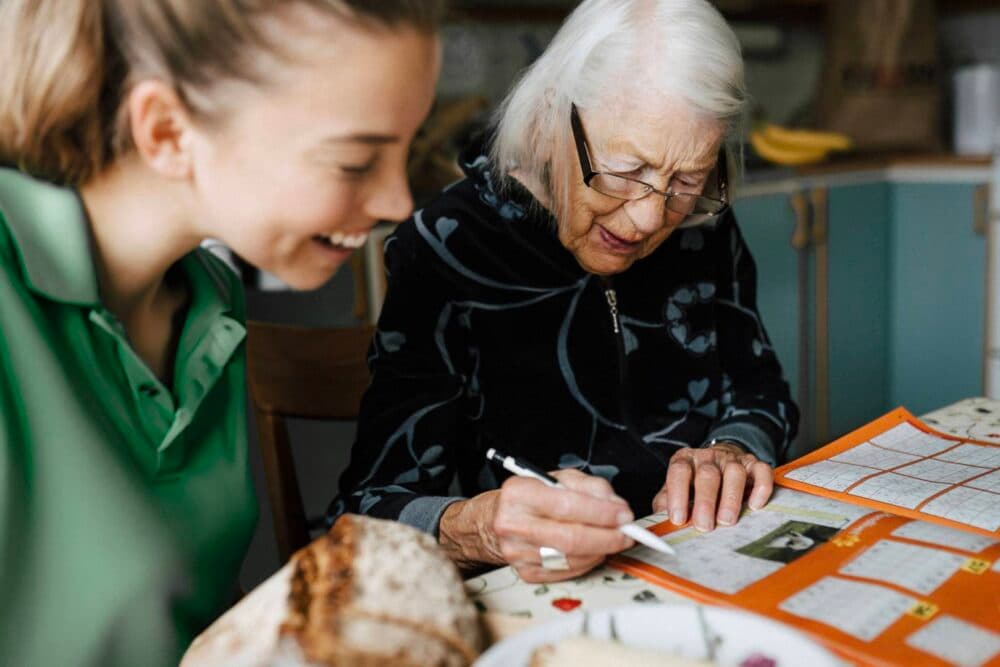
Who is a Personal Assistant?
A personal assistant, or PA, is someone who provides care or support directly to an individual, usually working independently or through an introductory agency. The role can cover companionship, help with personal care, medication prompts or household tasks, often at a lower hourly rate than a regulated provider.
One of the first issues families run into is availability. Many PAs work limited hours, often weekday daytimes only, and are reluctant to cover evenings, weekends or bank holidays. If care is needed outside of those hours, families may need to arrange multiple PAs, or pick up the gaps themselves.
Cover for sickness, holidays or short notice absences is another common challenge. If a PA is unwell or decides to leave, finding someone to step in becomes the family’s responsibility. For relatives already managing the emotional and day-to-day pressures of supporting an older parent, that is a significant added burden.
As care needs change over time, this becomes harder still. Many PAs are not in a position to adjust when needs grow more frequent or more complex, for example as a condition like dementia progresses. When that happens, families often find themselves starting again with a new carer, at exactly the point when continuity matters most.
There is also a less visible but important point about employment status. When a family hires a PA directly, even through an introductory agency, the legal position is often that the family becomes the employer. That brings responsibilities for tax, national insurance, holiday pay, insurance, sickness cover and employment law. HMRC has been clear that many people working as self-employed carers do not actually meet the legal requirements for self-employment, and where that is the case, the responsibility falls on the person receiving the care, not on any agency in the middle.

Are Personal Assistants Regulated?
In Scotland, care services are regulated by the Care Inspectorate. Personal assistants and the introductory agencies that connect them with families are generally exempt from registration with the Care Inspectorate. That means there is no mandatory training requirement, no routine inspection of the service, and no oversight body that will step in if standards fall short.
A regulated provider like Home Instead is registered with the Care Inspectorate and must meet detailed standards covering safety, dignity, staffing, complaints and the wellbeing of the people we support. We are inspected, our practices are scrutinised, and if something goes wrong, there is a formal route for raising concerns and a regulator with the authority to act.
With a personal assistant, that framework is not in place. Families have told us they value the reassurance that comes with knowing there is independent oversight of the care being delivered, particularly when the person being cared for is vulnerable.
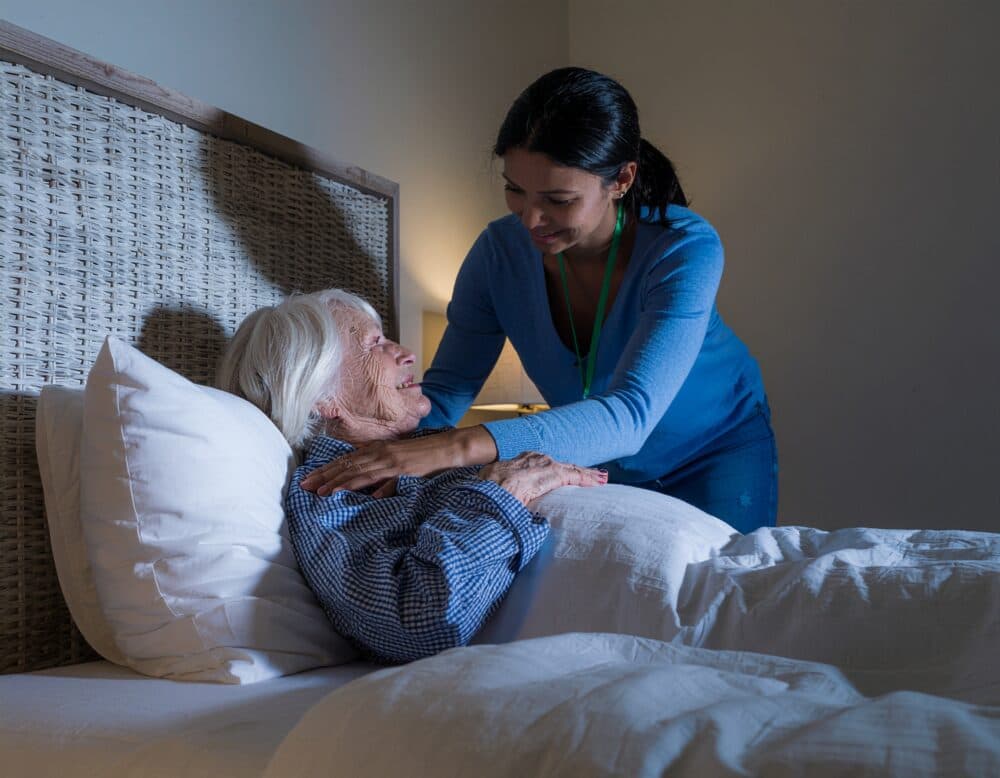
What About Training and Background Checks?
Introductory agencies will typically arrange a basic disclosure check on the PAs they put forward. Beyond that, there is no requirement for a PA to have any specific training, qualifications or ongoing supervision.
At Home Instead Hamilton, every Care Professional goes through a thorough recruitment process before they ever step through a client’s door. That includes a full career history review, reference checks, and an enhanced disclosure check through Disclosure Scotland. From there, they receive in-depth training covering personal care, medication support, dementia awareness, end-of-life care and many other areas relevant to supporting people at home. That training is ongoing, not a one-off exercise, and is backed up by regular supervision and team development.
Going Beyond the Job Description
One of the real differences families notice over time is how a regulated provider responds when something unexpected comes up. A trained team backed by a managed service has the resource, the structure and the flexibility to handle the situations that real life throws at people. We hold ourselves to a higher standard than simply turning up for an agreed visit and ticking a box.
That can take many forms. We carry out regular service reviews with families to make sure the care being delivered is the right care, and we adjust it as needs change. We do weekly spot checks to maintain quality. We have stepped in with helpful solutions when issues arise, from sorting out separate food arrangements where there has been a misunderstanding with a family, to arranging additional driving lessons for a Care Professional so that a family felt completely comfortable with them transporting their relative. On one occasion, when a Care Professional’s car broke down, we hired them a car so that the client could still be taken on the outings they looked forward to each week.
These are small things in isolation, but they add up to a service that flexes around the person being cared for and the family supporting them. That is the difference between a transactional arrangement and a service shaped around the person.
Live-in care is where this safety net matters most. A private live-in arrangement usually rests on one person, which raises an obvious question: what happens when they need a break or are unwell? In our service, live-in Care Professionals are given proper time off during the day, with our hourly daytime team stepping in to cover so the client is never left without support. It is better for the client and it keeps the live-in carer rested and able to do their best work. If a live-in Care Professional is ever off sick or has a personal commitment, we arrange backup cover straight away, so there is no day when the client is left on their own. That is something a single private carer simply cannot offer.
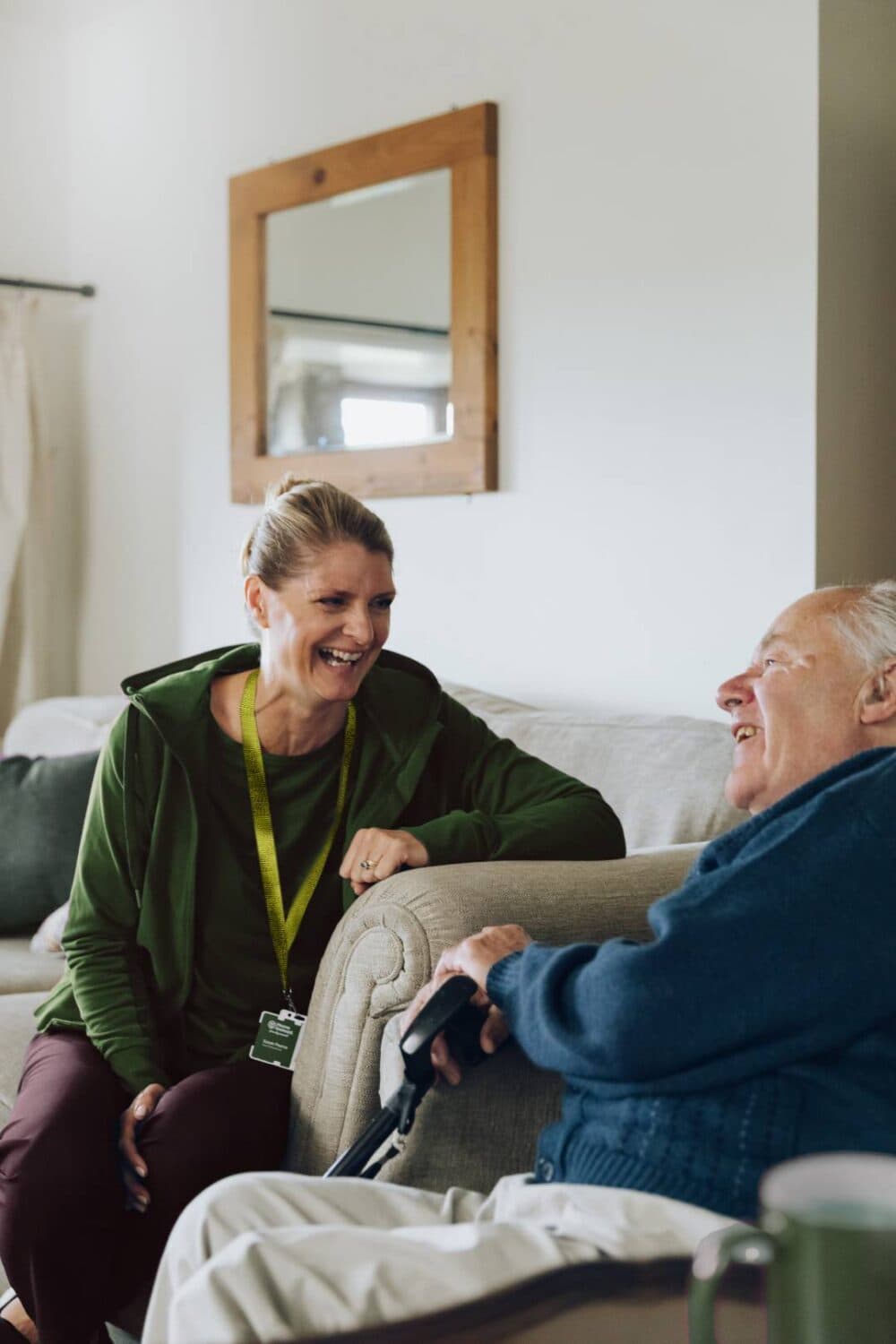
The Real Cost of Cheaper Care
Cost is understandably a major factor in care decisions, and regulated home care does cost more than engaging a PA privately. It is worth being clear about what that cost difference actually reflects.
A regulated provider directly employs its care workers. That means covering fair wages, the employer’s national insurance, pension contributions, holiday pay, sick pay, insurance, ongoing training, supervision and the operational infrastructure required to meet Care Inspectorate standards. When a PA operates at a lower hourly rate, those costs are either absent, which creates risk, or they are being passed back to the family as the employer does.
The peace of mind that comes from knowing a loved one is being looked after by a trained, supervised and properly employed professional is not an extra. It is what regulated care is. It is also what allows the service to adjust as needs grow, which often saves families considerable cost and disruption further down the line.
What Happens When Things Go Wrong?
With a regulated provider, there is a clear framework. Concerns can be raised formally with the organisation and escalated to the Care Inspectorate if they are not resolved. There are legal and regulatory protections in place that hold providers to account.
With an unregulated PA, those protections do not exist in the same way. There is no inspection history to draw on, no regulator with the power to investigate, and often no insurance cover in place that would apply in the event of an accident or incident. It is worth weighing carefully alongside cost when making a decision that will affect the safety of someone you love.
Home Instead Hamilton
Home Instead Hamilton is rated 9.9 out of 10 on Homecare.co.uk, based on reviews from the families we support across Hamilton, Bothwell, Uddingston, Motherwell, Strathaven, Rutherglen, Cambuslang, Blantyre and the surrounding communities.
We support families across South Lanarkshire and the surrounding area with a team of directly employed, trained and supervised Care Professionals. Every member of our team is employed by us, fully insured, and supported with regular training. You will never need to worry about finding cover, managing payroll or navigating employment law.
As needs change over time, we adjust our support accordingly. That continuity matters, particularly for families supporting a loved one through dementia, recovery from a hospital stay, or end-of-life care.
To find out more about how we can support your family, call us on 01698 532002 or visit www.homeinstead.co.uk/south-lanarkshire-hamilton.
Home Instead Hamilton | Willow House, Kestrel View, Strathclyde Business Park, Bellshill, ML4 3PB

How can we help?
We've helped thousands of families to stay safe, comfortable and happy at home. Whatever situation you're facing, or whatever the question is, Home Instead is here to help.
Are you in need of a little guidance right away?
Other non-care-related enquiries