Do live-in carers pay for their own food?
Do live-in carers pay for food? Learn how allowances and meal planning work for Hamilton families.

Arranging live-in care for someone you love can bring comfort, reassurance and practical support at a time when daily life may be becoming harder to manage alone. Yet, alongside the larger questions about personal care, medication, mobility and companionship, families often have smaller practical questions that matter just as much.
One of the most common is: do live-in carers pay for their own food?
It is a fair question. When a carer lives in the home, they need space to sleep, time to rest and access to normal household facilities. They also need to eat while they are on placement. For families arranging care in Hamilton, Blantyre, Bothwell, Uddingston, Larkhall or wider South Lanarkshire, it helps to understand how food arrangements usually work before live-in care begins.
The simple answer is that food arrangements should be agreed clearly as part of the care package. A live-in carer will usually have a food allowance while they are on placement, and they will need somewhere to store food in the home. The exact system can vary, but it should work fairly for both the person receiving care and the carer.

Why Food Arrangements Matter in Live-in Care
Live-in care is a very personal form of support. A carer is not simply visiting for an hour and then leaving. They are living in the home so they can provide steady help with daily routines, personal care, meals, medication prompts, companionship and general reassurance.
Because of this, the practical parts of sharing a home need to be handled with care. Food is one of those details that can feel small at first, but it can affect the daily rhythm of the household.
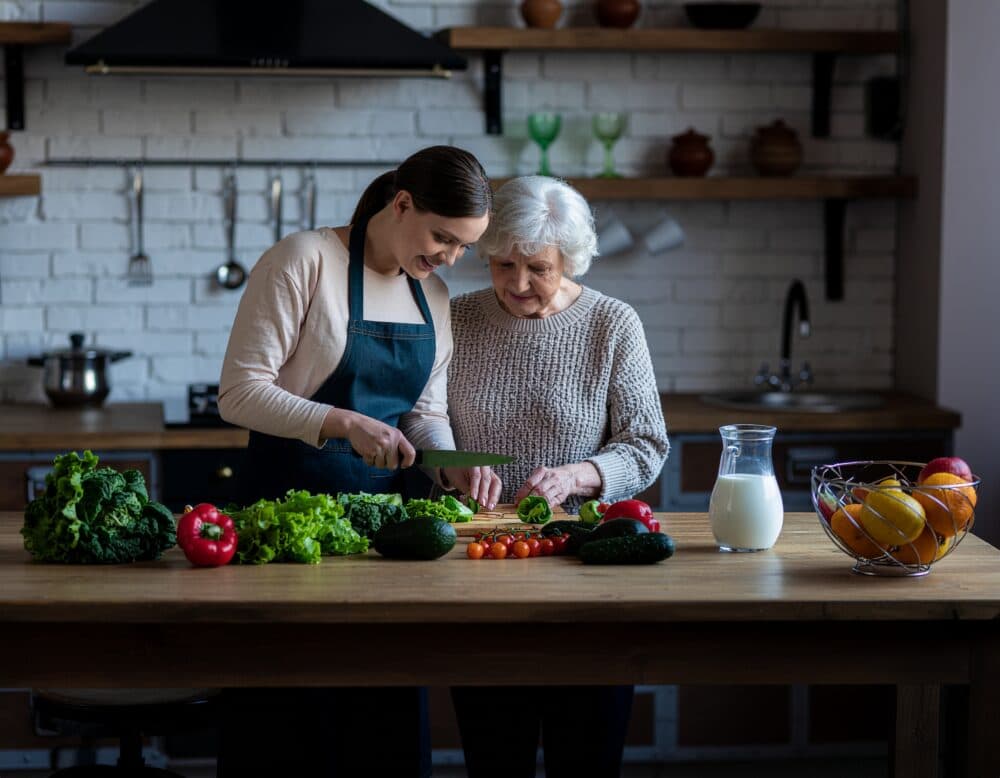
Some clients enjoy eating with their live-in carer. Shared mealtimes can bring company, conversation and routine, especially for someone who has been spending long periods alone. Other people prefer to eat separately or have specific food routines that matter to them. Both approaches can work well when they are agreed from the start.
For Home Instead Hamilton clients, the main aim is to create an arrangement that respects the client’s home, preferences, health needs and dignity while also making sure the carer has what they need to live and work comfortably during their placement.
Does a Live-in Carer Usually Pay for Their Own Food?
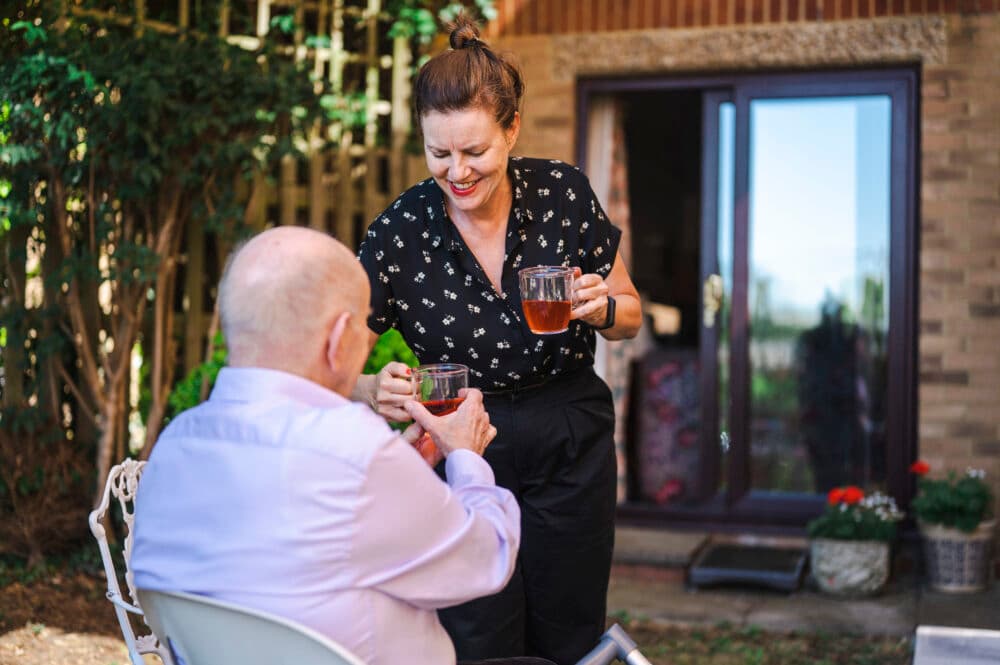
Live-in carers do not usually pay for all of their own food in the same way they would if they were living independently elsewhere. Since they are staying in the client’s home as part of their role, food arrangements are usually built into the care plan or agreed household budget.
A live-in carer may have a food allowance while they are on placement. This means there is an agreed amount or arrangement to cover their meals while they are living in the home. The carer will also need to be able to store their food safely, whether that is in the fridge, freezer, cupboard space or a separate section of the kitchen.
Some families prefer to add the carer’s food to the regular household shop. Others may agree that the carer buys their own items using an allowance. Some carers and clients eat many of the same meals, while others have separate food because of personal preference, allergies, cultural needs or dietary requirements.
There is no single method that suits every home. What matters most is that the arrangement is respectful, clear and agreed before the carer moves in.
What Does a Food Allowance Cover?
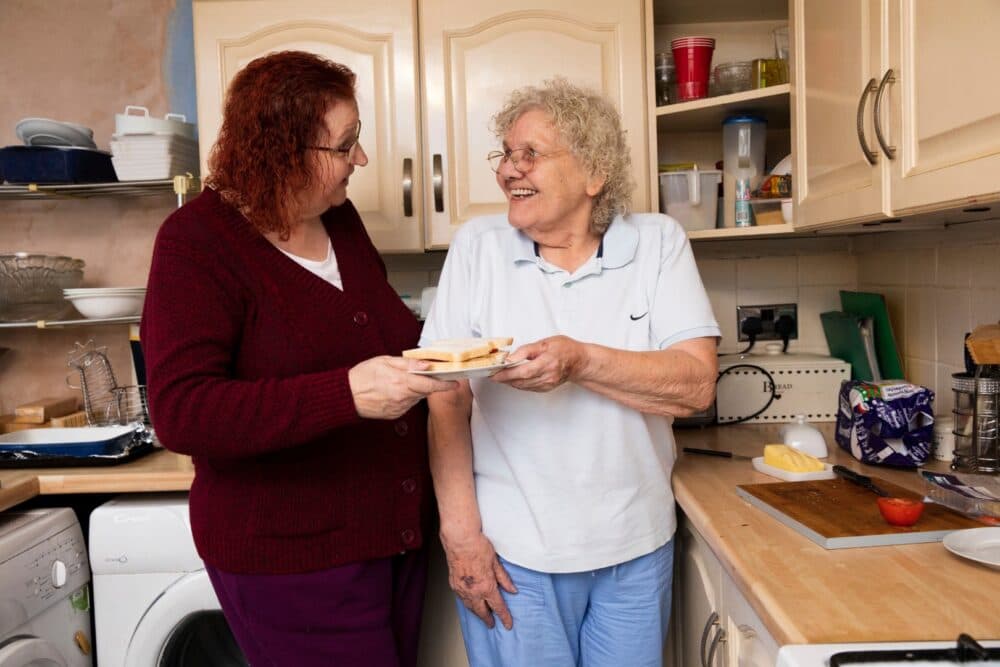
A food allowance is generally intended to cover the carer’s normal meals during their placement. This may include breakfast, lunch, dinner, drinks and basic snacks.
The allowance should be realistic, practical and agreed with the care provider. It should also take account of how meals will work day to day. For example, if the carer is preparing the same meal for themselves and the person receiving care, the weekly shop may simply include enough food for two people. If the carer has separate meals, they may need separate ingredients and storage space.
Families should ask how the food allowance is handled, whether receipts are needed, and whether the allowance is paid directly, added to shopping costs or managed another way. This helps avoid awkward conversations later.
Kitchen Facilities: What Should Be Available?
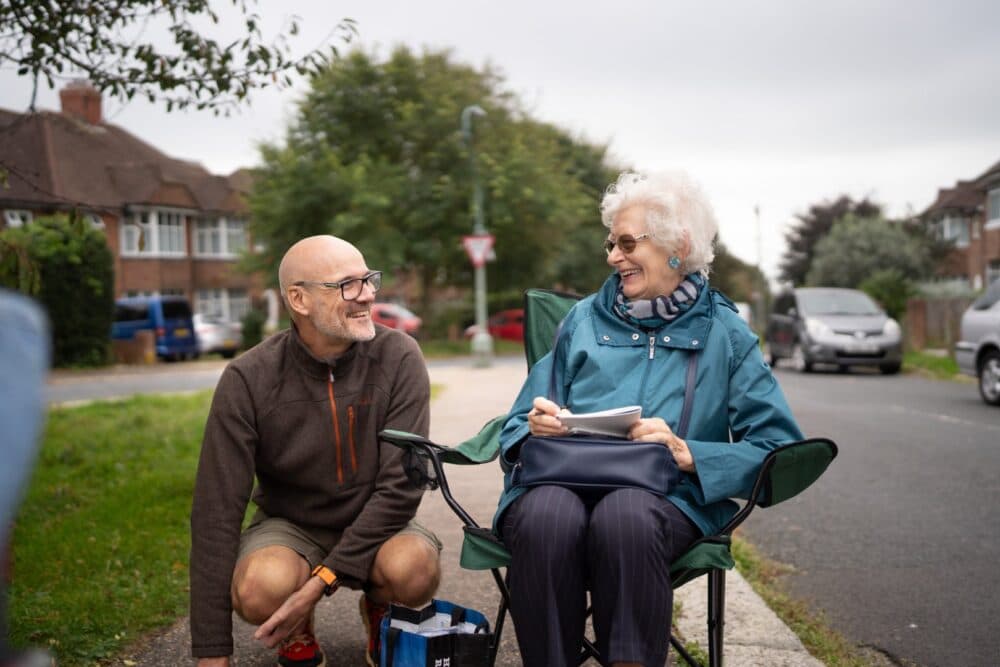
A live-in carer needs reasonable access to kitchen facilities. This does not mean the home needs a large or modern kitchen, but it should allow the carer to prepare food safely, store food properly and clean up after meals.
This may include access to:
A fridge and freezer space
Cupboard space for dry goods
A cooker, hob or microwave
Basic cooking equipment
A kettle and sink
Cleaning products for kitchen hygiene
The carer may also be preparing meals and snacks for the person receiving care. This can include breakfast, lunch, evening meals, drinks, light snacks or meals that support medical needs, such as soft foods or diabetic-friendly options.
Good kitchen access supports both the client’s care and the carer’s wellbeing.
Shared Meals Can Support Companionship
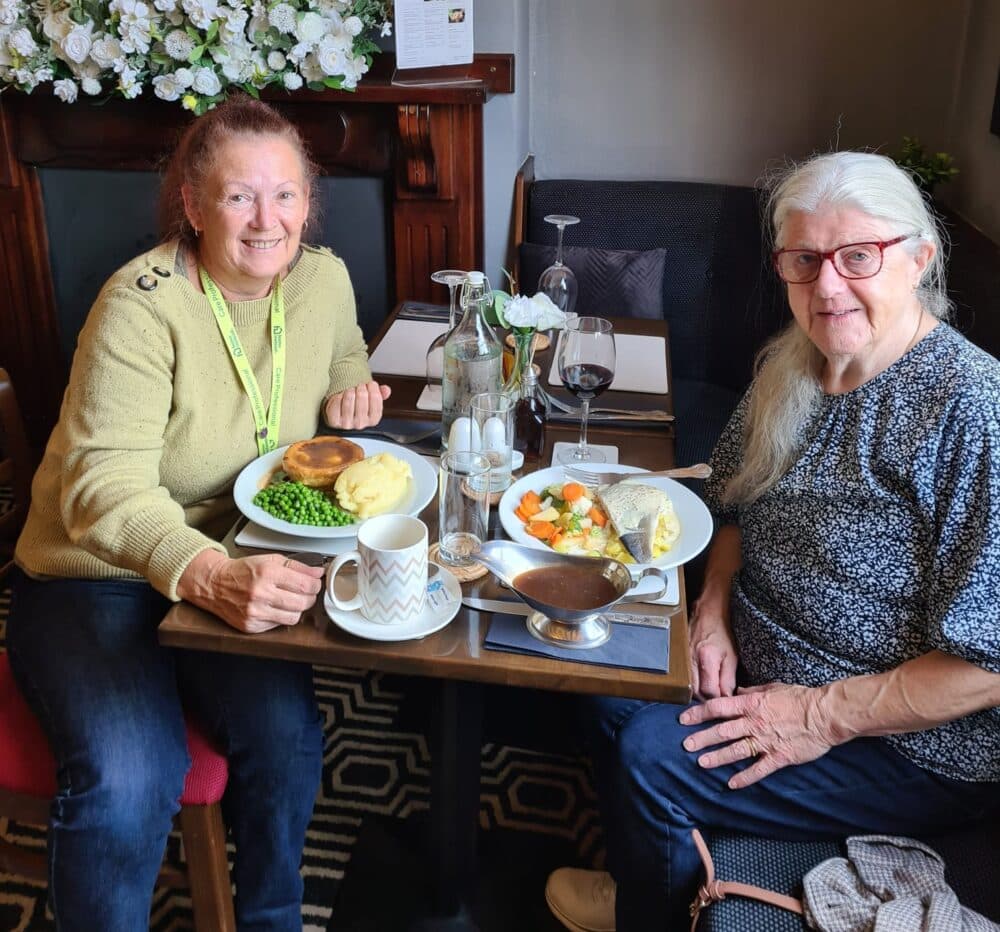
For many people, mealtimes are not only about nutrition. They are also about company, routine and comfort. A shared lunch or evening meal can give structure to the day and create a natural moment for conversation.
Someone living alone in Hamilton or the surrounding areas may have lost confidence with cooking or may no longer enjoy eating alone. A live-in carer can help by preparing meals the person likes, encouraging regular eating and making mealtimes feel more relaxed.
Shared meals can also help a carer notice changes. If someone starts eating less, drinking less, struggling to swallow, forgetting meals or losing interest in food, the carer can raise this with the family or care team. These observations can be important for older people living at home.
That said, shared meals should never feel forced. Some people prefer quiet mealtimes or have long-standing routines. A good live-in care plan respects personal choice.

Dietary Needs Should Be Discussed Early
Food arrangements work best when everyone is honest about dietary needs before the placement begins.
The person receiving care may have medical, religious, cultural or personal food requirements. They may need a soft diet, reduced sugar meals, low-salt options, fortified foods, vegetarian meals or food prepared in a certain way. They may dislike certain foods or prefer familiar meals they have eaten for years.
The carer may also have needs of their own. They may have allergies, intolerances, vegetarian preferences, religious dietary requirements or foods they avoid for personal reasons. Families may find it helpful to read trusted information about food and nutrition when thinking through meal planning.
These details should be discussed before the carer arrives. If the client does not want certain foods in the house, this should be made clear. If the carer needs separate storage for allergy reasons, that should also be planned.
Respect on both sides helps the arrangement feel calm and comfortable.
What If the Client Has Dementia or Finds Change Difficult?
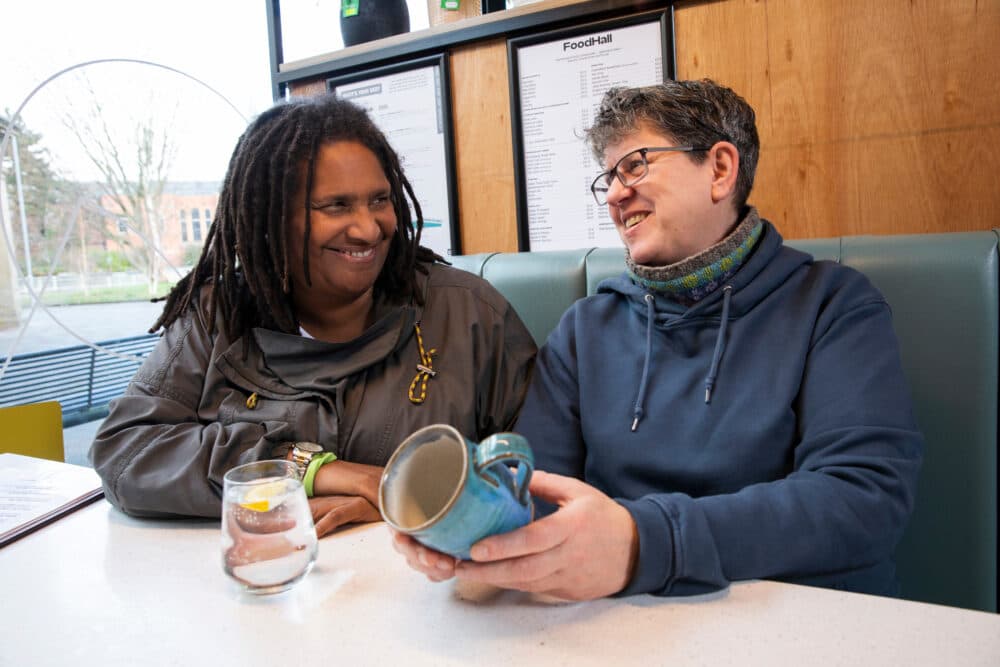
For someone living with dementia, food routines can be especially important. Familiar meals, familiar cupboards, familiar mugs and a predictable kitchen routine may all help the person feel more settled.
A new person living in the home can be a big adjustment, so food arrangements should be introduced with sensitivity. Where possible, the carer can work with existing routines rather than changing them suddenly.
For example, if the person always has porridge in a certain bowl, tea at a certain time, or a favourite meal on a particular day, these details should be included in the care plan. A carer can then support nutrition while respecting memory, comfort and routine.
If the carer stores their own food in the kitchen, it may help to agree a clear space so the client’s usual items remain where they expect them to be. Families may also find Alzheimer’s Society information on eating and drinking with dementia useful when planning daily routines.
Who Buys the Food?
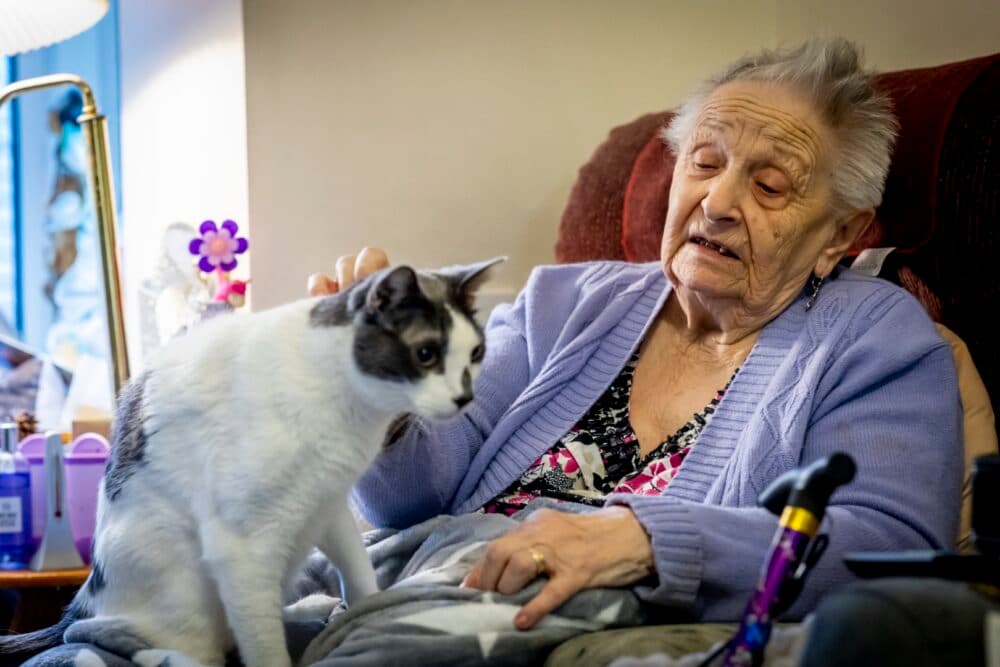
This depends on the arrangement. Some families continue doing the weekly shop themselves and include food for the carer. Others ask the carer to help with shopping as part of the care plan. Some clients enjoy going to the supermarket with their carer, while others prefer the carer to collect groceries.
Where the carer shops for the household, spending should be recorded clearly. Receipts can help family members understand what has been bought and avoid confusion.
If the carer has a separate food allowance, the family should agree whether the carer buys their own food separately or adds items to the shared shop.
Clarity is the kindest approach. It prevents awkwardness and helps everyone feel respected.

Are Treats, Takeaways and Café Meals Included?
This should be agreed in advance. A normal food allowance is usually meant for everyday meals, not extras such as takeaways, restaurant meals or café visits unless this has been discussed.
If the carer accompanies the client to a café, garden centre or restaurant as part of their care role, families should agree how the carer’s costs are handled. Some families choose to pay for the carer’s meal when they are supporting an outing. Others may set a small weekly budget.
Outings can be valuable for companionship and wellbeing, but the costs should not be left uncertain.
Food Is Only One Part of Preparing for a Live-in Carer
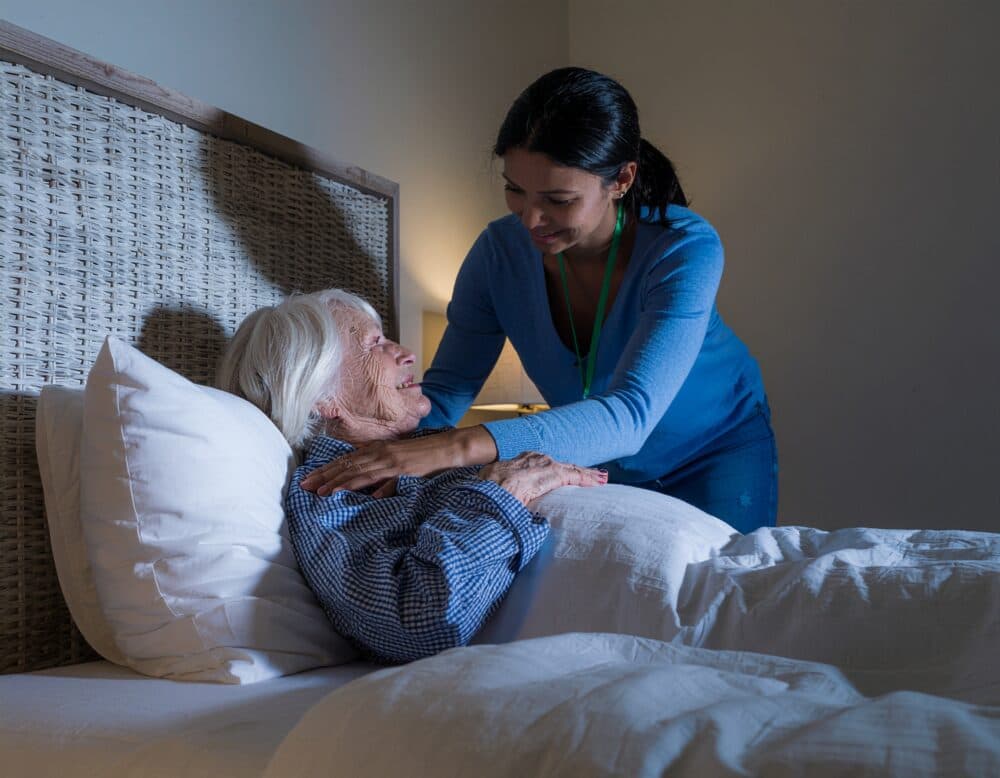
While food is an important practical question, families should also think about the wider home arrangement. A live-in carer needs a private bedroom, bathroom access, rest breaks, a safe working environment and clear information about the person’s care needs.
The bedroom should be clean, warm, comfortable and private. It should have a bed and space for the carer’s belongings. The carer does not usually need a private bathroom, but they do need access to clean washing and toilet facilities.
The care plan should include medication routines, mobility needs, personal care preferences, emergency contacts, dietary needs, daily routines and any health conditions. This helps the carer provide support in the way the person prefers.

Why Clear Planning Helps Families Feel More Confident
Live-in care works best when expectations are clear from the beginning. Food, breaks, household tasks, shopping, mileage, outings and emergency contacts should all be discussed before the carer moves in.
A written care plan helps everyone work from the same information. It also gives families peace of mind, especially if several relatives are involved in decision-making. Families can also read more about Scottish care at home expectations through the Care Inspectorate Hub.
For families across Hamilton and South Lanarkshire, planning these details early can make live-in care feel less overwhelming. It helps the person receiving care stay in familiar surroundings while receiving kind, steady support tailored to their daily life.
How Home Instead Hamilton Can Help
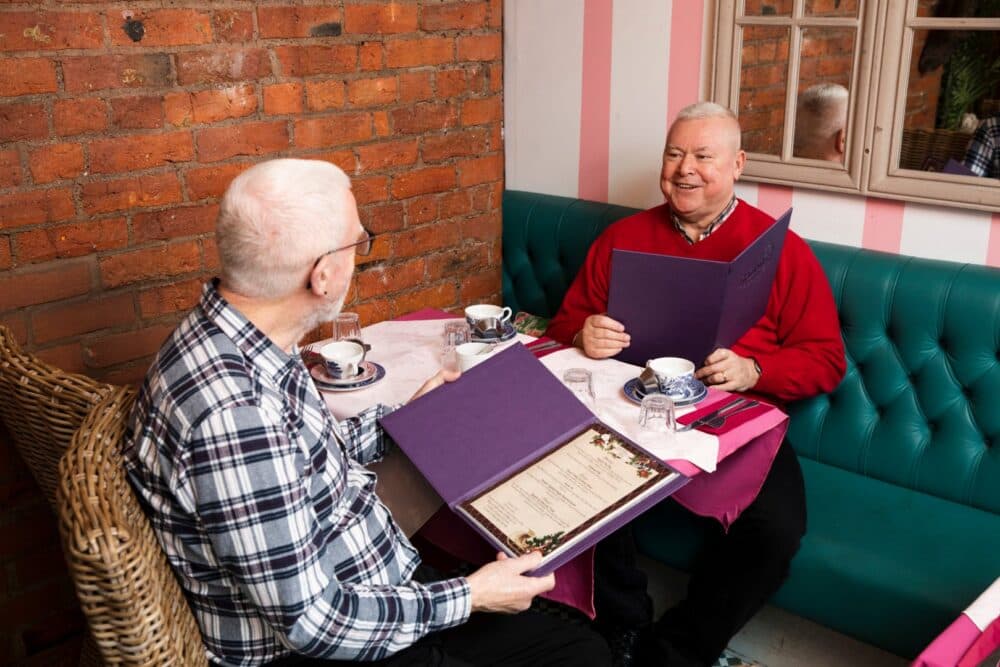
Home Instead Hamilton provides home care services for people who want support in familiar surroundings. For someone who needs regular help, companionship or more ongoing care, the right arrangement can help them stay connected to their routines, home and local community.
Food arrangements are a natural part of planning live-in care. A carer will need a food allowance while on placement and somewhere suitable to store their food. The system should be agreed when the care package is designed, so it works for both the client and the carer.
By talking through daily routines, dietary needs, kitchen access, shopping preferences and personal choices, families can help create a respectful home environment where care feels calm and well organised.
Final Thoughts: Food Arrangements Should Feel Clear, Fair and Respectful
So, do live-in carers pay for their own food? Usually, food is handled through an agreed arrangement, such as a food allowance or shared household shopping. The carer should have access to kitchen facilities and somewhere to store food, while the client’s preferences and dietary needs remain central to the care plan.
The best approach is to agree everything before care begins. This includes whether meals are shared or separate, how shopping is managed, what the allowance covers, and how dietary needs are respected.
For families in Hamilton, careful planning can make live-in care feel more settled from the start. When practical details are handled with thought and kindness, the focus can remain where it belongs: helping the person receiving care feel safe, respected and supported at home.
Home Instead Hamilton: https://www.homeinstead.co.uk/south-lanarkshire-hamilton/
Areas We Serve
Hamilton, Uddingston, Motherwell, Bothwell, Strathaven, Bellshill, Rutherglen, Cambuslang
G71 5, G71 6, ML2 7, ML4 3, ML1 3, ML1 2, ML2 0, ML4 1, ML4 2, G72 6, G73 5, G71 8, G72 9, G73 4, G71 7, ML1 1, ML1 4, G72 0, ML2 8, ML1 5, G72 8, G72 7
Unit 2 Brandon House Business Centre, 23-25 Brandon St, Hamilton ML3 6DA