Could Your Loved One Benefit from Home Care?
Key Signs to Watch For
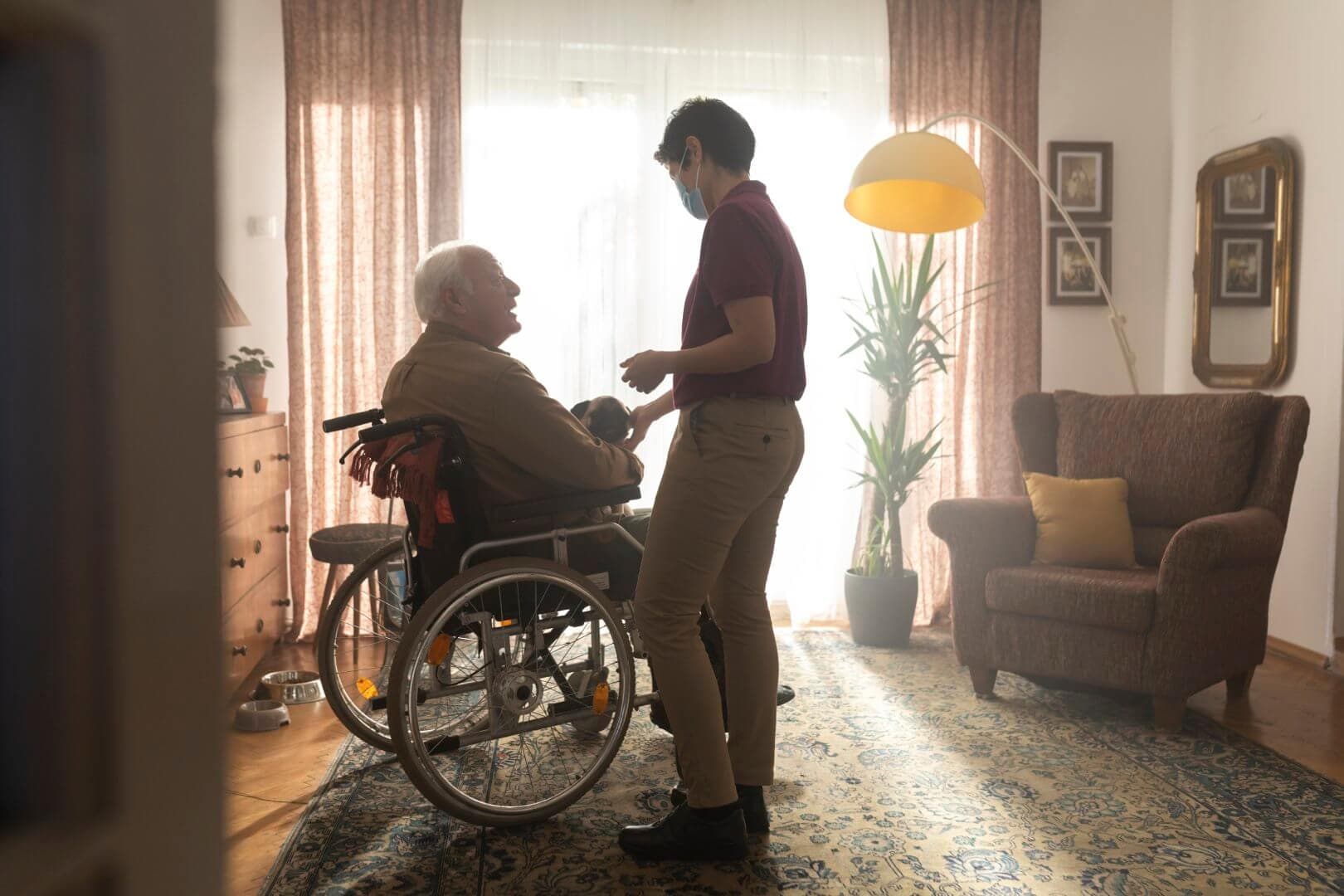
Caring for an ageing loved one is a meaningful and rewarding role, but it can come with its challenges. Knowing when to offer additional support can make a big difference to their wellbeing. By recognising the subtle signs that they may need a helping hand at home, you can ensure they continue to live safely, comfortably, and independently. Let’s explore the key indicators and how to approach these conversations with care and positivity.
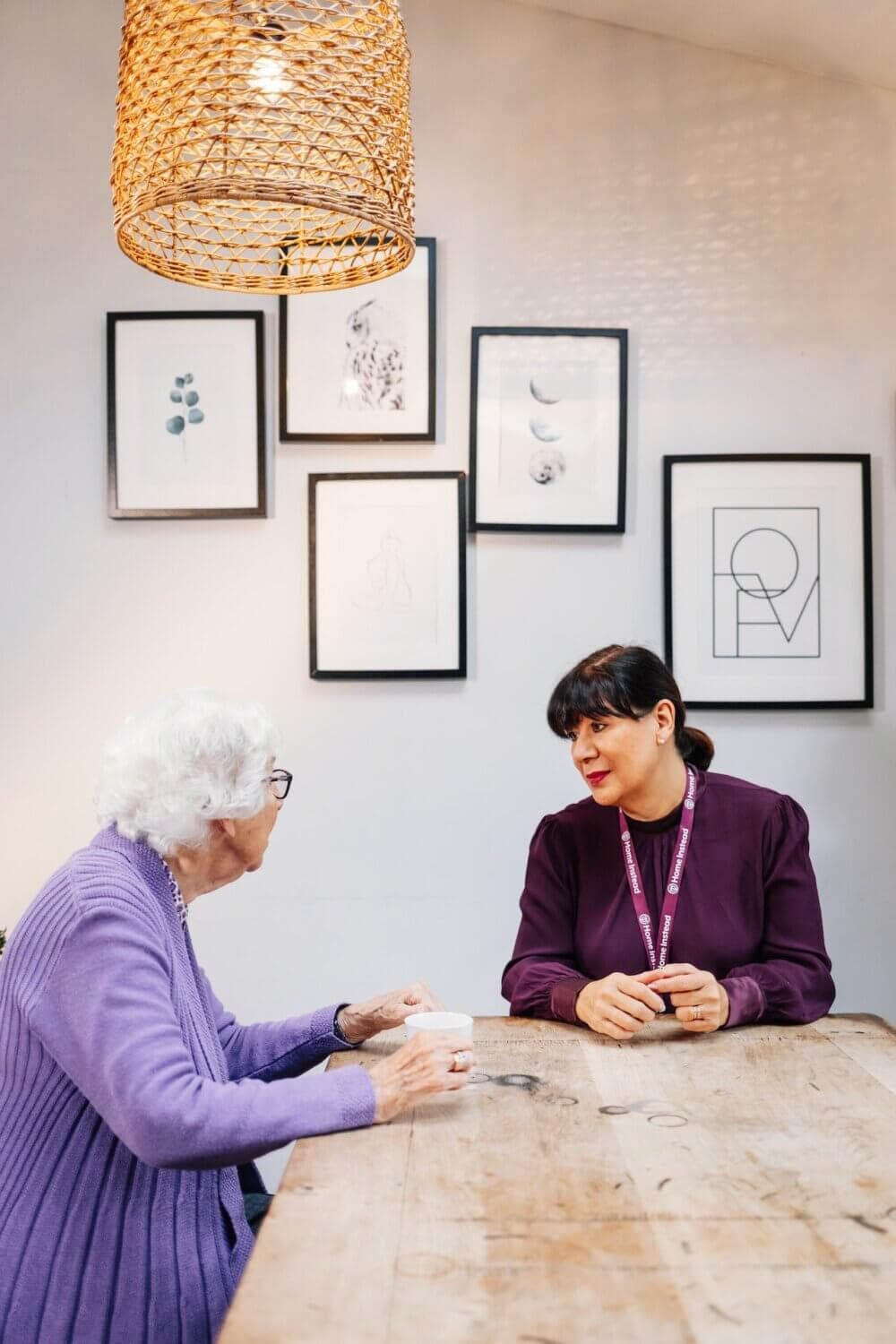
Noticing Changes in Daily Life
Spending time with older relatives can often reveal changes in their behaviour, health, or environment that might have gone unnoticed during phone calls or brief visits. These signs may point to the need for additional care to ensure their well-being.
Decline in Personal Hygiene
One of the most common signs is a noticeable decline in personal hygiene. If you observe unwashed hair, persistent body odour, or your loved one wearing the same clothes repeatedly, they may be struggling with daily self-care. This could be due to physical challenges, memory issues, or emotional difficulties.
Significant Weight Changes
Has your loved one lost or gained a significant amount of weight recently? This could indicate they’re skipping meals, struggling to prepare food, or losing their appetite due to loneliness. It’s worth observing their kitchen habits and discussing their daily meals.
Physical or Emotional Changes
Physical injuries such as bruises or signs of frailty might suggest difficulty with mobility or an increased risk of falls. On the emotional side, noticeable changes such as mood swings, withdrawal from social activities, or unusual behaviours could point to underlying issues like depression or cognitive decline.
Challenges with Daily Responsibilities
An untidy home, missed appointments, or lapses in grooming can be signs that managing daily responsibilities is becoming overwhelming. Small struggles in these areas often hint at a larger need for consistent support.

Signs of Memory Loss
Memory lapses, such as forgetting appointments, misplacing items, or neglecting routines, can disrupt independence and safety. While memory loss is often associated with dementia, it may have other causes. A GP consultation can help identify the issue and provide guidance on the best course of action.
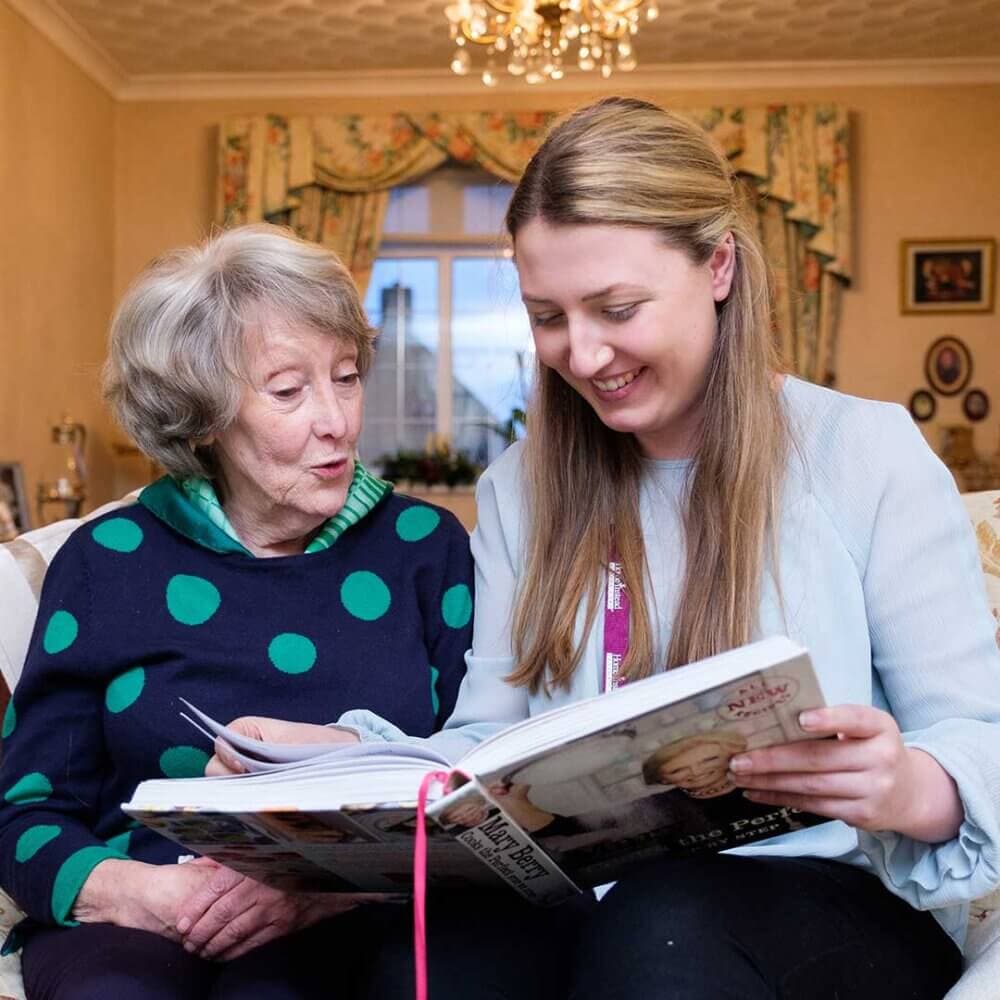
How to Discuss Home Care With Compassion
Addressing the need for additional care with a loved one can be emotionally sensitive. Many older adults are hesitant to accept help, fearing a loss of independence. A compassionate and understanding approach can make all the difference.
Choose the Right Moment
Timing is everything. Select a moment when your loved one is relaxed and in a familiar environment. Avoid bringing up the subject during stressful situations or large family gatherings.
Approach With Empathy
Instead of framing the conversation as a criticism, share your observations thoughtfully. For example, instead of saying, “You’re not managing well,” try, “I’ve noticed things seem more challenging lately. How can we make life easier for you?”
Include Them in Decisions
Involve your loved one in the decision-making process. Emphasise that home care is about enabling them to stay independent while receiving the help they need. Present options and listen to their preferences, reassuring them that their comfort and dignity are the top priorities.
Address Their Concerns
It’s natural for your loved one to feel apprehensive about inviting carers into their home. They may fear a loss of privacy or routine. Reassure them that home care services are tailored to fit their specific needs, designed to enhance their independence rather than take it away.
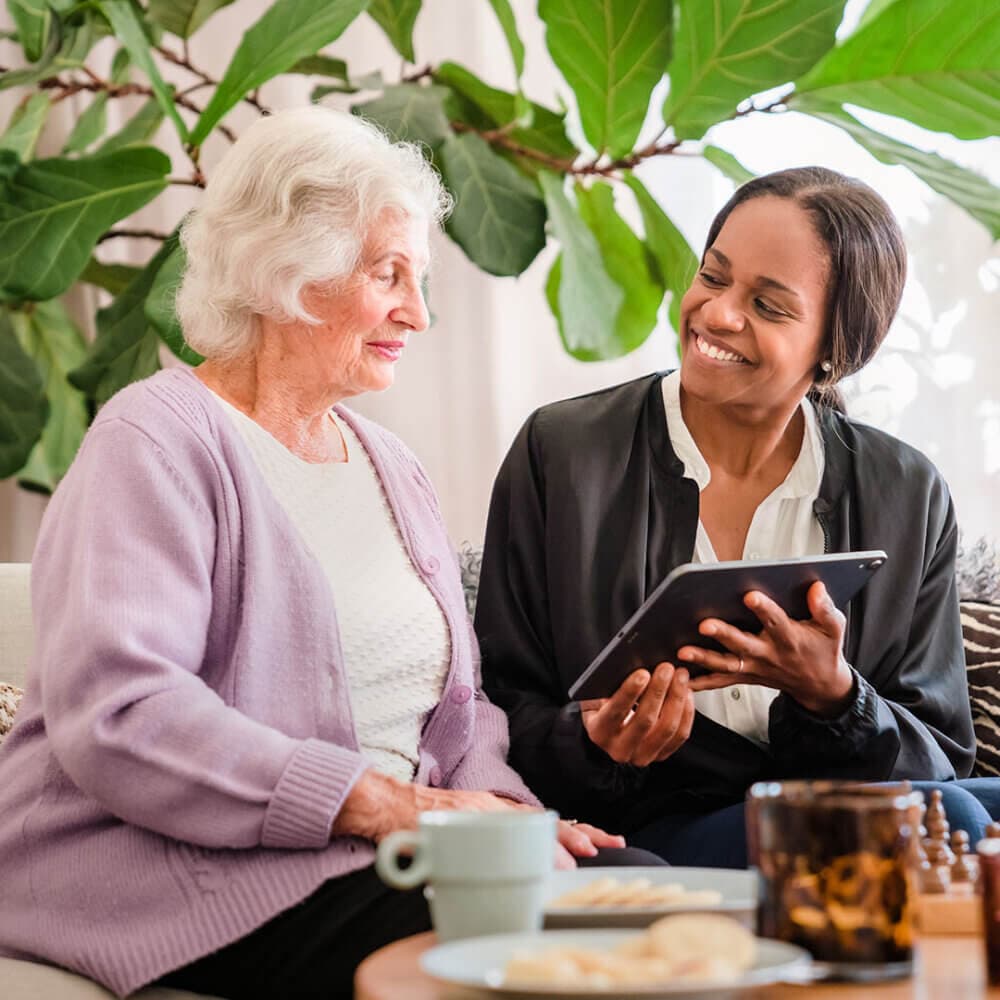
Understanding the Types of Home Care Available
Home care isn’t a one-size-fits-all solution. From occasional help with household tasks to specialised medical care, there’s a broad range of services available to meet your loved one’s needs.
Common Home Care Services
- Personal Care: Assistance with bathing, dressing, and grooming.
- Medication Support: Ensuring prescriptions are taken on time and as directed.
- Meal Preparation: Preparing nutritious meals and monitoring dietary needs.
- Companionship: Reducing loneliness through conversation and social interaction.
- Dementia Support: Structured care to manage cognitive challenges.
- Post-Hospital Care: Supporting recovery after hospitalisation.
Tailored Support from Home Instead Hamilton
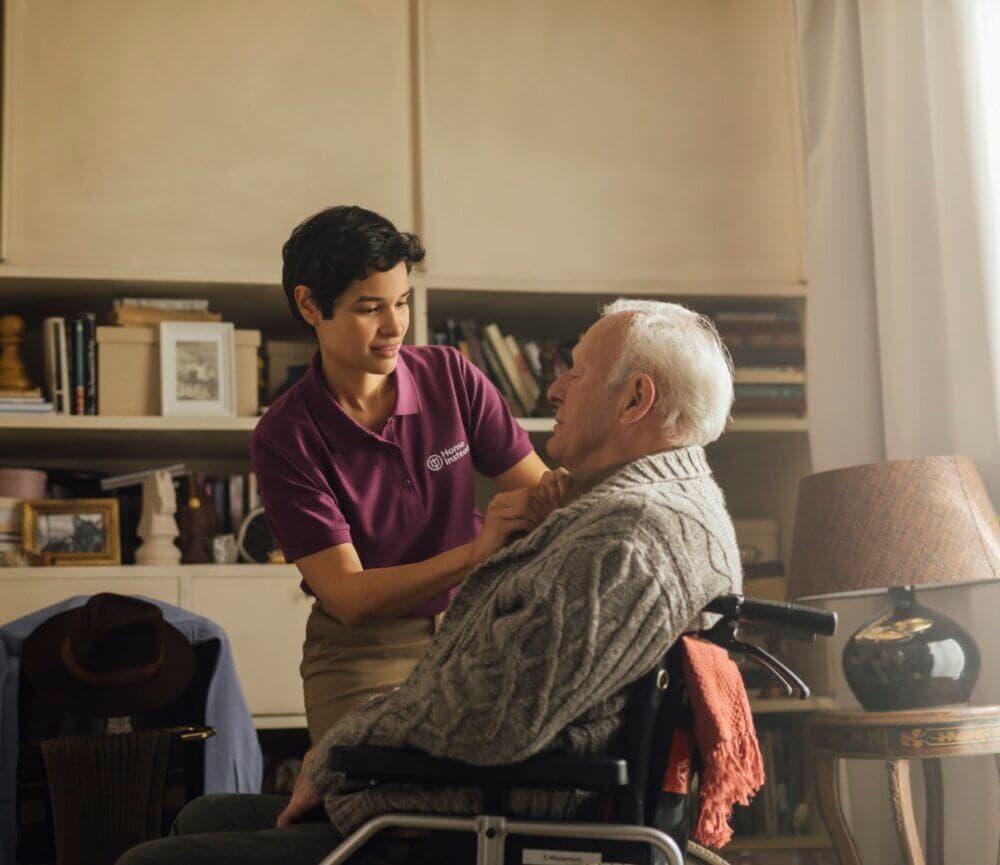
At Home Instead Hamilton, we understand that every individual’s needs are unique. Our bespoke care plans are designed to ensure your loved one receives the support they require while maintaining their independence. Our services include:
- Personalised Care: Respectful assistance with daily hygiene and grooming.
- Companionship: Regular visits to foster meaningful connections and prevent isolation.
- Dementia Care: Specialised support to promote familiarity and structure.
- Medication Assistance: Helping manage prescriptions and ensure compliance.
- Recovery Support: Aiding smooth transitions from hospital to home.
Safeguarding Vulnerable Adults
Older individuals living alone may be more vulnerable to risks such as financial scams, neglect, or abuse. Signs to watch for include sudden financial changes, unexplained transactions, or shifts in personal relationships. Staying connected with your loved one and discussing these risks openly can provide an added layer of protection. If you’re concerned, local safeguarding organisations can offer advice and support.
Finding the Right Home Care Provider
Choosing a reputable care provider is an important step. Look for organisations with excellent reviews, high standards of care, and accreditations such as those from the Care Quality Commission (CQC). Websites such as homecare.co.uk or carechoices.co.uk can offer helpful insights and comparisons to guide your decision.
Making the Transition to Home Care
Transitioning to home care doesn’t have to be overwhelming. At Home Instead Hamilton, our process starts with an initial consultation to assess your loved one’s needs. From there, we develop a tailored care plan, ensuring their preferences and requirements are fully respected.
Conclusion: Supporting Independence and Peace of Mind
Recognising the signs that a loved one may need help at home is an act of love and care. Whether it’s assistance with daily tasks or specialised dementia support, professional home care can provide the right balance of independence and support.
If you’ve noticed changes in your loved one’s well-being, don’t hesitate to explore how Home Instead Hamilton can help. Together, we can create a plan that allows your loved one to live comfortably and confidently at home. For more information, contact us today.
Areas We Serve
Hamilton, Uddingston, Motherwell, Bothwell, Strathaven, Bellshill, Rutherglen, Cambuslang
G71 5, G71 6, ML2 7, ML4 3, ML1 3, ML1 2, ML2 0, ML4 1, ML4 2, G72 6, G73 5, G71 8, G72 9, G73 4, G71 7, ML1 1, ML1 4, G72 0, ML2 8, ML1 5, G72 8, G72 7
Unit 2 Brandon House Business Centre, 23-25 Brandon St, Hamilton ML3 6DA