Early Signs of Dementia and the Benefits of Care at Home | World Alzheimer’s Month

Supporting Loved Ones During World Alzheimer’s Month
September marks World Alzheimer’s Month, a time to raise awareness, reduce stigma, and encourage conversations about dementia. For many families, the first signs that a loved one may be struggling can be subtle, and it’s not always easy to know what to do next.
At Home Instead, we understand how important early support can be in helping someone live well with dementia, and we’re here to guide families through the journey.
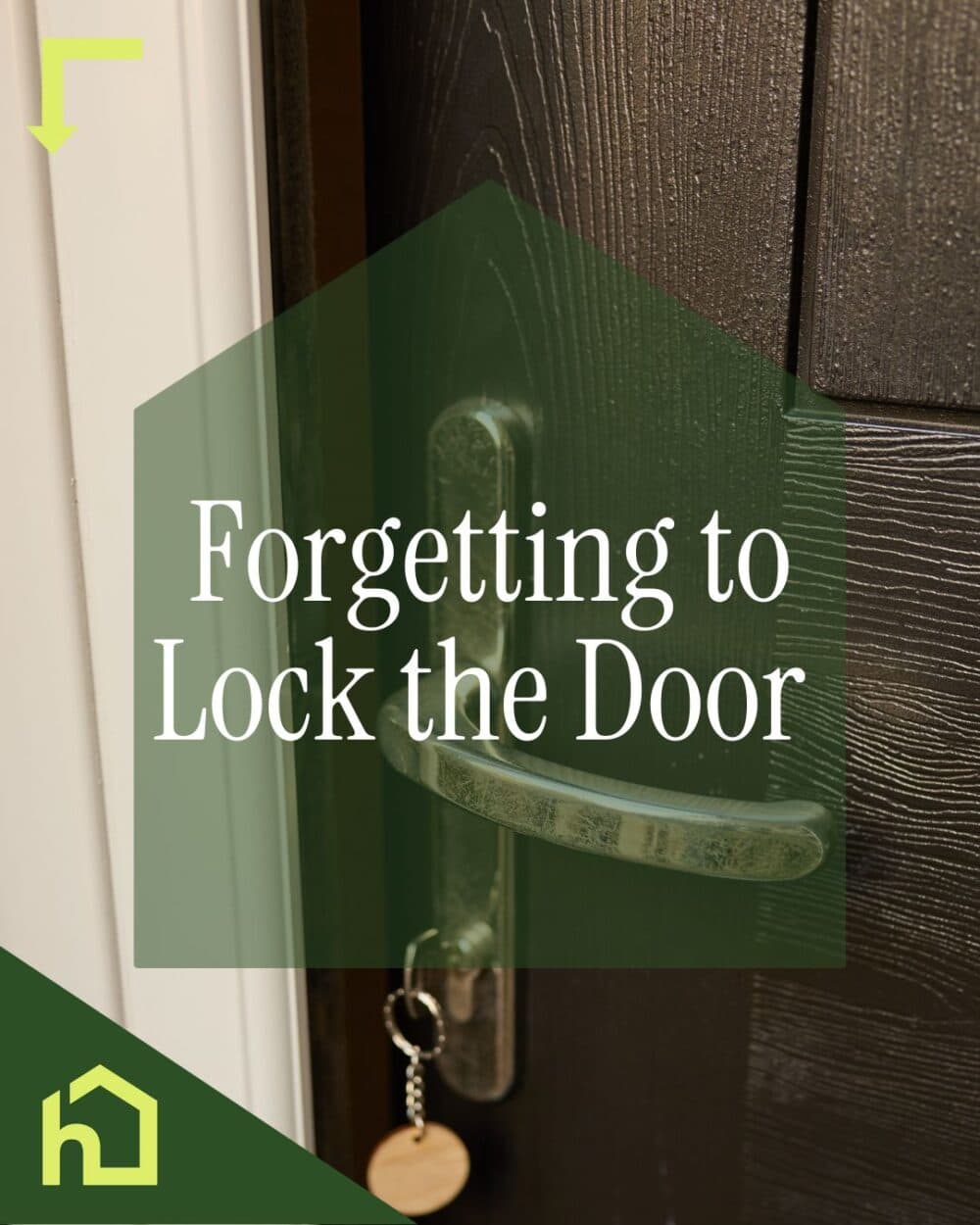
Spotting the Early Signs of Dementia
Every person’s experience with dementia is different, but there are some common signs that may indicate a loved one is finding daily tasks more difficult:
-
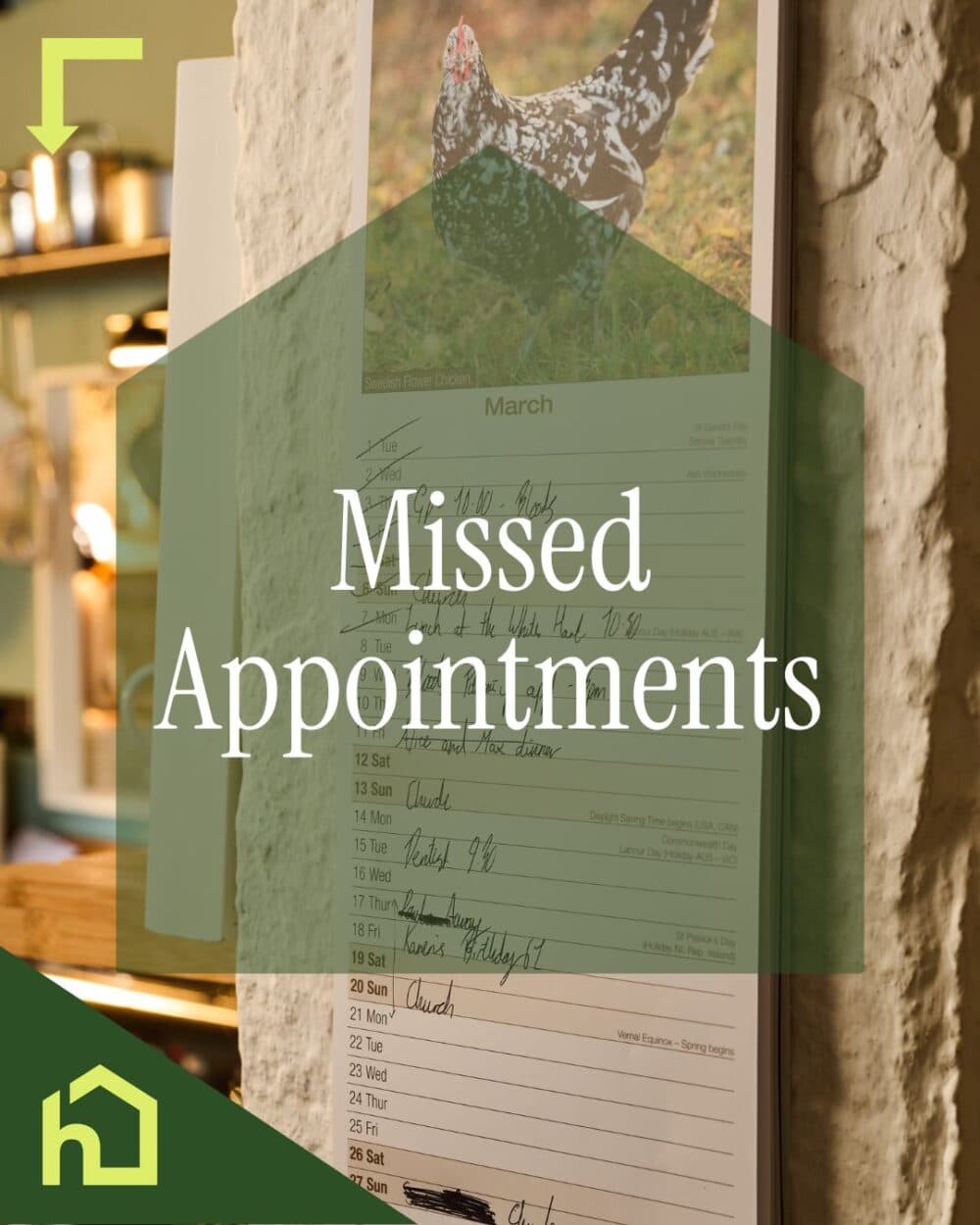
Forgetting recent events, conversations, or appointments more often
-
Struggling with familiar tasks such as cooking, managing bills, or making phone calls
-
Getting confused about time, place, or familiar environments
-
Withdrawing from social activities they once enjoyed
-
Changes in mood, personality, or confidence
If you notice these signs, it doesn’t always mean your loved one has dementia – but it is important to seek medical advice and support as soon as possible.
Why Early Support Matters
Dementia is a progressive condition, and arranging care early can make a real difference. By putting support in place at the right time, your loved one can:
-
Maintain independence at home for longer
-
Feel reassured by familiar routines and surroundings
-
Build trusting relationships with regular care professionals
-
Benefit from tailored support that grows with their needs
Our Home Instead Care Professionals receive specialist dementia training, which is City & Guilds assured. This means they have the knowledge and confidence to provide outstanding care, alongside continuous development and support from our team.

Person-Centred Care at Home
At Home Instead, we provide a minimum of 1-hour visits, ensuring care is never rushed. This time allows our Care Professionals to create genuine connections with clients and focus on meaningful, person-centred support.
Continuity of care is especially important for someone living with dementia. Having regular Care Professionals who truly get to know them brings comfort, stability, and trust – vital in supporting both emotional and physical wellbeing.
Beyond the care we provide at home, we are proud to be involved in local Dementia Alliances. This enables us to share resources, raise awareness, and promote dementia support across the wider community – helping families feel less alone and better equipped.

We’re Here to Help
If you are concerned about a loved one and would like to explore how care at home could support them, we’d love to have a friendly, no-obligation chat. Our team can arrange a consultation to discuss your family’s needs and help you take the next steps with confidence.