Nutrition for older adults
Many older people face an increased risk of becoming malnourished. We're on a mission to educate people about nutrition for older people, the signs of malnourishment, the dangers and possible solutions — and to share practical ways to help a loved one enjoy food again.
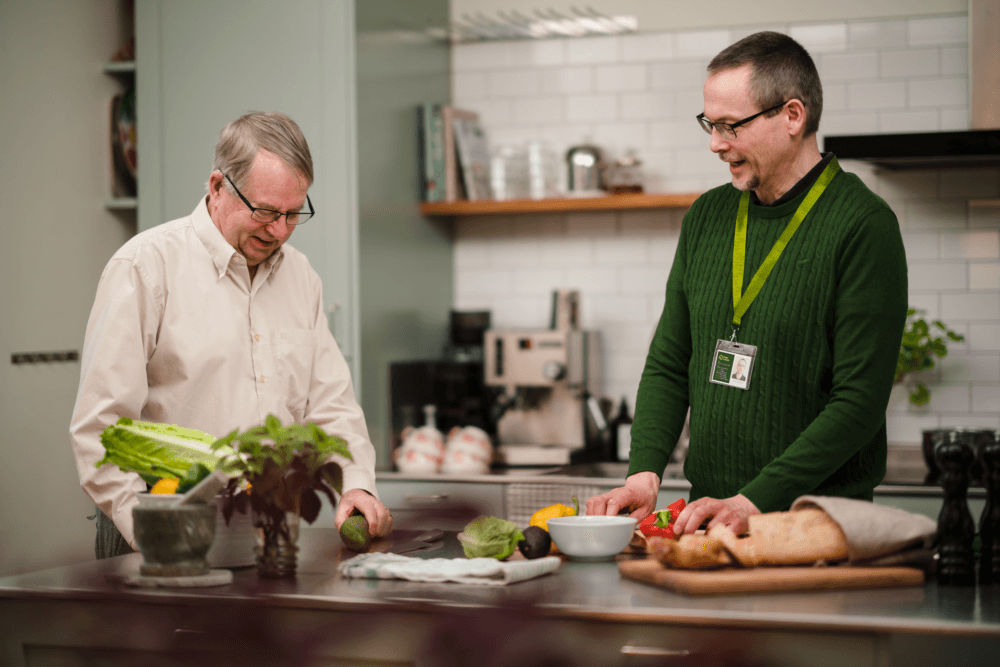
Don't overlook the signs and risks of malnutrition
Over many years, we’ve seen the signs and risks of malnutrition which, if you’re not experienced, can be easily overlooked. Malnutrition doesn’t only affect people who look underweight, someone can be malnourished at any size, simply by not getting enough of the right nutrients. That’s why it’s so important to know what to look out for, rather than relying on appearance alone.
Common signs to watch for include:
– Unplanned weight loss or clothes, rings and dentures becoming loose
– Reduced appetite or a growing dislike of foods they used to enjoy
– Low energy, tiredness or a general lack of interest in daily activities
– Getting ill more often, or taking longer to recover from illness or wounds
– Feeling cold most of the time
– Low mood, irritability or difficulty concentrating
There are also several reasons why an older person’s nutrition can decline. Loss of appetite is common with age, but it can be made worse by loneliness at mealtimes, difficulty cooking or shopping, dental problems, medication side effects, or conditions such as dementia that make it harder to recognise hunger or prepare food safely. Understanding the cause is often the first step towards finding the right solution.
Our nutrition support services include the preparation of meals and encouraging a client to enjoy a healthy, balanced diet. Along with monitoring any changes in health and well-being, this ensures that our clients eat properly. We also provide advice from local Home Instead offices to help families who provide care for their loved ones so that they’re aware of the risks of malnutrition.
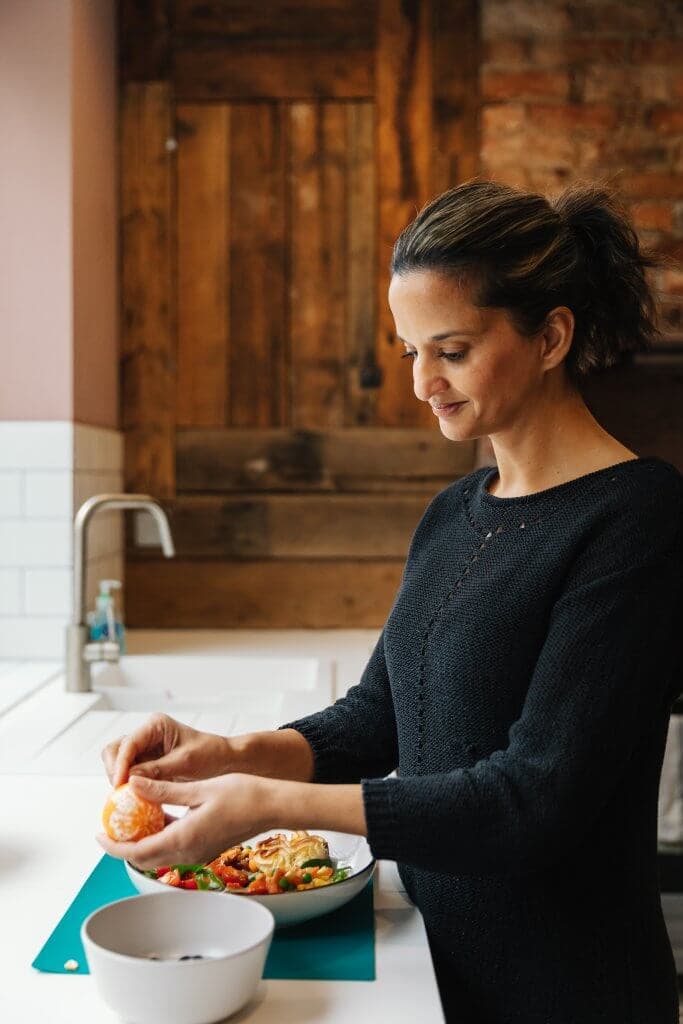
How can you ensure your loved one eats a balanced diet?
he best way to ensure that someone’s eating a healthy balanced diet is to be there in person during mealtimes. However, we know that although families might be caring for their elderly parents or relatives, they often have very busy schedules and don’t always have the time to do this.
A balanced diet for older adults should include a variety of foods from each of the main groups:
– Starchy foods such as bread, potatoes, rice and pasta, ideally wholegrain, for lasting energy
– Fruit and vegetables, aiming for at least five portions a day to provide fibre, vitamins and minerals
– Protein, including meat, fish, eggs, beans and pulses, which helps to maintain muscle strength and supports recovery from illness
– Dairy or dairy alternatives for calcium and vitamin D, which are important for bone health
– Fluids, older people can be more prone to dehydration, so encouraging six to eight glasses of fluid a day is essential, even if they don’t feel thirsty
Appetite can naturally decrease with age, so smaller, more frequent meals and nutritious snacks between meals can sometimes work better than three large meals a day. Where chewing or swallowing has become difficult, softer foods or smoothies can help someone get the nutrients they need without the discomfort.
Our guidance on nutrition will hopefully provide you with some useful advice on how to ensure your loved one stays healthy at home. Our advice is designed to support a healthy and balanced diet for older people.
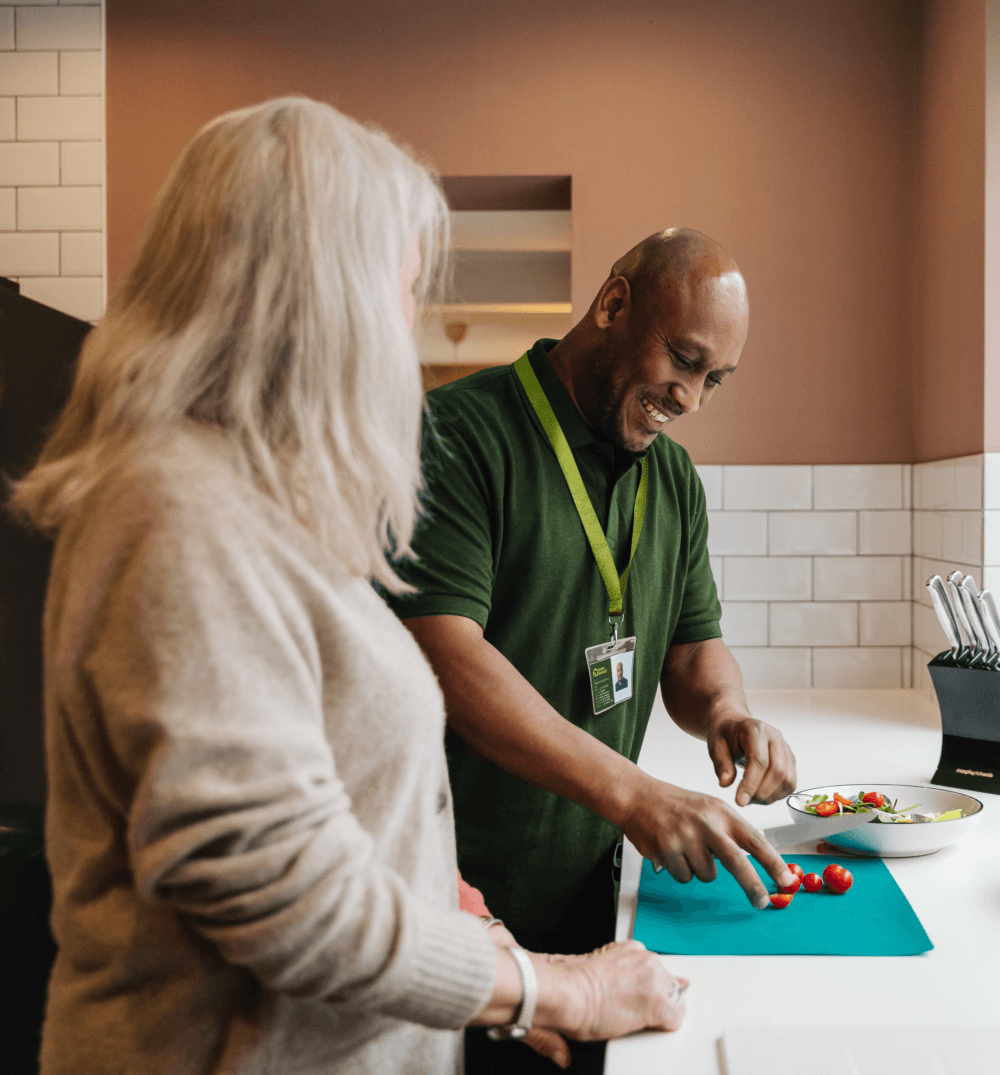
What support is there for someone needing help with an older person’s nutrition and lifestyle?
If you’re worried about your loved one and need some help in ensuring that they’re enjoying a healthy balanced diet, look no further! At Home Instead, we can help you to manage by preparing meals and through a range of other support services.
For instance, why not think about using our services to take your elderly relative out for lunch or to help them with their weekly food shop? If they’re unable to leave their home, we can be there at their mealtimes, not only to prepare food but also to check that your loved one is enjoying a well-balanced diet. Our Care Professionals can spend time with your loved one, helping to make their mealtime a positive and enjoyable experience, because eating well is about more than food, it’s about company, routine and enjoyment too.
Mealtimes can also become an opportunity for connection. A familiar face sitting down to share a meal, a chat over a cup of tea, or simply having someone notice if an appetite has changed can make all the difference to a loved one’s wellbeing.
Why not book a consultation with us, so we can evaluate your needs and prepare a tailored plan to support your loved one?