When Safety Concerns Start To Outweigh Independence

When safety concerns start to outweigh independence, it usually means it is time to look at gentle support that protects wellbeing without taking away the freedoms that matter most. This April, many families across Reading are noticing those quiet signs in a loved one, a missed step on the stairs, a forgotten appointment, a growing unease about being alone at home, and wondering what the right next step looks like.
This blog looks at how to recognise when the balance is shifting and how private care at home can help keep life settled, familiar, and safe.
Understanding the balance between independence and safety
Independence means different things to different people. For some, it is being able to prepare meals or manage daily routines. For others, it is simply the comfort of living in their own home, surrounded by memories.
Safety concerns can begin subtly. Small changes may include increased forgetfulness, difficulty moving around safely, challenges with personal care, or feeling less confident going out alone.
These signs do not mean independence is lost. Instead, they often highlight where gentle support could make everyday life easier and more secure.

When small worries become bigger concerns
It is natural to hope that small issues will resolve on their own. However, when concerns become more frequent, it may be time to think about additional help.
Some common signs include changes in mobility, where trips, slips, or hesitancy when walking can increase the risk of falls and even a minor fall can affect confidence and wellbeing. There may also be difficulty managing daily tasks, as cooking, cleaning, or keeping up with household routines can start to feel overwhelming.
Personal care may become more challenging, with bathing, dressing, or maintaining hygiene requiring more effort or assistance. Increased isolation is another signal, as avoiding social activities or feeling anxious about leaving the house can lead to loneliness.
Recognising these signs early allows for thoughtful decisions, rather than rushed ones.

How private care at home can help
Private care at home is designed to support individuals in a way that respects their independence while addressing safety concerns.
Rather than making big changes all at once, care can be introduced gradually. This might start with a few hours of support each week and grow as needs change.

Personalised support
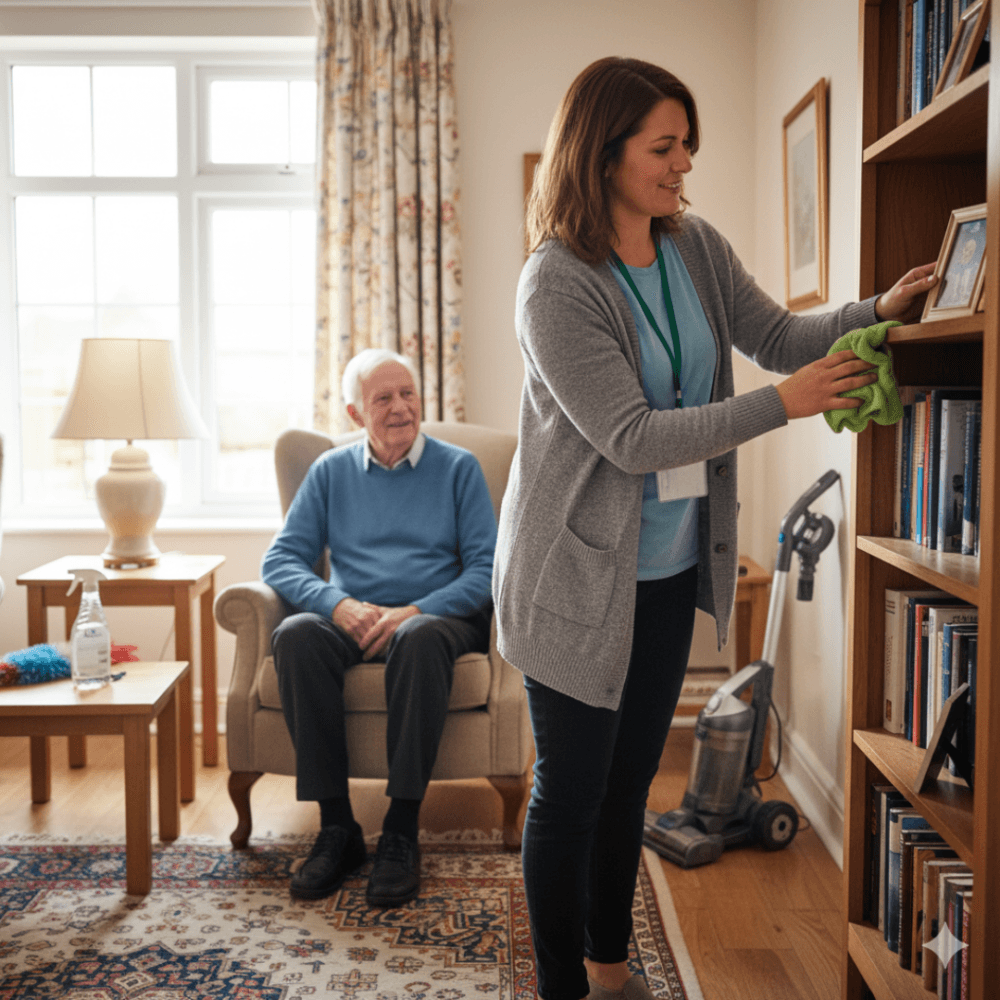
Care is tailored to each individual. This could include help with daily routines, support with personal care, assistance with meal preparation, light housekeeping, and companionship and reassurance.
Having a familiar, friendly face can make a real difference. Companionship helps reduce feelings of isolation and provides reassurance for both individuals and their families.

Promoting confidence at home
With the right support in place, many people feel more confident continuing their usual routines. This can help maintain a sense of independence while reducing risk.

Supporting families through the decision
Deciding to arrange care is rarely straightforward. It can bring mixed emotions, from concern to uncertainty about what is best.
It is important to approach these conversations gently. Listening to concerns, involving loved ones in decisions, and taking small steps can help everyone feel more comfortable.
Private care at home offers adaptability. It is not about taking control away, but about working together to create a safe and supportive environment.

Steps to take
If safety concerns are becoming more noticeable, a few simple steps can help. Start a conversation by choosing a calm moment to talk openly about concerns and preferences. Observe patterns by keeping note of any changes in behaviour, mobility, or wellbeing.
Look at support options by finding out what types of care are available and how they can be tailored. Take things gradually, as introducing care slowly can make the transition feel more natural.

Your Local Home Instead Team
When thinking about private care at home, having a trusted local team can make all the difference. Home Instead Reading offers support that is both professional and personal, helping individuals remain safe and comfortable in their own homes.
Home Instead office name:
|Home Instead Reading
Office phone number:
0118 909 9108
Office website URL:
https://www.homeinstead.co.uk/reading/
Google Business Profile link:
https://maps.app.goo.gl/3eYaKkbED3zikGK59
Areas covered (towns, villages, communities):
Southcote, Earley, Caversham, Calcot, Lower Earley, Pangbourne, Purley on Thames, Reading, Tilehurst, Woodley
Postcodes served:
RG1 1, RG1 2, RG1 3, RG1 4, RG1 5, RG1 6, RG1 7, RG1 8, RG2 0, RG2 6, RG2 7, RG2 8, RG2 9, RG30 1, RG30 2, RG30 3, RG30 4, RG30 6, RG31 4, RG31 5, RG31 6, RG31 7, RG4 5, RG4 7, RG4 8, RG5 3, RG6 1, RG6 3, RG6 4, RG6 5, RG6 6, RG6 7, RG8 7, RG8 8, RG8 9
The local team understands the community and offers approachable, reliable support. If you are unsure about the next steps, a simple conversation can help you find what feels right for you or your loved one.

Ratings and compliance
Home Instead Reading maintains strong standards of care, reflected in the following ratings:
Homecare.co.uk rating:
9.6 out of 10
Profile link:
https://www.homecare.co.uk/homecare/agency.cfm/id/65432196722
CQC rating:
Good
CQC report link:
https://www.cqc.org.uk/location/1-390726898/contact

A gentle step forward
When safety concerns begin to outweigh independence, it does not mean giving up control. It means finding a new balance that supports both wellbeing and peace of mind.
Private care at home can offer that balance, allowing individuals to remain in the place they know and love, with the reassurance that help is there when it is needed.
If you would like to learn more about how support can be tailored to your situation, you can look into the Private Care at Home services and speak with your local Home Instead team for guidance that feels right for you.