Loneliness and Ageing: More Than Just a Feeling
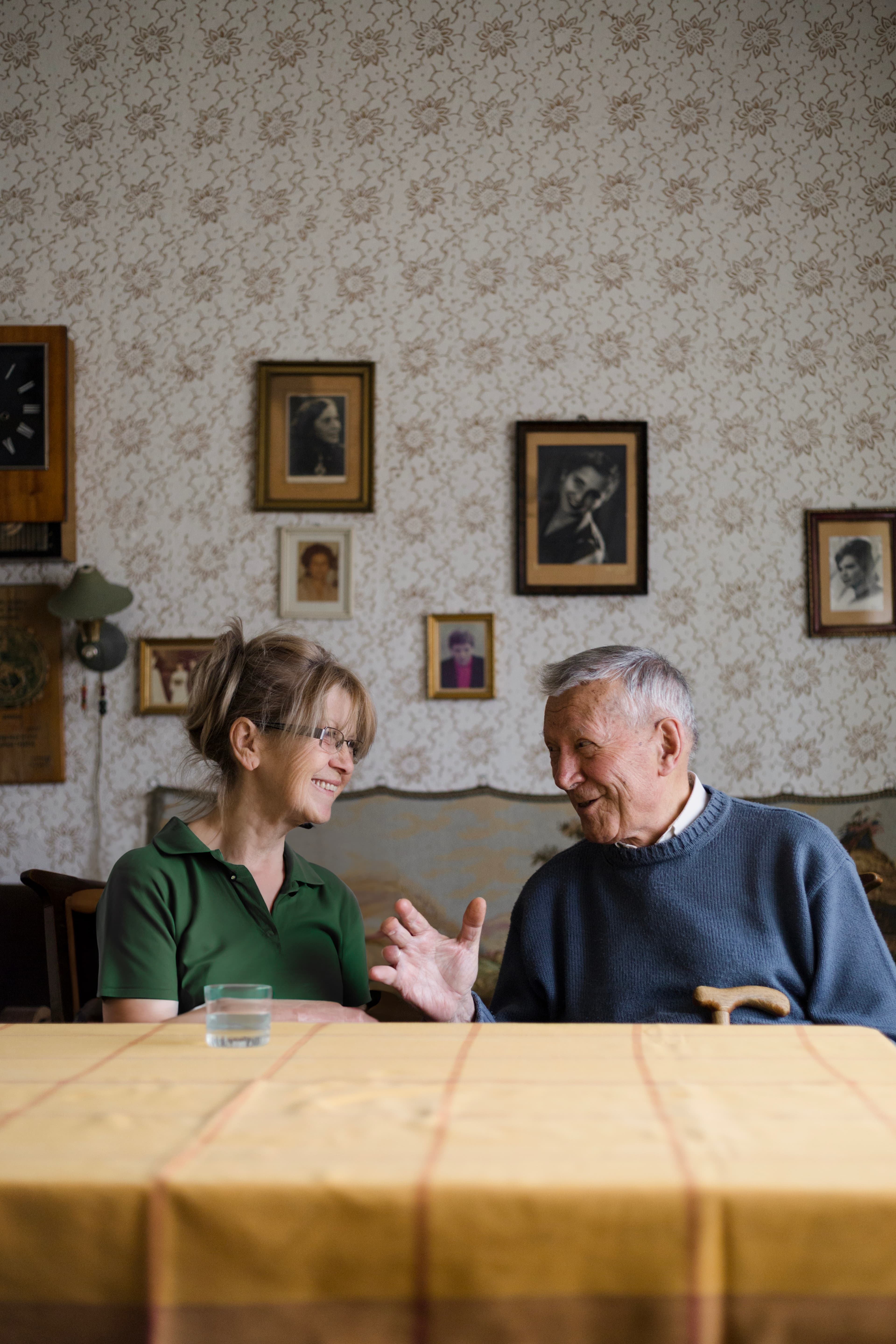
When we think about ageing well, many of us picture healthy meals, regular exercise, and the right medical support. But what if one of the most powerful contributors to well-being is something less visible, like conversation, laughter, and shared experiences? For older adults across Reading, social connection isn’t just a “nice to have”, it’s a lifeline. At Home Instead Reading, we see daily how companionship shapes the lives of those we support.
Let’s explore how friendships, community ties, and even small group activities can protect mental and physical health, and why this matters more than ever in our local area.
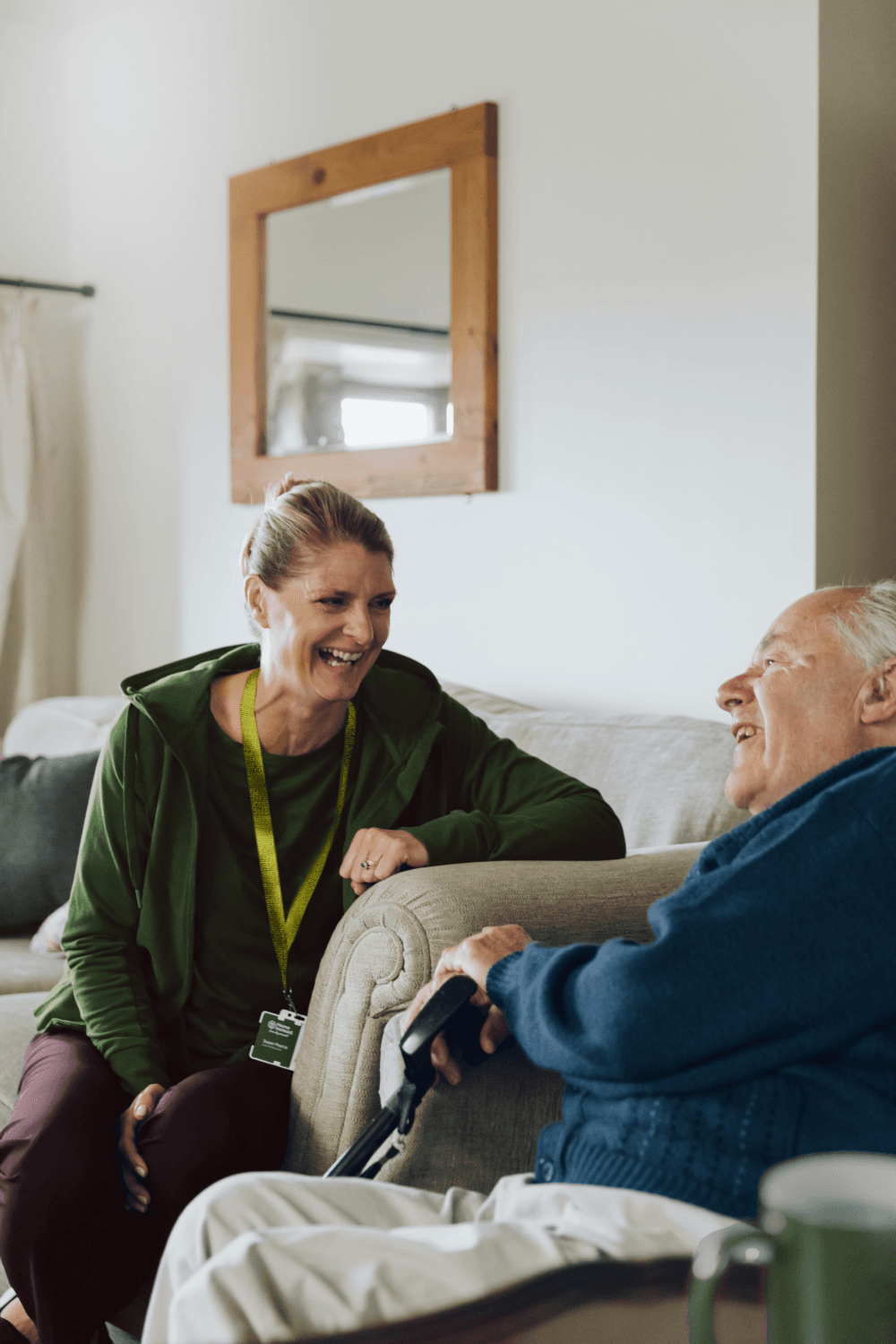
Why Social Connection Should Be Taken as Seriously as Physical Health
Medical experts are increasingly treating loneliness and social isolation as health issues in their own right. According to global research, chronic loneliness has been linked to serious health risks, comparable to smoking or obesity. Loneliness contributes to serious health outcomes worldwide, affecting hundreds of thousands each year
As our population ages, locally and globally, we must start viewing meaningful connection as essential to good health. For residents aged 65 and over in Reading, it’s not just about staying busy. It’s about feeling seen, valued, and part of something.

What Does Social Connection Really Mean?
Social connection is more than simply being around people. It includes:
- Structure: the number of people in your life
- Quality: how emotionally satisfying your interactions are
- Function: the support you feel you can rely on
Someone might attend weekly events but still feel lonely if those interactions lack emotional depth. On the other hand, someone who lives alone may feel entirely content if they have meaningful conversations and dependable friendships.
For older adults in Reading, changes like bereavement, health conditions, mobility challenges, and retirement can shrink social circles. Add in challenges with digital technology, and staying connected becomes even harder.
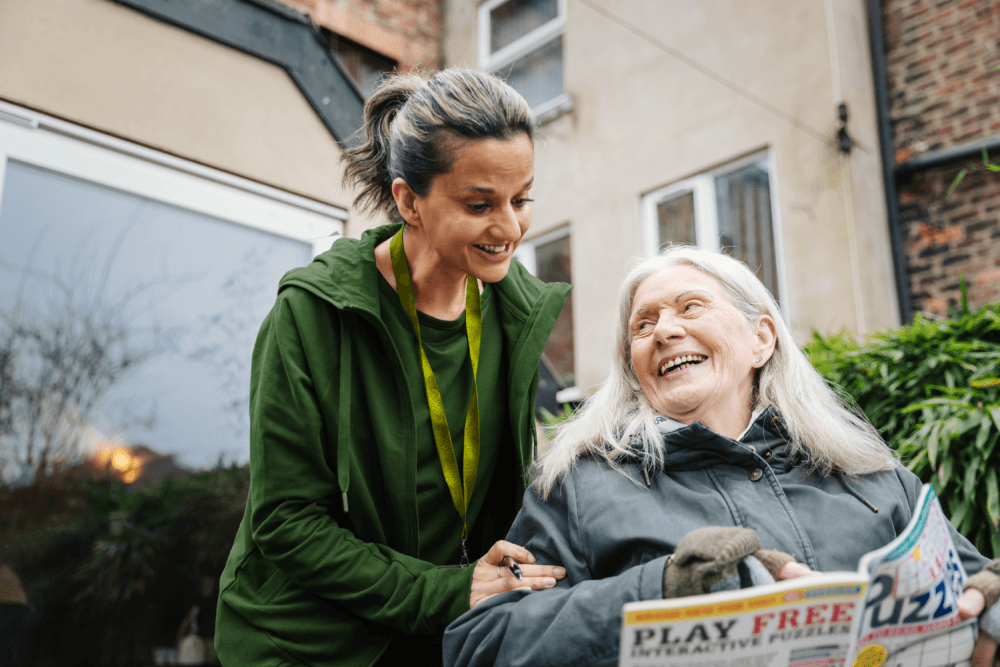
Proven Ways to Rebuild Connection, And They’re Happening Right Here
Research-backed strategies show us how to reduce loneliness among older adults. At Home Instead Reading, we’re proud to support and suggest activities that bring joy, companionship, and purpose to everyday life.
Book Clubs: Connection Through Shared Stories
Book clubs offer a wonderful balance of intellectual stimulation and emotional connection. Whether it’s discussing a classic novel or a modern memoir, these gatherings give older adults the chance to express their views and hear new perspectives. They’re also a great way to form bonds over a shared love of reading. In Reading, several local libraries and community hubs host regular groups designed specifically with older participants in mind.
Indoor Gardening: Growing Friendships, Not Just Flowers
Not everyone has a garden, but that doesn’t mean you can’t enjoy the satisfaction of nurturing life. Indoor gardening clubs, or even small, home-based planting projects with a visiting carer, allow older adults to connect with nature and with each other. Whether it’s herbs in a window box or potted tomatoes, the act of caring for something living offers both purpose and calm. In group settings, it sparks conversation and pride.
Local Theatre: Watching and Participating
Reading’s local arts scene is a gem for older residents. Attending matinees, joining drama appreciation groups, or even taking part in amateur performances offers the chance to socialise and express creativity. Shared experiences like theatre outings deepen bonds and spark conversation long after the curtain falls.
Memory Cafés and Coffee Mornings: Warmth and Welcome
Events like memory cafés and casual coffee mornings are vital. They provide informal settings for older people, including those living with dementia, to engage socially in a low-pressure, welcoming space. In Reading, these gatherings often include music, conversation, and gentle activities. Most importantly, they are consistent, offering something for attendees to look forward to each week.
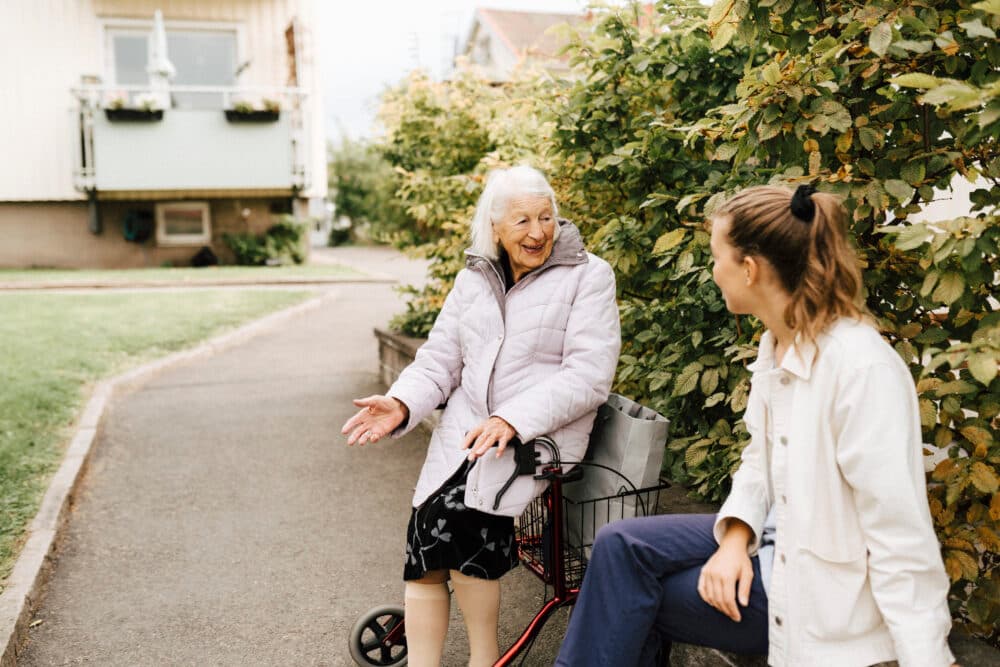
Friendship Isn’t Just Comforting, It Supports Mental and Physical Health
Scientific studies repeatedly show that meaningful connections lower the risk of depression, anxiety, and cognitive decline. Loneliness has even been linked to higher levels of inflammation and poorer immune function.
It’s not just about having someone to talk to, it’s about feeling emotionally safe and respected. Experts suggest that having around four close friends can significantly improve emotional well-being in later life. These don’t have to be lifelong companions. A neighbour who chats over the garden fence or a fellow member of a singing group can make a big difference.
For some, friendships offer a different kind of ease and support that complements or even substitutes for family ties. For older adults without close family, or for those from marginalised backgrounds, friends often become chosen family, offering acceptance, warmth, and encouragement.
Not Everyone Starts From the Same Place: Why Equity Matters
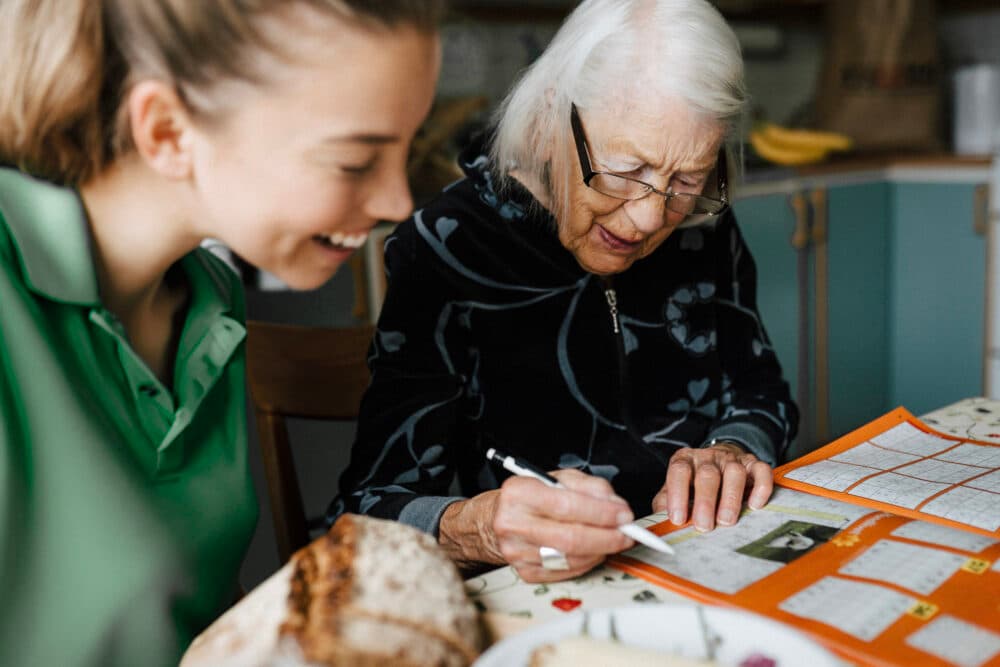
The experience of loneliness varies widely depending on individual circumstances. Older adults living with disabilities, those with dementia, or people in residential care settings may have fewer opportunities to form new connections. Digital exclusion can also widen the gap.
However, new projects are beginning to close this divide. Intergenerational music therapy, peer support forums, and culturally sensitive community programmes are helping older adults from all walks of life engage in meaningful ways. The key is tailoring support to the individual, not assuming a one-size-fits-all solution.
The Digital World: Lifeline or Barrier?
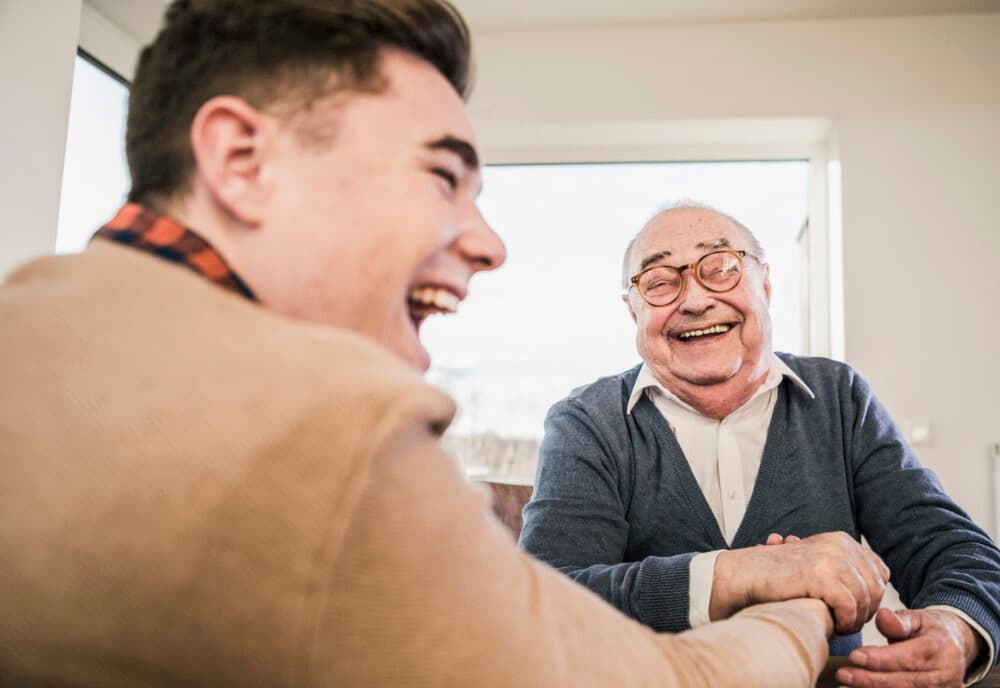
Technology can be both a blessing and a challenge. Video calls, group chats, and online communities have helped many older adults stay connected, especially those with mobility issues or who live alone.
Navigating devices and understanding privacy settings can sometimes feel confusing without the right support. At Home Instead Reading, we help clients build digital confidence, whether that’s learning how to use a tablet or setting up video calls with loved ones. We also support safe digital practice, helping people understand how their information is used and what control they have over it.
What Needs to Happen Next, In Reading and Beyond
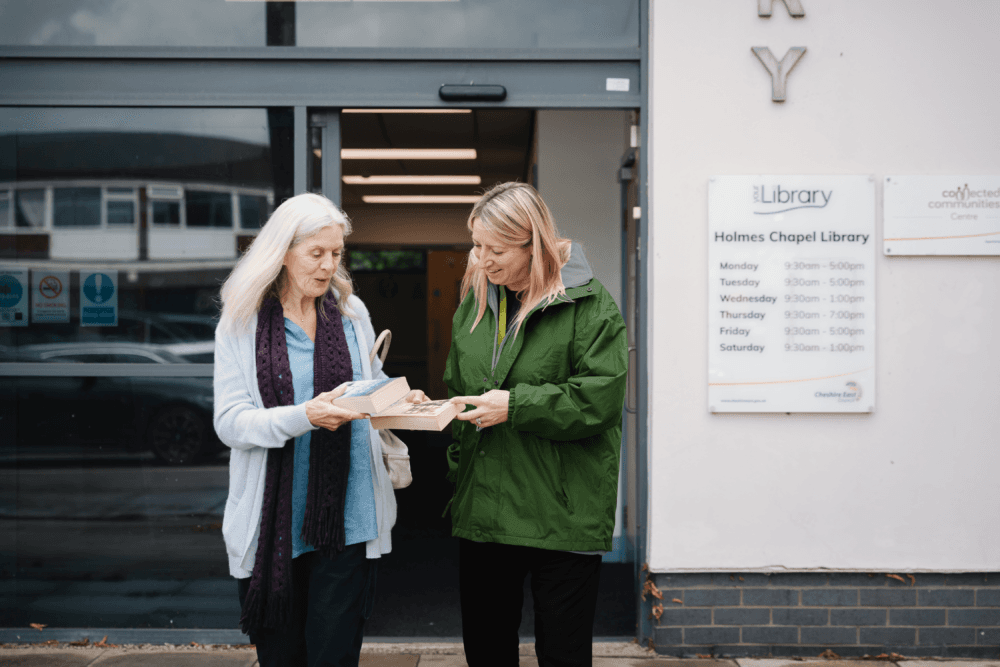
Improving social connection is not just an individual responsibility, it requires community and policy-level support. Governments and local authorities can help by:
- Including social health in public policy
- Funding intergenerational projects and social spaces
- Supporting local transport and accessible venues
- Offering digital literacy training and support
- Promoting campaigns that normalise asking for company or help
But none of this replaces the power of local action.
In Reading, simple things can make a big impact. A neighbourly check-in. A lift to the community centre. Inviting someone new to join a group. It’s these everyday choices that build the fabric of a connected town.
What We’re Doing at Home Instead Reading
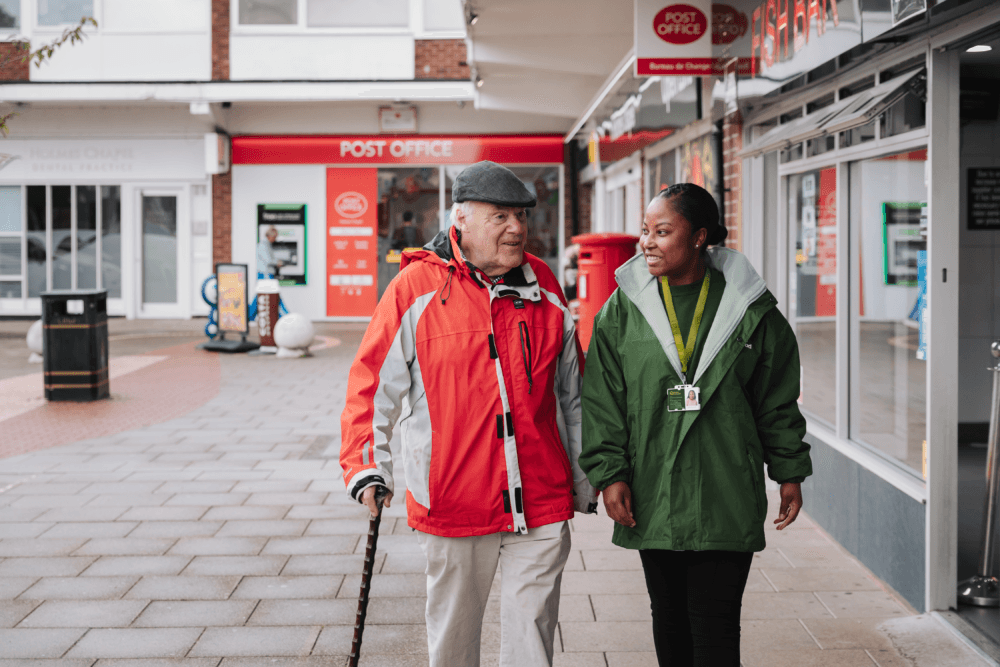
At Home Instead Reading, we understand that care is not just about physical support, it’s about companionship, dignity, and emotional well-being. That’s why our care plans always include time for conversation, outings, shared hobbies, and meaningful connections.
We can accompany clients to book clubs, gardening sessions, or local events, or simply provide warm company over a cup of tea. We also help clients access memory cafés and community programmes, while working closely with families to understand what connection means for each individual.

Final Thoughts: Connection is Care
Growing older should never mean growing lonely. Everyone deserves to feel a sense of belonging, whether they’re joining a lively book club or enjoying a quiet cuppa with a trusted companion.
Loneliness doesn’t have to be part of growing older. It’s something we can challenge, together, through small actions, inclusive spaces, and thoughtful care.
If you or someone you love is feeling disconnected, we’re here to help.

How can we help?
We've helped thousands of families to stay safe, comfortable and happy at home. Whatever situation you're facing, or whatever the question is, Home Instead is here to help.
Are you in need of a little guidance right away?
03300 583450Other non-care-related enquiries
Areas We Serve
Caversham, Emmer Green, Woodley, Earley, Tilehurst, Pangbourne, Sonning, Henley-on-Thames, Twyford, Wokingham
RG1 1, RG1 2, RG1 3, RG1 4, RG1 5, RG1 6, RG1 7, RG1 8, RG2 0, RG2 6, RG2 7, RG2 8, RG2 9, RG30 1, RG30 2, RG30 3, RG30 4, RG30 6, RG31 4, RG31 5, RG31 6, RG31 7, RG4 5, RG4 7, RG4 8, RG5 3, RG6 1, RG6 3, RG6 4, RG6 5, RG6 6, RG6 7, RG8 7, RG8 8, RG8 9
Suite 133, Spaces Waterside Drive, Arlington Business Park, Theale, Berkshire, RG7 4SA, United Kingdom