Keeping Older Adults Hydrated in Reading

Practical Summer Tips for Better Hydration at Home
In Reading, the warmth of July brings longer days and more time spent outdoors. It also increases the risk of dehydration, especially for older adults receiving care at home. Whether someone is living with dementia, Parkinson’s, mobility challenges, or simply feeling the effects of age, hydration is essential to their comfort and wellbeing. At Home Instead Reading, we support older people across the local community to stay healthy and safe by making hydration part of everyday care. In this blog, we explore how to recognise signs of dehydration, suggest the best drinks and water-rich foods to include, highlight what to avoid, and offer practical tips for families and carers throughout the summer.
We’ll look at why hydration matters more with age, how to adapt routines to make fluid intake easier, and the simple yet powerful steps families and carers can take to help older loved ones stay well hydrated during the warmer months.

Why Older People Are More at Risk of Dehydration
As we age, our body’s natural thirst mechanism becomes less effective. Many older adults don’t feel thirsty even when they’re already dehydrated. According to Age UK Salford, By the time someone feels thirsty, they may already be low on fluids.
Several age-related factors contribute to this:
- Reduced sense of thirst means older adults may not realise they need to drink.
- Worries about incontinence can lead to people drinking less to avoid accidents.
- Mobility issues may prevent them from reaching drinks or using the bathroom easily.
- Cognitive changes, such as dementia, can affect awareness and memory around drinking.
- Medications, especially diuretics, increase fluid loss.
- Isolation or depression may reduce the routine of drinking, especially in people who live alone.
Insufficient fluid intake can affect health in many ways, from increased confusion and dizziness to a greater chance of urinary tract infections or hospital stays. Supporting regular hydration helps reduce these risks.

Best Ways to Help the Elderly Stay Hydrated
Supporting hydration doesn’t have to involve big changes. Small, thoughtful actions make a real difference, especially when tailored to someone’s routine, memory, preferences, or physical needs.
1. Build Drinking into the Day
Rather than waiting until someone feels thirsty, encourage drinking at set times:
- With meals and snacks
- When taking medication
- When enjoying TV or a favourite activity
- After coming in from a walk or trip out
Structure brings consistency. Even someone with memory issues benefits from repeated gentle prompts throughout the day.
2. Use Favourite Mugs or Familiar Cups
Older adults are more likely to drink from cups they recognise or like using. For those with dementia, bright-coloured cups that contrast with the table are easier to spot and more appealing.
3. Offer Hydrating Snacks
It’s not all about water. Foods with a high water content help too. Try including:
- Watermelon
- Cucumber
- Soups and broths
- Jelly
- Stewed fruits
- Yoghurt
- Ice lollies in warmer weather
These are particularly helpful for those who eat well but don’t naturally drink much.
4. Make Fluids Easy to Reach
Place drinks within arm’s reach. Use cups with straws, handles, or lightweight bottles. A visible jug on the table can act as a visual prompt to drink, especially for those with memory loss.

Drinks and Foods That Can Dehydrate
While some drinks contribute to hydration, others can have the opposite effect, particularly in larger quantities or when someone is on medication.
Drinks to Limit:
- Caffeinated drinks like strong coffee or energy drinks (they still count towards hydration, but too many can increase urine output)
- Alcohol, which is dehydrating and may also interact with medication
- Sugary fizzy drinks, which can affect blood sugar levels and tooth health
Foods That May Contribute to Dehydration:
- Salty foods (crisps, processed meats, ready meals) which increase thirst
- Highly processed snacks, especially those low in moisture like crackers or biscuits
These foods don’t need to be avoided entirely, but they should be balanced with hydrating options and plenty of fluids.
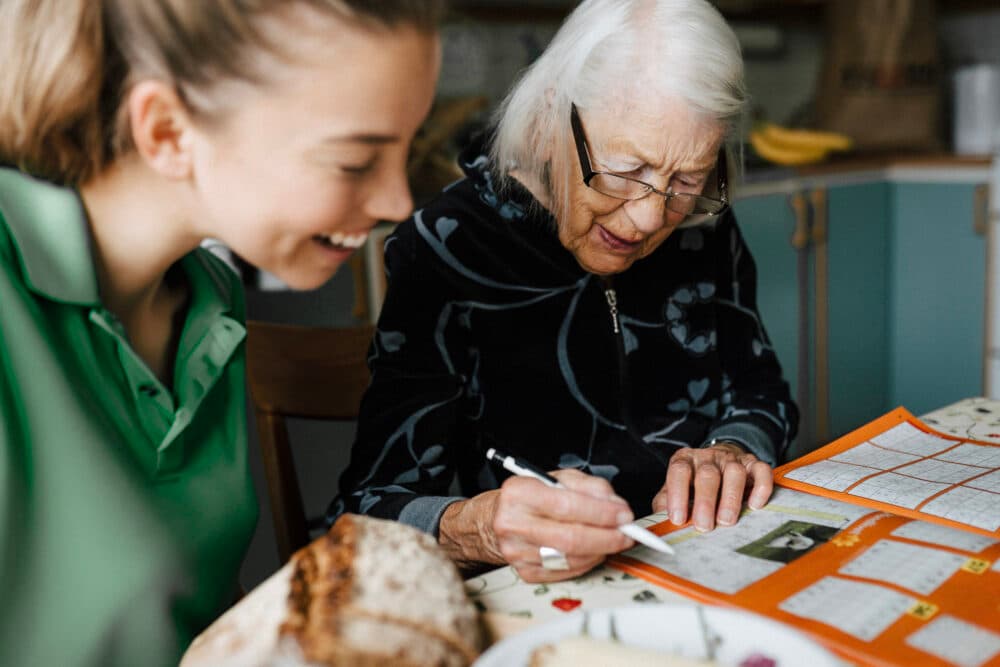
Tailored Hydration Support for Dementia and Parkinson’s
For someone living with dementia, recognising a drink, remembering to sip, or understanding instructions may be difficult.
Here’s what we’ve found works well:
- Offer drinks little and often, don’t wait for them to ask
- Stick to familiar drinks (tea, diluted juice, hot chocolate)
- Use handled mugs, especially ones with lids or straws
- Keep drinks in sight, place them where they can be seen easily
- Offer Jelly Drops®, a sweet treat made of 95% water designed specifically for people with dementia
Hydration is also vital for people with Parkinson’s, where mobility and swallowing may be affected. Thicker fluids, or drinks served with specialist cups, can help.

Spotting the Signs of Dehydration in Older Adults
It’s easy to miss the early signs of dehydration. Keep an eye out for:
- Dry lips or mouth
- Headaches
- Drowsiness or irritability
- Dizziness or unsteadiness
- Dark or strong-smelling urine
- Going to the toilet less than four times a day
- Confusion or sudden changes in behaviour
An easy way to check is by looking at urine colour. Pale straw-coloured urine usually indicates good hydration. Darker urine suggests more fluid is needed.

Practical Solutions You Can Use at Home
At Home Instead Reading, our care team often supports hydration through small, practical daily routines. Here are some of the strategies we use that you can apply at home:
- Start each visit or conversation with a drink
- Offer drinks at set times, after meals, with tablets, mid-morning, before bed
- Create a hydration chart or checklist to track daily intake
- Make it sociable: a shared cup of tea can do more than hydrate, it can also connect
- Add interest to drinks with slices of fruit, a drop of cordial, or warm milk with cinnamon
And if managing fluids becomes more challenging, it may help to speak with a GP or local care provider. Support such as regular home visits can make hydration feel easier and more natural.
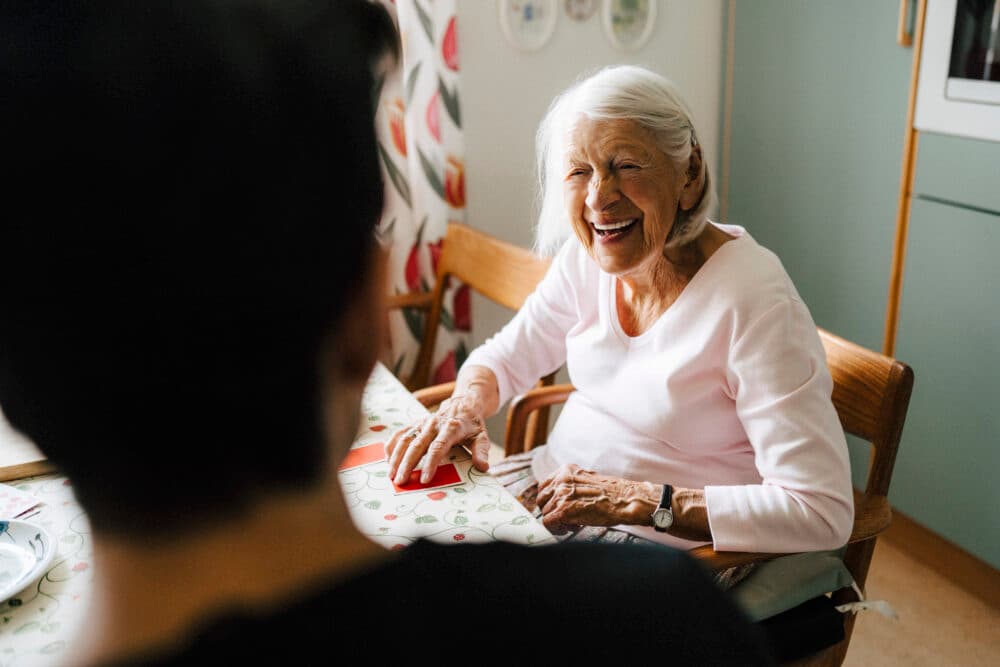
What Research Tells Us
Academic reviews and trials support what we see in practice: that hydration improves when education, routine, and reminders are all in place.
- Fluid intake can increase by up to 160% with structured routines (Gomez et al., 2013)
- Falls, UTIs, and delirium are less frequent when older people drink more regularly
- Reminders and visual cues work better than education alone, especially when used every day
There’s still a lack of large trials on hydration in home settings, but one thing is clear: consistency works.

Recommendations for Family Members and Carers
Whether you’re supporting a parent, grandparent or someone you care for professionally, here are some tips to support better hydration:
- Keep drinks visible, varied, and easy to handle
- Create daily routines with drinks included
- Tailor your approach, favourite drinks, known mugs, comfortable cups
- Use memory-friendly prompts: verbal cues, checklists, hydration charts
- Keep track of how often they urinate, and notice any changes
- Seek professional advice if there are signs of dehydration or health concerns

Final Thoughts
Hydration isn’t just a tick box on a care checklist. It supports wellbeing, memory, balance, kidney function, and general health in ways that are especially important in later life.
At Home Instead Reading, we know that staying hydrated can feel like a small thing, but it makes a big difference.
By building simple habits, spotting warning signs early, and using the right tools and foods, we can help ensure older people stay well-hydrated every day, whether at home, with family, or receiving support.
If you’re concerned about hydration or home care for someone you love, our compassionate team in Reading is here to help. Contact us for a friendly conversation about how we can support your loved one with dignity and care in Reading.
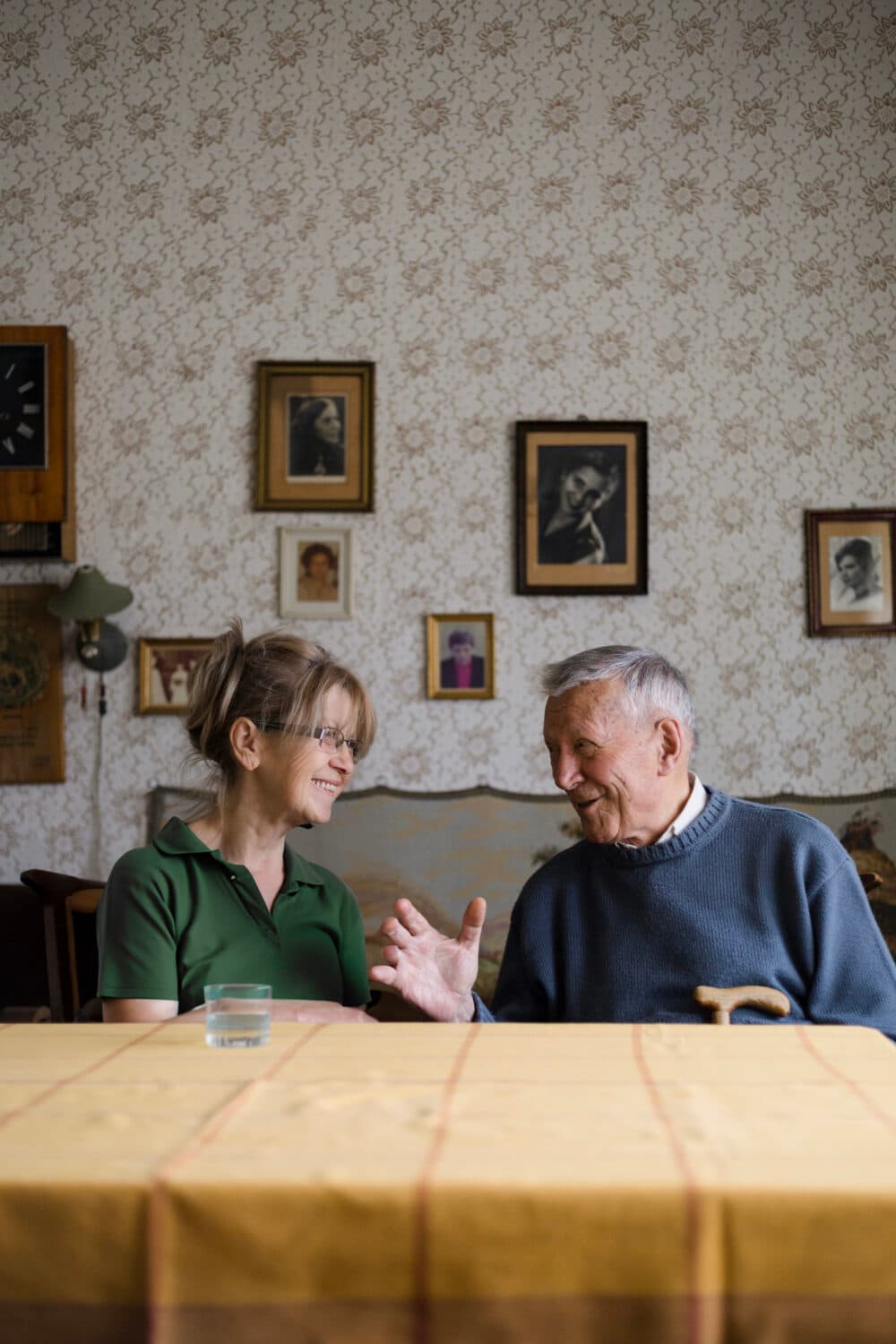
Areas We Serve
Caversham, Emmer Green, Woodley, Earley, Tilehurst, Pangbourne, Sonning, Henley-on-Thames, Twyford, Wokingham
RG1 1, RG1 2, RG1 3, RG1 4, RG1 5, RG1 6, RG1 7, RG1 8, RG2 0, RG2 6, RG2 7, RG2 8, RG2 9, RG30 1, RG30 2, RG30 3, RG30 4, RG30 6, RG31 4, RG31 5, RG31 6, RG31 7, RG4 5, RG4 7, RG4 8, RG5 3, RG6 1, RG6 3, RG6 4, RG6 5, RG6 6, RG6 7, RG8 7, RG8 8, RG8 9
Suite 133, Spaces Waterside Drive, Arlington Business Park, Theale, Berkshire, RG7 4SA, United Kingdom