Why Emotional Support Is Just as Important as Practical Help

When someone you love needs a bit of extra support at home, it is natural to focus on the practical things first. Getting washed and dressed, eating well, taking medication on time, keeping the home tidy, and getting to appointments all matter. Yet for many people, the hardest part of needing help is not the tasks themselves. It is how it feels.
Private care at home is often most effective when it supports the whole person, not just the to-do list. Alongside practical assistance, emotional support can bring steadiness, confidence, and comfort, especially during times of change. In communities like Braunton and across North Devon, where familiar routines and local connections mean a great deal, that human side of care can make a real difference day to day.
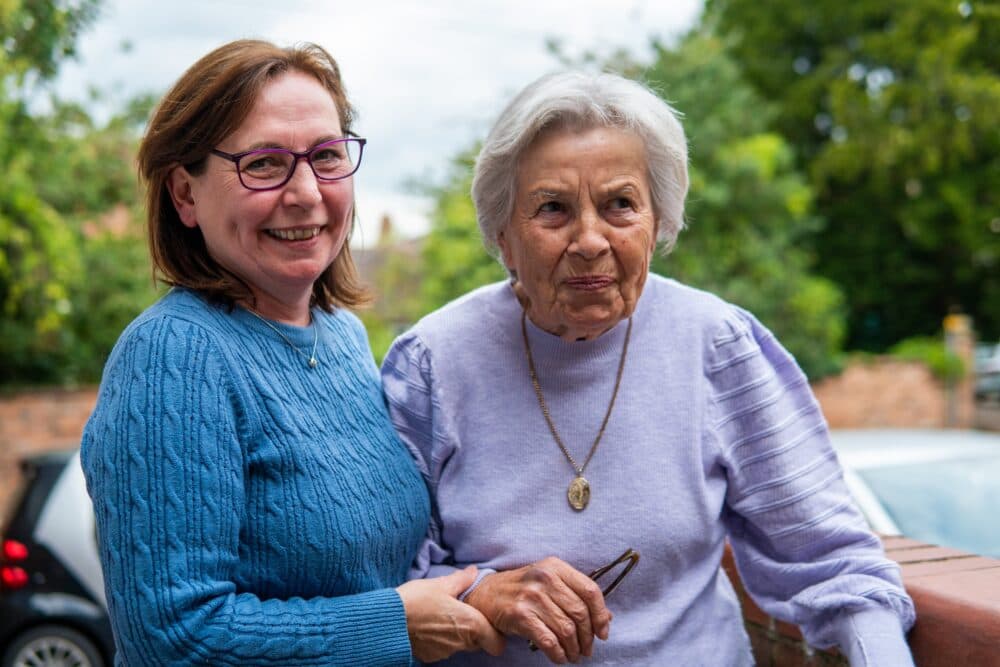
Practical Help Supports Daily Life, But Emotional Support Supports Wellbeing
Practical care is what most people picture first. It might include help with:
- Morning or bedtime routines
- Meal preparation and drinks throughout the day
- Light housekeeping and laundry
- Medication prompts
- Support to get out and about safely
These forms of help can reduce strain and keep life running smoothly. Emotional support, however, helps with the parts that are harder to put into words, such as feeling listened to, feeling safe, and feeling like yourself.
Emotional support in home care can look like:
- Calm companionship and friendly conversation
- Gentle reassurance when someone feels uncertain
- Encouragement to keep doing the things they enjoy
- A consistent, familiar presence that reduces worry
- Respect for personal preferences, routines, and independence
When both practical and emotional needs are met, many people feel more settled at home. It can also help family members feel reassured that their loved one is not only being looked after, but also being understood.
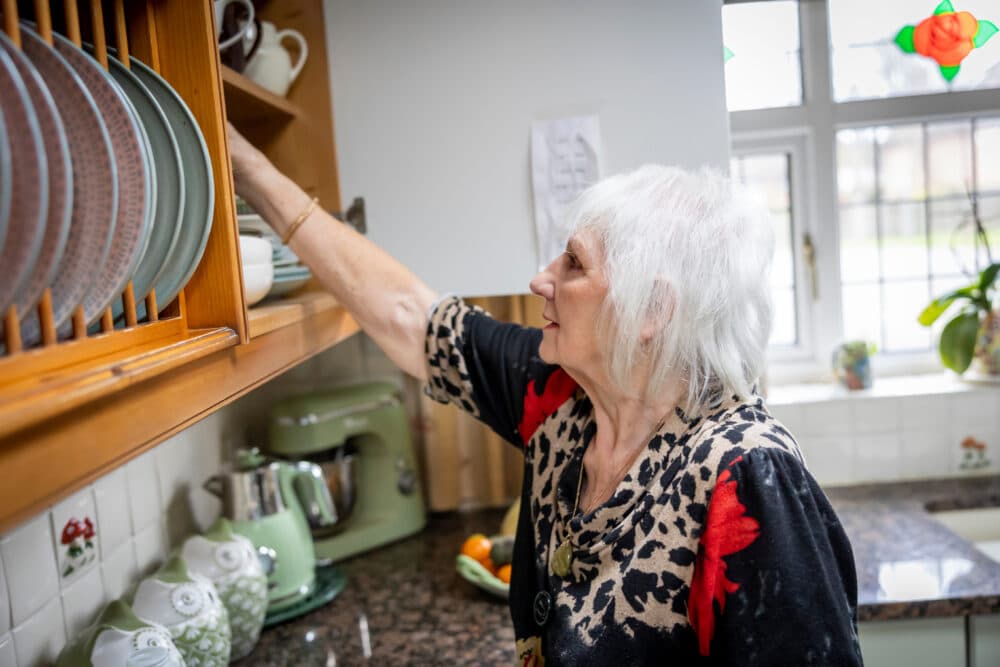
Why Needing Help Can Feel Like a Bigger Change Than People Expect
Accepting support at home can bring mixed emotions. Even when care is welcomed, someone may still feel a loss of confidence or worry about being a burden. Others may feel frustrated that things take longer than they used to, or simply feel out of sorts because their routine has changed. For some, the change for a parent, from carer to cared-for, is difficult to accept.
These feelings are understandable and common. They are not a sign that someone is ungrateful or “not coping”. They are part of adjusting.
A kind, consistent Care Professional can help make that adjustment feel gentler. Small, steady actions matter here, such as turning up on time, explaining what is happening, offering choices, and taking cues from the client about pace and privacy.
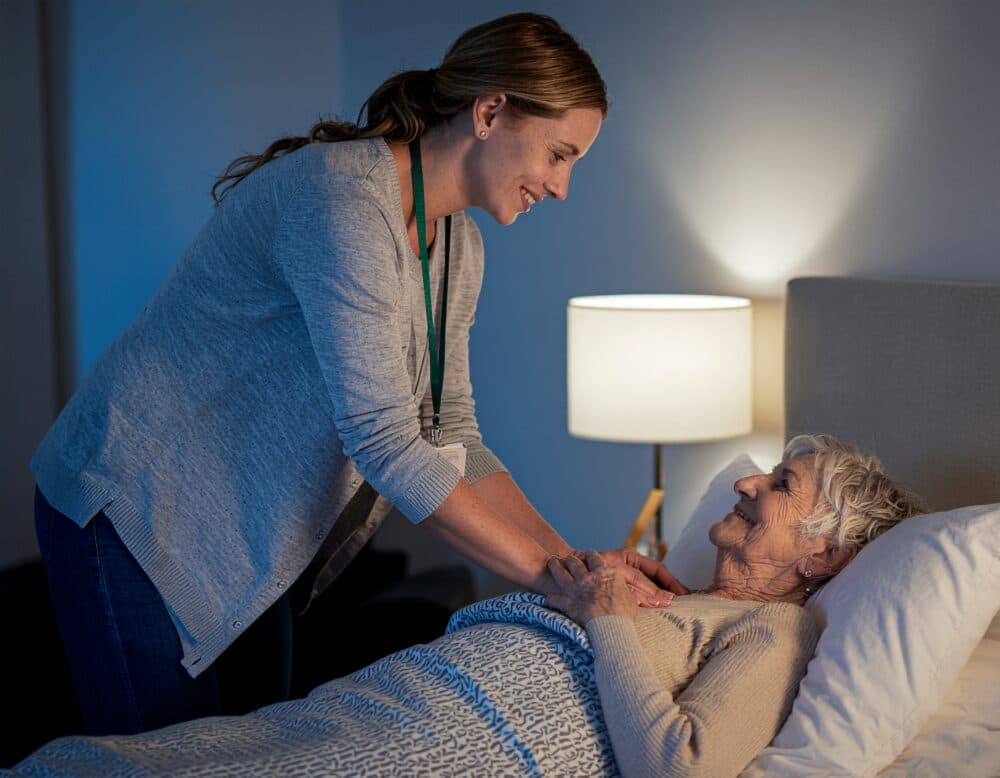
Emotional Support Helps People Stay Connected to Who They Are
Good private care at home is not about taking over. It is about supporting someone to keep living in a way that feels familiar and meaningful.
For some, that means having time to chat about local life, family news, or a favourite hobby. For others, it means encouragement to keep up routines like making a cup of tea in the morning, tending to plants, or going for a short walk when the weather is kind.
When emotional support is part of care, it can help people:
- Maintain confidence in their own decisions
- Feel less alone, especially if they live by themselves
- Keep a sense of purpose, routine, and normality
- Feel calmer in moments of change
- Enjoy more positive days at home
This does not need to be complicated or intense. Often, it is the steady, respectful presence of one or two consistent Care Professionals that brings the most comfort.

The Value of Companionship for Families as Well
Families often carry a quiet load, even when they do not talk about it. They may be juggling work, travel, childcare, and their own health, while also worrying about a parent or partner at home. Practical support can reduce the physical demands, but emotional support can ease the worry that someone is spending long stretches of the day alone.
Knowing that a loved one has friendly company, a listening ear, and a familiar face can be reassuring. It can also improve communication between the client, family, and care team, because small changes in mood or routine are more likely to be noticed early and handled thoughtfully.

What Emotional Support Looks Like in High-Quality Home Care
Emotional support is not about forced cheerfulness or constant conversation. It is about tuning in to what the person needs, and responding with patience and respect.
In day-to-day private care at home, this might include:
Building trust through consistency
Seeing the same Care Professional regularly helps a relationship develop naturally. Trust grows through reliability, kindness, and doing what was agreed.
Supporting independence with gentle encouragement
Rather than stepping in too quickly, a Care Professional can support someone to do what they can safely do themselves, with help only where needed.
Communicating in a calm, respectful way
Simple things matter, like asking permission before helping, explaining what is happening, and allowing time for decisions.
Creating space for feelings without judgement
If someone is feeling low, tired, or unsettled, it helps to have a calm, steady presence that does not rush them.
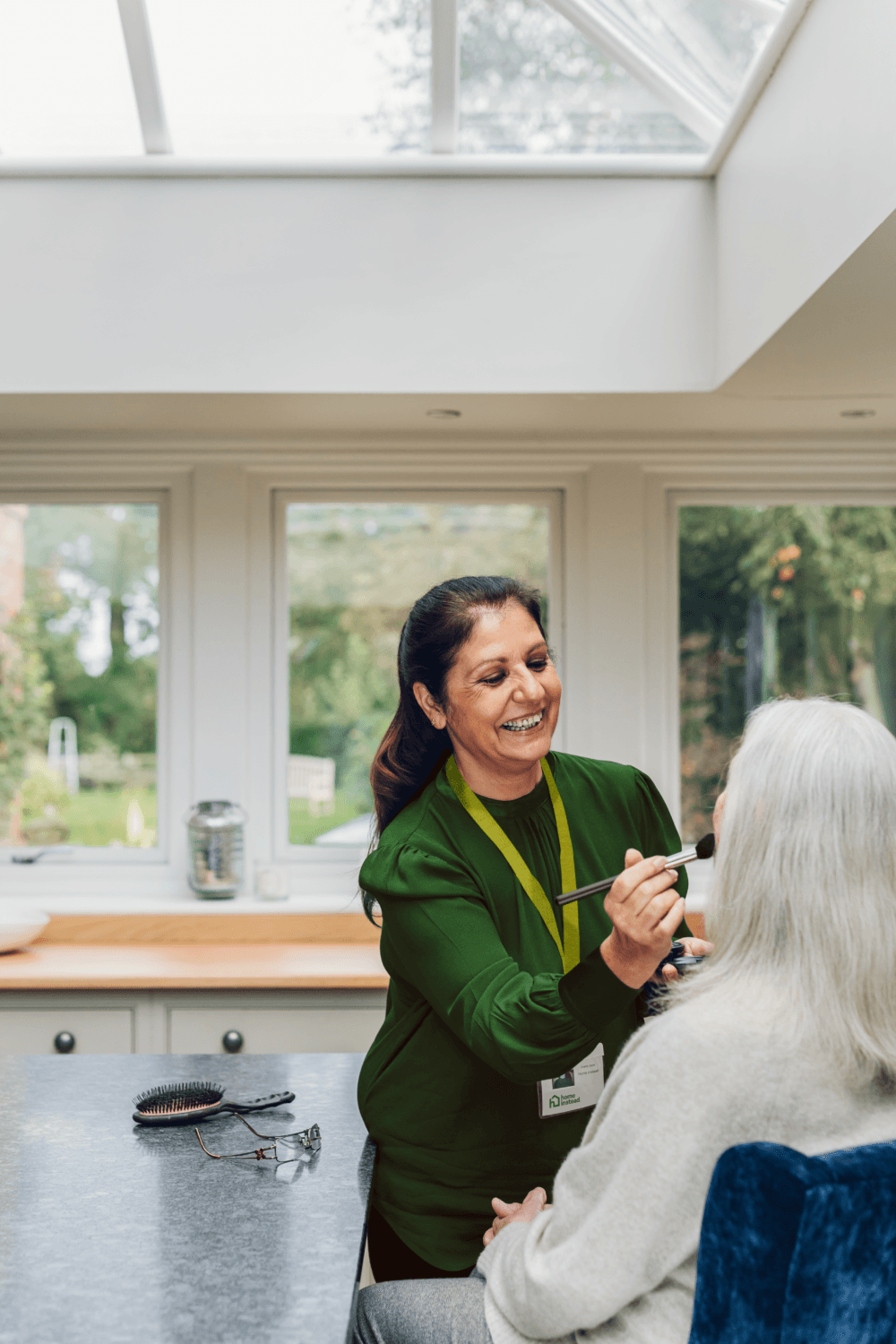
When Emotional Support Matters Most
Emotional support can be particularly helpful during certain life moments, such as:
- After a hospital stay, when confidence may feel shaken
- Following a bereavement, when the home feels different
- When mobility changes, and routines need adjusting
- When someone stops driving and feels less independent
- During early changes in memory or concentration
- When a family carer needs a break and feels stretched
In these situations, practical help is important, but emotional steadiness is often what helps people feel more like themselves again.
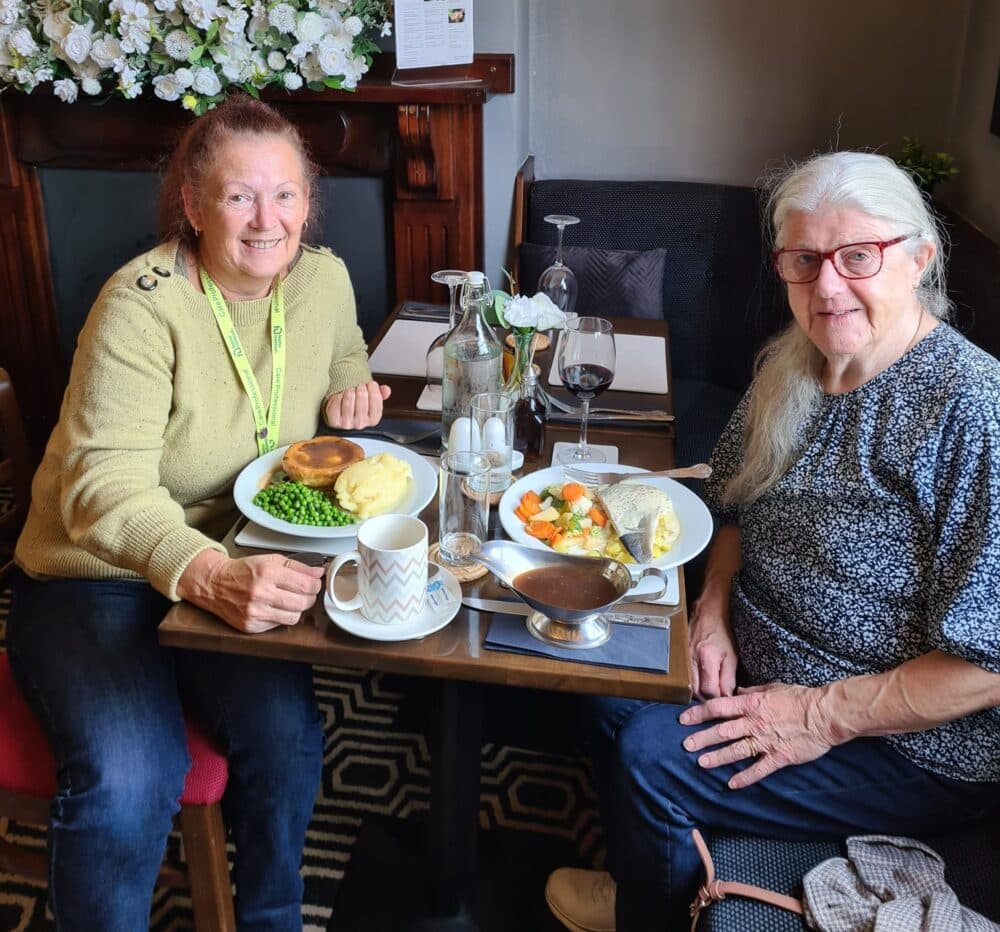
Choosing Private Care at Home That Feels Personal
If you are exploring private care at home in Braunton, it can help to look for care that is shaped around the person, not just a set of tasks. The right support should feel respectful, calm, and consistent.
A helpful starting point is to think about:
- What times of day feel hardest or most tiring
- What routines matter most to the person
- What helps them feel calm and comfortable
- What they enjoy and would like to keep doing
- How family members would like to stay involved
Care can then be built around those needs, so it fits into everyday life rather than disrupting it.

Your Local Home Instead Team
If you would like to talk through private care at home in a calm, no-pressure way, your local team can help you understand what support could look like and what might suit your family.
Home Instead office name:
Home Instead North Devon & Exmoor
Office phone number:
01769 302003
Office website URL:
https://www.homeinstead.co.uk/north-devon-exmoor/
Google Business Profile link:
https://maps.app.goo.gl/6VqCXAJrM61SNye58
Areas covered (towns/villages/communities):
Bideford, Barnstaple, Northam, South Molton, Braunton, Combe Martin, Kings Nympton, Bratton Fleming, Landkey, Fremington
Postcodes served:
EX31 1, EX31 2, EX31 3, EX31 4, EX32 0, EX32 7, EX32 8, EX32 9, EX33 1, EX33 2, EX34 0, EX34 7, EX34 8, EX34 9, EX35 6, EX36 3, EX36 4, EX37 9, EX39 1, EX39 2, EX39 3, EX39 4, TA22 9, TA24 7, TA24 8

Ratings and Compliance
Homecare.co.uk rating:
9.6 out of 10
Profile link:
https://www.homecare.co.uk/homecare/agency.cfm/id/65432224700
CQC rating:
Outstanding
CQC report link:
https://www.cqc.org.uk/location/1-4040578000/contact

A gentle next step
If you are considering support at home, it may help to learn more about private care at home and how care can be arranged around both practical needs and emotional wellbeing. When you are ready, you can explore the landing page and contact the local office to chat through options and ask any questions in your own time.

Areas We Serve
South Molton, Barnstaple, & the surrounding North Devon areas
EX31 1, EX31 2, EX31 3, EX31 4, EX32 0, EX32 7, EX32 8, EX32 9, EX33 1, EX33 2, EX34 0, EX34 7, EX34 8, EX34 9, EX35 6, EX36 3, EX36 4, EX37 9, EX39 1, EX39 2, EX39 3, EX39 4, TA22 9, TA24 7, TA24 8
Unit 1c, Lime Field, South Molton EX36 3BS, UK