Why Connection Matters for Independent Ageing
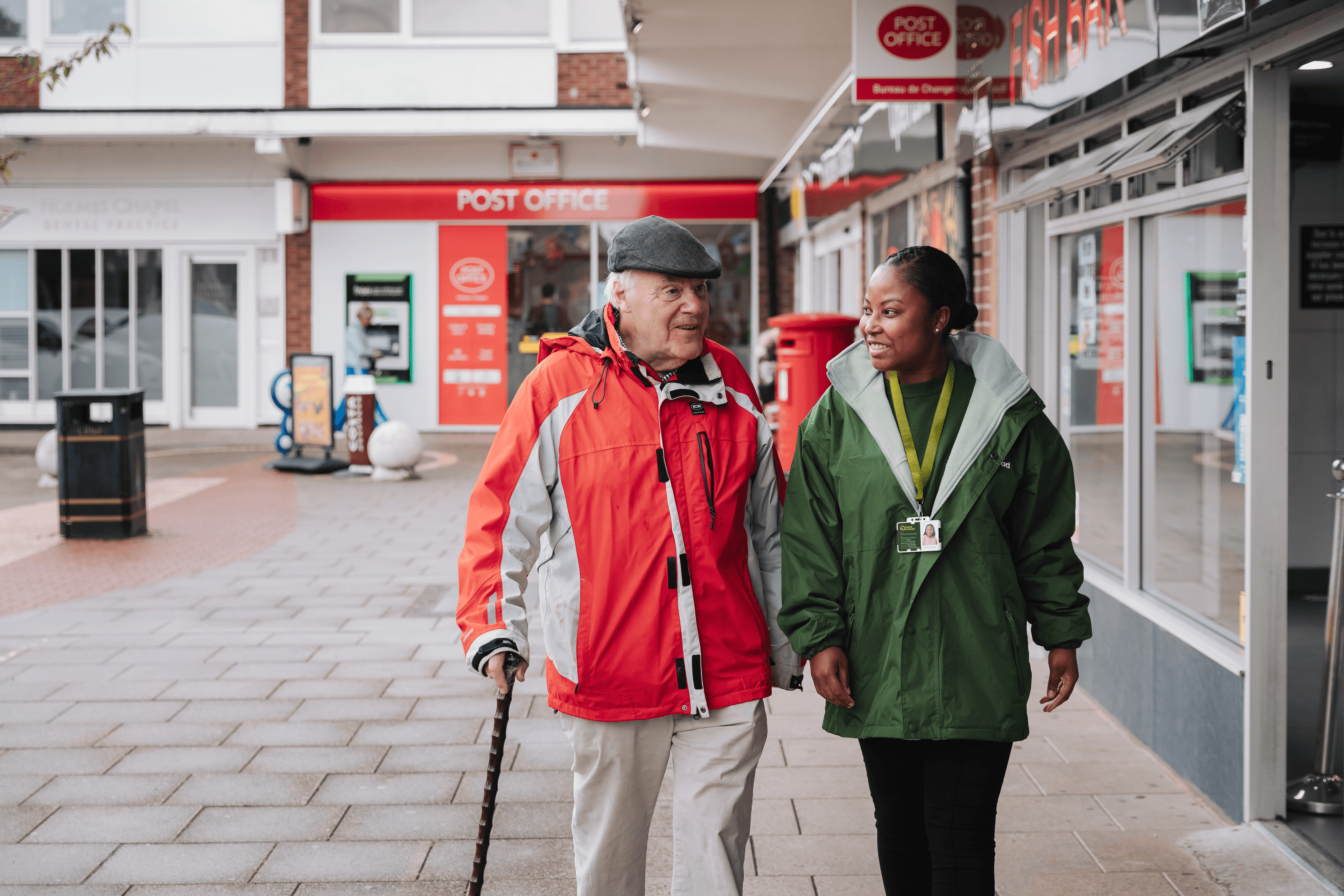
Have you ever wondered why a simple coffee morning or a chat at the local market can mean so much more as we grow older?
For many older adults in North Devon and across Exmoor, these seemingly ordinary moments are lifelines, opportunities to connect, laugh, remember, and feel valued. Our social networks may change with age: family may live far away, friends may move or pass on, and mobility or health challenges can limit social activities. But staying connected isn’t just about having fun; it plays a central role in our mental, emotional, and even physical well-being.
At Home Instead North Devon & Exmoor, we see firsthand how connection changes lives. And we’re not alone. Across Devon, a growing strategy is taking shape, one rooted in independence, community-led care, and meaningful relationships that support healthy ageing.

Ageing in North Devon & Exmoor: A Changing Landscape
Devon is home to one of the UK’s most rapidly ageing populations. Its scenic coastline, rural villages, and slower pace of life attract retirees from all over the country. But these charms come with challenges: a stretched health and care system, increased housing demand, limited transport options, and growing isolation among older residents.
By 2040, the number of people aged over 85 in Devon is expected to nearly double. Evidence suggests that older adults benefit from more than just medical care. They need meaningful contact, reliable support, and opportunities to remain active and involved.
Devon County Council’s new approach, Ageing Well in Devon, places connection and independence at its core. It aligns with what older people in the county repeatedly say matters most:
- Staying in their own homes
- Feeling safe and respected
- Remaining socially and physically active
- Receiving timely, personalised support
- Having purpose and being part of something
At Home Instead North Devon & Exmoor, these goals guide how we support older clients every day.
Loneliness Is More Than Just Feeling Alone
Loneliness affects more than mood; it can impact health in significant ways. Research shows loneliness has comparable health risks to smoking. It increases the risk of stroke, heart disease, cognitive decline, and even premature death.
In rural areas like Torridge and Mid Devon, isolation can be compounded by geography, limited transport, and digital exclusion. The loss of a partner, reduced mobility, or retirement can quickly change someone’s social life from active to less connected.
That’s why simple social activities carry so much weight. A memory café, a local theatre trip, or even a book club can offer vital connection points that nourish self-worth, identity, and joy.

The Power of Everyday Activities
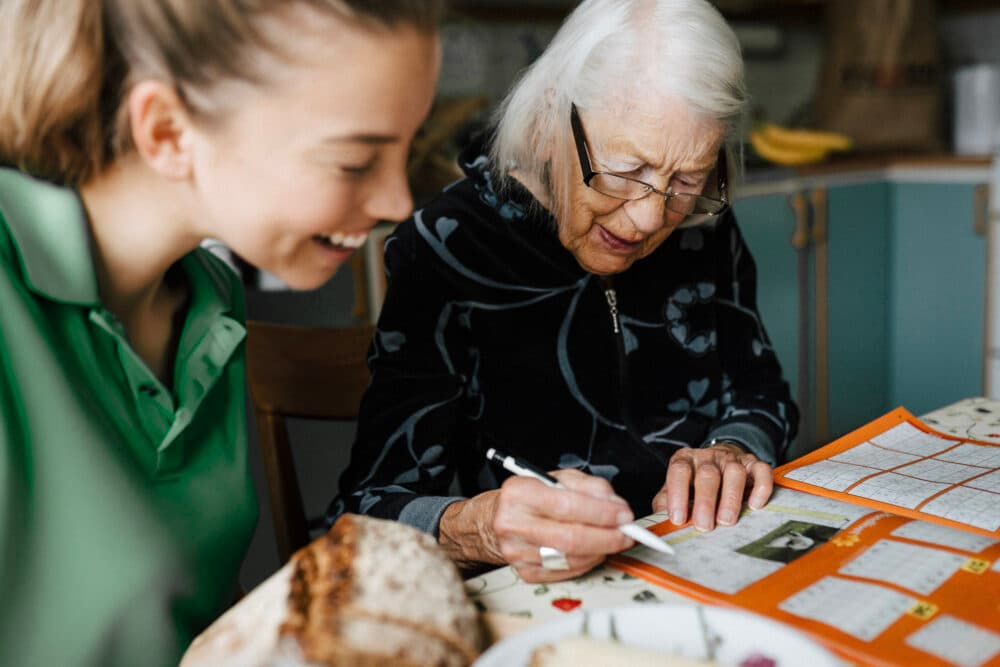
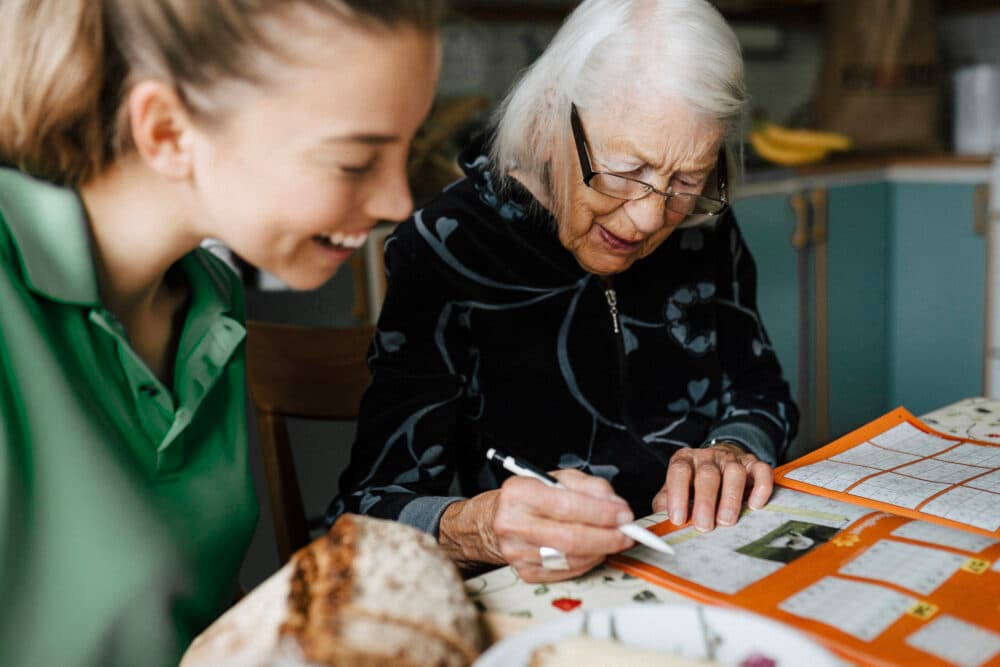
At Home Instead, we champion everyday moments. Our caregivers often support clients to attend community groups, host gardening afternoons, or enjoy home-based activities like puzzles, music, or reminiscence therapy. Why? Because connection doesn’t need grand gestures, it thrives in the ordinary.
Here are a few ways older adults in North Devon & Exmoor are reconnecting:
1. Board Games
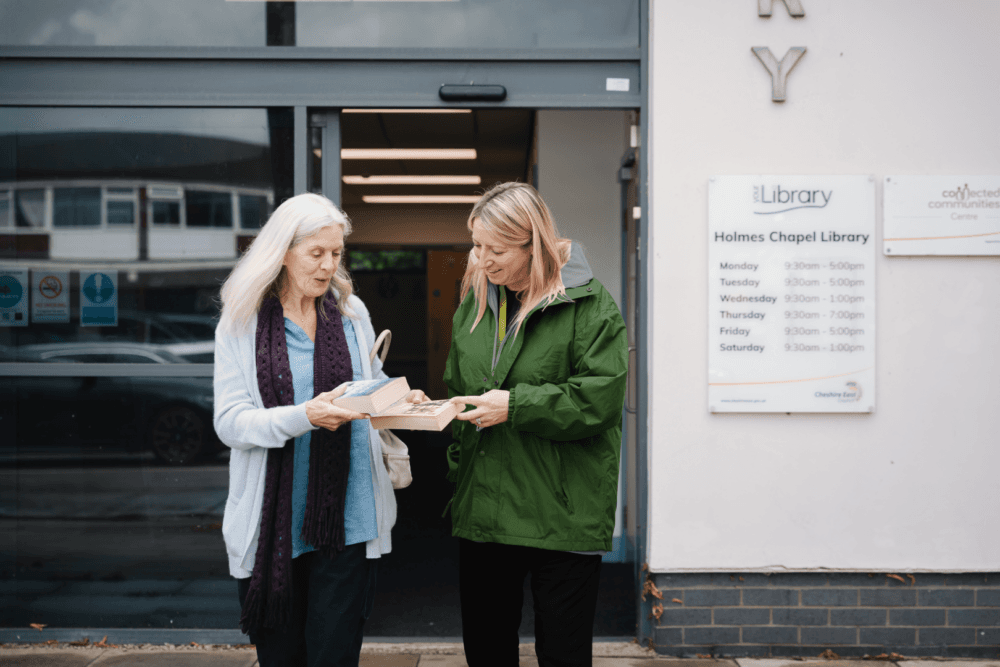
Libraries are not just about books any more! Many of our local libraries have board games to either borrow or play in the building. Barnstaple library has a board game cafe on a Wednesday afternoon at 2pm, where you can make new friends over Scrabble, or enemies over Monopoly!
2. Indoor Gardening
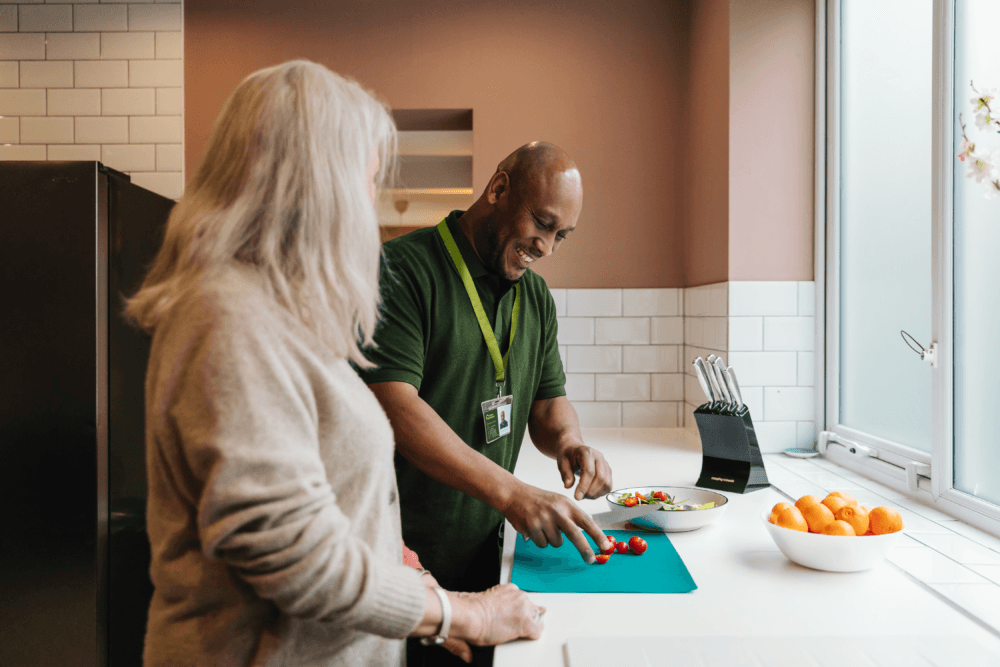
For those who can no longer manage an outdoor allotment, indoor gardening offers a calming, productive alternative. Nurturing plants can provide a sense of purpose and routine, while shared gardening sessions allow for gentle companionship and conversation.
3. Local Theatre
Theatre isn’t only entertainment, it’s a community. From attending matinees at the Queen’s Theatre in Barnstaple to volunteering backstage with a local amateur troupe, drama brings people together. Many local theatres now offer accessible performances tailored for older audiences or those living with dementia.
4. Coffee Mornings and Memory Cafés
These small social hubs are often hosted in church halls, libraries, or cafés. They create safe, welcoming spaces where older adults can meet others, share stories, and receive friendly support. Memory cafés, including our own in Barnstaple, Bideford & South Molton, are especially helpful for those living with dementia, offering stimulation and connection in a familiar, low-pressure setting, at the same time as providing respite and advice for the carers.
Supporting Brain Health Through Connection
Staying socially engaged not only lifts our spirits, but it also supports brain function. Regular conversations, shared laughter, and social rituals contribute to what’s known as cognitive reserve, the brain’s resilience to ageing and disease.
In Devon, efforts to support brain health through social contact include:
- Volunteering opportunities through local platforms like Devon Connect
- Drop-in centres that provide gentle structure and companionship
- Digital inclusion schemes, helping those with mobility issues stay connected online
- Intergenerational projects that link school children with older residents
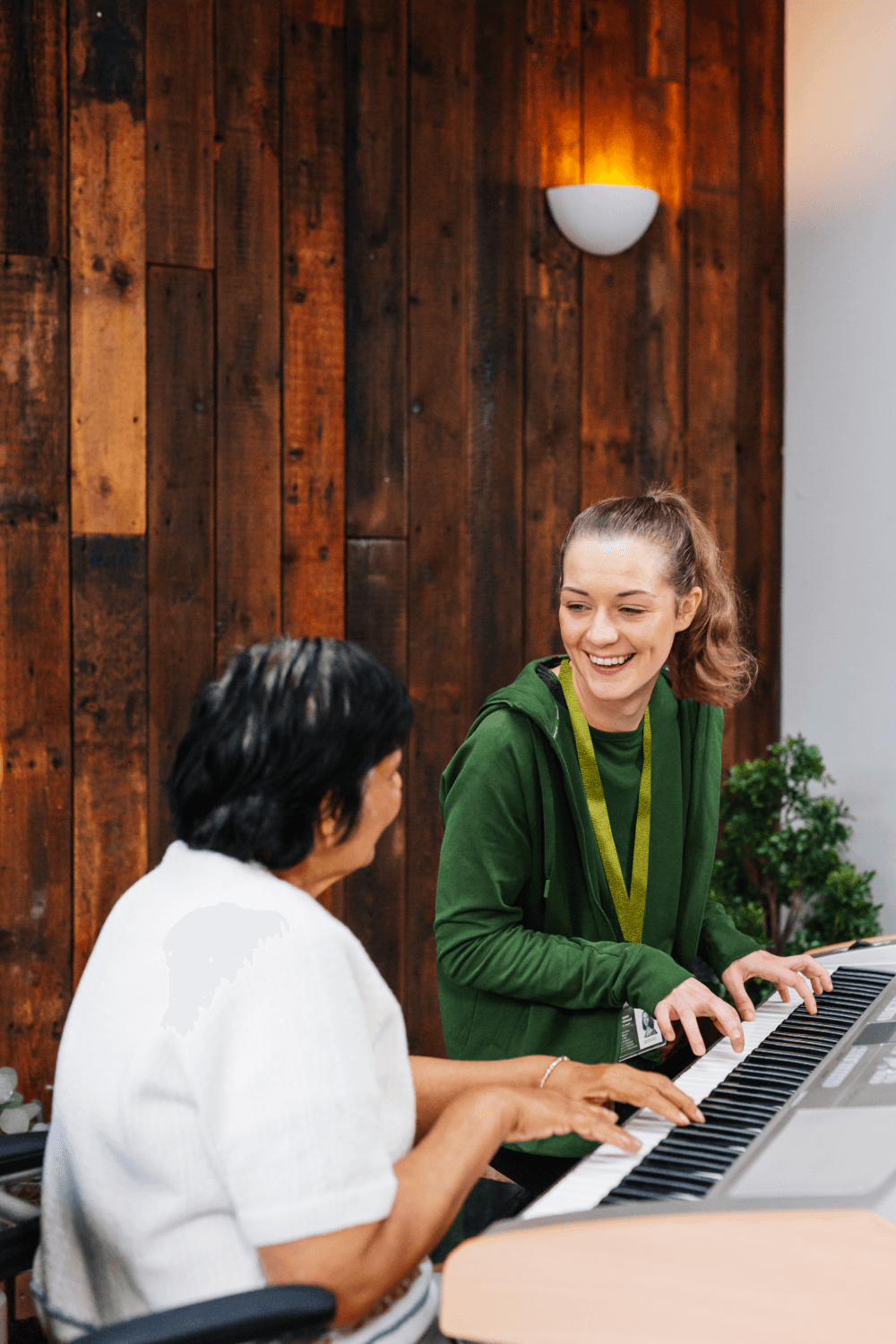
At Home Instead North Devon & Exmoor, we encourage clients to maintain or rediscover hobbies and passions that involve others, whether it’s singing in a choir, playing dominoes, or reminiscing with a neighbour.
When Every Conversation Counts
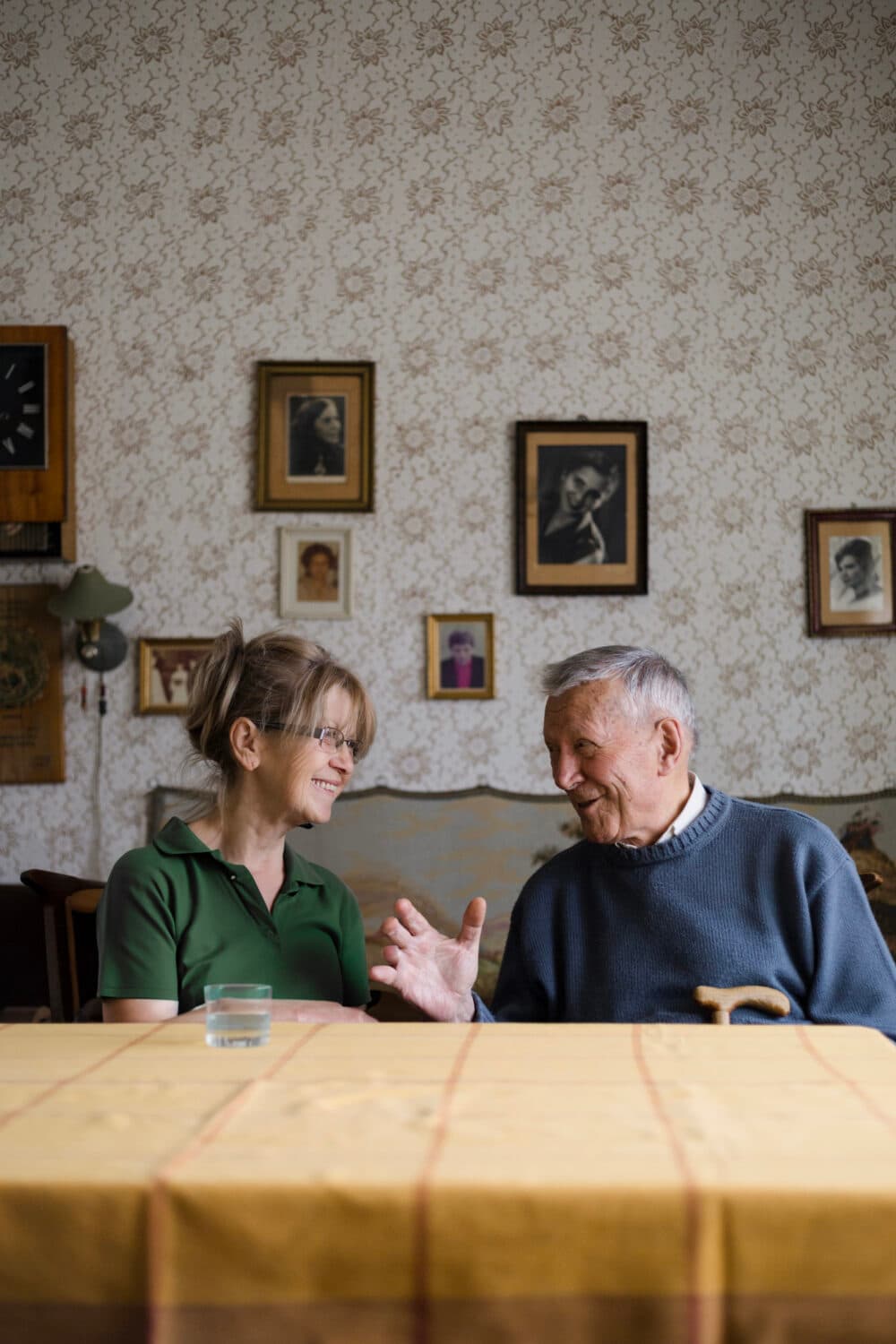
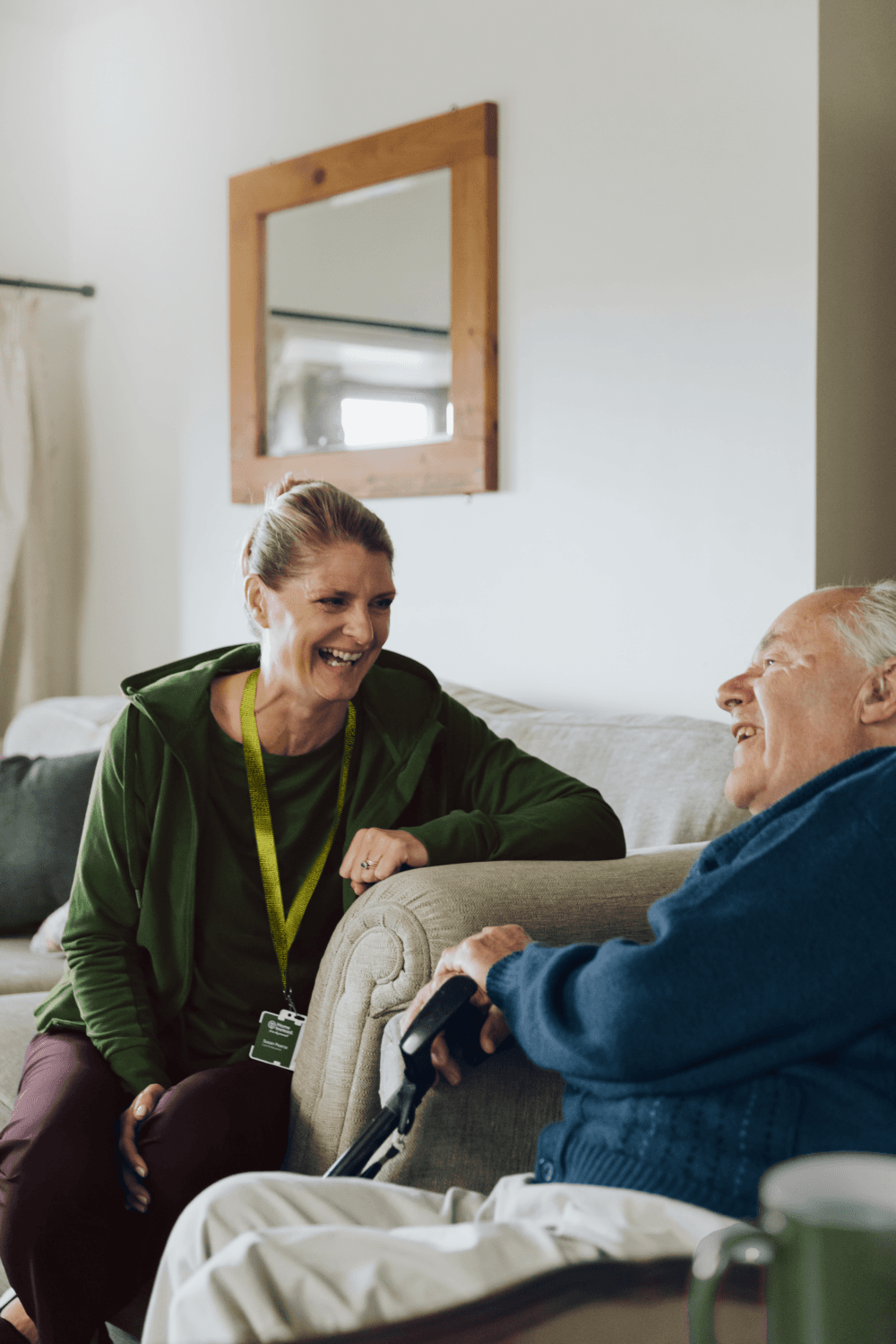
Not every act of support has to be structured or official. Programmes like MECC (Making Every Contact Count) show that short, meaningful conversations can lead to long-term change. A brief chat during a routine care visit might lead to someone joining a local group, arranging a GP appointment, or receiving mental health support.
Similarly, LEPH Link, a collaboration between law enforcement and health professionals, helps workers spot signs of vulnerability and guide people to appropriate resources.
At Home Instead, our Care Professionals are trained to listen closely, ask gently, and act quickly, whether it’s noticing a mood shift or helping someone reconnect with their community.
Tackling Barriers to Connection
Despite best intentions, many older adults still face hurdles when it comes to staying involved. These may include:
- Mobility limitations
- Bereavement or recent loss
- Depression or anxiety
- Lack of transport or internet access
Devon’s response includes:
- Expanding community transport and Fare Car schemes
- Increasing access to assistive technology and telecare
- Encouraging digital skills through workshops and one-to-one support
- Promoting co-designed housing models that support interaction and independence
As a local care provider, Home Instead works alongside these services to ensure our clients can benefit from them, and we help them overcome any digital or practical barriers in the process.
Building Purpose and Belonging
Many older adults still have so much to give. Whether it’s passing on skills, volunteering, mentoring younger people, or sharing stories from their lives, staying engaged gives people a sense of identity and value.
Programmes like The Merryatrics in Bideford, a group offering yoga, walks, and social activities for older adults, are excellent examples of how connection and purpose go hand in hand.
At Home Instead, we know that one person’s ‘good day’ might look different from another’s. That’s why our support is always tailored, helping each individual find meaning and connection in a way that works for them.
Final Thoughts
Ageing doesn’t mean fading away; it’s a phase of life where connection matters more than ever. In North Devon and Exmoor, communities are coming together to help older people stay seen, supported, and socially active.
From book clubs to gardening sessions, coffee mornings to theatre nights, these activities aren’t just optional extras; they are lifelines. They help maintain memory, protect mental health, and provide purpose and joy.
At Home Instead North Devon & Exmoor, we are proud to be part of this shared vision. We offer compassionate, relationship-led care that prioritises people’s interests, independence, and sense of belonging.
Everyone deserves meaningful connections, especially in later life.
Areas We Serve
South Molton, Barnstaple, & the surrounding North Devon areas
EX31 1, EX31 2, EX31 3, EX31 4, EX32 0, EX32 7, EX32 8, EX32 9, EX33 1, EX33 2, EX34 0, EX34 7, EX34 8, EX34 9, EX35 6, EX36 3, EX36 4, EX37 9, EX39 1, EX39 2, EX39 3, EX39 4, TA22 9, TA24 7, TA24 8
Unit 1c, Lime Field, South Molton EX36 3BS, UK