Understanding Decision-Making in Later Life
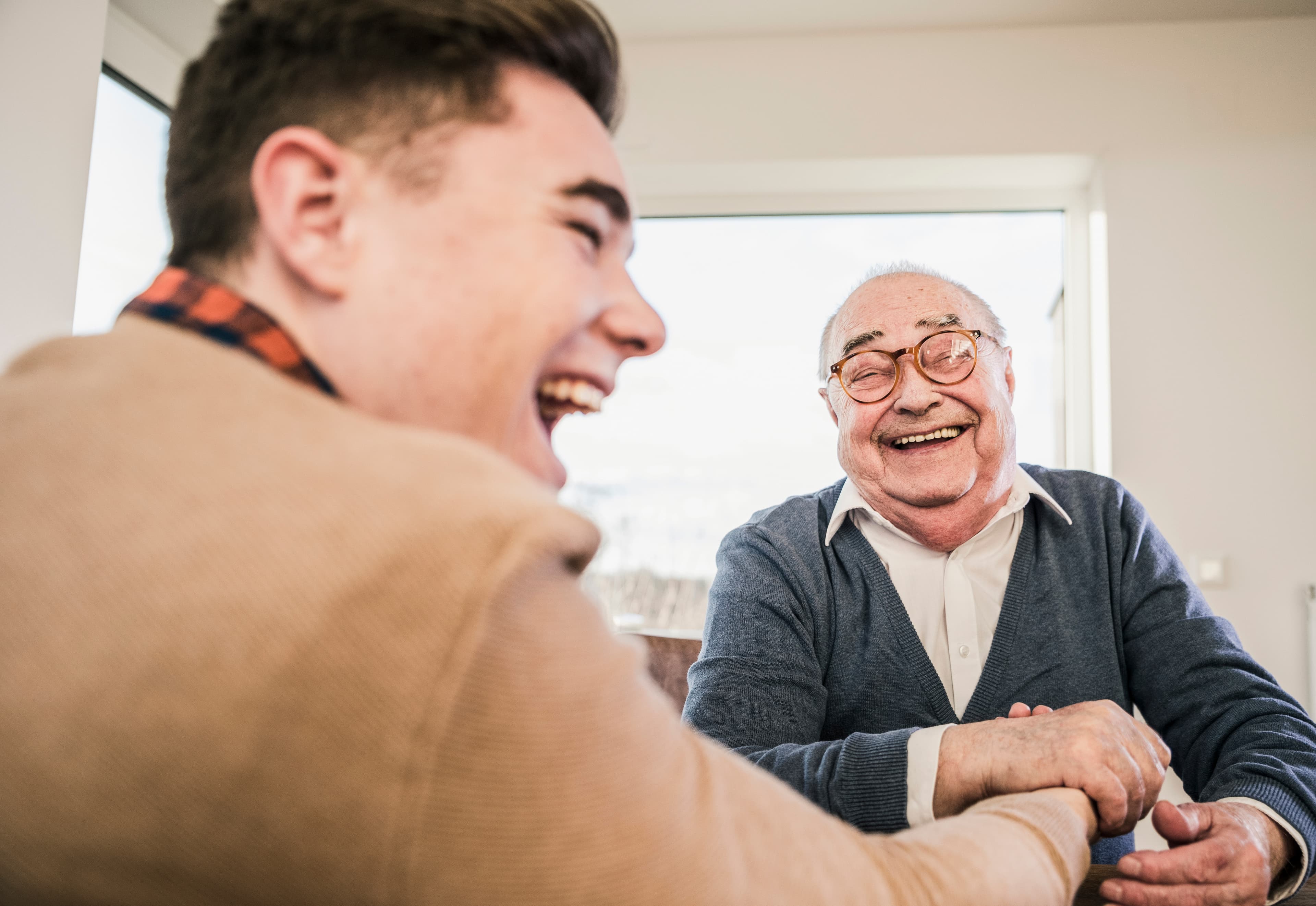
Why Decision-Making May Feel Different in Later Life
Later life often brings new considerations. These might include managing health conditions, organizing appointments, thinking about mobility, or reviewing living arrangements. Even when someone remains fully capable of making their own decisions, the volume or complexity of choices can feel tiring.
It is also natural for families to become more involved. Adult children may want to help with finances, transport, or arranging care. While this support is usually offered with love and good intentions, it can sometimes create uncertainty about who should make which decisions.
The key is balance. Older adults should be assisted to make their own choices wherever possible, while also having access to clear information and gentle guidance. It is sometimes difficult for an older parent to accept support from their child, after a long life of being the supporter, so allowing time for that balance to shift is important.

Supporting Independence With Compassion
Decision-making in later life is closely linked to independence. Being able to choose what to eat, when to go out, how to spend time, and who provides support all contribute to a person’s sense of dignity and control.
Private care at home can play a valuable role here. Rather than removing independence, thoughtful home care often protects it. With practical help in place, daily life can feel more manageable. This can make it easier for someone to focus on what matters most to them, rather than feeling overwhelmed by tasks.
In communities such as Braunton, where many people value staying close to familiar surroundings, remaining at home can provide comfort and stability. Familiar routines and local connections often support clearer thinking and greater confidence.
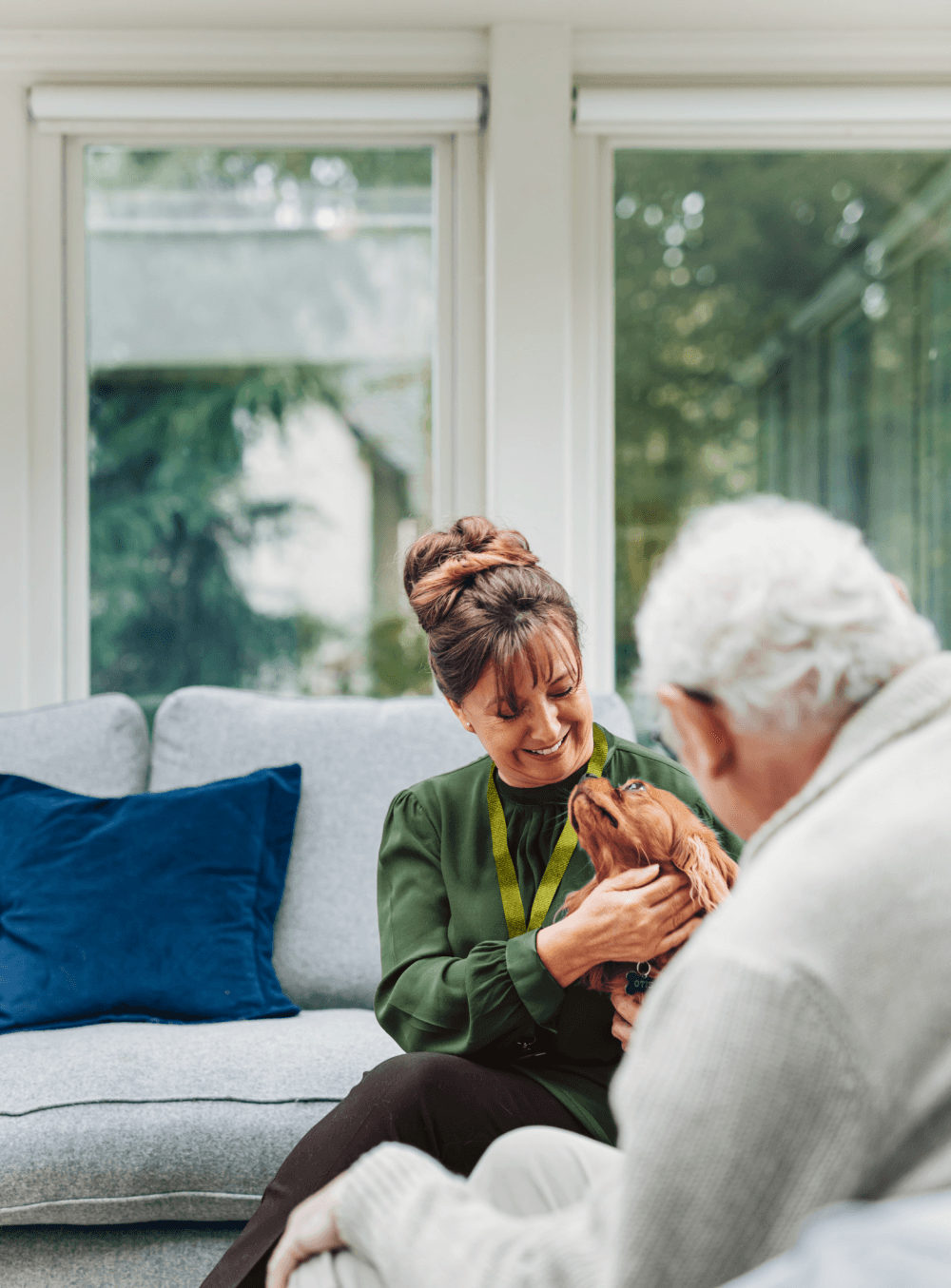
When Extra Support With Decisions May Be Helpful
There are times when decision-making may require more structured support. This does not mean someone has lost their voice. Instead, it may mean they benefit from clearer explanations, more time, or help weighing up options.
Examples might include:
- Considering whether additional help at home would be beneficial
- Reviewing medication routines
- Deciding on changes to daily activities
- Planning for future care needs
- After a hospital admission
A calm, step-by-step approach can make a significant difference. Breaking decisions into smaller parts, discussing pros and cons in simple terms, and allowing time for reflection all help reduce pressure.
Professional caregivers can support these conversations in a respectful and unobtrusive way. By building trust and understanding personal preferences, they help ensure that decisions reflect the individual’s wishes.
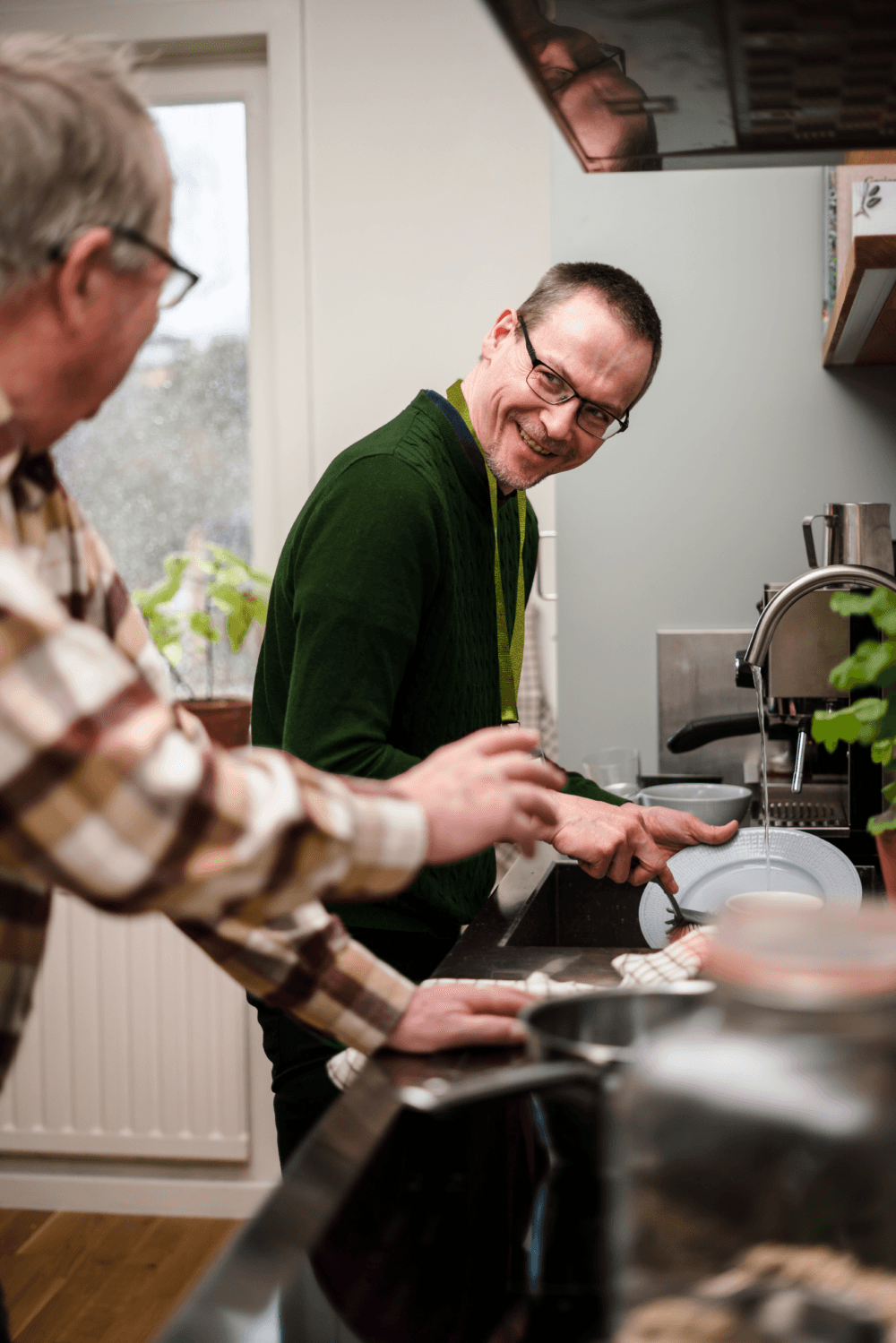
Dementia and Decision Making
With one in three adults aged over 85 now living with dementia, it is a relatively common condition for older people to live with. Dementia can impact our ability to make decisions, but in the early and even moderate stages, many people living with dementia can still make their own decisions, either independently or with varying degrees of support.
A diagnosis of dementia can be very scary, because of the uncertainty of how it will progress. This uncertainty can cause more anxiety around making decisions, so just talking through these and offering reassurance can be all that is needed. It is vital that the person living with dementia is still spoken to, and listened to, in order to maintain their self esteem and reduce anxiety.
Dementia doesn’t automatically mean that a person cannot make their own decisions, but a diagnosis should certainly prompt a consideration of how they would like to be supported to make decisions in the future.
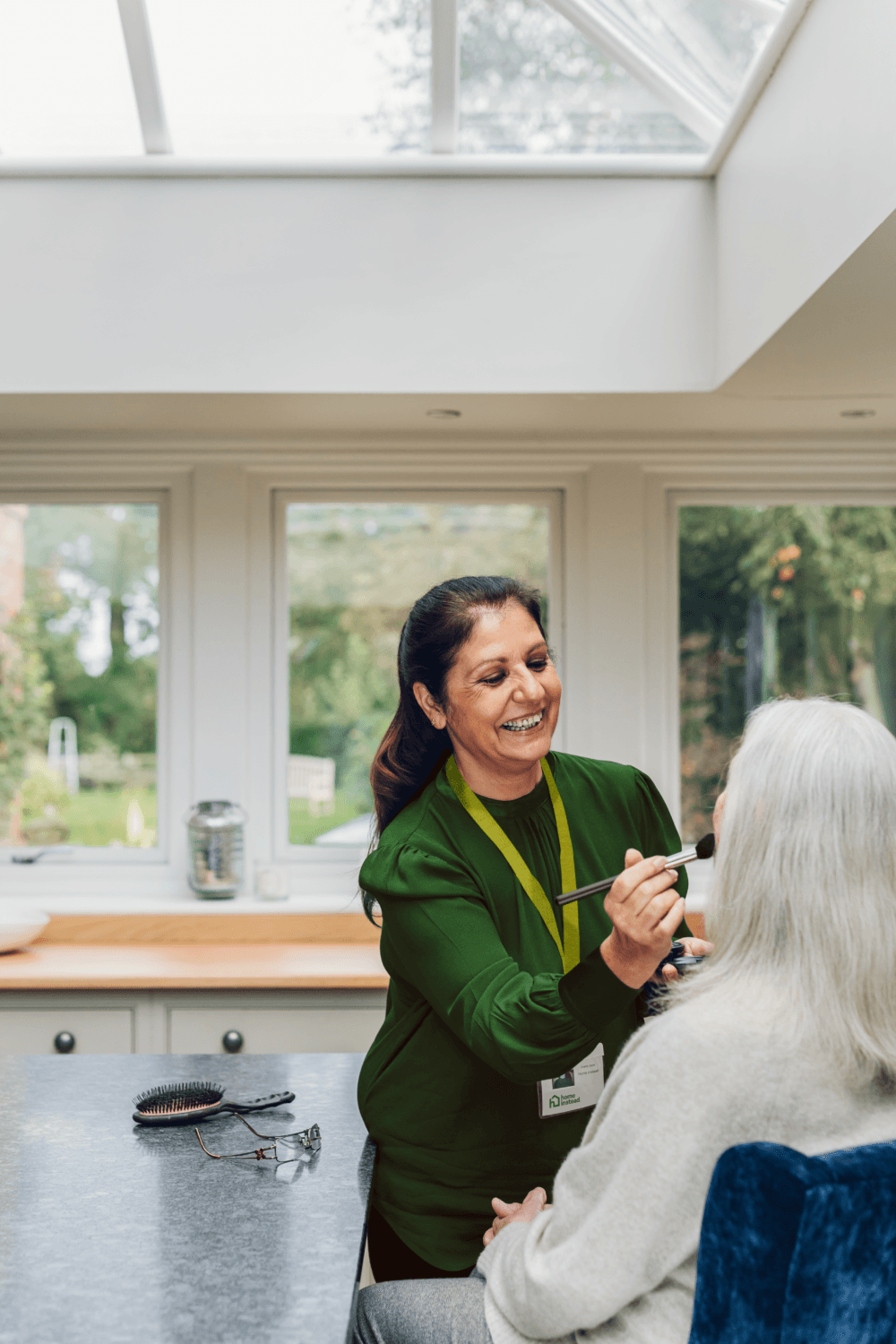
Involving Family Without Taking Over
Family involvement can be reassuring, especially when decisions feel significant. However, the older person must remain at the centre of discussions.
Practical ways to support healthy family involvement include:
- Encouraging open, honest conversations
- Listening carefully to the older person’s views
- Avoiding rushing decisions
- Respecting established routines and preferences
In North Devon communities such as Barnstaple, Bideford, and Braunton, many families value and benefit from strong intergenerational relationships. When communication is calm and supportive, these relationships can strengthen decision-making rather than complicate it.
If conversations feel difficult, involving a trusted professional can sometimes ease tension. A familiar caregiver can provide reassurance and help everyone focus on what feels right for the individual.
Planning Ahead for Peace of Mind
Future planning is another important aspect of decision-making in later life. Thinking about potential support needs early can reduce worry later on.
This might include:
- Discussing preferred routines
- Considering how much assistance would feel comfortable
- Exploring options for private care at home
- Talking about practical arrangements, such as transport or shopping
Planning does not mean expecting problems. It simply means creating a sense of preparedness. Many people find that once plans are in place, they feel more relaxed about the future. For those without family, or who don’t want to involve family in future decisions, it is possible to appoint a solicitor or other independent advocate to support or act for you in the event of needing that assistance.
In Braunton and the surrounding areas, home care services can be arranged flexibly. Support might begin with just a few hours a week, offering help with everyday tasks while leaving the rest of the routine unchanged. This gentle introduction often makes decision-making easier, as changes feel gradual rather than sudden, and if anything unexpected happens, the support given, or the frequency of visits, can be increased quickly to meet elevated needs, rather than having to set everything up in a rush, to manage a crisis.
Recognizing When Confidence Needs a Boost
Sometimes decision-making becomes harder because confidence has dipped and anxiety creeps in. This can happen after illness, bereavement, or a period of reduced mobility. A person may second-guess themselves or feel unsure about making choices they once handled easily.
In these moments, encouragement is key. Small successes, such as managing a routine with light assistance, can rebuild confidence. Having a consistent caregiver who understands personal preferences also helps create reassurance.
Private care at home is not only about practical help. It is also about companionship, conversation, and continuity. These elements can quietly support clearer thinking and steadier decision-making.
Respecting Capacity and Legal Considerations
It is important to recognize that many older adults retain full capacity to make their own decisions. Capacity should never be assumed to be reduced simply because of age, or even a diagnosis of dementia.
If concerns about decision-making ability arise, these should be approached calmly and respectfully. The aim is always to protect the individual’s wellbeing while upholding their rights and dignity. It is always advisable to put Powers of Attorney in place, for financial affairs and health and wellbeing, in advance of there being any problems with decision making or mental capacity. This is another step that reduces the impact of any sudden changes to capacity, and ensures the wishes of the older person have been captured, and are in the hands of someone they trust in the event they are unable to speak for themself.
Professional care teams are trained to support individuals sensitively. They work in partnership with families while ensuring that the person receiving care remains central to every decision.

How Private Care at Home Can Help
Choosing private care at home can provide structure and reassurance without taking control away. Care plans are built around the individual, not the other way around.
Support may include:
- Assistance with personal care
- Help with household tasks
- Medication reminders
- Companionship and outings
- Support attending local appointments
By easing practical pressures, home care allows older adults to focus on decisions that truly matter to them. This often brings renewed clarity and peace of mind.
If you would like to learn more about how private care at home in Braunton can support decision-making and independence, you can explore the local service page and speak directly with the team for friendly guidance.
Your Local Home Instead Team
Home Instead office name:
Home Instead North Devon & Exmoor
Office phone number:
01769 302003
Office website URL:
https://www.homeinstead.co.uk/north-devon-exmoor/
Google Business Profile link:
https://maps.app.goo.gl/6VqCXAJrM61SNye58
Areas covered:
Bideford, Barnstaple, Northam, South Molton, Braunton, Bassaleg, Combe Martin, Kings Nympton, Bratton Fleming, Landkey
Postcodes served:
EX31 1, EX31 2, EX31 3, EX31 4, EX32 0, EX32 7, EX32 8, EX32 9, EX33 1, EX33 2, EX34 0, EX34 7, EX34 8, EX34 9, EX35 6, EX36 3, EX36 4, EX37 9, EX39 1, EX39 2, EX39 3, EX39 4, TA22 9, TA24 7, TA24 8
The local team understands the character of North Devon’s communities and the importance of staying connected to familiar surroundings. Whether you live in Braunton itself or one of the surrounding villages, support is available close to home.
If you would like a relaxed conversation about care options, you are welcome to call or visit the website. The team will take time to listen and answer your questions without pressure.
Ratings and Compliance
Home Instead North Devon & Exmoor maintains the following ratings:
Homecare.co.uk rating:
9.6 out of 10
Profile link:
https://www.homecare.co.uk/homecare/agency.cfm/id/65432224700
CQC rating:
Outstanding
CQC report link:
https://www.cqc.org.uk/location/1-4040578000/contact
These ratings reflect ongoing commitment to safe, high-quality care delivered with professionalism and respect.
If you are considering private care at home in Braunton and would like gentle guidance on the next steps, the local team is available to help you make informed, confident decisions.