How to Rebuild Routine After a Period of Disruption or Illness

Rebuilding routine after a period of disruption or illness works best when it starts small, moves at a comfortable pace, and focuses on restoring confidence rather than rushing back to how things were. This April, many people across North Devon and Exmoor are finding their feet again after a hospital stay, a long illness, or an unsettled winter, and looking for gentle ways to bring shape back to their days.
This blog looks at why routine matters during recovery and the steady, manageable steps that can help you or a loved one feel more settled at home.

Why Routine Matters for Recovery
Routine brings a sense of familiarity and reassurance, particularly after a period of uncertainty. When days begin to follow a gentle pattern again, it can help reduce feelings of overwhelm and make everyday life feel more manageable.
Consistent habits also support the day-to-day side of recovery. Regular mealtimes can improve nutrition, predictable sleep routines can support rest, and simple daily activities can gradually rebuild strength and mobility. Just as importantly, routine helps restore a sense of purpose, which can have a positive impact on emotional wellbeing.
Start Small and Build Gradually
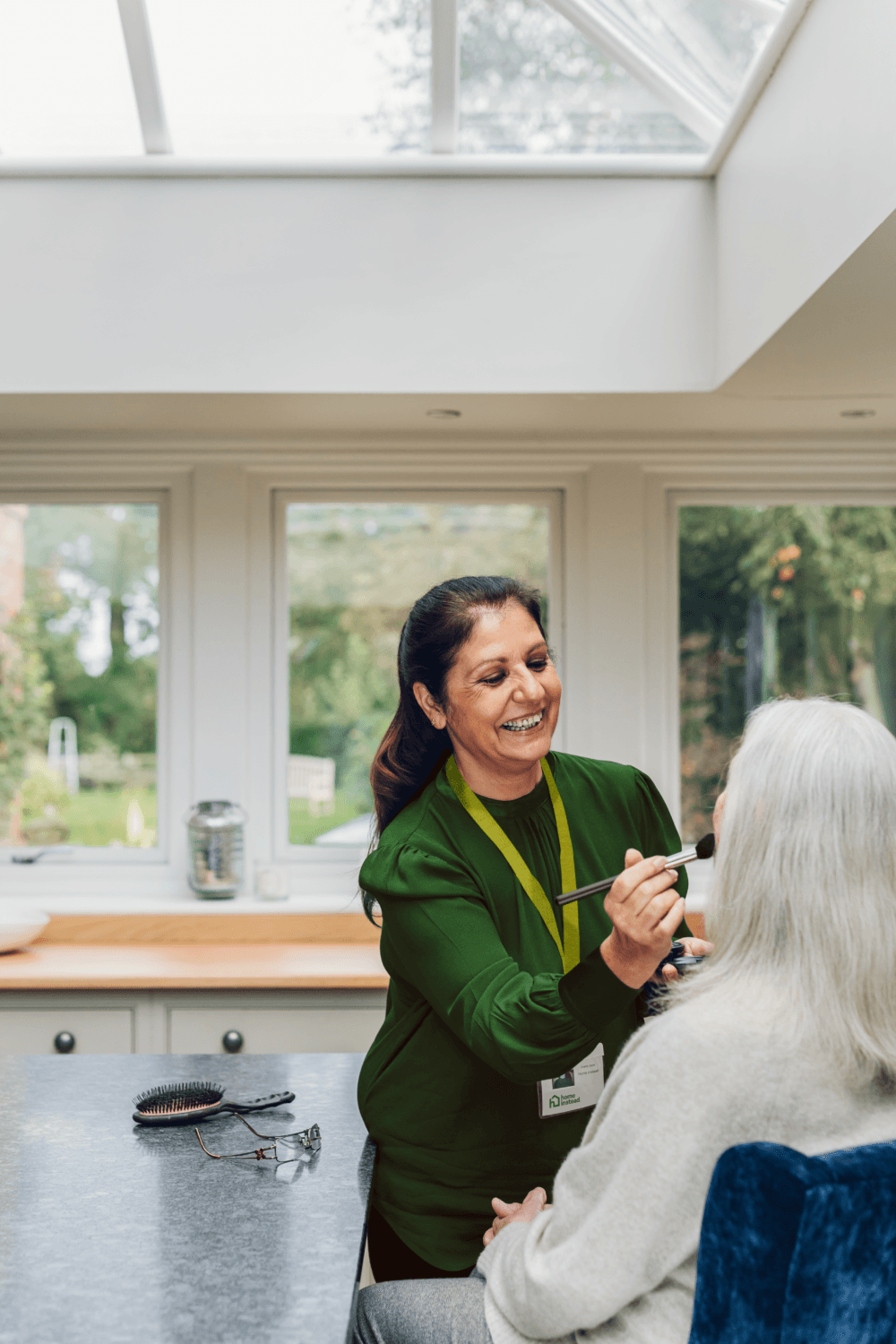
After a period of disruption, it is important to approach routine in a way that feels achievable. Trying to return to a full schedule too quickly can feel exhausting and discouraging.
Instead, begin with a few small, manageable steps. This might mean getting up at a similar time each day, enjoying regular meals, or introducing light movement such as walking around the home. These small actions may seem simple, but they create a foundation that can be built upon over time.
As confidence grows, additional activities can be introduced naturally. The key is to move at a pace that feels right, allowing the body and mind to adjust without pressure.

Reintroducing Daily Activities
Everyday tasks can feel different after illness. Activities such as washing, dressing, or preparing meals may take longer or require more effort than before. This is a normal part of recovery.
Breaking tasks into smaller steps can make them feel more manageable. Allowing extra time and avoiding the need to rush can also reduce stress. For some people, small adjustments around the home or the use of supportive equipment can make daily tasks easier.
Accepting help during this stage is not a step backwards. It is a sensible way to support recovery while maintaining dignity and independence.

Creating a Gentle Daily Structure
An adaptable daily structure can provide helpful guidance without feeling restrictive. Rather than following a strict timetable, it can be useful to think of the day in simple stages.
The morning might focus on personal care and a relaxed breakfast. Midday could include a light activity or a short period of movement, followed by rest. In the afternoon, there may be time for a hobby, a conversation, or simply enjoying a quiet moment. Evenings can then gradually wind down, preparing for rest.
This type of structure offers consistency while still allowing for changes depending on how each day feels.
Supporting Emotional Wellbeing
Periods of illness or disruption can affect confidence as well as physical health. It is not unusual to feel unsettled or unsure about returning to previous routines.
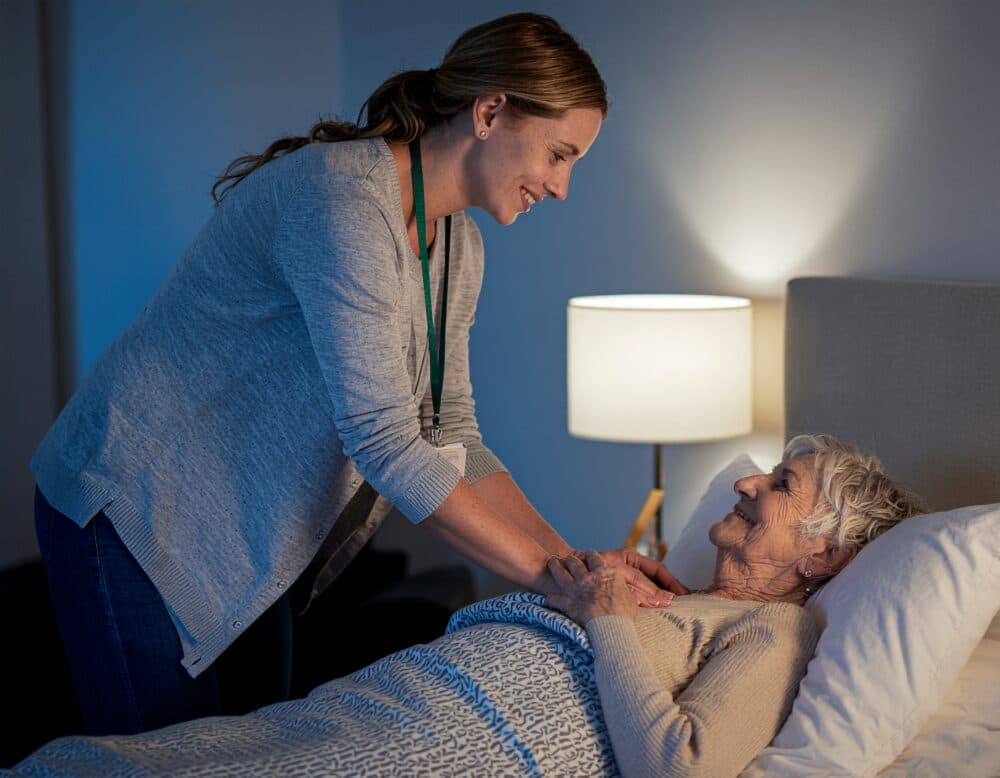
Taking time to support emotional wellbeing is just as important as physical recovery. Staying connected with family or friends, even through a simple conversation, can bring comfort. Gentle activities that feel enjoyable, such as reading, listening to music, or spending time outdoors, can also help lift mood.
Allowing space for rest without feeling guilty is equally important. Recovery involves both activity and pause, and finding a balance between the two can make the process feel more manageable.
The Role of Private Care at Home
For many people, having additional support at home can make a meaningful difference when rebuilding routine. Private care at home offers personalised assistance that fits around individual needs and preferences.
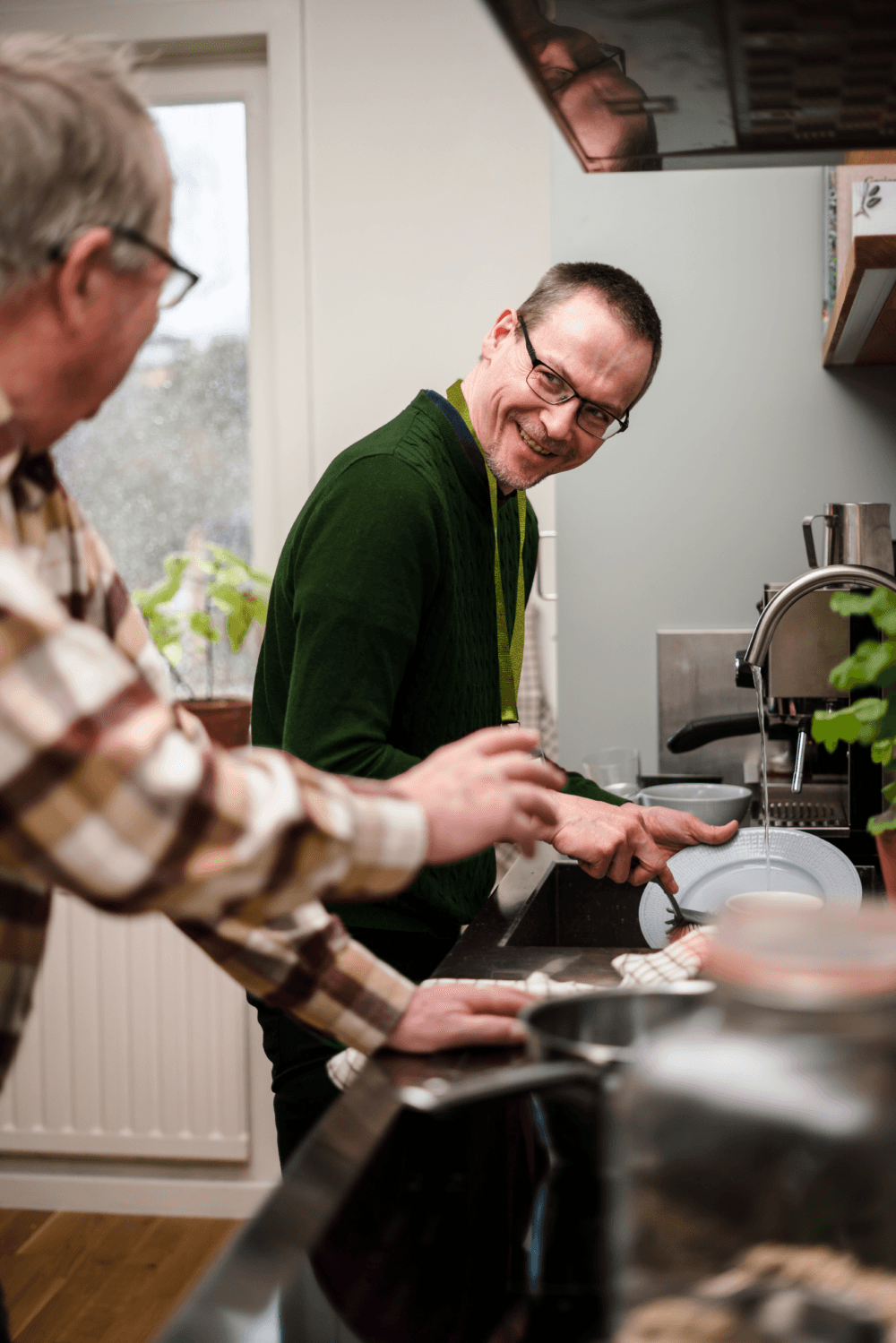
This support might include help with morning routines, assistance with personal care, or support in preparing meals. It can also involve light housekeeping or simply having someone there for companionship and reassurance.
Having a consistent, friendly presence can help restore confidence and provide a sense of continuity. It also offers peace of mind for family members, knowing that their loved one is supported in a familiar environment.
If you are thinking about extra support, you can find out more about Private Care at Home in Braunton and how local services can help ease the transition back into daily life.
Staying Connected to the Local Community
Rebuilding routine is not only about what happens inside the home. When the time feels right, reconnecting with the local community can play an important role in recovery.
Familiar surroundings, such as a gentle walk through Braunton or a short visit to a local shop, can help restore a sense of normality. Even small moments, like sitting outside or greeting neighbours, can make the day feel more settled and reassuring.
These connections help remind us that we are part of a wider community, which can be comforting during recovery.
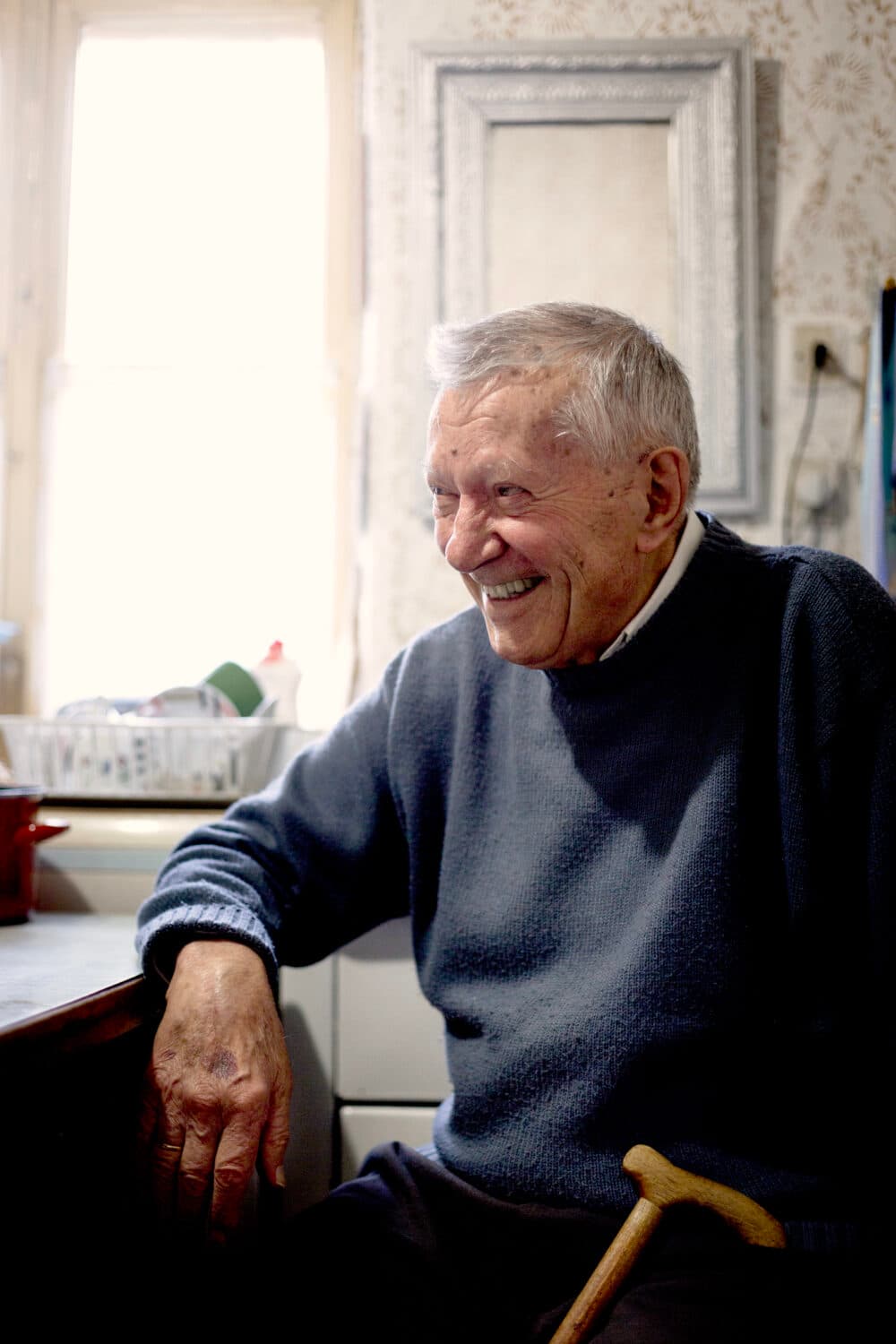
Be Kind to Yourself
Recovery rarely follows a straight path. Some days may feel easier than others, and that is perfectly natural.
Being patient and kind to yourself matters. Progress may come in small steps, but each one contributes to rebuilding strength and confidence. Allowing time, accepting support, and recognising small achievements can all make the process feel more positive.
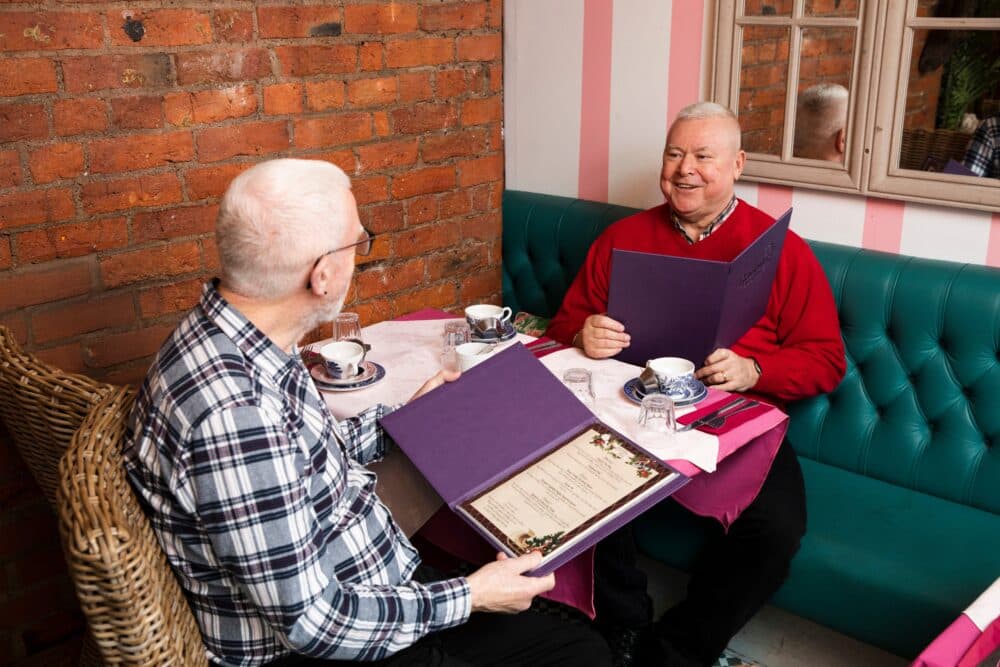
Your Local Home Instead Team
At Home Instead North Devon & Exmoor, care is centred around understanding each individual and providing support that feels natural and reassuring. The team takes time to listen, offering help that fits comfortably into daily life while respecting independence.
Whether you are beginning to rebuild routine after illness or simply need a little extra support at home, the local team is here to help in a calm and supportive way.
Home Instead office name:
Home Instead North Devon & Exmoor
Office phone number:
01769 302003
Office website URL:
https://www.homeinstead.co.uk/north-devon-exmoor/
Google Business Profile link:
https://maps.app.goo.gl/6VqCXAJrM61SNye58
Areas covered (towns/villages/communities):
Bideford, Barnstaple, Northam, South Molton, Braunton, Bassaleg, Combe Martin, Kings Nympton, Bratton Fleming, Landkey
Postcodes served:
EX31 1, EX31 2, EX31 3, EX31 4, EX32 0, EX32 7, EX32 8, EX32 9, EX33 1, EX33 2, EX34 0, EX34 7, EX34 8, EX34 9, EX35 6, EX36 3, EX36 4, EX37 9, EX39 1, EX39 2, EX39 3, EX39 4, TA22 9, TA24 7, TA24 8
If you would like to talk through your situation or ask any questions, the team is always available to provide clear and supportive guidance.

Ratings and Compliance
Home Instead North Devon & Exmoor maintains high standards of care, reflected in the following ratings:
Homecare.co.uk rating:
9.6 out of 10
Profile link:
https://www.homecare.co.uk/homecare/agency.cfm/id/65432224700
CQC rating:
Outstanding
CQC report link:
https://www.cqc.org.uk/location/1-4040578000/contact
These ratings provide reassurance that care is delivered with consistency, professionalism, and a genuine focus on wellbeing.