How One-to-One Care Can Help Reduce Feelings of Frustration

When day-to-day tasks begin to feel more difficult, it is common for people to feel unsettled or frustrated. This can happen for many reasons, such as changes in memory, mobility, confidence, or energy levels. These feelings are natural, and they often reflect a need for more tailored support at home.
One-to-one live-in care offers steady, personalised help that adapts to the individual, helping daily life feel more manageable and less overwhelming.
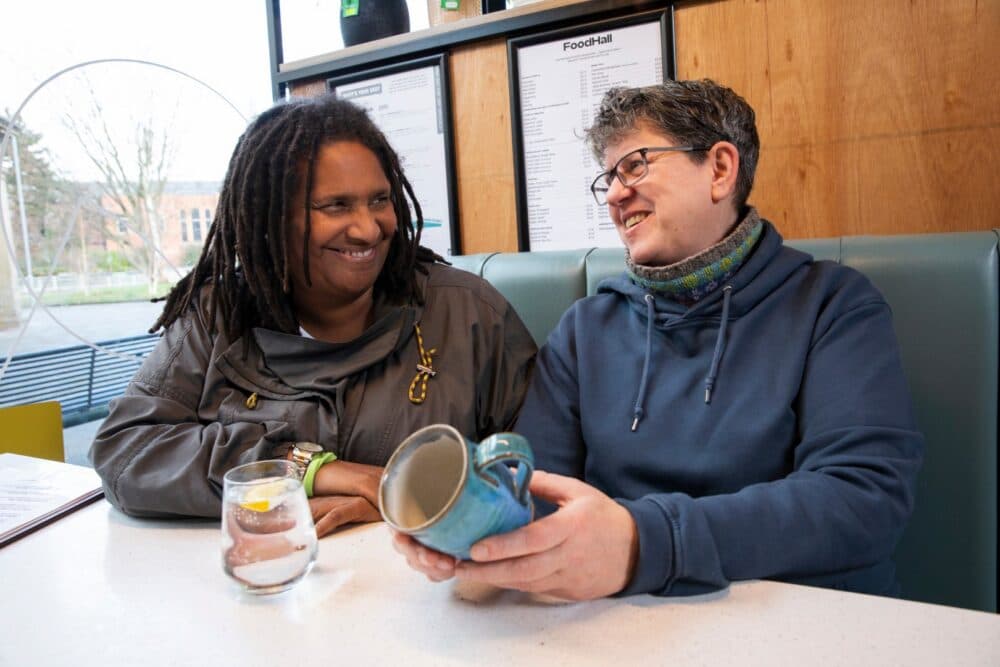
Understanding why frustration can arise at home
Frustration in later life is often linked to moments when familiar routines no longer feel as straightforward as they once were. This might include:
- Difficulty managing personal care routines
- Feeling tired or slowed down during the day
- Challenges with preparing meals or keeping up with household tasks
- Misplacing items or forgetting small details
- A sense of relying on others more than before
These experiences can feel unsettling, particularly when independence has always been important. Having consistent support in place can make these moments easier to navigate, reducing pressure and helping the day feel more predictable.

The role of one-to-one live-in care
One-to-one live-in care means a trained carer lives in the home and provides ongoing, tailored support. This approach allows care to be shaped around personal routines, preferences, and comfort.
Rather than needing to adjust to set schedules or unfamiliar environments, the person receiving care remains in their own home, surrounded by familiar surroundings. This can bring a sense of steadiness and reassurance, particularly when daily life feels more demanding.
Support can include help with washing and dressing, preparing meals, medication reminders, companionship, and gentle encouragement with daily routines.

Reducing pressure through consistent support
One of the key benefits of one-to-one care is consistency. Seeing the same carer each day helps build familiarity and trust, which can make communication easier and reduce misunderstandings.
When support is consistent, there is less need to repeat instructions or adjust to different approaches. This can help reduce frustration linked to confusion or uncertainty.
It also allows the carer to learn personal preferences, such as favourite meals, routines, and preferred ways of completing tasks. Over time, this familiarity can help daily life feel smoother and more settled.
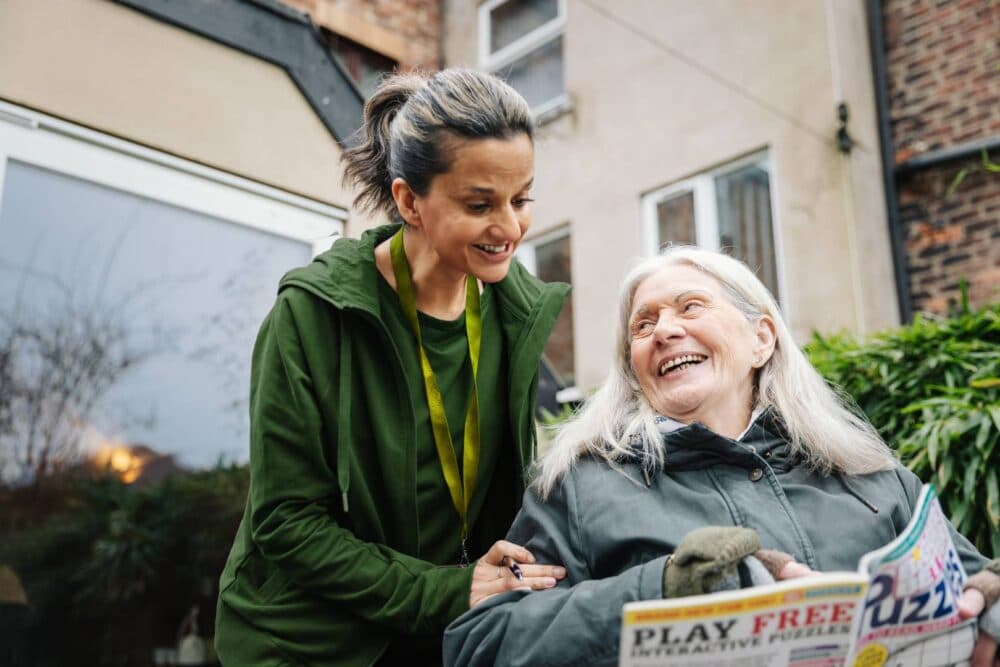
Supporting independence in a gentle way
A common concern for many people is the idea of losing independence. One-to-one care is designed to support independence rather than take it away.
Care is provided in a way that encourages involvement wherever possible. For example, a person may still choose their own clothes, take part in preparing meals, or complete parts of their personal routine with gentle guidance nearby.
This balance can help reduce feelings of frustration that sometimes arise when tasks feel either too difficult or too controlled by others. Instead, support is available in the background, ready when needed.
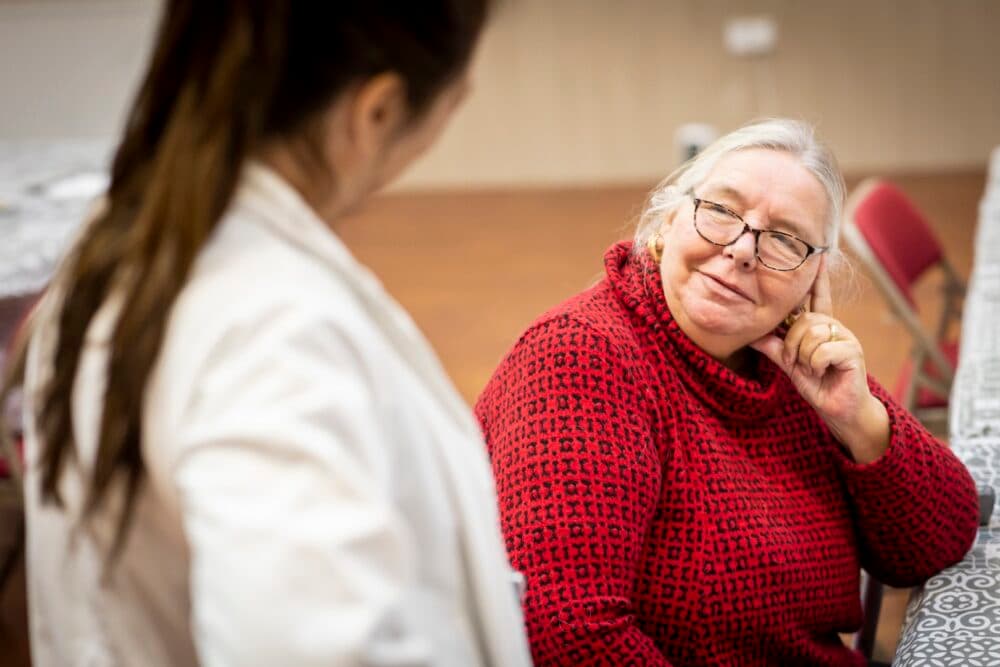
Emotional reassurance through companionship
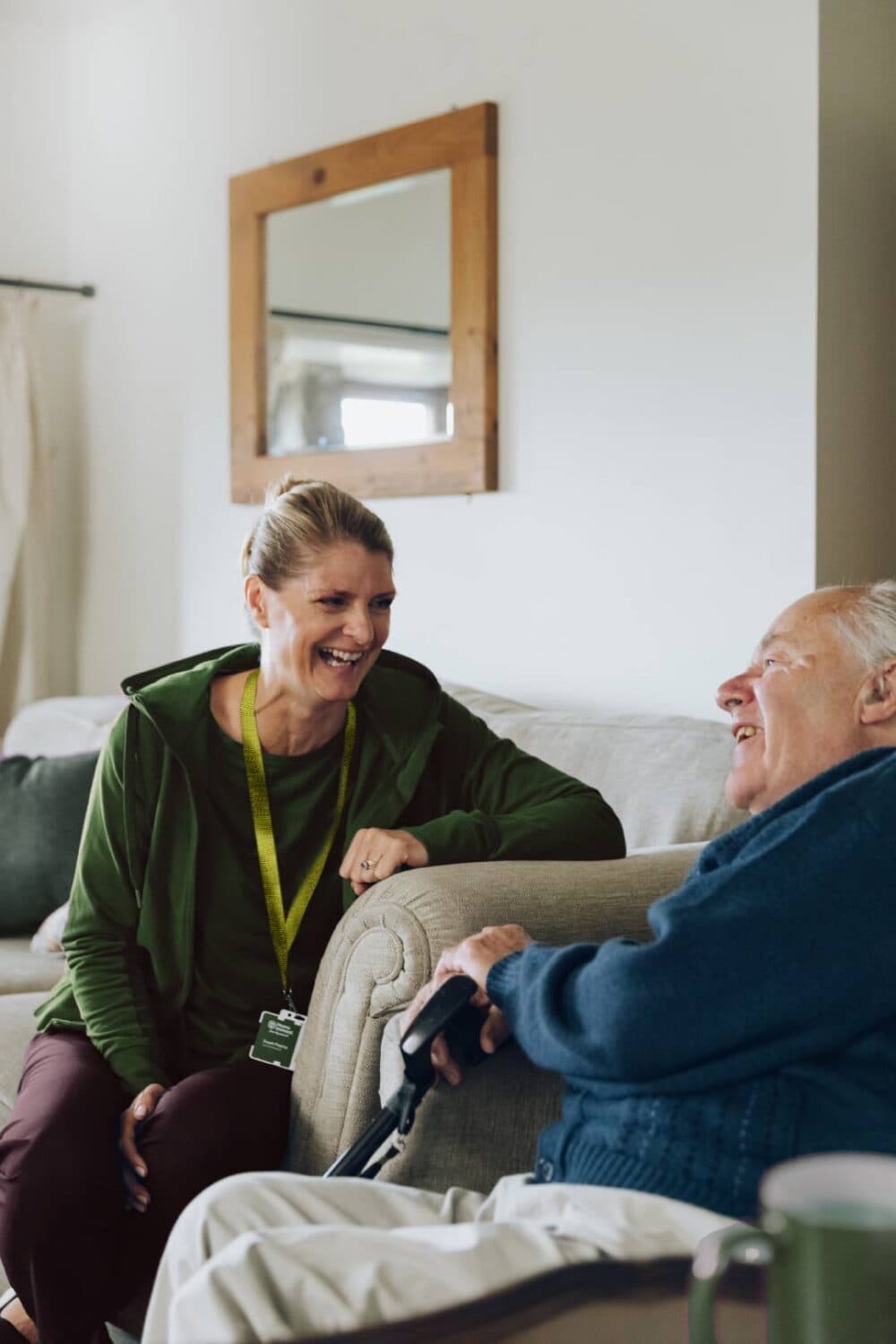
Frustration can sometimes be linked to feelings of isolation or spending long periods alone. Having a live-in carer means there is always someone present for conversation, reassurance, or simple companionship.
Daily interaction can make routines feel lighter and more engaging. Whether it is sharing a meal, talking about familiar interests, or enjoying a quiet cup of tea together, these small moments can make a meaningful difference to emotional wellbeing.
This steady presence can also help reduce worry during quieter times of the day or night, offering reassurance that support is always close by.

Adapting care as needs change
Needs can change gradually over time, and one-to-one care allows for a flexible approach. Care plans are reviewed and adjusted so that support continues to match what is required.
This might mean increasing help with personal care, providing more support with mobility, or simply offering more companionship during the day. Having this adaptability in place helps reduce frustration that can arise when support feels inconsistent or no longer suitable.
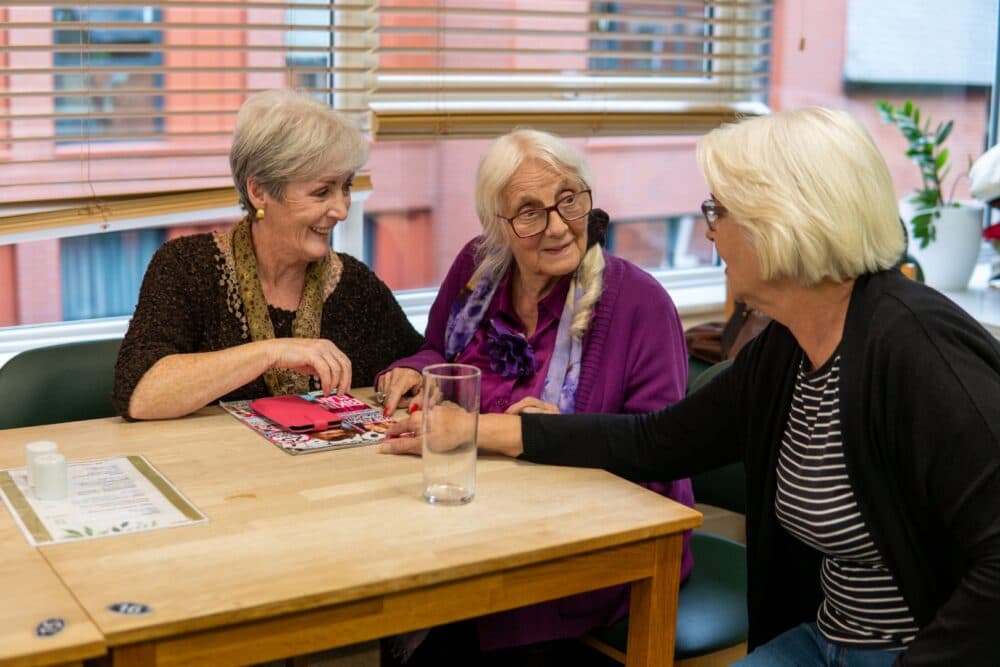
Creating a calmer daily routine
A well-structured but flexible routine can make a significant difference to how the day feels. With live-in care, routines are shaped around the individual rather than a fixed schedule.
This can include:
- Gentle morning routines without rushing
- Mealtimes prepared at preferred times
- Time set aside for rest or hobbies
- Support with evening routines to help the day end comfortably
This sense of rhythm can help reduce uncertainty and create a calmer pace throughout the day.

Your Local Home Instead Team
Home Instead office name:
Home Instead North Devon & Exmoor
Office phone number:
01769 302003
Office website URL:
https://www.homeinstead.co.uk/north-devon-exmoor/
Google Business Profile link:
https://maps.app.goo.gl/6VqCXAJrM61SNye58
Areas covered (towns/villages/communities):
Bideford, Barnstaple, Northam, South Molton, Braunton, Combe Martin, Kings Nympton, Bratton Fleming, Landkey
Postcodes served:
EX31 1, EX31 2, EX31 3, EX31 4, EX32 0, EX32 7, EX32 8, EX32 9, EX33 1, EX33 2, EX34 0, EX34 7, EX34 8, EX34 9, EX35 6, EX36 3, EX36 4, EX37 9, EX39 1, EX39 2, EX39 3, EX39 4, TA22 9, TA24 7, TA24 8
The Home Instead North Devon & Exmoor team provides live-in care across the local area, including Braunton and surrounding communities. Support is arranged in a way that reflects individual routines and preferences, helping people remain comfortable in their own homes with steady, reliable assistance.
If you would like to understand how live-in care could support you or a family member, the local team can talk through options and answer questions in a clear and straightforward way.

Ratings and compliance
Homecare.co.uk rating:
9.6 out of 10
Profile link:
https://www.homecare.co.uk/homecare/agency.cfm/id/65432224700
CQC rating:
Outstanding
CQC report link:
https://www.cqc.org.uk/location/1-4040578000/contact
These ratings reflect regulated standards of care and feedback from people receiving support, offering reassurance about service quality and safety.

A gentle next step
If daily tasks are beginning to feel more difficult or tiring, one-to-one live-in care can offer steady support that fits around familiar routines. It can help reduce pressure, bring more structure to the day, and provide consistent companionship at home.
To find out more, you can speak with the Home Instead North Devon & Exmoor team and discuss what might work best for your situation.
How can we help?
We've helped thousands of families to stay safe, comfortable and happy at home. Whatever situation you're facing, or whatever the question is, Home Instead is here to help.
Are you in need of a little guidance right away?
Other non-care-related enquiries