How Companionship and Practical Help Work Together in Private Home Care
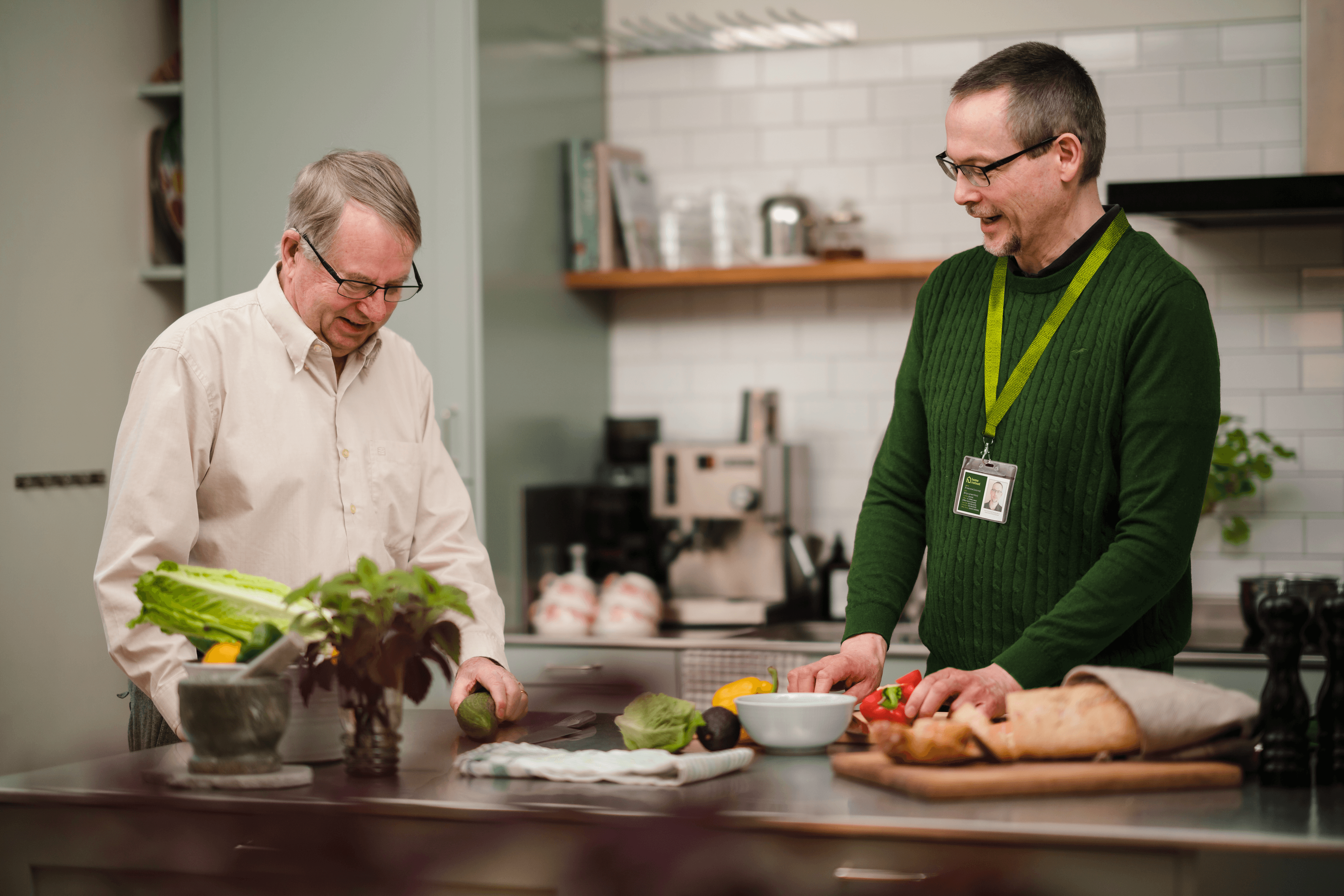
Home is often where people feel most themselves, surrounded by familiar routines and the comforts of everyday life. With the right level of support in place, those routines can continue smoothly, helping life at home remain relaxed and comfortable.
That support can take many forms. It might be friendly company over a cup of tea, help keeping on top of the household, or assistance with everyday tasks that free up time and energy. Often, it is a thoughtful combination of both, shaped around personal preferences and existing family involvement.
This article looks at how companionship and practical help can sit side by side in Private Care at Home. The focus is on supporting independence, maintaining familiar routines, and offering reassurance to families, so everyone can feel confident that day-to-day life continues in a way that feels settled, respectful, and right for them.
Two Sides of Feeling Supported at Home
When people think about care, they often picture tasks, such as bathing, medication or meals. Those practical jobs do matter, but they are only one side of feeling supported.
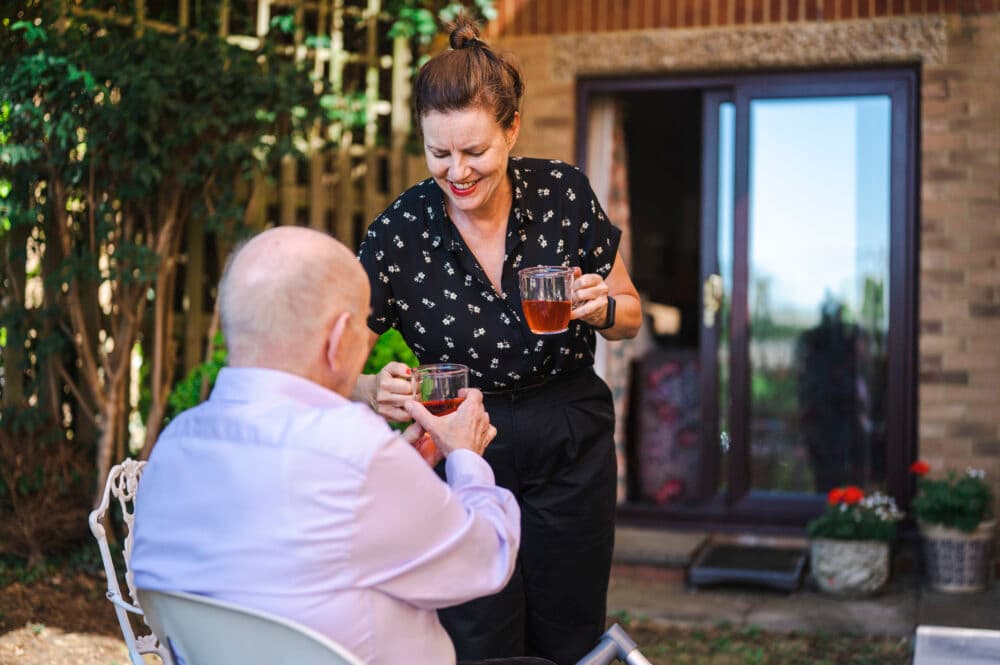
The other side is companionship. This is about having regular, familiar contact with someone who will listen, chat, notice how you are and encourage you to keep doing the things you enjoy.
In reality, most older adults need a blend of both. A visit that includes conversation, a short walk and a bit of housework can feel very different from a rushed visit that is all about getting chores done. Private care at home can be shaped so that it covers both the emotional and the practical side of life.

What Companionship Can Look Like in Day-To-Day Life
Companionship Care is about more than “keeping someone company”. It is a structured, regular time where a Care Professional focuses on the person, not just their to-do list.
For your loved one, that might look like:
- Chatting over a drink or a light lunch
- Playing cards, doing a puzzle or watching a favourite programme together
- Looking through old photos or listening to music from years gone by
- Going for a short walk if it is safe and appropriate
- Having help to make a phone call or use a tablet to see family who live further away
These small moments can reduce loneliness and help the day feel more structured. Over time, many people build a real relationship with their regular Care Professionals, which can make it easier to talk about worries or changes in how they are feeling.

How Practical Help Keeps Daily Life Ticking Along
Alongside companionship, Home Help can take the pressure off day-to-day tasks that have become tiring or difficult. This might include light housework, laundry, preparing simple meals or supporting with shopping and prescriptions.
When these jobs are shared with a Care Professional, the home can feel more settled and manageable. Your loved one may feel less embarrassed about clutter or dust, and more confident about inviting people in.
For families, practical help can reduce the sense of always “catching up”. Instead of every visit being spent racing through chores, you may find there is more time to sit, chat and enjoy each other’s company.

When Companionship And Practical Help Work Together
In many cases, a single Care at Home visit blends both sides. For example, a morning visit could involve:
- A friendly hello and time to see how your loved one is feeling
- Support with getting washed and dressed if this is needed
- Putting on a load of washing and tidying the kitchen
- Preparing breakfast or a light lunch for later
- Sitting together for a chat, reading the post or planning the next visit
Because visits are planned around the person’s own routine, support can feel like part of everyday life rather than an interruption. Over time, care can be adjusted so there is more emphasis on practical help or companionship, depending on what would help most at that stage.
Signs That Extra Support at Home Could Help
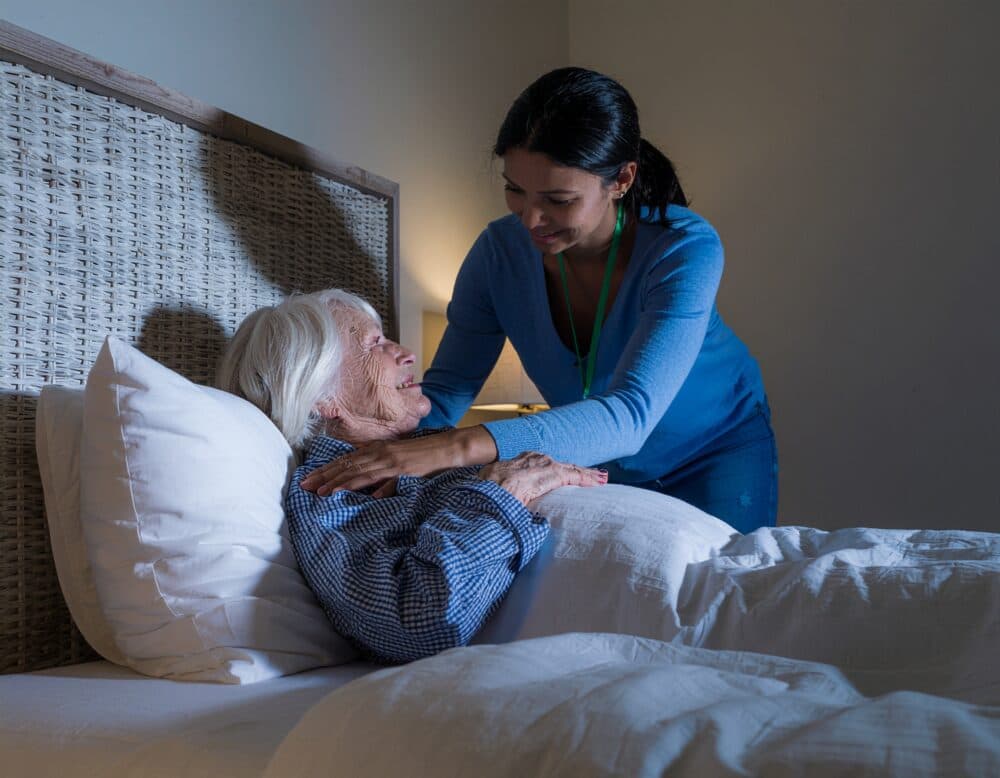
It is not always obvious when to introduce private care at home. You might notice:
- The home is less tidy or clean than it used to be
- Food in the fridge is going out of date or meals are often skipped
- Your loved one seems withdrawn, low or anxious between family visits
- You are doing more and more, and are starting to feel worn out
- You worry about leaving them alone for long periods
If some of this feels familiar, starting with a small amount of support can be a gentle way to see what difference it makes. For many people, a regular companionship visit with practical help built in can ease worries without feeling overwhelming.
Thinking About Your Own Role As A Family Member
Family members often find it hard to ask for help, especially if they have been the main source of support for a long time. You might feel guilty or worry that bringing in a Care Professional means you are stepping back.
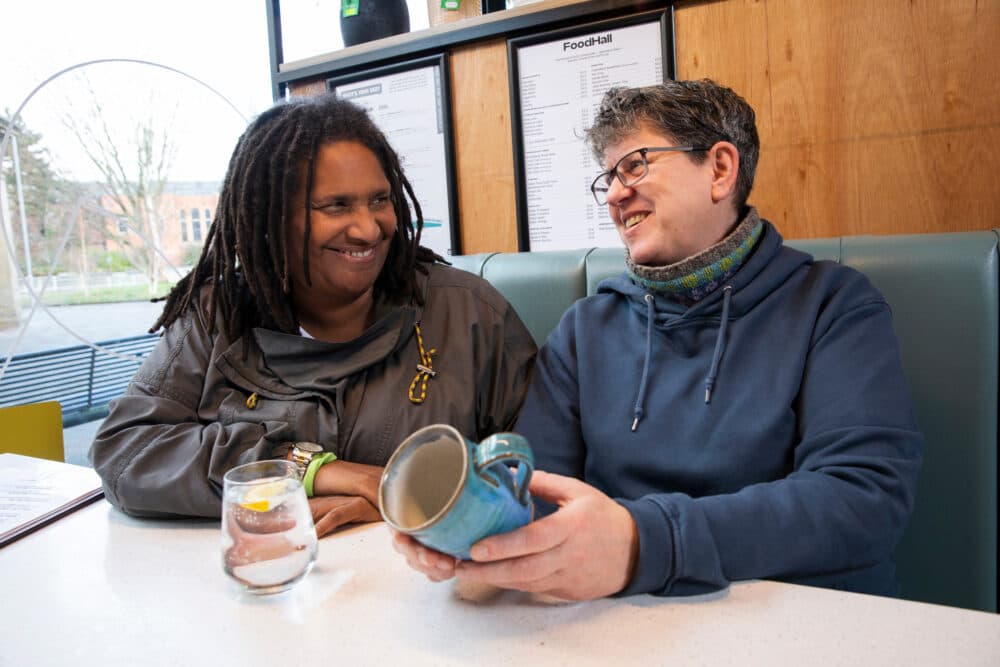
In reality, sharing the load can protect your relationship. If a Care Professional is helping with housework, personal care or errands, your time together can focus more on conversation, shared memories and enjoyable activities.
It can also be reassuring to know that someone trained and experienced is regularly seeing how your loved one is managing at home, and can feed back any changes or concerns.

Local Support From Home Instead North Devon & Exmoor
Home Instead North Devon & Exmoor provides private Care at Home in South Molton and the surrounding areas, including Bideford, Barnstaple and Braunton. The team offers unhurried visits that can combine Companionship Care, Home Help and more personal support where this is needed.
The office is rated Outstanding by the Care Quality Commission, and has a rating of 9.6 out of 10 on homecare.co.uk. You can read the latest report on the Care Quality Commission website, and you can also see comments from clients and families on our profile on homecare.co.uk.
Care Professionals are matched with clients so that there is time to build trust and a steady routine. Visits can be arranged to fit around existing support from family and friends, and can change over time as needs change.

Taking The Next Gentle Step
If you are starting to wonder whether companionship and practical help at home would make life easier, it can help to talk it through with someone who understands local options. A short conversation can explore what your loved one enjoys, what feels difficult at the moment and how support might fit around your family.
When you feel ready, you can contact Home Instead North Devon & Exmoor on 01769 302003 for an informal chat, or call in to the office at Unit 1c, Lime Field, South Molton EX36 3BS, UK. You can also find directions and reviews on the office’s Google profile if that is more convenient.
Whatever you decide, it is perfectly reasonable to look for a balance that supports both your loved one’s independence and your own well-being.

Areas We Serve
South Molton, Barnstaple, & the surrounding North Devon areas
EX31 1, EX31 2, EX31 3, EX31 4, EX32 0, EX32 7, EX32 8, EX32 9, EX33 1, EX33 2, EX34 0, EX34 7, EX34 8, EX34 9, EX35 6, EX36 3, EX36 4, EX37 9, EX39 1, EX39 2, EX39 3, EX39 4, TA22 9, TA24 7, TA24 8
Unit 1c, Lime Field, South Molton EX36 3BS, UK