Live-in Care vs Assisted Living in Monmouth: What’s the Difference?
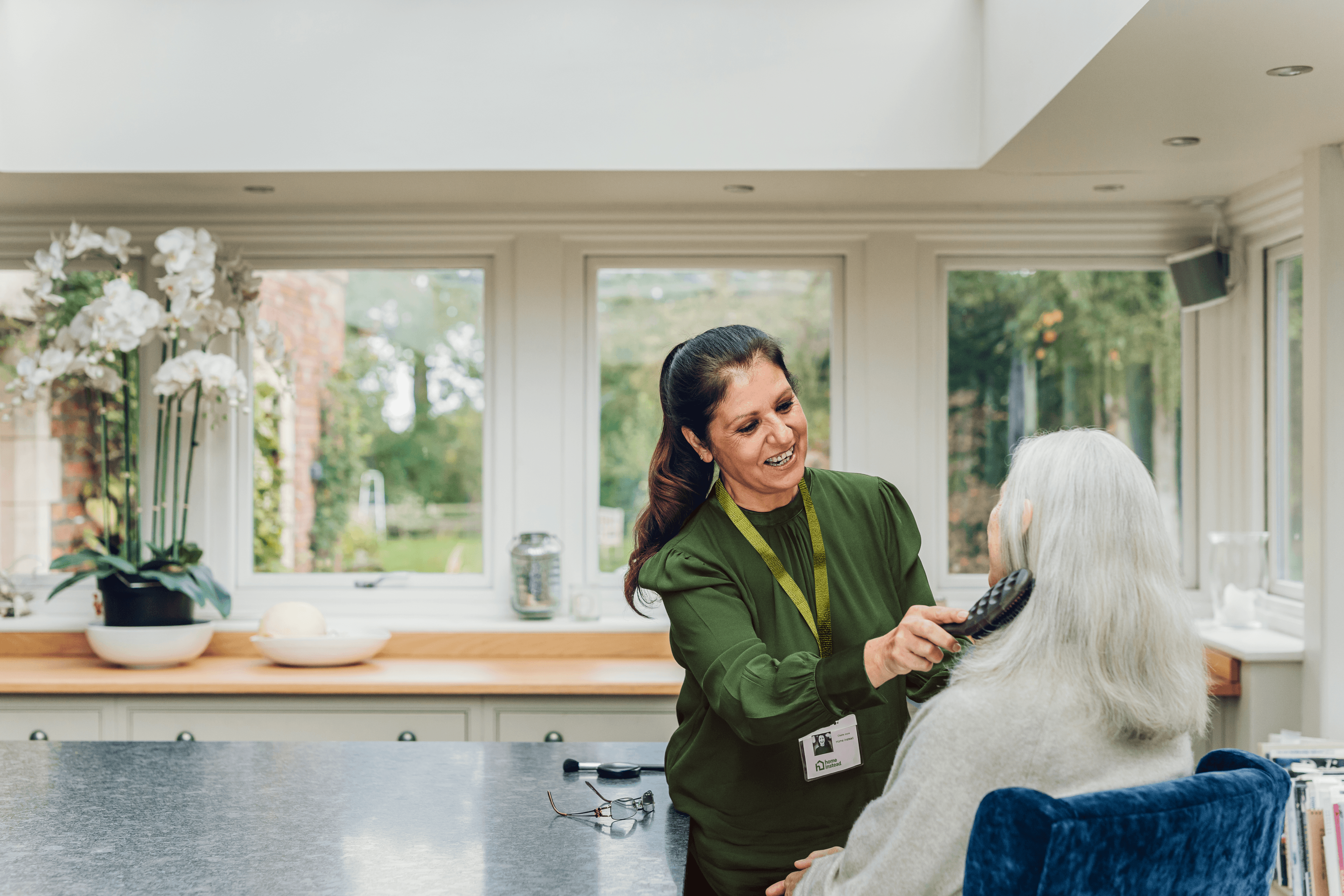
When someone you love starts needing more day-to-day support, the big question often follows: should we arrange live-in care at home, or move into assisted living?
For many families in Monmouth and the surrounding areas—Abergavenny, Pontypool, and rural Monmouthshire—this decision can feel overwhelming. There’s emotion involved, practical realities to consider, and often a lot of uncertainty around what each option actually includes.
This guide breaks it down clearly: what live-in care in Monmouth is, what assisted living in Monmouth typically looks like, how they compare in lifestyle and support, and what to think about when weighing up the cost of live-in care vs assisted living in the UK. We’ll also share why many people see live-in care as one of the most flexible alternatives to care homes in Monmouth, and how Home Instead Monmouth live-in care can support families with a personalised, relationship-led approach.
First, what is live-in care in Monmouth?
Live-in care in Monmouth means a professional Care Professional lives in your home (or your loved one’s home) to provide support throughout the day and be there overnight too. It’s designed for people who want to remain in familiar surroundings but need consistent, ongoing help.
Live-in care can support with:
- Morning and bedtime routines
- Elderly care at home, including personal care
- Meal preparation and hydration
- Medication reminders (where appropriate)
- Help with mobility and safe movement around the home
- Companionship and emotional reassurance
- Support with appointments and outings
- Light housekeeping related to care (laundry, tidying, etc.)
- Dementia support and routine consistency (where needed)
Many families choose private live-in care in Monmouth because it offers a high level of support without leaving home—especially if a person is anxious about change, lives with memory loss, or values independence and privacy.
The key idea is live-in care brings support to the person’s home, rather than moving the person to support.
What is assisted living in Monmouth?
Assisted living in Monmouth usually refers to accommodation designed for older adults who want some independence but may need help with daily tasks. People typically have their own flat or room, with communal areas on-site and support staff available.
Assisted living can vary widely by provider, but often includes:
- A self-contained living space
- Communal dining or meal options
- On-site support (often scheduled or available on-call)
- Social activities and communal facilities
- Safety features such as emergency call systems
- Sometimes housekeeping and laundry services (depending on package)
Assisted living is often positioned as a middle option between fully independent living and a traditional care home, though the exact level of personal care support can differ significantly.
In short, assisted living changes the living environment to match the support available.
Live-in care vs assisted living: the main differences
Here’s how live-in care vs assisted living compares in the areas families care about most.
1) Familiarity and comfort
- Live-in care: You stay in your own home, with your routines, neighbours, pets, and comforts. This can be especially important for people living with dementia or anxiety.
- Assisted living: You move to a new setting. Some people enjoy the “fresh start,” but others find the transition unsettling.
If familiarity matters most, live-in care often wins.
2) Independence and choice
- Live-in care: Support is built around your preferred routine—mealtimes, sleep schedule, activities, visitors, and hobbies.
- Assisted living: You may have more structure and shared schedules (e.g., meal times, activities, staffing patterns).
If you want day-to-day life to stay “yours,” live-in care can feel more personal.
3) Level of personalised support
- Live-in care: One-to-one support, with continuity and a relationship-led approach.
- Assisted living: Support is shared across residents. Staff are available, but not exclusively focused on one person.
If needs are complex or changeable, one-to-one support can be a major advantage.
4) Social connection
- Live-in care: Social connection comes from the Care Professional and planned visits/outings—plus staying close to existing community ties.
- Assisted living: Built-in social opportunities, communal spaces, and other residents can reduce isolation for some.
If loneliness is a major driver, assisted living can help—though live-in care can also support social life by enabling outings and routines.
5) Safety and reassurance at night
- Live-in care: Someone is in the home overnight, which can be reassuring for falls risk, anxiety, wandering, or health concerns.
- Assisted living: Emergency call systems are common, with staff available—though response models vary.
If overnight reassurance is essential, live-in care is often the more direct solution.
The cost of live-in care vs assisted living in the UK: what to know
Costs can be difficult to compare because pricing structures vary. Still, understanding what you’re paying for helps families decide.
Live-in care costs (UK overview)
Private live-in care in Monmouth is usually priced as a daily or weekly rate. The cost may vary depending on:
- The level of support required (basic vs complex care)
- Night-time needs
- Mobility assistance
- Dementia support
- Location and care provider
- Whether a single person or a couple needs support
Live-in care can appear expensive at first glance, but it includes extensive one-to-one support and keeps someone in their own home, which can avoid additional moving costs and reduce the disruption to wellbeing.
Assisted living costs (UK overview)
Assisted living often involves:
- Accommodation fees (rent or purchase/lease structure)
- Service charges (maintenance, communal facilities, staffing)
- Additional care charges if personal care is needed
Some people assume assisted living is “all inclusive,” but often personal care support is charged separately, depending on the setting.
A practical cost comparison question
Instead of comparing headline numbers, ask:
- “What support is included in each option?”
- “How many hours of one-to-one help would we actually get?”
- “What happens if needs increase?”
- “Are there extra charges for personal care, night support, or emergencies?”
For couples, live-in care can sometimes be cost-effective compared to paying for two separate assisted living arrangements—depending on needs—because one Care Professional can often support the household routine (with appropriate planning).
Bottom line: the cost of live-in care vs assisted living in the UK depends on the care package, not just the accommodation.
Which option is best for elderly care at home in Monmouth?
There isn’t a single “best” option—only what best fits the person.
Live-in care tends to suit people who:
- Want to stay in their own home long-term
- Have strong ties to local community or family nearby
- Feel anxious about moving
- Live with dementia, confusion, or memory loss
- Need help overnight or are at high risk of falls
- Have complex needs requiring regular, consistent support
- Want privacy and one-to-one attention
Many families choose live-in care as one of the most supportive alternatives to care homes in Monmouth, particularly when a care home move would feel too disruptive.
Assisted living may suit people who:
- Want a simpler living arrangement with fewer home maintenance responsibilities
- Would benefit from communal social activities
- Prefer a setting with on-site staff and structured support
- Feel ready for a move and want a “downsized” lifestyle
- Need only light-to-moderate support (depending on the provider)
Assisted living can be a positive option for people who enjoy being around others and want a safe environment with built-in facilities.
When to choose assisted living vs home care: key decision factors
If you’re deciding when to choose assisted living vs home care, consider these questions as a family:
1) How important is staying at home?
If home means security, identity, pets, neighbours, and comfort, moving may have a bigger emotional impact than you expect.
2) What level of support is needed today—and in 6–12 months?
If needs are increasing, live-in care can scale more smoothly because care is tailored and flexible.
3) How does the person cope with change?
Some people adapt brilliantly. Others find change destabilising, especially with memory loss, anxiety, or low confidence.
4) Is loneliness a central issue?
Assisted living can offer built-in community, but live-in care can also address loneliness through companionship and supported outings—while keeping someone in their familiar world.
5) What’s the family situation?
If relatives live further away, live-in care can add major reassurance. If family can visit often and the person enjoys community life, assisted living may suit.
Home Instead Monmouth live-in care: support that feels personal
If you’re considering live-in care, our aim is to make the process feel clear, respectful, and reassuring.
Families often choose us because they want:
- A relationship-led approach that prioritises trust and dignity
- One-to-one support tailored to the person’s routine
- Consistent communication with families
- A local team that understands Monmouthshire life
- A flexible plan that can adapt as needs change
We support older adults across Monmouth, Abergavenny, and Pontypool, helping people stay comfortable and confident at home for as long as possible—while giving families reassurance that their loved one is supported day and night.

Quick comparison summary
Choose live-in care in Monmouth if:
- staying at home is the priority
- one-to-one support is needed
- routines and familiarity matter
- overnight reassurance is important
- needs are complex or changing
Choose assisted living in Monmouth if:
- the person wants a move and enjoys community life
- a simpler living setup is appealing
- support needs are moderate and structured
- social opportunities are a key benefit
Planning ahead: the best next step
Even if you’re not ready to make a decision today, learning your options now is a powerful step. Families who plan ahead often feel calmer, more confident, and better able to choose what genuinely fits their loved one.
If you’re weighing up live-in care vs assisted living and want guidance tailored to your situation, a conversation can bring clarity—about care needs, routines, lifestyle preferences, and what’s realistic in terms of support.
Because when care decisions are made with time, information, and support, they feel less frightening—and far more empowering.