Spotting the Early Signs of Health Decline

Spotting the Early Signs of Health Decline in Older Adults
As our loved ones grow older, changes in their health can happen gradually, so gradually in fact that early warning signs are often overlooked. Families may assume that forgetfulness, tiredness, or reduced mobility are simply ‘part of ageing’, when in reality, they can be indicators of a deeper health concern. Recognising the early signs of health decline is one of the most powerful ways to protect an older adult’s independence, safety, and quality of life.
In this guide, we explore the suble physical, cognitive, and emotional changes to look out for, and how timely support, such as professional home care, can make a meaningful difference.
Why Early Detection Matters
Spotting health changes early allows families to:
- Prevent small issues from becoming major problems
- Reduce the risk of falls, hospital admissions, or medical emergencies
- Support ageing adults to stay independent at home for longer
- Improve overall wellbeing and confidence
Early intervention doesn’t just protect physical health – it also provides peace of mind for families who want to ensure their loved one is safe and supported.
1. Physical Signs of Health Decline
Physical changes are often the first indicator that something isn’t quite right. While some changes are expected with age, noticeable shifts in mobility, strength, or appearance can signal underlying issues.
Changes to look out for:
- Increased fatigue or low energy – if an older adult becomes unusually tired or struggles with everyday tasks, it may indicate heart, lung, or metabolic issues.
- Unexplained weight loss or gain – sudden changes in weight can be linked to nutritional deficiencies, depression, thyroid problems, or medication side effects.
- Decline in mobility or balance – shuffling feet, difficulty standing up, or frequent stumbling can increase the risk of falls and may point to muscle weakness or neurological changes.
- Poor personal hygiene – if someone who once took pride in their appearance begins to neglect bathing, grooming, or laundry, it may be due to physical limitations or cognitive decline.
- Changes in skin conditions – bruising, dryness, or sores can indicate circulation problems, dehydration, or unnoticed injuries.
2. Cognitive and Behavioural Changes
Cognitive decline can be subtle at first. Families often dismiss early signs as ‘just forgetfulness’, but small changes can be early indicators of dementia, medication issues, or other neurological conditions.
Key signs include:
- Memory lapses – forgetting appointments, misplacing items, or repeating questions can signal more than normal ageing.
- Difficulty managing daily tasks – trouble following recipes, paying bills, or keeping track of medication may indicate cognitive strain.
- Confusion or disorientation – getting lost in familiar places or struggling to follow conversations can be early red flags.
- Changes in judgement – poor decision making, unusual purchases, or falling for scams may reflect declining cognitive function.
- Withdrawal from hobbies or social activities – a loss of interest in previously enjoyed activities can be linked to depression or early dementia.
3. Emotional and Psychological Signs
Emotional wellbeing is just as important as physical health. Loneliness, anxiety, and depression are common among older adults, especially those living alone.
Signs to watch for:
- Increased irritability or mood swings – sudden changes in temperament may indicate emotional distress or cognitive changes.
- Loss of confidence – fear of falling, driving, or going out alone can lead to isolation and reduced activity.
- Persistent sadness or anxiety – these may be signs of depression, which is often under diagnosed in older adults.
- Changes in sleep patterns – difficulty sleeping or sleeping excessively can be linked to mental health concerns or medical conditions.
4. Social and Environmental Indicators
Sometimes the home environment reveals more than the person does. A decline in someone’s ability to manage their household can be a strong indicator that they need extra support.
Look for:
- Unopened mail or unpaid bills – this may suggest difficulty managing finances or memory issues.
- A cluttered or unclean home – struggling to maintain the home can be a sign of physical or cognitive decline.
- Spoiled or limited food in the fridge – this may indicate difficulty shopping, cooking, or remembering to eat.
- Missed medical appointments – forgetfulness or lack of motivation can lead to missed check-ups and worsening health.
How Home Care Can Help
Professional home care offers tailored support that helps older adults stay safe, comfortable, and independent in their own home. Our Care Professionals can assist with:
- Personal care and hygiene
- Medication reminders
- Meal preparation and nutrition
- Mobility support and fall prevention
- Companionship and emotional wellbeing
- Household tasks and daily routines
By providing consistent monitoring and compassionate support, home-care professionals can spot changes early and communicate them to families, ensuring timely intervention.
When to Seek Help
If you notice even small changes in a loved one’s behaviour, mobility, or wellbeing, it’s worth having a gentle conversation and considering a professional assessment. Early support can prevent crises and help maintain independence for as long as possible.
Final Thoughts
Health decline doesn’t happen overnight. It’s a gradual process, and the earlier you recognise the signs, the more effectively you can support your loved one. Whether you’re concerned about physical changes, memory issues, or emotional wellbeing, home care can provide the reassurance and practical help your family needs.
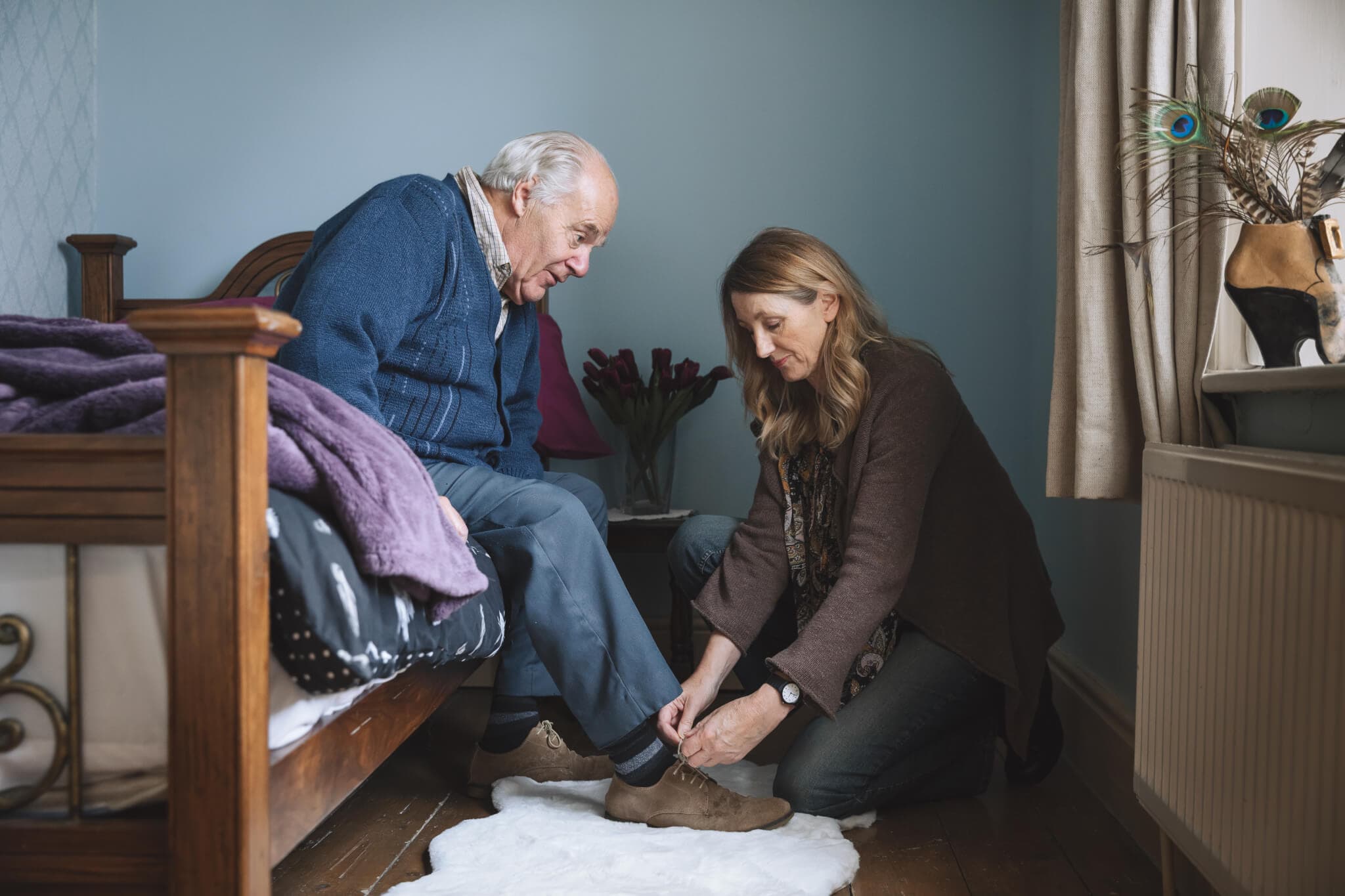
Physical Symptoms
Unexplained Fatigue: If your loved one seems persistently tired despite getting enough rest, it could be a sign of underlying issues such as anemia, thyroid problems, or heart disease. Chronic fatigue is a signal to consult a healthcare provider for a thorough evaluation.
Shortness of Breath: Difficulty breathing during everyday activities or even at rest can be alarming. This symptom might indicate respiratory conditions like asthma, COPD, or heart-related issues such as heart failure. Immediate medical attention is crucial in these cases.
Chest Pain or Discomfort: Any chest pain, particularly if it radiates to the arms, neck, or jaw, could signify a heart attack or angina. Don’t hesitate—seek emergency medical help immediately.
Changes in Weight and Mental Status
Sudden Weight Loss or Gain: Noticeable and unexplained changes in weight can be a serious indicator of health problems. Sudden weight loss might point to conditions like cancer, diabetes, or hyperthyroidism, while rapid weight gain can be associated with heart failure or kidney disease. It’s important to consult a healthcare professional to understand the cause.
Changes in Mental Status: Confusion, disorientation, memory loss, or significant behavioural changes can be alarming. These symptoms could indicate infections, strokes, or metabolic imbalances. Immediate medical attention is necessary to address these changes effectively.
Persistent Symptoms
Persistent Fever: A fever that lasts more than a few days or is unusually high can be a sign of infection or other inflammatory conditions. Persistent fever should prompt a visit to a healthcare professional for proper diagnosis and treatment.
Swelling in Legs or Abdomen: Swelling, particularly in the legs or abdomen, can indicate fluid retention due to heart, liver, or kidney problems. This symptom needs prompt medical evaluation to prevent worsening of the underlying condition.
Persistent Cough or Hoarseness: A cough that doesn’t go away or persistent hoarseness can signal respiratory infections, chronic bronchitis, or even lung cancer. These symptoms should be checked by a healthcare provider, especially if they last for more than a few weeks.
Recognising these early warning signs and seeking timely medical intervention can greatly reduce the risk of hospitalisation. Regular health check-ups, staying informed about health conditions, and maintaining open communication with healthcare providers are essential steps in managing health effectively. Early detection and prompt action are key to maintaining good health and preventing serious complications.
For additional support in caring for your loved ones and enabling them to stay comfortably in their own home, contact Home Instead Telford North, Newport & Market Drayton on 01952 581112. Our compassionate and comprehensive home care services are designed to ensure your loved ones receive the best care possible in the comfort of their own home.