When a Parent Says They’re Fine, But Something Doesn’t Feel Right
When a parent says they’re fine but your instincts tell you otherwise, the honest answer is usually to trust what you’re seeing and act gently. This April, many families in Central Manchester are noticing small shifts at home, missed meals, tidiness slipping, a parent seeming more tired than usual, and wondering what to do next without upsetting the people they love.
This blog walks through why parents often say they’re fine, the signs worth watching for, and how to start the conversation in a way that feels respectful rather than pressuring.

Why Parents Often Say They are “Fine”
It is very common for older adults to downplay their needs. This is rarely about being difficult. More often, it comes from understandable feelings and concerns. Many people worry about losing their independence. Accepting help can feel like giving something up, even when that is not the case. Others may not want to burden their family or may feel embarrassed about needing support with daily tasks. There can also be a genuine belief that things are manageable. Changes can happen gradually, so your parent may not fully recognise how much their situation has shifted. Approaching this with empathy is key. Recognising their perspective helps keep conversations calm and respectful.

Signs That Extra Support May Be Needed
While every situation is different, there are some gentle indicators that your parent may benefit from additional care at home. These can include forgetting appointments or important tasks, changes in personal hygiene or appearance, a home that feels less safe or well-maintained, reduced appetite or difficulty preparing meals, increased isolation or withdrawal from usual activities, and small accidents or near misses around the home. These signs do not mean immediate intervention is required, but they can help guide your next steps.

How To Start The Conversation
Bringing up care can feel uncomfortable, but the way you approach it matters. Choose a calm, relaxed moment rather than raising concerns during a stressful situation. Start with observations rather than conclusions. For example, you might say you have noticed they seem more tired lately, or that certain tasks appear to be taking more effort. Keep your tone gentle and open. Ask questions and listen carefully to their responses. This helps your parent feel involved rather than pressured. It can also help to focus on shared goals. Most people want to remain at home, feel comfortable, and stay independent. Framing care as a way to support those goals often makes the conversation easier.

Taking Small, Practical steps
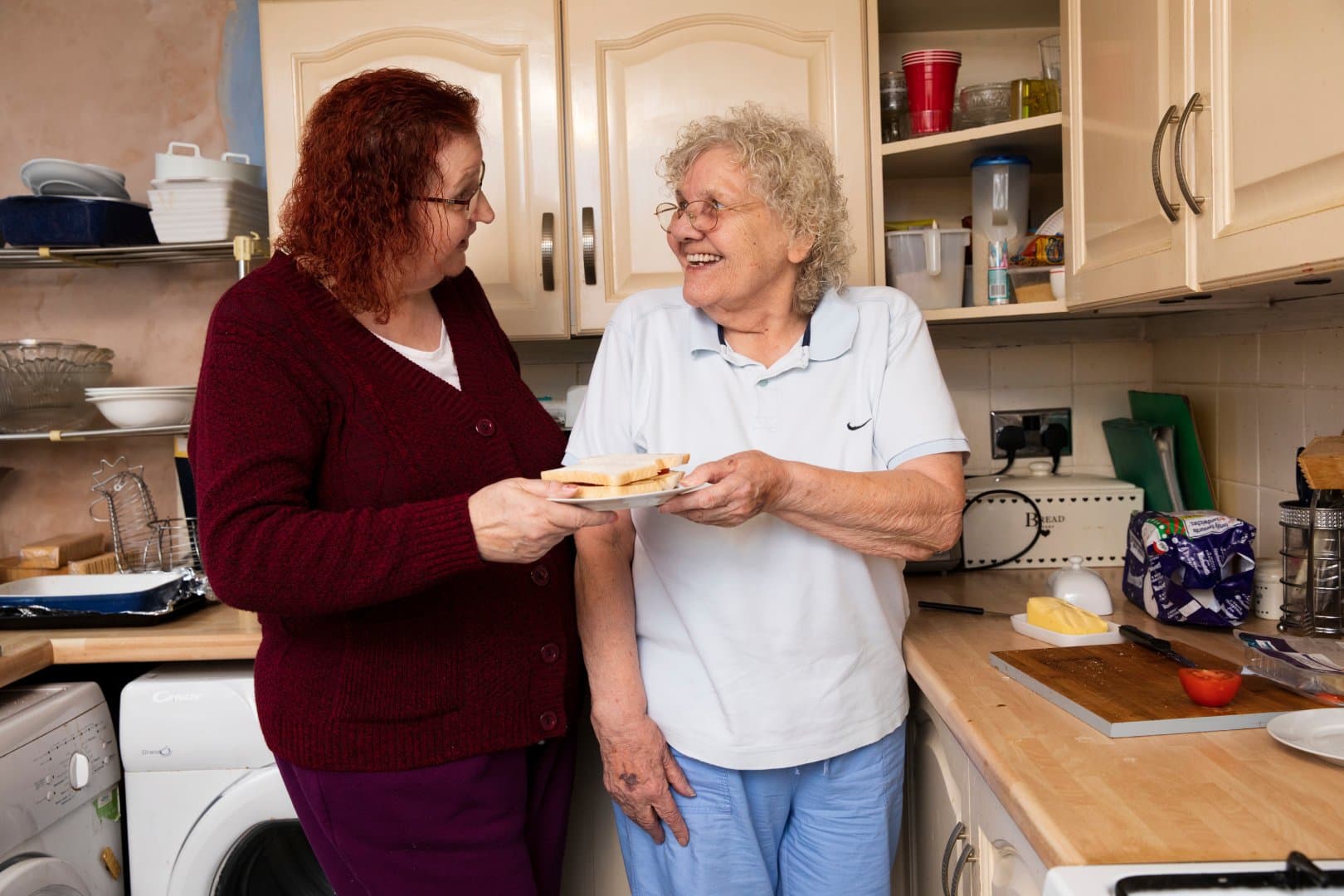
If your parent is hesitant, introducing support gradually can feel more acceptable. You might begin with light assistance, such as help with housekeeping, meal preparation, or companionship visits. These small steps can build trust and show that care is there to support rather than take over. Another helpful approach is to suggest trying care on a short-term basis. A trial period can remove some of the uncertainty and allow your parent to experience the benefits first-hand.

The Role of Private Care at Home
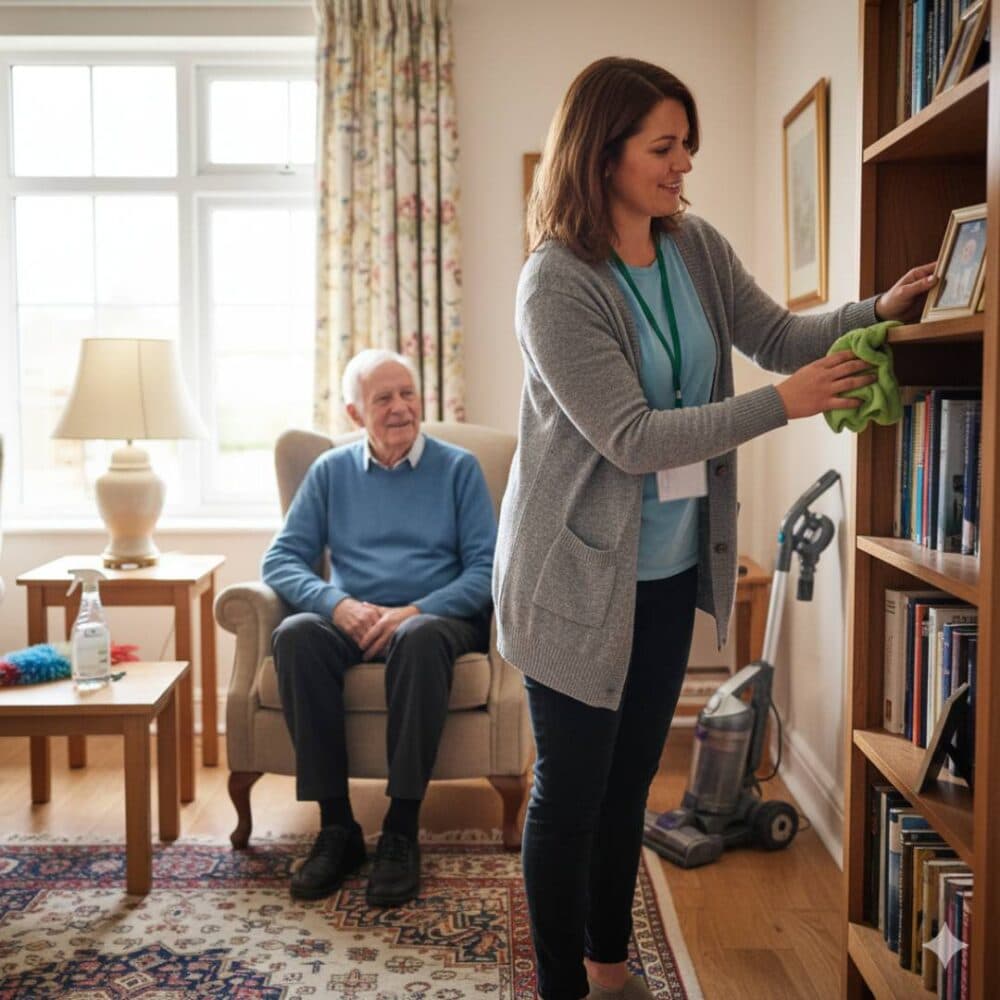
Private care at home offers a tailored and personalised way to support older adults while they remain in familiar surroundings. Rather than making large changes, care can be shaped to fit your parent’s routine and preferences. Support can include help with daily tasks such as dressing or bathing, meal preparation and nutritional support, companionship and social interaction, assistance with medication reminders, and light housekeeping and home organisation. This type of care is designed to work alongside your parent’s lifestyle, helping them feel more confident and comfortable at home.

Supporting Your Parent Emotionally
It is important to remember that this process is not only practical, but emotional too. Your parent may need time to adjust to the idea of receiving help. Offering reassurance and keeping communication open can make a big difference. Let them know that their wishes matter and that you are working together to find the right level of support. Patience matters, and even small steps forward are meaningful.

When to seek additional guidance
If you feel unsure about what level of care is appropriate, speaking with a professional can provide clarity. A local care team can offer advice based on your parent’s situation and help you look into suitable options without pressure. You are not expected to have all the answers on your own. Reaching out for guidance is a positive step.

Your Local Home Instead Team
When you are ready to explore care options, your local Home Instead team is here to help with calm, supportive guidance.
Home Instead office name:
Home Instead Central Manchester
Office phone number:
0161 480 0646
Office website URL:
https://www.homeinstead.co.uk/manchester-central-tameside/
Areas covered (towns/villages/communities):
Droylsden, Openshaw, Manchester, Moston, Gorton, Longsight, Dukinfield, Daisy Nook, Denton, Ashton-under-Lyne
Postcodes served:
M1 1, M1 2, M1 3, M1 4, M1 5, M1 6, M1 7, M11 1, M11 2, M11 3, M11 4, M12 4, M12 5, M12 6, M13 0, M13 9, M15 4, M15 5, M15 6, M18 7, M18 8, M2 1, M2 2, M2 3, M2 4, M2 5, M2 6, M2 7, M3 1, M3 2, M3 3, M3 4, M3 5, M3 6, M3 7, M34 2, M34 3, M34 5, M34 6, M34 7, M35 0, M35 9, M4 1, M4 2, M4 3, M4 4, M4 5, M4 6, M4 7, M40 0, M40 1, M40 2, M40 3, M40 5, M40 7, M40 8, M40 9, M43 6, M43 7, M60 0, M60 1, M60 2, OL6 7, OL7 0, OL7 9, SK14 4, SK16 4, SK16 5
Whether you are just starting to consider care or need more immediate support, the team can offer guidance that feels local, familiar, and reassuring.

Ratings and reassurance
Home Instead Central Manchester maintains strong standards of care, reflected in the following ratings:
Homecare.co.uk rating:
9.8 out of 10
Profile link:
https://www.homecare.co.uk/homecare/agency.cfm/id/65432184383
CQC rating:
Good
CQC report link:
https://www.cqc.org.uk/location/1-7209198923
A gentle next step
If you are concerned about a parent who insists they are fine, you are not alone. Many families face this situation, and support is available. Taking a calm, gradual approach often leads to the best outcomes. If you would like to learn more about how private care at home can help your parent remain safe and comfortable, you can visit the local Home Instead services page or speak directly with the team for friendly advice.

How can we help?
We've helped thousands of families to stay safe, comfortable and happy at home. Whatever situation you're facing, or whatever the question is, Home Instead is here to help.
Are you in need of a little guidance right away?
Other non-care-related enquiries