How Live-in Care Supports Recovery After a Fall
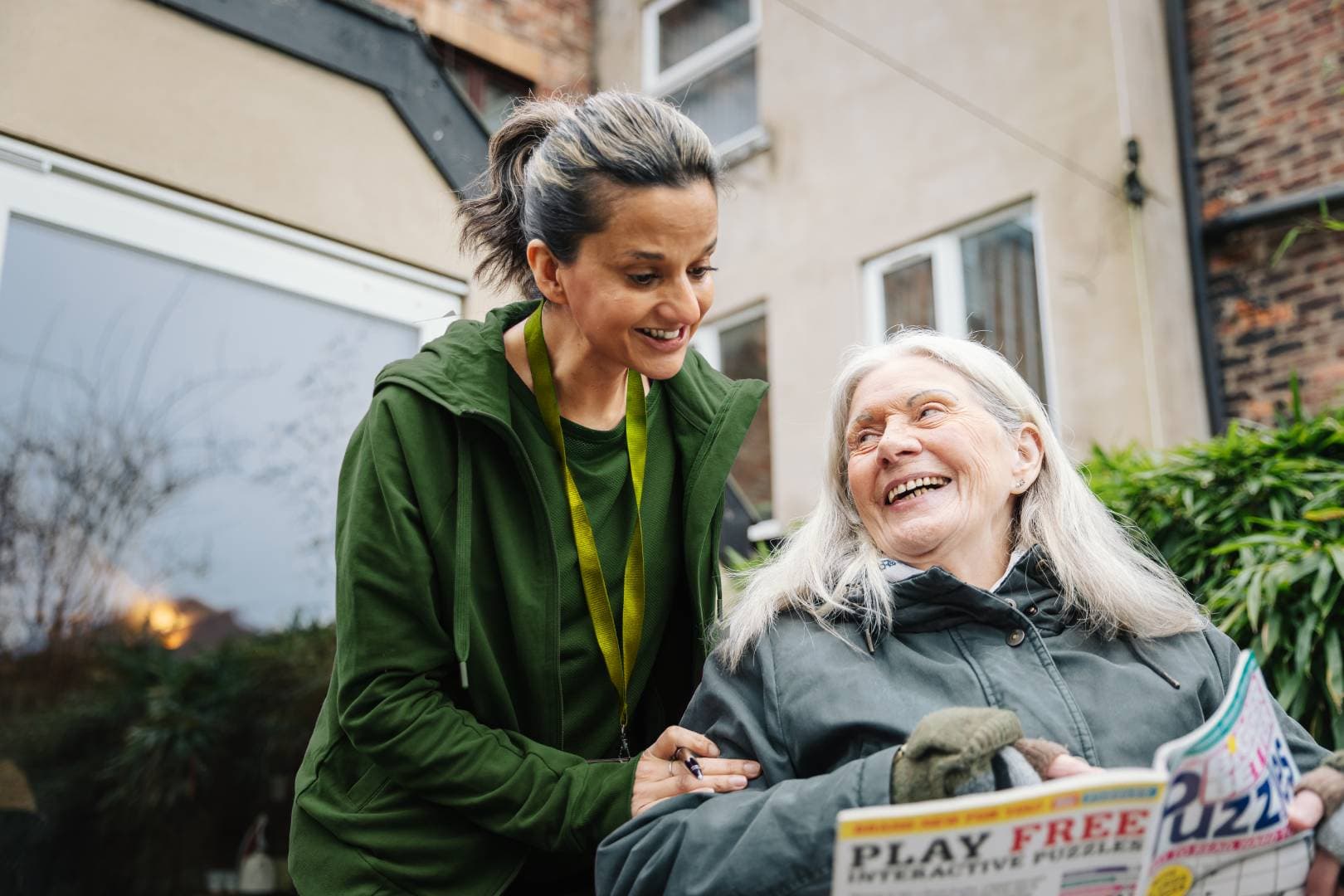
Recovering after a fall can take time, patience, and the right support. For many older adults, returning home after a hospital stay or period of reduced mobility can feel reassuring, but it can also bring understandable concerns about safety, confidence, and managing day-to-day routines.
Live-in care offers personalised support within the comfort of home, helping people recover at their own pace while maintaining familiar surroundings, routines, and independence. With compassionate one-to-one care, individuals can receive practical assistance, emotional reassurance, and consistent companionship throughout their recovery journey.
Understanding Recovery After a Fall
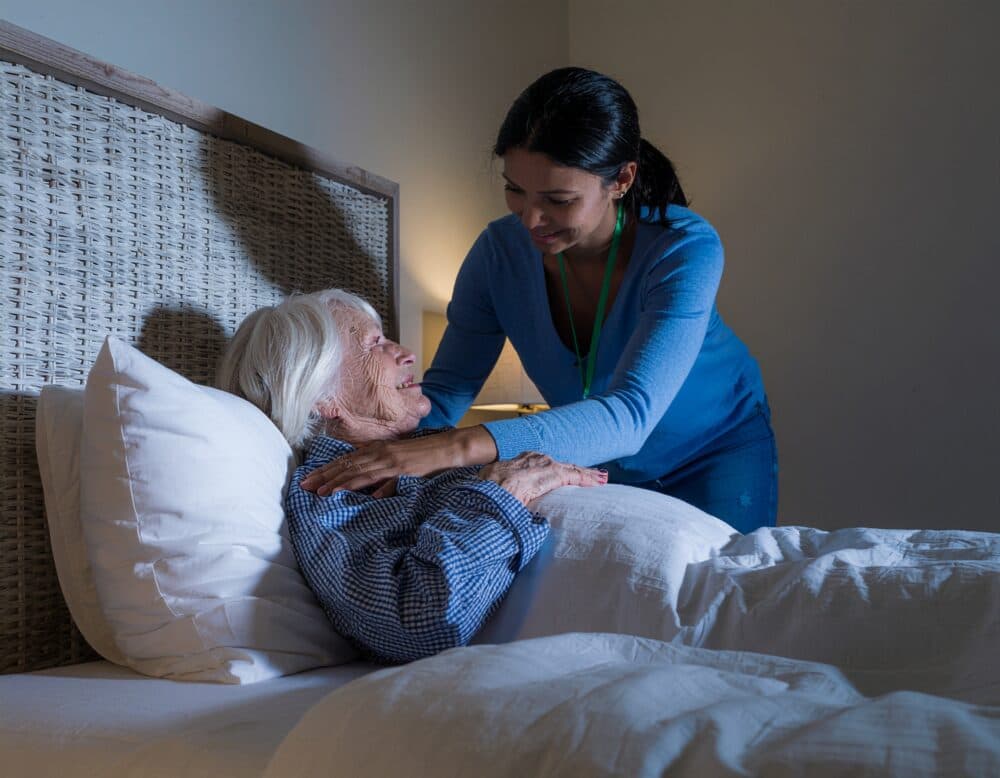
A fall can affect more than just physical wellbeing. Even when injuries are minor, people may feel less confident moving around the home afterwards. Tasks that once felt simple, such as getting dressed, preparing meals, or climbing stairs, may suddenly feel more difficult.
Recovery often involves a combination of rest, gradual movement, support with mobility, and rebuilding confidence. Having consistent help available throughout the day and night can make this process feel far less overwhelming.
Live-in care allows support to be tailored around the individual’s needs, routines, and preferences. Whether someone requires short-term support after leaving the hospital or longer-term assistance at home, care can adapt as recovery progresses.
The Benefits of Recovering at Home
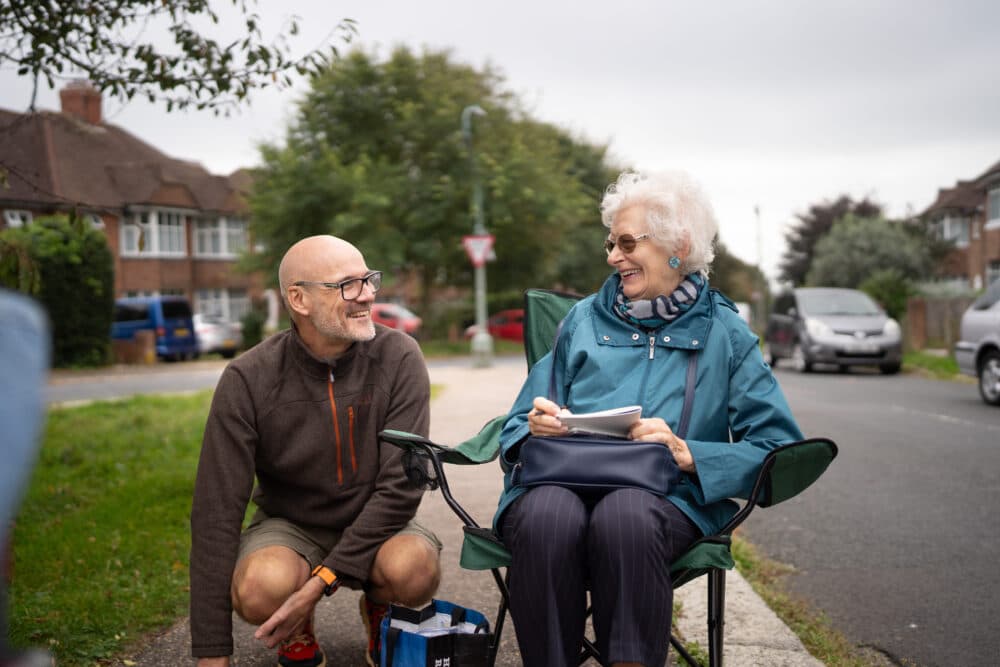
Many people feel more comfortable recovering in familiar surroundings. Being at home can support emotional wellbeing and reduce the disruption that often comes with extended stays away from family, pets, neighbours, and treasured routines.
Home environments can also be adapted to make daily life easier during recovery. Small changes, combined with ongoing support from a live-in Care Professional, can help reduce strain and encourage safer movement around the home.
Some of the benefits of recovering at home with live-in care may include:
- Support with washing, dressing, and personal care
- Assistance in preparing nutritious meals and drinks
- Help manage medication routines
- Mobility support around the home
- Companionship and emotional reassurance
- Assistance attending appointments or physiotherapy sessions
- Help with light household tasks and shopping
- Overnight reassurance when needed
Having one consistent Care Professional living in the home can also help create familiarity and trust, which many families find comforting during recovery periods.
Rebuilding Confidence After a Fall
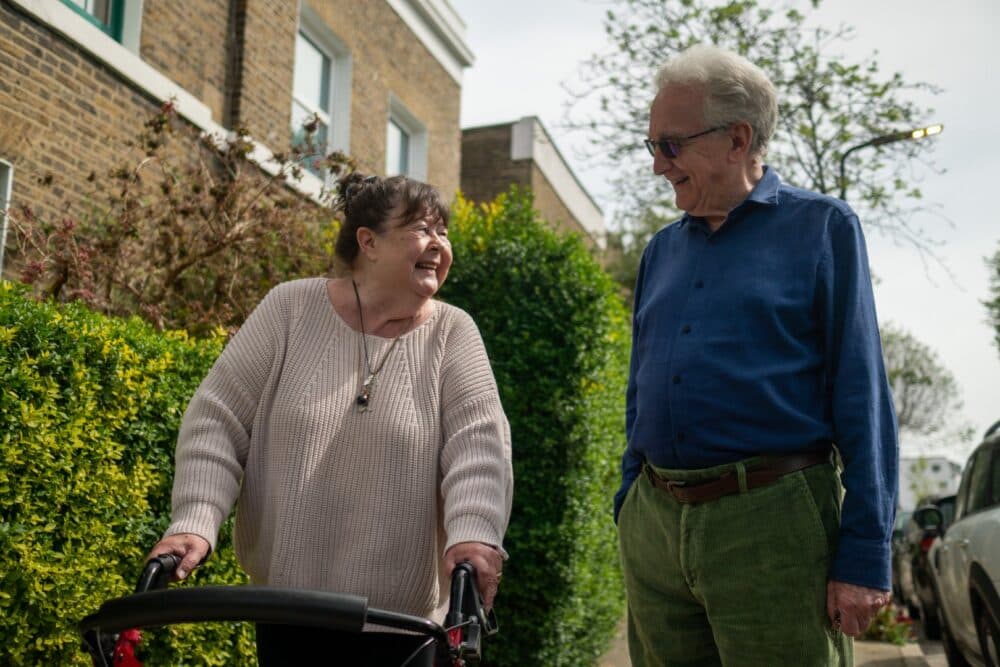
One of the most important parts of recovery is restoring confidence. After a fall, some people naturally become more cautious or anxious about moving around independently.
Gentle encouragement and steady support can make a significant difference. Live-in care provides reassurance throughout the day, helping people regain confidence gradually without feeling rushed or pressured.
Simple daily activities, such as walking to the kitchen, spending time in the garden, or enjoying local community visits again, can become positive steps towards greater independence.
Care Professionals can also help establish routines that promote comfort and consistency, helping recovery feel more manageable.
Supporting Mobility Safely
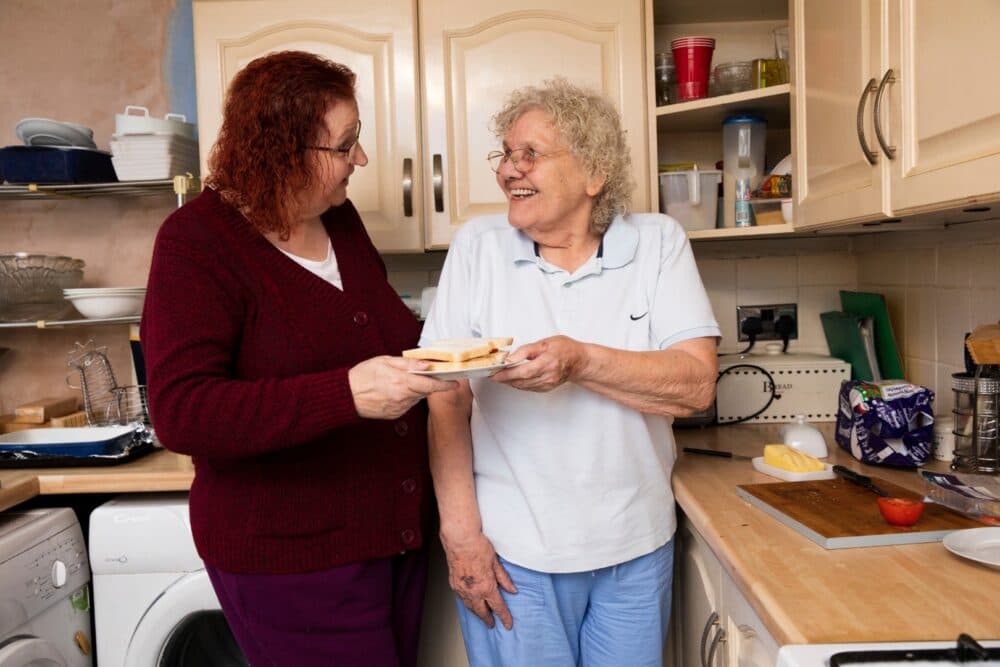
Mobility support should always be approached carefully and respectfully. Every person’s recovery experience is different, which is why personalised care is so important.
A live-in Care Professional can assist with safe movement around the home while encouraging independence wherever possible. This may include:
Helping With Everyday Movement
Support may involve standing assistance, walking support, or ensuring mobility aids are positioned correctly and safely.
Encouraging Gentle Daily Activity
Remaining active, where appropriate, can support recovery and wellbeing. Gentle movement and daily routines can help people maintain strength and confidence over time.
Creating a Safer Home Environment
Reducing trip hazards, improving lighting, and arranging frequently used items within easy reach can all support safer living during recovery.
Emotional Support Matters Too
Recovery is not only physical. Feeling isolated, frustrated, or worried after a fall is common, especially for people who are used to managing independently.
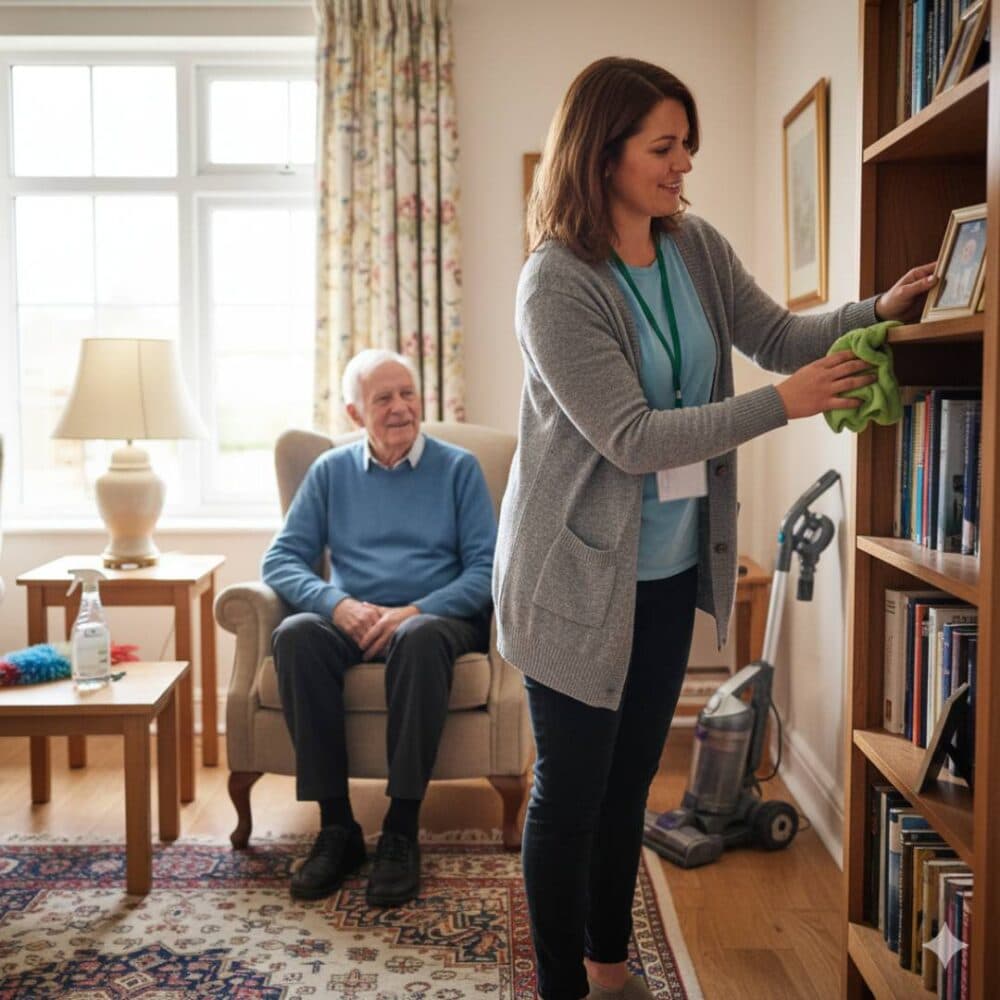
Companionship can provide reassurance during uncertain moments. Having someone nearby to share meals, enjoy conversations, or simply provide a calming presence can help ease feelings of loneliness or anxiety.
Families also often gain peace of mind knowing their loved one is not facing recovery alone.

Flexible Support That Changes With Recovery
Recovery needs may change over time. Some individuals may initially require substantial support before gradually becoming more independent again.
Live-in care offers flexibility, allowing care plans to adapt naturally as needs evolve. This can include increasing or reducing support levels, focusing on rehabilitation routines, or providing more companionship-based care as confidence improves.
For families, this flexibility can make planning much easier during periods of uncertainty.

Your Local Home Instead Team
At Home Instead Central Manchester, we understand how important it is to feel safe, supported, and comfortable during recovery after a fall. Our compassionate Care Professionals provide personalised live-in care designed around individual routines, preferences, and wellbeing.
We proudly support individuals and families across local communities, including Droylsden, Openshaw, Manchester, Moston, Gorton, Longsight, Dukinfield, Daisy Nook, Denton, and Ashton-under-Lyne.
Home Instead office name:
Home Instead Central Manchester
Office phone number:
0161 480 0646
Office website URL:
https://www.homeinstead.co.uk/manchester-central-tameside/
Areas covered (towns/villages/communities):
Droylsden, Openshaw, Manchester, Moston, Gorton, Longsight, Dukinfield, Daisy Nook, Denton, Ashton-under-Lyne
Postcodes served:
M1 1, M1 2, M1 3, M1 4, M1 5, M1 6, M1 7, M11 1, M11 2, M11 3, M11 4, M12 4, M12 5, M12 6, M13 0, M13 9, M15 4, M15 5, M15 6, M18 7, M18 8, M2 1, M2 2, M2 3, M2 4, M2 5, M2 6, M2 7, M3 1, M3 2, M3 3, M3 4, M3 5, M3 6, M3 7, M34 2, M34 3, M34 5, M34 6, M34 7, M35 0, M35 9, M4 1, M4 2, M4 3, M4 4, M4 5, M4 6, M4 7, M40 0, M40 1, M40 2, M40 3, M40 5, M40 7, M40 8, M40 9, M43 6, M43 7, M60 0, M60 1, M60 2, OL6 7, OL7 0, OL7 9, SK14 4, SK16 4, SK16 5
If you would like to learn more about live-in care in Droylsden or discuss support for a loved one recovering after a fall, the local Home Instead team is here to help answer your questions and provide guidance at a pace that feels comfortable for you.
Ratings and Compliance
Home Instead Central Manchester is committed to delivering high-quality, person-centred care.
Homecare.co.uk rating:
9.8 out of 10
Profile link:
https://www.homecare.co.uk/homecare/agency.cfm/id/65432184383
CQC rating:
Good
CQC report link:
https://www.cqc.org.uk/location/1-7209198923

How can we help?
We've helped thousands of families to stay safe, comfortable and happy at home. Whatever situation you're facing, or whatever the question is, Home Instead is here to help.
Are you in need of a little guidance right away?
Other non-care-related enquiries