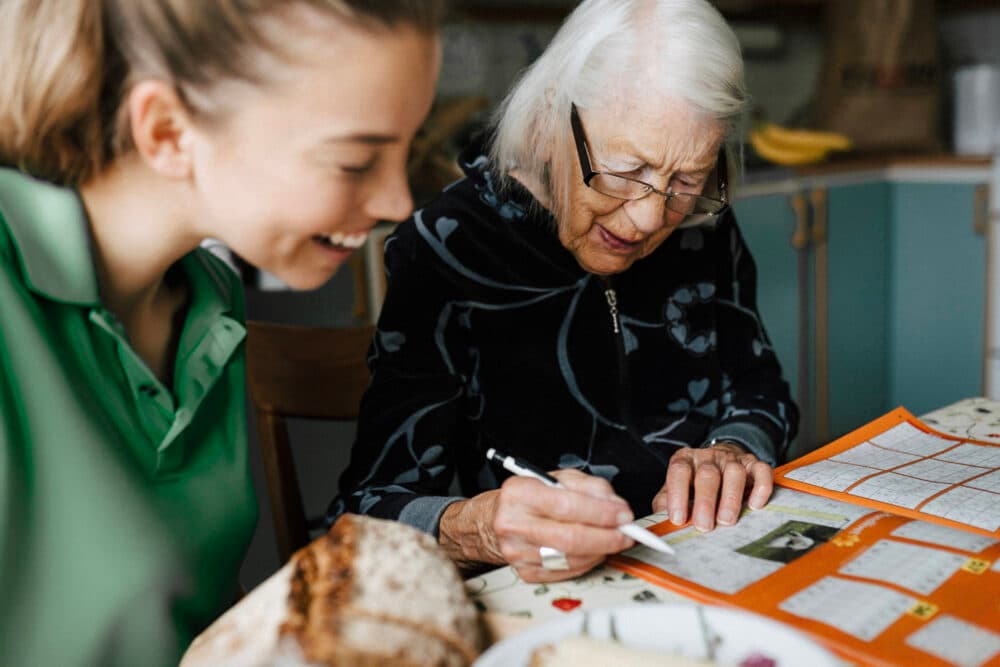
Helping Seniors Stay Connected and Engaged
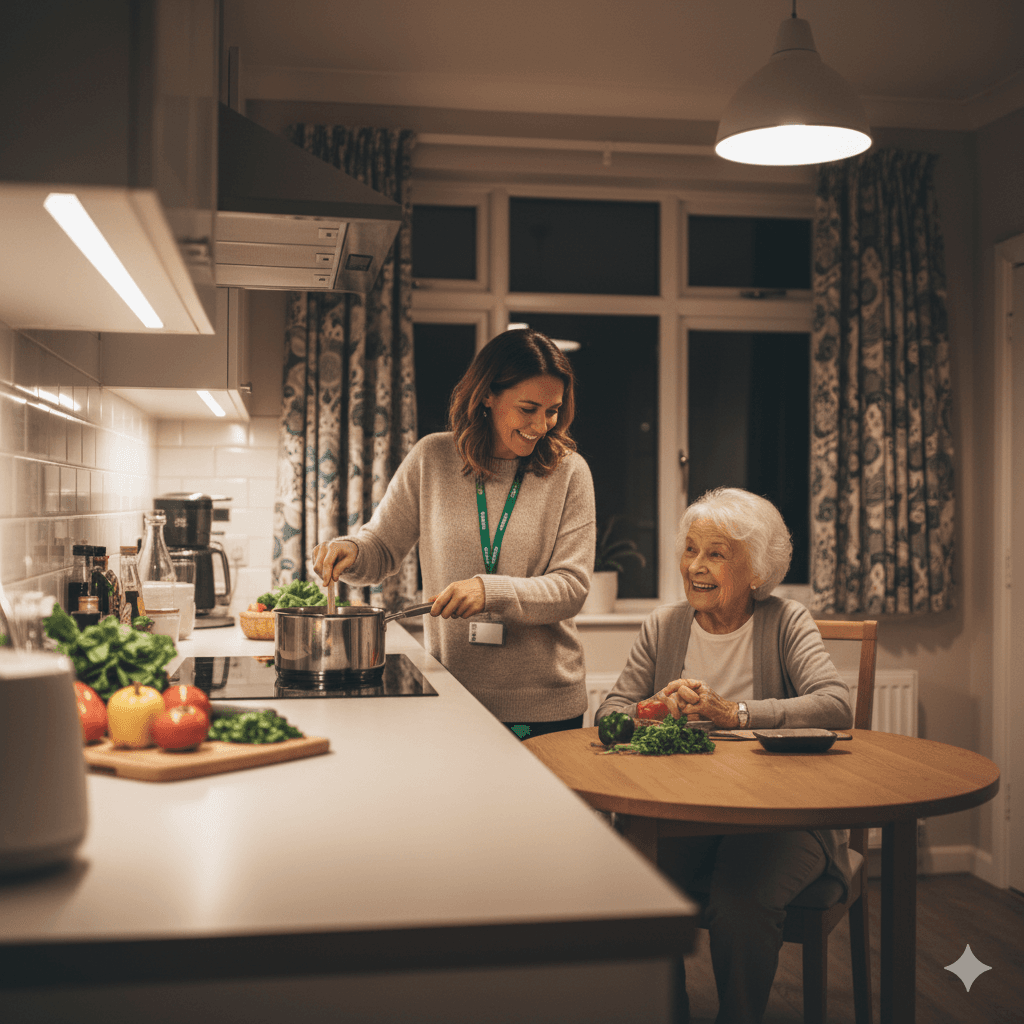
How regular companionship can reduce loneliness and improve mental health for older adults.
Feeling lonely isn’t just an emotional challenge, it’s a growing health concern, especially for older adults. Have you noticed a parent, neighbour or friend withdrawing from activities they once enjoyed? Or perhaps they’ve become more isolated following a bereavement or health issue? The impact of social isolation is real and can affect overall wellbeing.
At Home Instead Central Manchester, we understand that genuine care goes beyond helping with daily routines. It’s about ensuring older people feel part of something, seen, valued, and engaged with the world around them. Here’s why social connection matters more than ever in 2025, and how older adults in Central Manchester can stay connected, supported, and fulfilled.
Why Is Social Isolation a Health Issue?
Loneliness is not just about being alone, it’s the emotional experience of feeling left out or forgotten. Social isolation, meanwhile, is a measurable lack of regular contact or support. Both are now recognised by public health experts as risk factors for serious health issues in older adults.
Without regular social contact, older adults may be more likely to experience issues such as low mood, reduced memory, or slower recovery from illness.
In fact, one often-cited study found that chronic loneliness can be as harmful to health as smoking 15 cigarettes a day. That’s why connection isn’t just important, it’s protective.
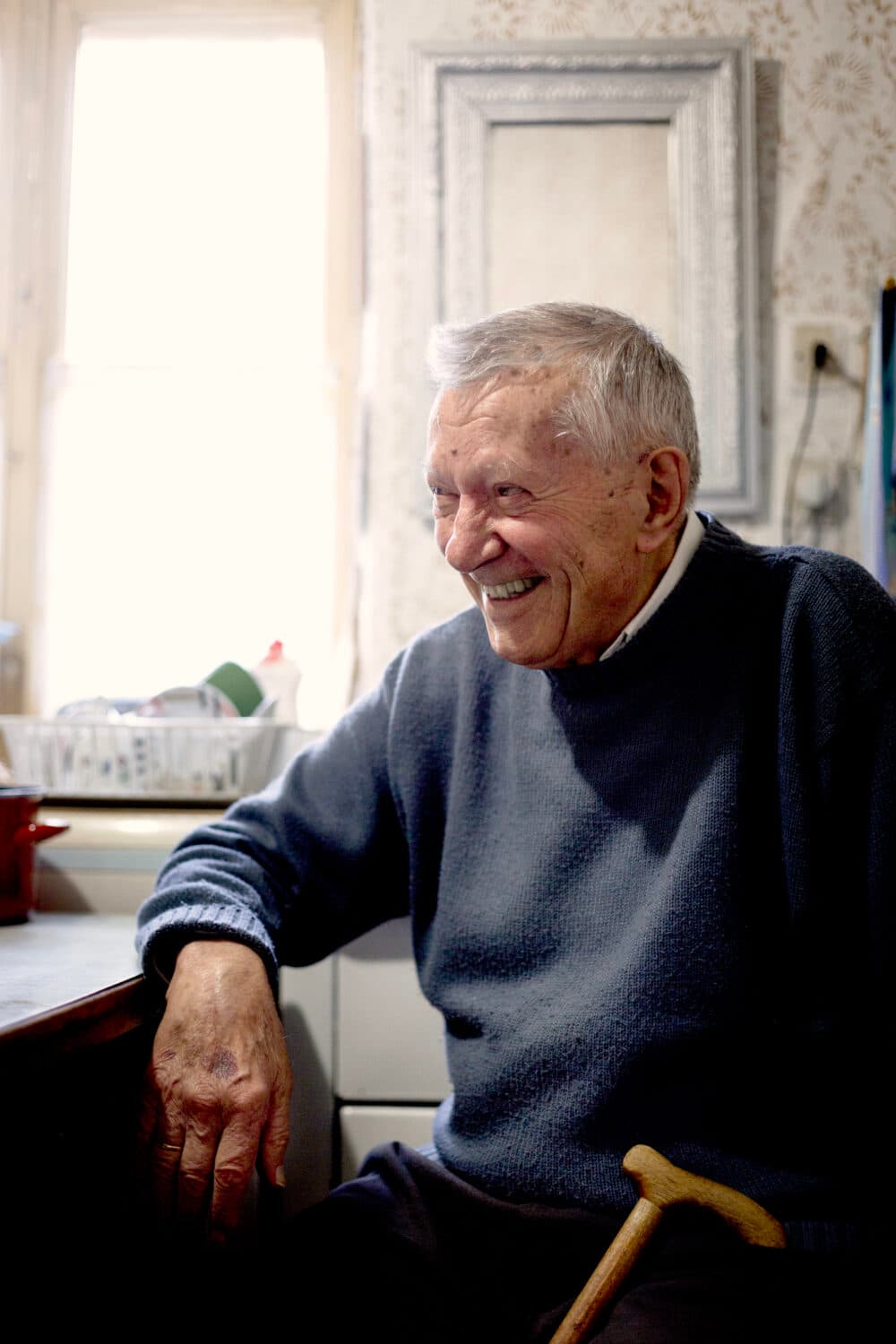
Why Maintaining Social Connections Can Be More Challenging in Later Life?
Many older people in Central Manchester face multiple challenges that make regular social contact more challenging, such as:
- Reduced mobility or chronic illness
- Hearing or vision loss
- Bereavement or loss of friends
- Retirement and a shrinking social circle
- Cultural or language barriers
- Limited access to public transport
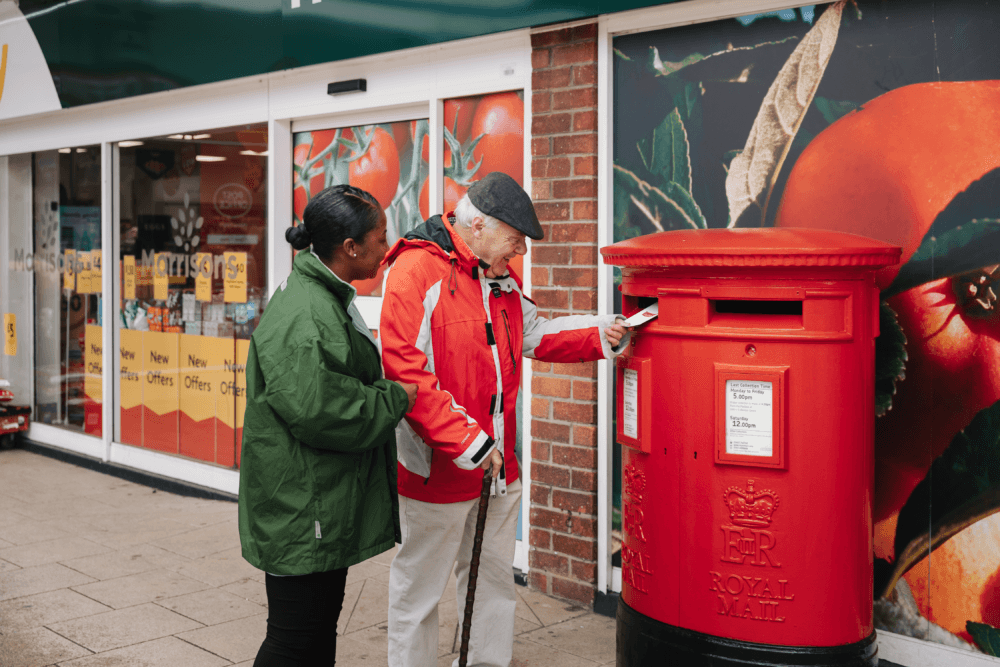
These issues can make it harder to get out, attend events, or maintain long-standing friendships, especially for those living alone or without nearby family.
How Social Contact Supports Health and Wellbeing
The benefits of staying socially active go far beyond enjoyment. Human connection contributes directly to physical, emotional, and cognitive wellbeing.
Emotional Resilience and Mood
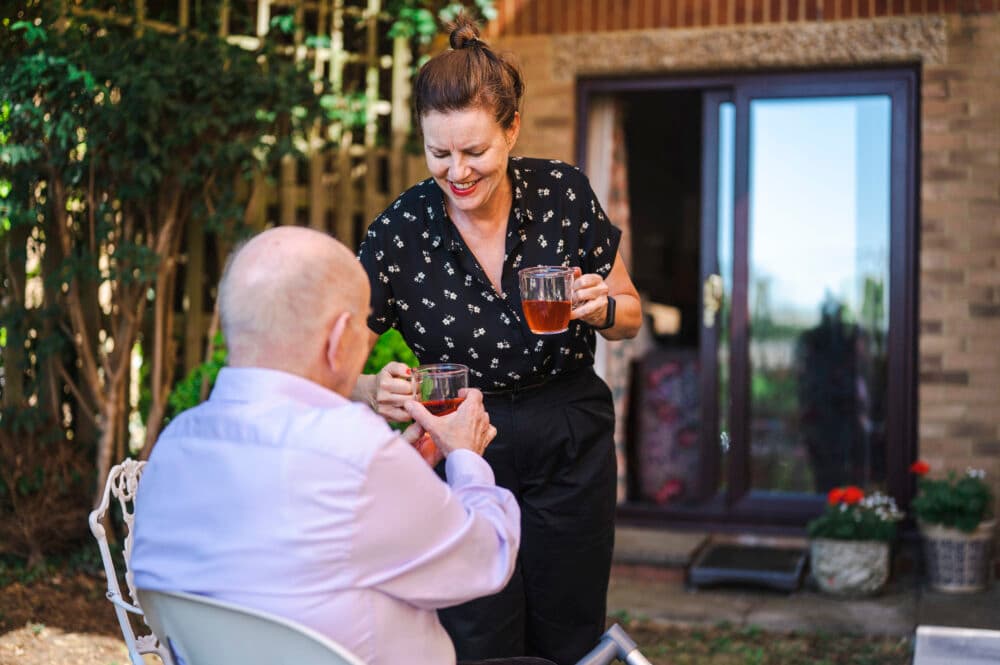
Regular contact with others, whether through conversation, shared meals, or simply being in good company, can reduce feelings of sadness, anxiety, or low mood. Knowing someone cares can be enough to lift spirits and bring comfort.
Cognitive Engagement
Talking, laughing, and solving problems together can keep the brain active. Socially engaged people tend to experience slower rates of memory decline and may reduce their risk of dementia.
Physical Activity and Motivation
People are more likely to stay active when they have a reason to get out or someone to meet. Group walks, gardening, or dance sessions often become habits because they’re enjoyable, shared experiences.
Safety and Support
Being part of a network means that help is never far away. Whether that’s a neighbour checking in, a care professional visiting regularly, or a friend offering a lift, it all builds peace of mind and practical safety.

Social Opportunities in Central Manchester
Fortunately, Central Manchester has a rich mix of opportunities for older people to stay engaged. Even small actions can go a long way. Here are a few of the options we know make a meaningful difference:
Local Book Clubs and Libraries
Reading groups offer more than discussion, they create space for reflection, friendship, and intellectual engagement. Central Library and community groups regularly host sessions where older adults can meet, chat, and connect over a shared love of books.
Indoor Gardening
Whether it’s growing herbs on a windowsill or helping at a local planting group, gardening provides satisfaction and structure. Indoor gardening also helps those with mobility issues to stay engaged from the comfort of home.
Local Theatre and Performance
Theatre is more than entertainment, it’s connection, culture, and conversation. The Royal Exchange Theatre and local community venues often host daytime shows and group outings, creating opportunities for shared experiences and social contact.
Coffee Mornings and Memory Cafés
Organised coffee mornings and memory cafés are welcoming, low-pressure settings to meet others, often run by churches or local charities. They’re especially helpful for those living with memory loss or adjusting to life changes such as bereavement or retirement.
How Home Instead Central Manchester Supports Social Connection
Not every older adult can attend community events or travel easily. That’s why our home care services are designed with companionship at their heart.
Companionship as Standard
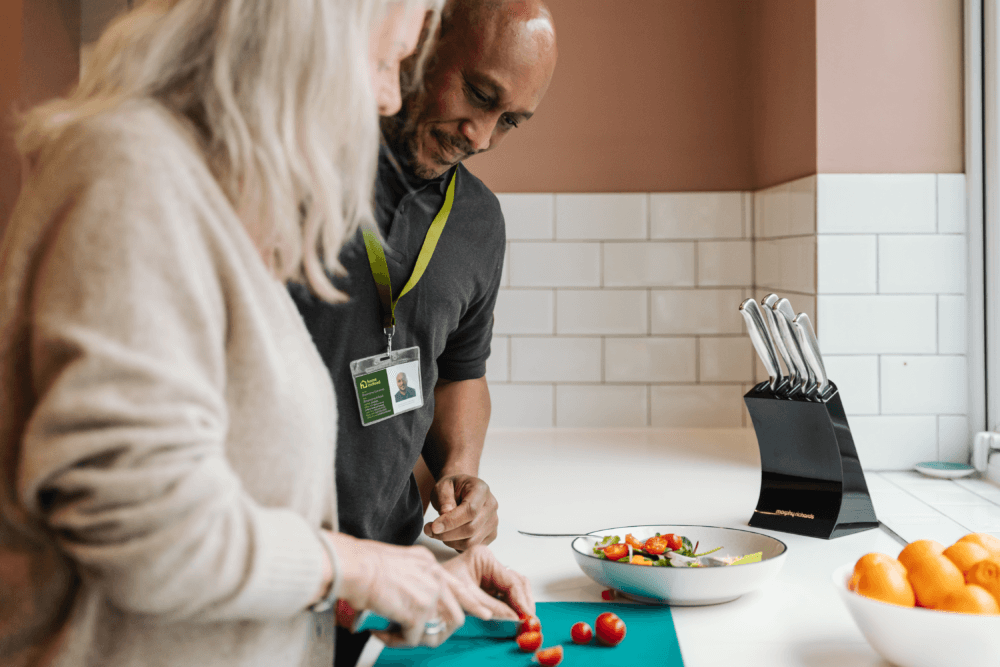
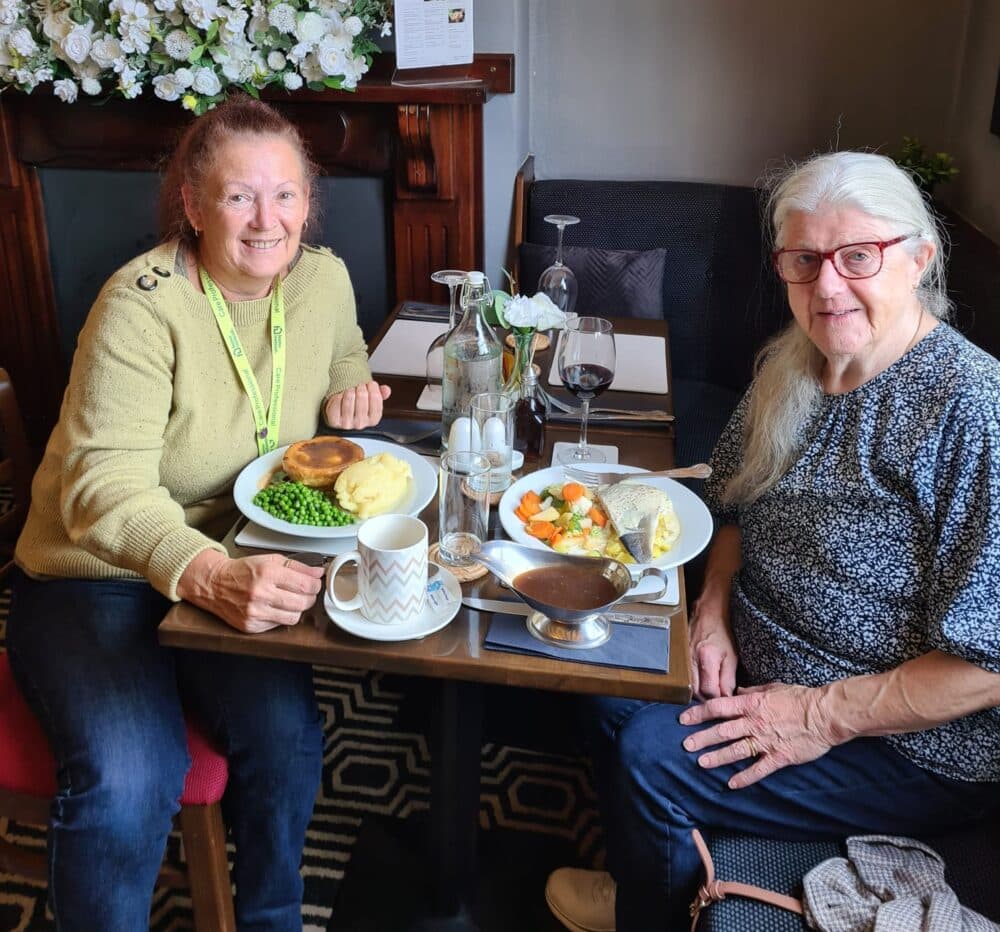
Every care visit includes time for connection, whether that’s a friendly chat, a shared walk to the park, or help with a hobby. Our carers are matched to clients based on personality, interests, and preferences, so there’s always a genuine rapport.
We don’t just support daily living, we support living well.
Personalised Visiting Care
From a few visits a week to daily support, our visiting care includes social interaction, practical help, and emotional support. It’s ideal for those who need some assistance but want to stay independent at home.
Live-in Care for Full-Time Support
For people who need round-the-clock care, our live-in care service means having a trusted companion and professional on hand 24/7. It provides continuity, familiarity, and peace of mind for the whole family.
All our care is fully regulated by the Care Quality Commission (CQC), meaning families can trust in safe, respectful, and professional service at all times.
Signs Your Loved One Might Be Lonely
Loneliness isn’t always easy to spot, which may suggest someone would benefit from more connection or support:
- Withdrawing from regular activities or social events
- Saying they feel “down” or “invisible”
- Changes in appetite or sleep
- Changes in personal care routines or household upkeep
- Appearing more anxious or quieter than usual
If you notice any of these changes, it may be time to have a conversation, and to explore additional support.
Everyone Has a Part to Play
Tackling loneliness isn’t just the responsibility of care providers. Family, friends, neighbours, faith groups, councils, and charities all play a role in helping older people feel connected.
Simple steps like:
- Making a regular phone call
- Offering a lift to the community centre
- Inviting someone for tea
- Checking in after a loss or hospital stay
…can make a lasting difference.
Age-friendly urban planning and inclusive social spaces also help ensure older people feel welcome and involved across Central Manchester.
Let’s Make Later Life Connected and Meaningful
Later life can still be filled with meaningful connections and joyful companionship. With the right support, older adults in Central Manchester can enjoy rich social lives, stay mentally sharp, and enjoy a sense of assurance and fulfilment each day.
At Home Instead Central Manchester, we’re here to help, whether that’s through visiting companionship, live-in care, or simply starting a conversation about what’s needed.
Because care should never be just about ticking boxes, it should be about connection, purpose, and genuine support.
Call Us on 0161 480 0646, and we will listen, advise and arrange a free, no-obligation home visit. Or fill out the form below to contact, and a member of the team will get back to you