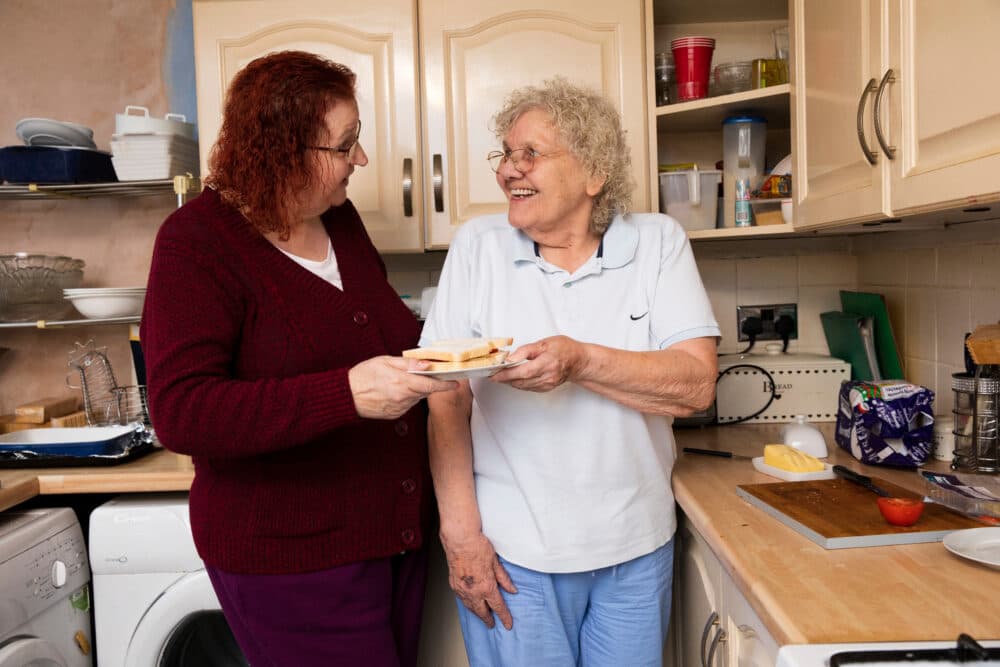
A Typical Day With Private Care at Home For Families
Choosing private care at home is often about keeping life running smoothly and comfortably, just with an extra pair of hands when it suits. For many families, it is simply a practical way to make day-to-day routines easier, while everything that feels familiar stays exactly where it should be.
Rather than focusing on tasks or timetables, it can help to picture how support fits naturally into an ordinary day. This article explores what private care at home can look like in real life, showing how gentle, flexible support can blend into everyday routines while your loved one continues to make their own choices and live life on their terms.

What Private Care at Home Can Feel Like Day to Day
Private care at home is not about “taking over”. It is about adding a calm, reliable presence to your loved one’s day so they can stay where they feel most comfortable, while you have more breathing space.
Support is usually planned around existing routines. Visits might be once or twice a week, or several times a day, depending on what is needed. Over time, things can be adjusted if health or circumstances change.
A Care Professional does much more than complete a checklist. They take time to get to know the person: how they like their tea, which chair they sit in, which programmes they prefer on television, and what helps them feel settled if they are having a worrying day.
Morning Routines With Support at Home
For many older adults, mornings set the tone for the whole day. A Care Professional can make this part of the day safer, less rushed and more comfortable.
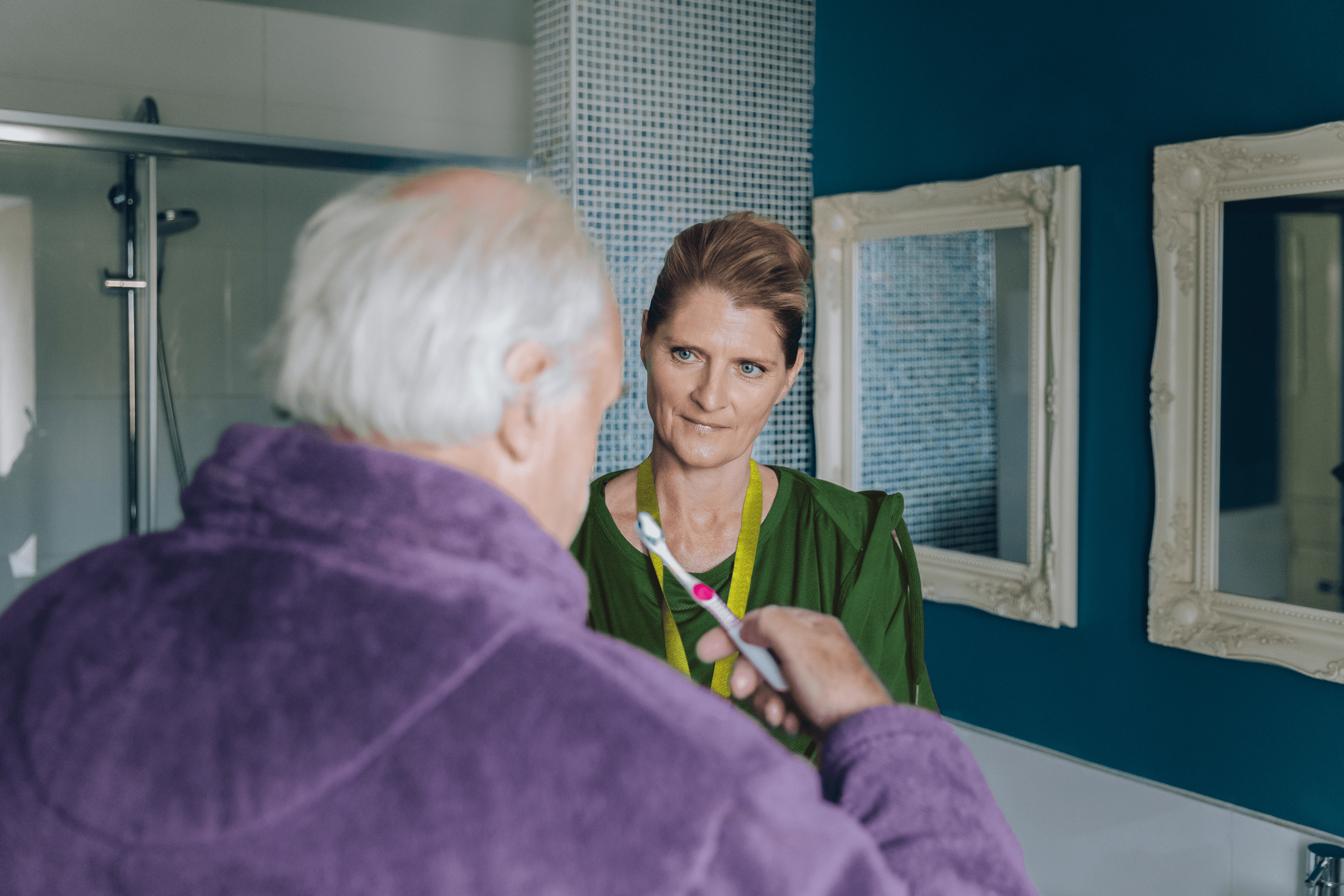
A typical morning visit might include unhurried help with getting up, washing, dressing and feeling ready for the day. This could be simple reassurance while your loved one washes at the sink, or more hands-on Personal Care and support with bathing if needed, always with dignity and clear explanations.
Breakfast can be prepared and served, with a gentle prompt to eat and drink enough. Medication prompts, in line with the agreed care plan, may form part of this visit too, so you know important tablets are not forgotten.
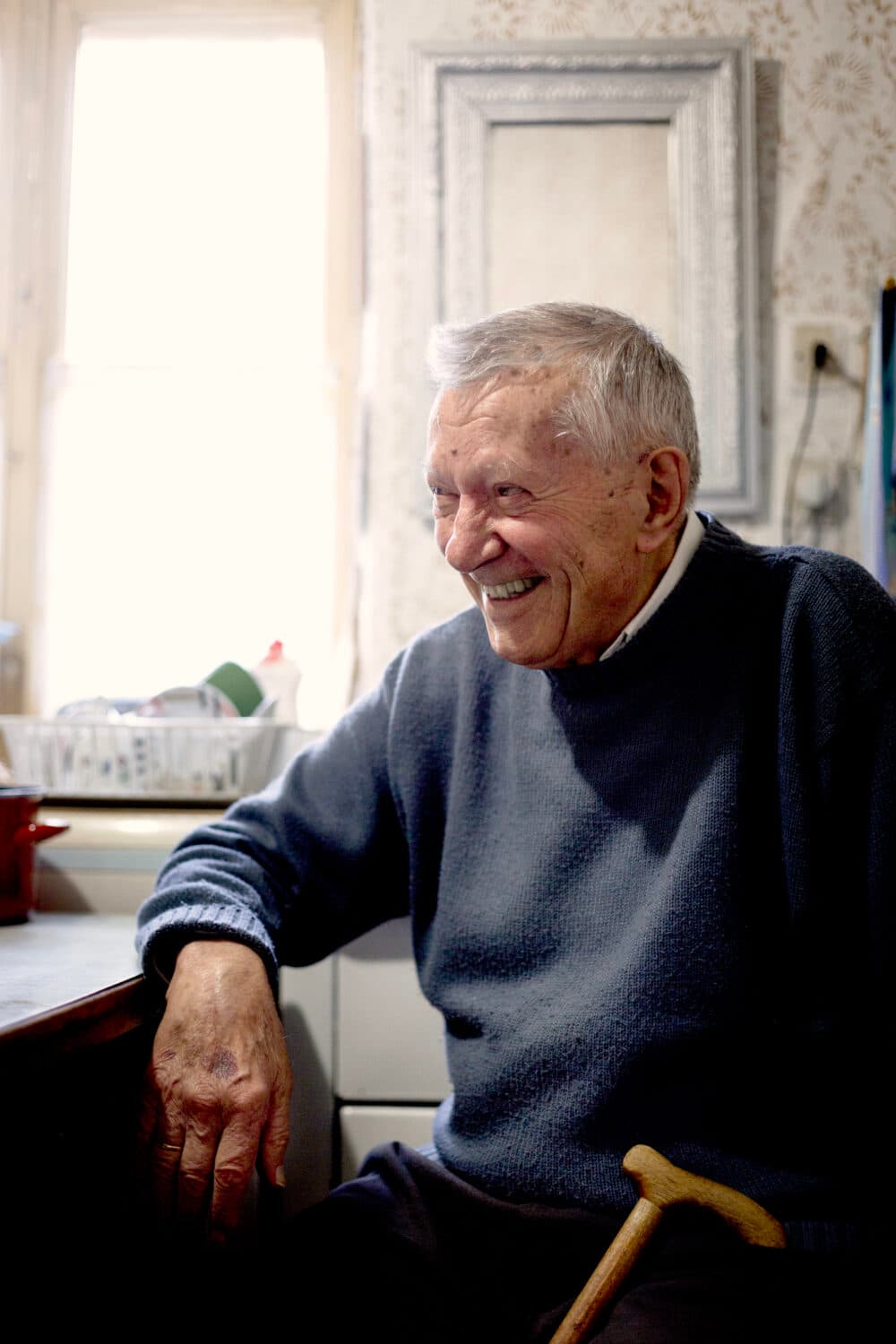
Just as important is the conversation that happens alongside these tasks. Many people appreciate a chat over breakfast, a look at the morning paper, or a chance to talk through how they are feeling before the day gets going.
Quiet Moments, Errands And Staying Connected
Once the morning jobs are done, there is often time for ordinary, enjoyable things that might have become harder to manage alone.
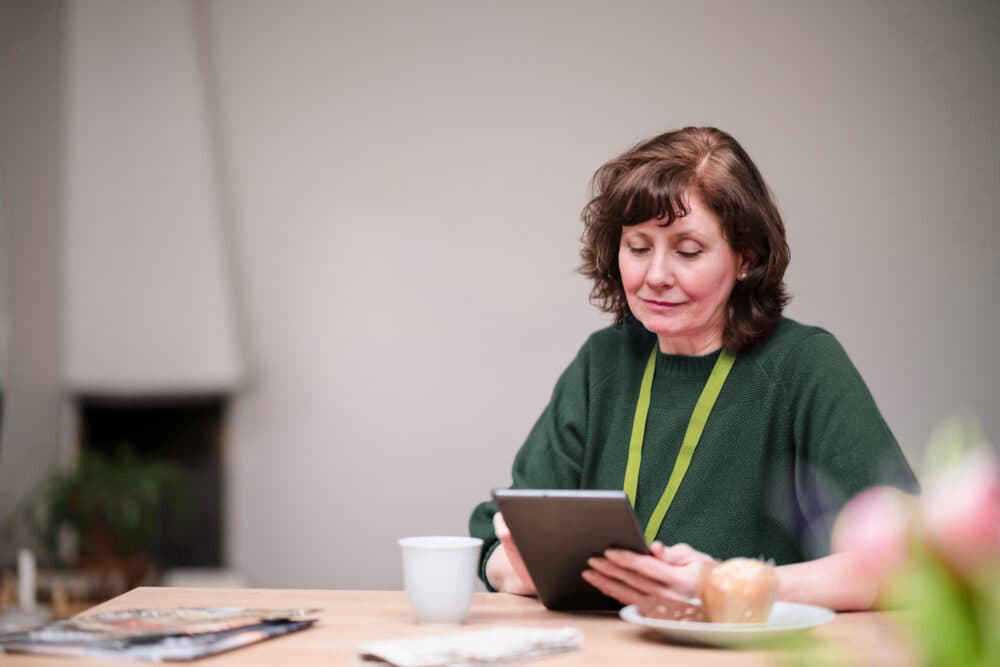
Some people choose Companionship Care. This can mean a Care Professional visiting for company, conversation and shared interests: doing a crossword together, watching a favourite programme, looking through photo albums or going for a short walk if this is safe and suitable. The aim is to keep daily life feeling connected, not just “looked after”.
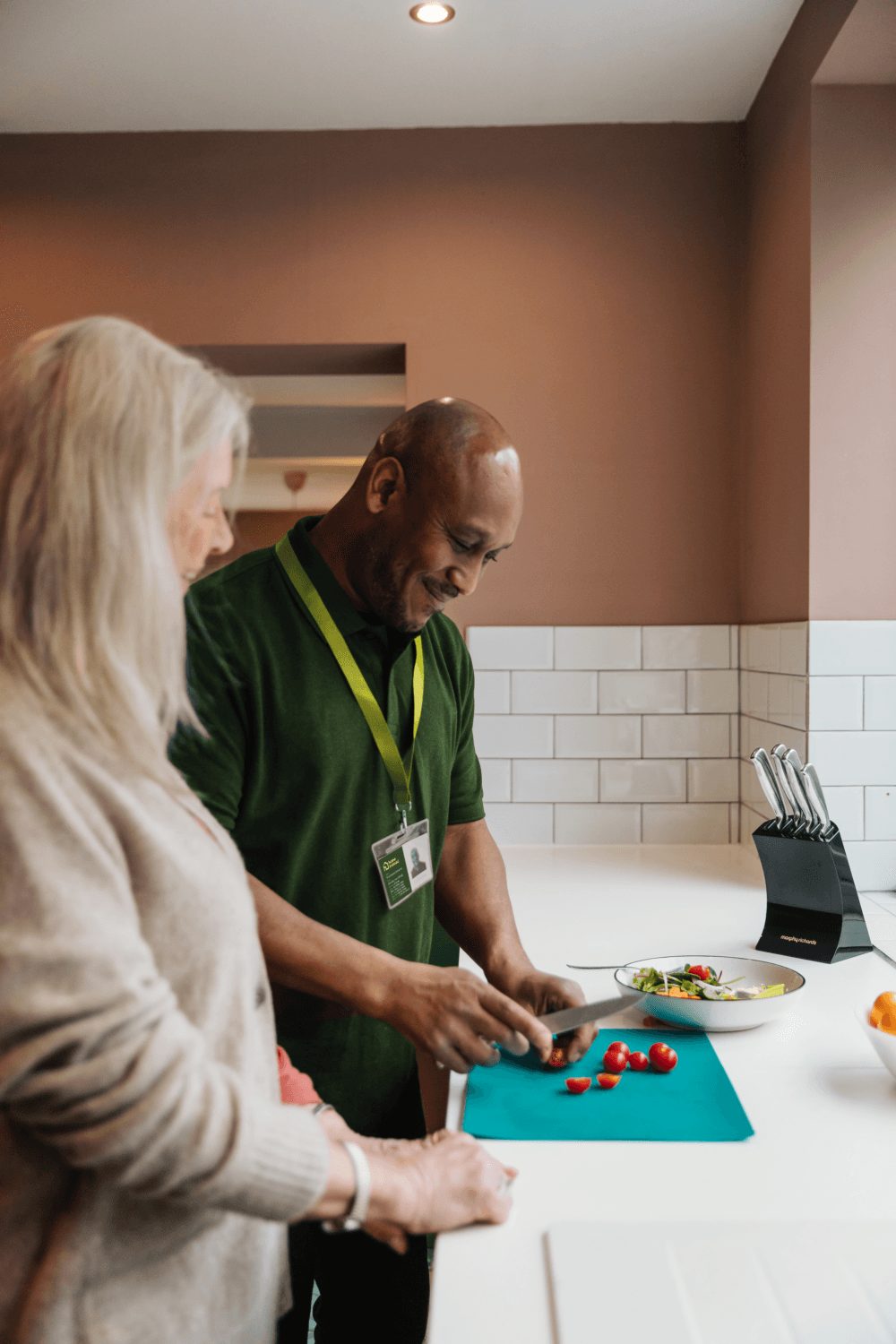
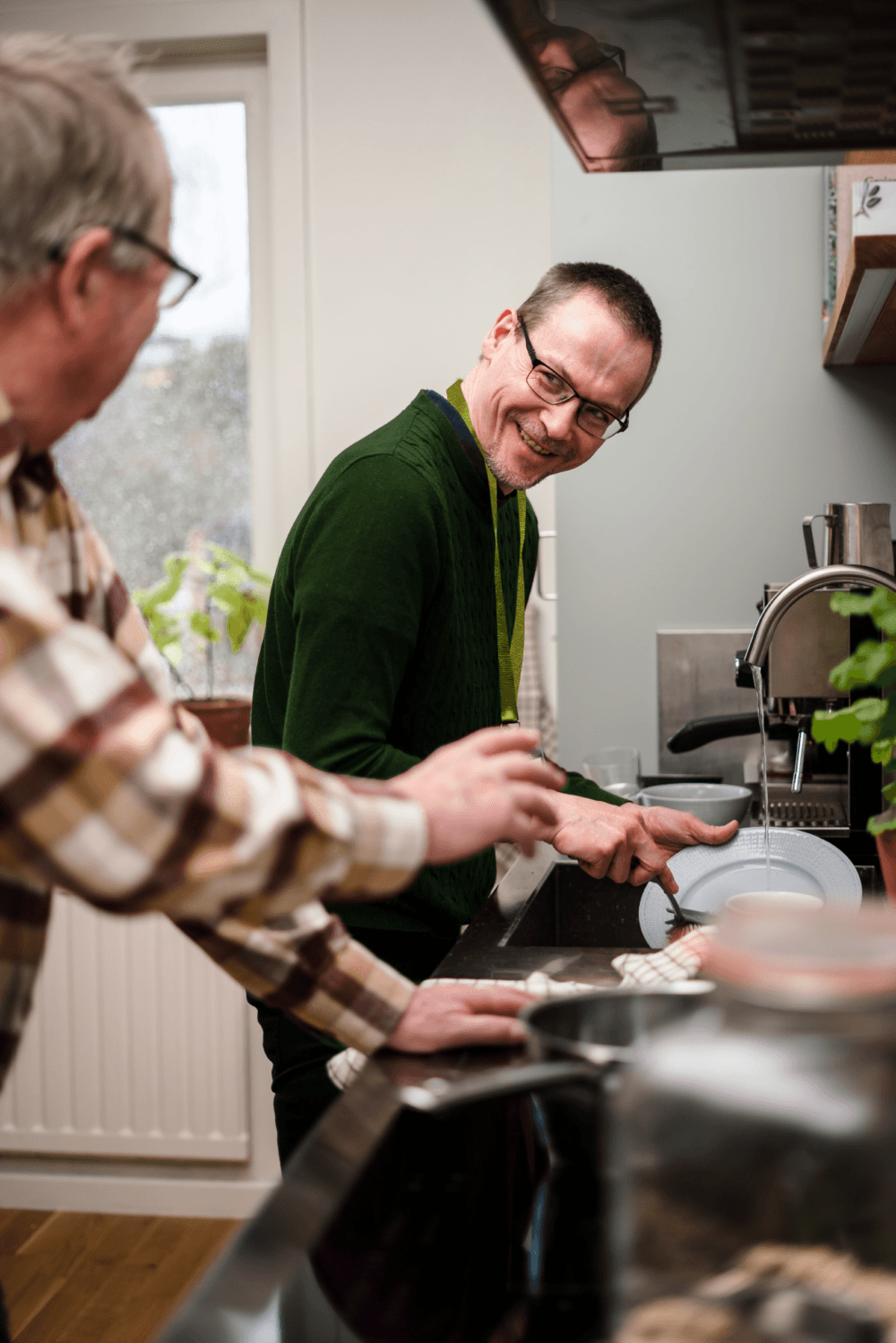
Others find that Home Help makes a big difference. Light housework, laundry, shopping or collecting prescriptions can all be included, so that the home stays comfortable without putting pressure on you or your loved one’s energy.
If they feel up to it, your loved one might like to go out locally, perhaps for a coffee or to pick up a few bits from the shops. Support can also include help with simple technology, such as making a video call to family members who live further away.
Private care at home can be especially valuable if you are balancing work or other commitments. Knowing that someone you trust is calling in during the day means you are not trying to do everything in the evenings or weekends when you are already exhausted.
People in Droylsden may also welcome knowing there is local support available in nearby areas such as Central Manchester, Openshaw and Moston too, especially if relatives live in different parts of the city.
Support in The Afternoon and Evening
Afternoons often have a different rhythm. Your loved one might enjoy a simple lunch prepared at home, followed by time to rest, read or watch television, with a Care Professional nearby to make a drink or help them move safely around the house.
For some, this is when Dementia Care becomes particularly important. Later in the day, memory problems or confusion can sometimes increase. A familiar routine, calm explanations and gentle reminders can help the person feel more secure and less distressed. Activities that draw on long-term memories, such as listening to favourite music or looking at old photographs, can be woven into the visit.
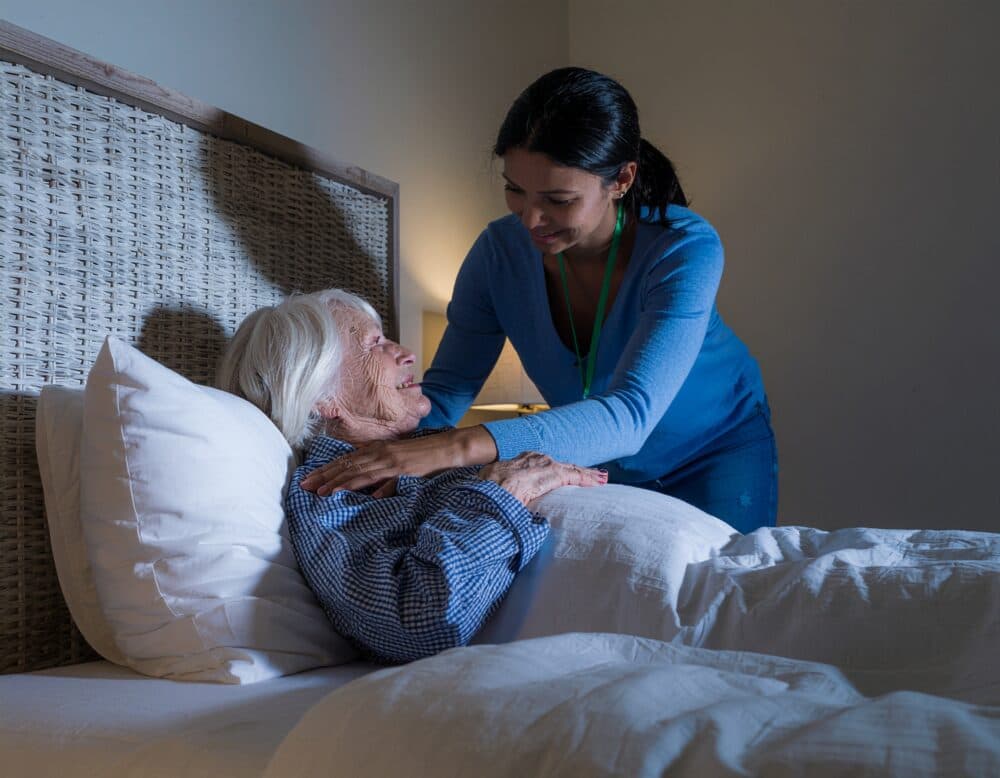
Evening support might involve help with preparing a light meal, making sure medication is taken, and supporting with washing, changing into nightwear and settling down for the night. For someone who is unsteady on their feet, having help at this time can reduce the risk of falls when they are tired.
Again, small details matter. Closing curtains, checking that doors are locked, and leaving a drink within reach can all be part of the Care Professional’s quiet, reassuring routine.
How Private Care Fits Around You and Your Family
One of the strengths of private care at home is flexibility. Support can be arranged around what you already do as a family, rather than replacing it.
For example, you might continue to visit every Sunday for lunch and a catch-up, while a Care Professional calls in on weekdays to help with Personal Care, meals and companionship. Or you might live further away and need regular updates from someone who sees your loved one often and can spot small changes.
Visits can be increased for a while after a hospital stay, or reduced again if your loved one becomes more confident. Some families find that starting with a few visits each week helps everyone get used to having support at home before deciding whether more help would be useful.
It is also perfectly normal to feel a mixture of relief and guilt when care begins. Many family members say that once they see their relative building a relationship with a regular Care Professional, they feel more able to relax and simply enjoy their time together.
Local Support From Your Home Instead Office
Home Instead Central Manchester provides private care at home for people in Droylsden and the surrounding areas. The office is based at Victoria House, 179 Hall Street, Stockport SK1 4JG, and has been supporting local older adults and their families for many years.
The service is rated Good by the Care Quality Commission. You can read the latest report on the Care Quality Commission website. Home Instead Central Manchester is also rated 9.8 out of 10 on its homecare.co.uk profile.
Care Professionals receive training to provide respectful Personal Care, thoughtful Companionship Care, practical Home Help and flexible Care at Home that fits around individual routines. Visits are unhurried, so there is time to listen, to notice how someone is really doing and to adjust the support if needed.
If you would like to talk through what private care at home could look like for your family in Droylsden, or nearby areas such as Central Manchester, Openshaw or Moston, you are very welcome to get in touch with the team at Home Instead Central Manchester. You can call 0161 480 0646 to speak to someone about your situation and the kind of day-to-day support that might help.