Starting the Care Conversation in Maidstone: Practical Advice for Families
A practical guide for families in Maidstone on talking about care, introducing support at home and helping older loved ones feel involved in decisions.
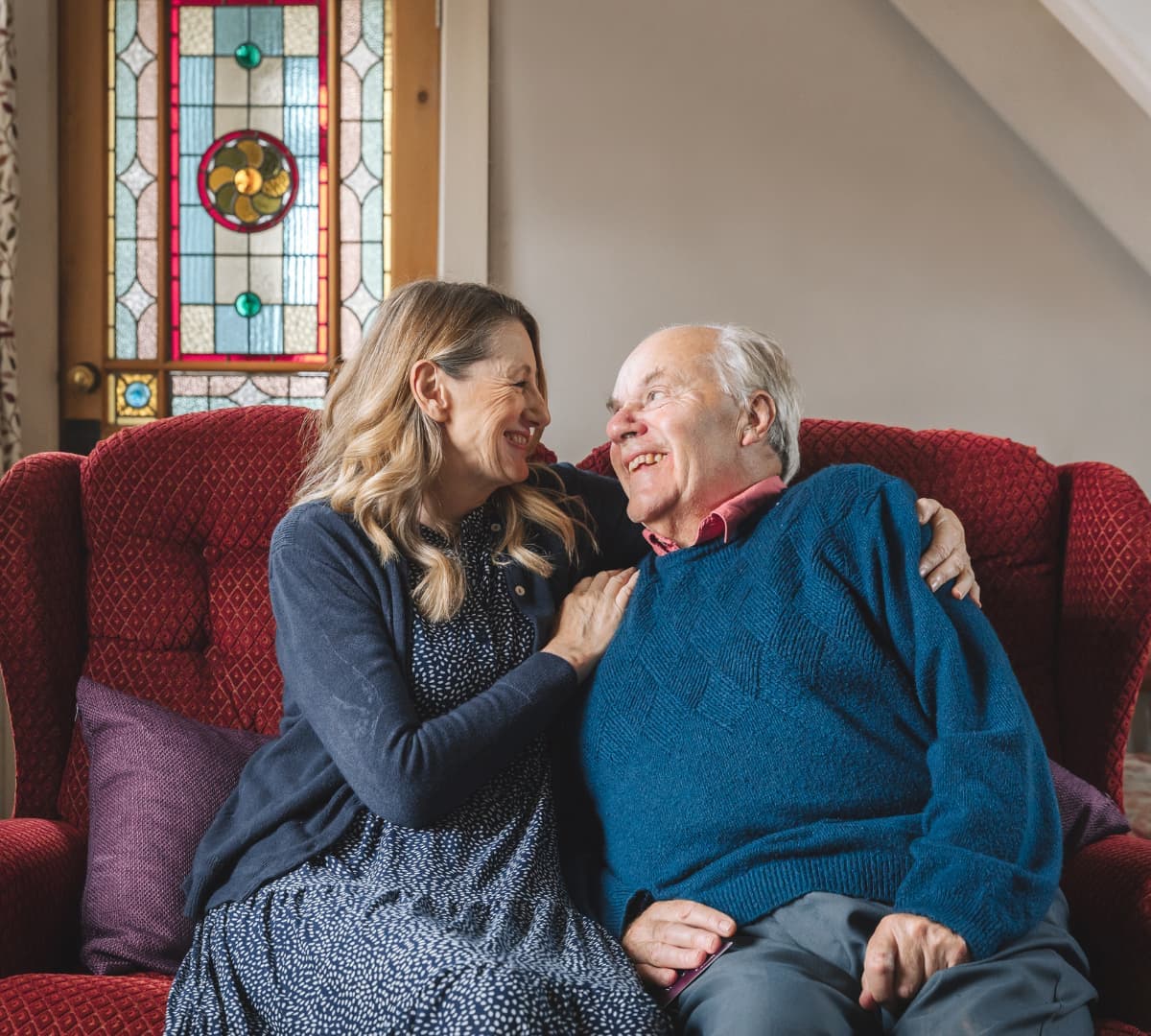
Few families find it easy to bring up care. You might have noticed that an older parent is becoming more tired, less confident on the stairs or less interested in cooking. Perhaps they are still saying everything is fine, while you are quietly checking the fridge, the post, the medication box or the laundry every time you visit.
For families in Maidstone, these worries can build slowly. You may not feel there is an emergency, but you can sense that daily life is becoming harder. Starting the conversation early can help your loved one feel included, rather than feeling that decisions are suddenly being made for them.
Choose a gentle way in
The word “care” can feel heavy. It may suggest loss, illness or a major change, even when the support needed is small. A softer way to begin is by talking about one part of daily life.
You could say:
– “Would it make things easier if someone helped with lunch a couple of times a week?”
– “I know you like staying at home, so shall we think about what would make that easier?”
– “Would you enjoy having someone to go out with now and then?”
– “What part of the day feels most tiring at the moment?”
This approach keeps the focus on comfort and choice. It also makes the conversation feel less like a decision and more like an exploration.
Notice what your loved one may be protecting
When someone resists care, it is not always because they do not need help. They may be protecting their privacy, routines, pride or sense of control. They may worry that once care starts, everything will change.
Families can help by being clear that home care can be flexible. It might begin with companionship, a trip to the shops, help with meals, medication prompts, light household tasks or support getting to appointments. It does not need to mean several visits a day or giving up familiar routines.
For someone living alone in Maidstone, a regular Care Professional can bring conversation, reassurance and practical support, while helping them continue to enjoy home life in the way they prefer.
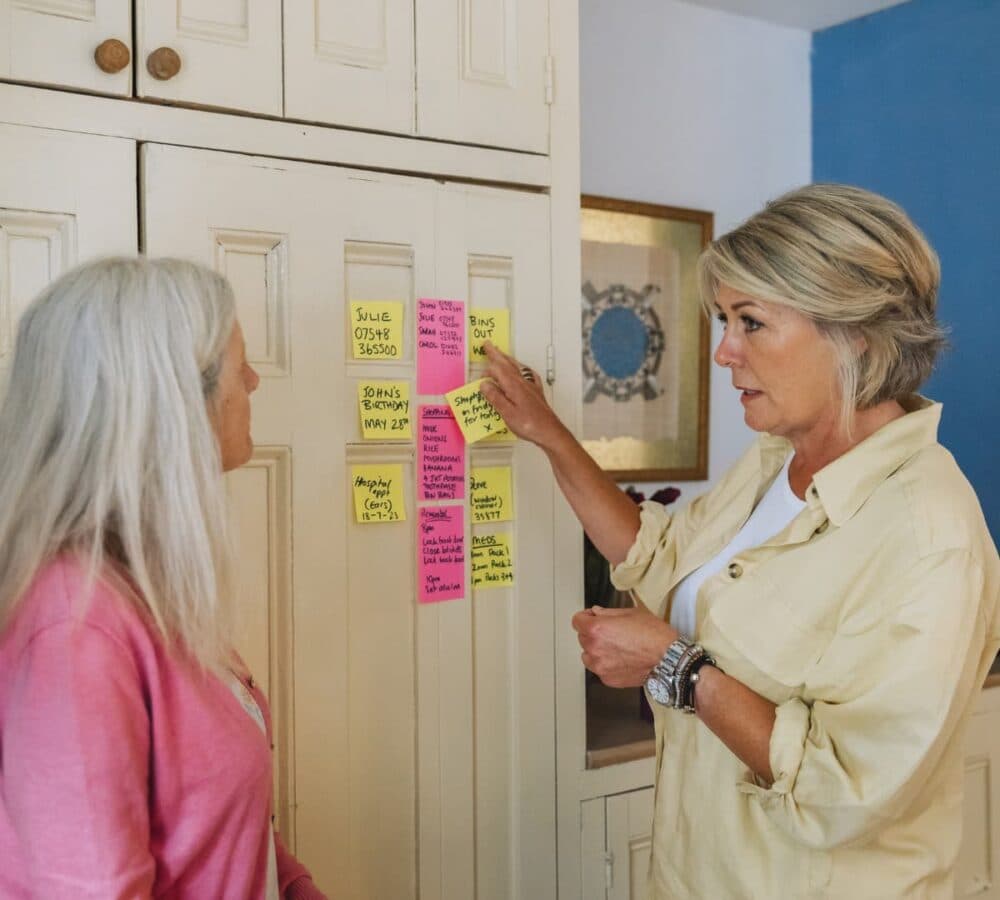
Involve them in the small decisions
Care feels less frightening when the person receiving support has a say in how it works. Even small choices can make a difference.
Ask whether they would prefer support in the morning or afternoon. Ask what they would like help with first. Ask what they want to keep doing themselves. Ask what would make a first visit feel more comfortable.
These details help care feel personal. They also show your loved one that support is being built around their life, not imposed on it.
What happens after the first enquiry?
Families sometimes put off contacting a care provider because they are not sure what to ask for. You do not need to have everything worked out before making an enquiry.
You can simply explain what you have noticed and what you are worried about. The local team can talk through the different types of support available, from companionship care and home help to personal care, dementia care or respite care for family carers.
A care consultation can then look more closely at routines, health needs, preferences, risks and family involvement. The aim is to understand the whole person, not just the tasks they may need help with.
If memory changes are part of the concern
If your loved one is becoming more forgetful, confused or anxious, the conversation may need to be especially calm and simple. Try not to overwhelm them with too many options at once.
Instead of saying, “You need care because you keep forgetting things”, you might say, “It could be helpful to have someone pop in around lunchtime so the day feels easier.”
Specialist dementia care can also help families feel less alone when memory changes begin to affect daily life. The right support can be shaped around familiar routines, favourite meals, music, hobbies, former jobs, family names and comforting habits. This helps the person feel more settled while giving families practical reassurance that care is being delivered with patience, understanding and consistency.
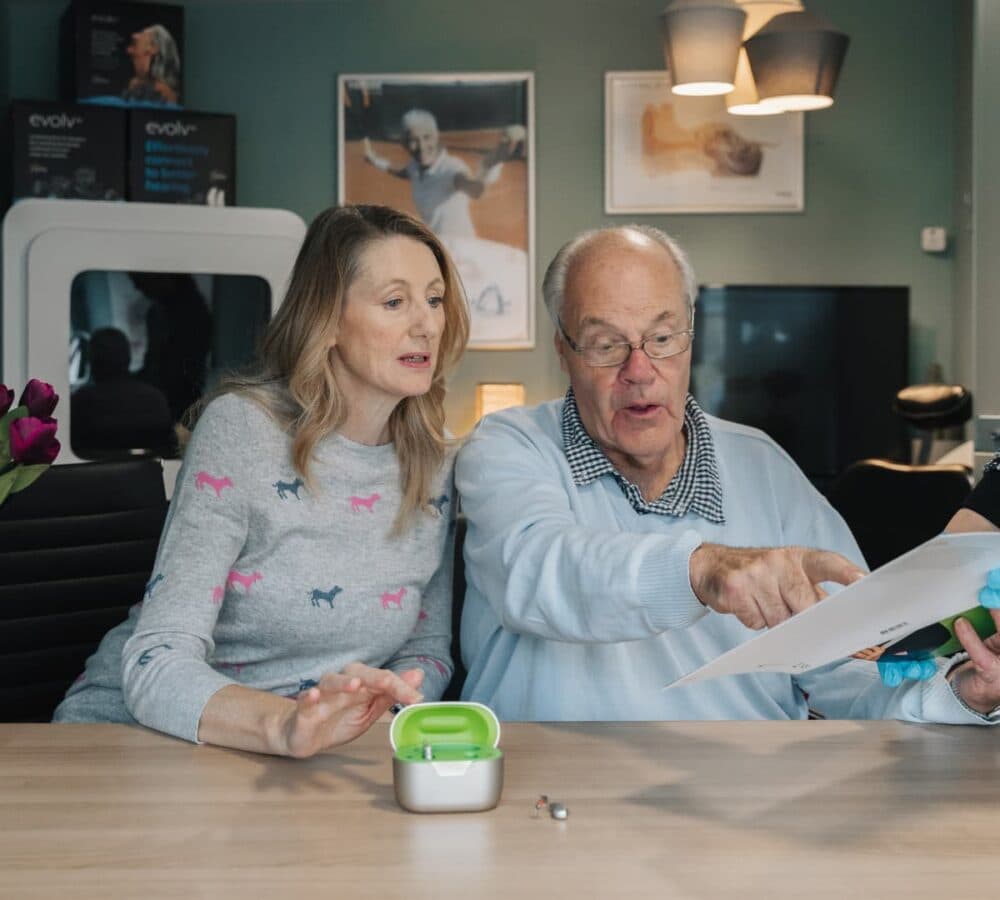
Considering care at home in Maidstone?
Starting the care conversation can feel emotional, but it can also bring relief. The right support can help older loved ones stay safe, comfortable and connected at home, while giving families more confidence about the future.
To find out more about home care in Maidstone, speak to our local team about support at home.
FAQs
How do I talk to an elderly parent about care?
Start with one specific part of daily life, such as meals, shopping, appointments or tiredness. Keep the tone calm and focus on what would make life easier.
What if my parent does not want care?
Listen to what they are worried about. They may fear losing privacy or control, so suggest a small first step rather than a major change.
Can home care help before there is a crisis?
Yes. Home care can start early with companionship, practical help or support with routines, helping families avoid rushed decisions later.