A Gentle, Joyful Christmas: Dementia-Friendly Tips for Families in Maidstone
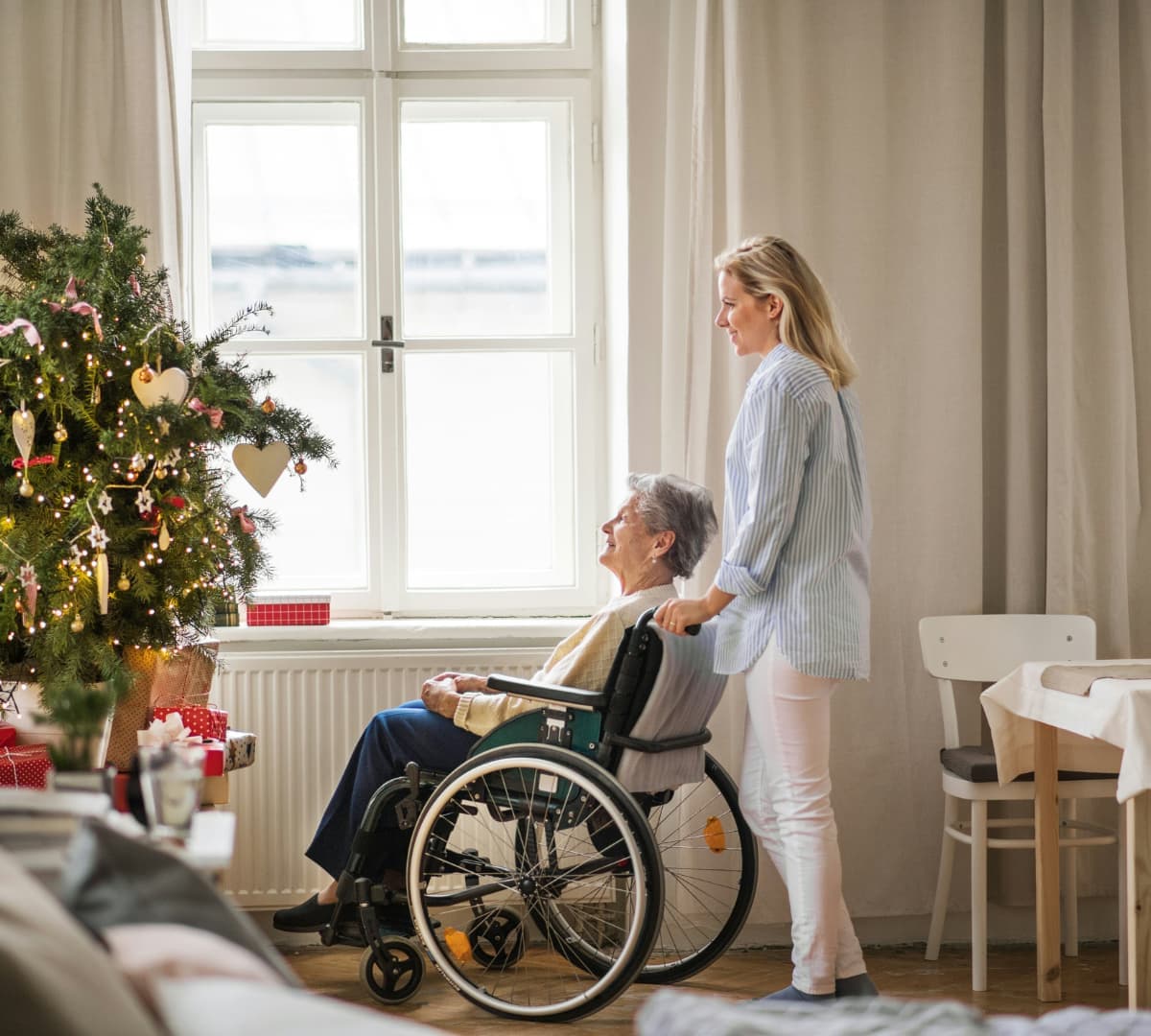
Christmas in Maidstone brings its own cheer with festive lights along Week Street, the bustle of local markets, and time spent with family. But for someone living with dementia, the season can also feel confusing or overwhelming. Extra noise, unfamiliar faces, and changes to the daily routine may increase anxiety.
With a little planning, you can shape a Christmas that feels calm, predictable, and full of meaningful connection.

Below are 7 practical ways to create a dementia-friendly Christmas this year, shared by the caring team at Home Instead Maidstone.
1. Keep the Day Familiar and Steady
Routine plays a huge role in helping someone with dementia feel secure. On Christmas Day, try to keep the usual rhythm where possible – regular wake-up times, mealtimes, and rest periods are all helpful.
Even simple consistencies, like having the same morning cup of tea or listening to familiar music, can reduce disorientation before the day becomes busier.
2. Create a Quiet Retreat
Festive gatherings often come with extra noise: chatting relatives, Christmas films, excited children, and clinking dishes. Designate a peaceful corner where your loved one can take a break if the celebrations feel too much.
Soft lighting, a comfortable chair, and a blanket can help them unwind and return when they feel ready.
3. Choose Activities That Feel Comforting
Low-pressure, nostalgic activities tend to work best. This could be placing a few decorations on the tree, listening to gentle carols, or looking through old family photos.
In Maidstone, families sometimes enjoy a gentle stroll along the river or through Mote Park – short, familiar walks can be grounding and pleasant if weather and mobility allow.
4. Keep Gatherings Small and Supportive
Large groups can be confusing, especially if there are many unfamiliar faces. If possible, stagger visitors throughout the day to keep conversations calm and manageable.
Encourage relatives to introduce themselves clearly: “Hi Mum, it’s Rachel.” Simple, slow communication helps your loved one feel more included and less overwhelmed.
5. Make Mealtimes Comfortable
A full festive spread can be visually overwhelming. The smells, colours, and noise around the table may increase anxiety.
Offer smaller portions, serve familiar foods, and keep the environment as calm as possible. There’s no need to rush – taking your time encourages a more relaxed experience. If finger foods feel easier, that’s perfectly acceptable too.
6. Keep Decorations Safe and Soothing
Decorations are part of the fun, but too many flashing lights or overly busy displays can be disorientating.
Opt for soft, steady lighting, avoid cluttering surfaces, and keep walkways clear. These small adjustments reduce confusion and support safer movement around the home.
7. Notice When Rest Is Needed
Even the gentlest celebration can become tiring for someone with dementia. Keep an eye on signs of fatigue such as withdrawal, irritability, or increased confusion.
A short rest, a quiet chat, or a warm drink may help your loved one feel ready to rejoin festivities without pressure.
Local Dementia Support from Home Instead Maidstone
At Home Instead Maidstone, we understand how important patience, consistency, and personalised care are during the festive season. Our Care Professionals receive specialist dementia training and tailor support to each person’s life story, preferences, and routine. Whether you need ongoing dementia care, respite care over the holidays, or friendly advice, our team is here to help.
Creating a calm, dementia-friendly Christmas doesn’t require dramatic changes, just thoughtful adjustments that protect comfort and connection. With the right support, families across Maidstone can enjoy a festive season that feels warm, manageable, and meaningful for everyone.

FAQs
Q: Why can Christmas be overwhelming for someone with dementia?
Changes to routine, noise, unfamiliar visitors, and bright decorations can increase confusion or anxiety. Keeping things predictable helps your loved one feel more settled.
Q: What are some dementia-friendly Christmas activities?
Listening to carols, looking at photos, simple decorating, familiar films, or a short walk in a quiet local spot can all be enjoyable without causing stress.
Q: Where can I find dementia care in Maidstone?
Home Instead Maidstone provides personalised dementia care from specially trained Care Professionals. Contact the local office for advice or to arrange support.