Talking About Care in Lancaster: Helping Families Take the First Step
A practical guide for families in Lancaster on starting conversations about care, recognising when support may help and introducing home care gently.

The first conversation about care often starts long before anyone says the word aloud. It might begin with a quiet worry after visiting Mum and noticing the washing has piled up, or a phone call from Dad that leaves you wondering whether he is eating properly. Perhaps an older relative in Lancaster is still saying they are “fine”, but you can see that daily life is taking more effort than it used to.
These early signs can be hard to judge. Families may worry about interfering, upsetting someone or suggesting care too soon. But talking early can make the whole process feel calmer. It gives your loved one time to share their views, ask questions and stay involved in decisions about their own support.
Look for the point where coping becomes tiring
Many older people continue managing at home, but the effort behind that independence can become exhausting. A tidy house may hide the fact that meals are being skipped. A cheerful phone call may not show how lonely the week feels. A missed appointment may be brushed off as nothing, even when it is becoming a pattern.
Rather than waiting for a crisis, families can use these small changes as a gentle opening. You might say:
– “I know you’re managing, but is it taking more out of you lately?”
– “Would it help if someone came in on the days I can’t?”
– “What part of the week feels hardest at the moment?”
– “Is there anything you’d like to be easier at home?”
This keeps the conversation human and practical, instead of making it feel like a judgment.
Talk about help as something ordinary
Home care can sound like a big step, especially to someone who has always been independent. It may help to talk about support in everyday terms first.
That could mean help with lunch, a lift to an appointment, someone to walk with, a regular visit for company or support with household routines. For some people, personal care may be needed. For others, the first step may simply be companionship and reassurance.
The message is important: care at home is not about taking over. It is about making daily life feel steadier, safer and less tiring.
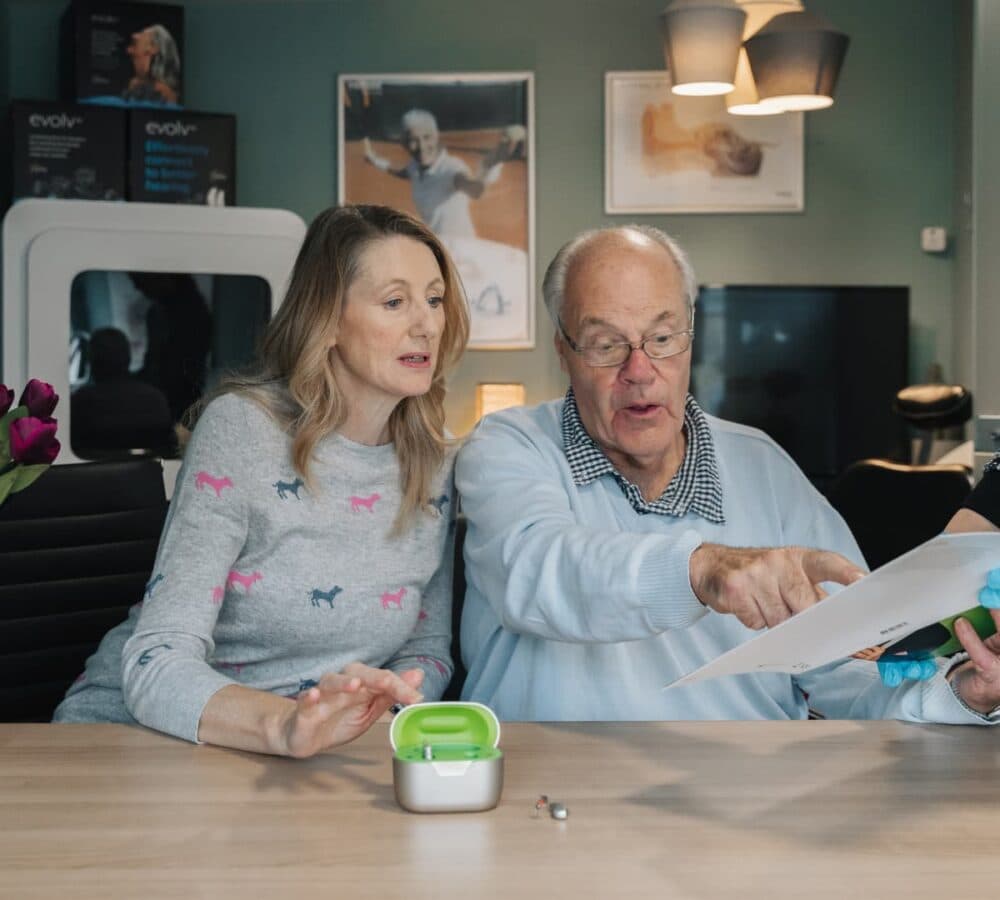
Keep choice in the conversation
Families sometimes arrive at the care conversation with a solution already in mind. That is understandable, especially when worry has been building. But your loved one is more likely to feel comfortable if they still have choices.
Ask what they would prefer support with first. Would they rather have help in the morning or later in the day? Would they feel more comfortable starting with one visit a week? Are there routines they want to keep exactly as they are?
These details help care feel personal. They also show your loved one that support will be shaped around them, not imposed on them.
Make the first enquiry less intimidating
Contacting a care provider does not mean everything has been decided. It is often just a chance to talk through what has changed and find out what options are available.
For families in Lancaster and the surrounding area, an enquiry might begin with a simple explanation: “We’re not sure what we need yet, but we’re starting to worry.” That is enough. A care team can ask questions, listen to what is happening and help you understand whether companionship care, home help, personal care, dementia care or respite support may be appropriate.
A care consultation can then look more closely at daily routines, preferences, family involvement and any risks or worries. This helps create a plan that reflects real life, not a generic checklist.
When memory or confusion is part of the worry
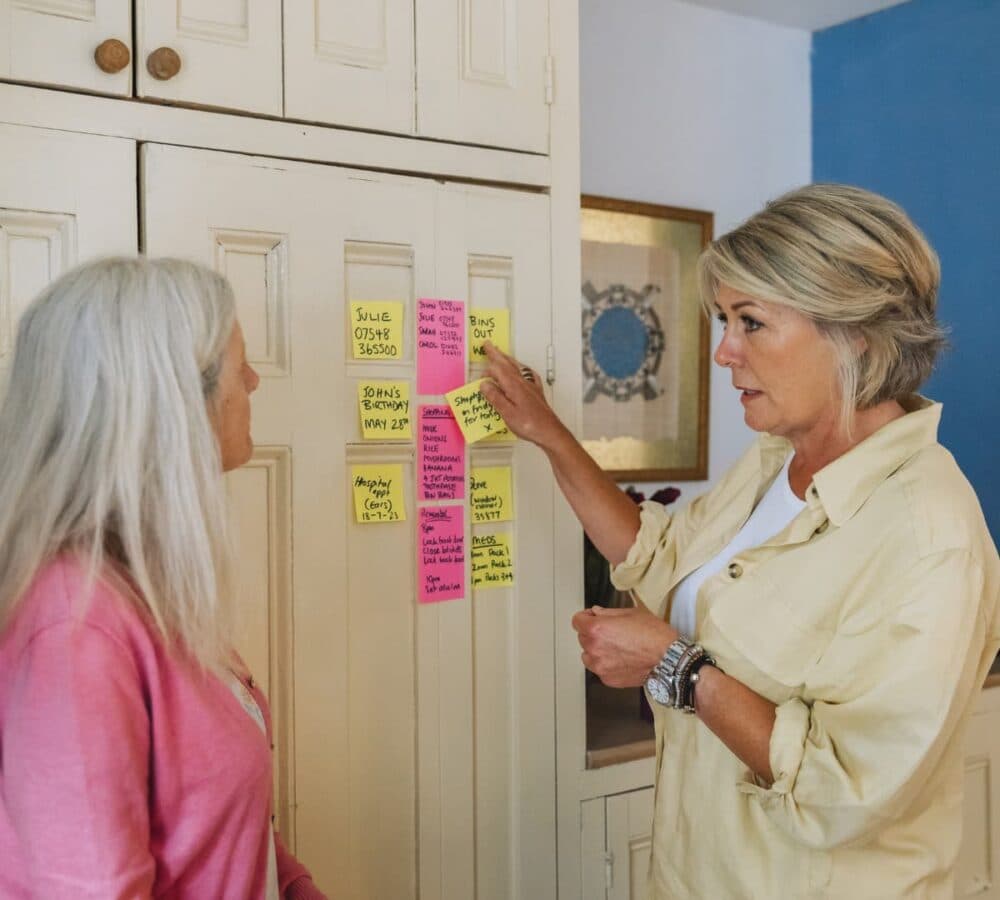
If your loved one is becoming more forgetful, repeating questions, missing appointments or seeming unsettled, it can make the care conversation more sensitive. Try to avoid overwhelming them with too much information at once.
A calm, practical approach may work better. Instead of saying, “You need help because you’re forgetting things”, you could say, “It might be useful to have someone pop in around lunchtime, just to make the day feel easier.”
Familiar routines, patient communication and consistent support can help someone feel more secure, especially if they are anxious about change. If care is required for someone living with dementia, we have specialist Care Professionals to assist.
Considering care at home in Lancaster?
Starting a conversation about care can feel daunting, but it can also bring relief. The right support can help older loved ones stay comfortable at home while giving families more confidence that someone is checking in, helping with routines and noticing when needs change.
To find out more about home care in Lancaster, enquire today and someone from our friendly, local team will be in touch.
FAQs
When should we start talking about care?
It is worth talking early if daily routines are becoming harder, your loved one seems more isolated or you are increasingly worried about safety, meals, medication or confidence at home.
How can I stop the conversation feeling confrontational?
Start with one observation and ask a question. Focus on what would make life easier, rather than listing everything that feels wrong.
Can home care start with small amounts of support?
Yes. Many families begin with companionship, help with meals, shopping or appointments, then adjust the care plan if needs change.