Stay Tip Top: Winter Health and Wellbeing in Lancaster
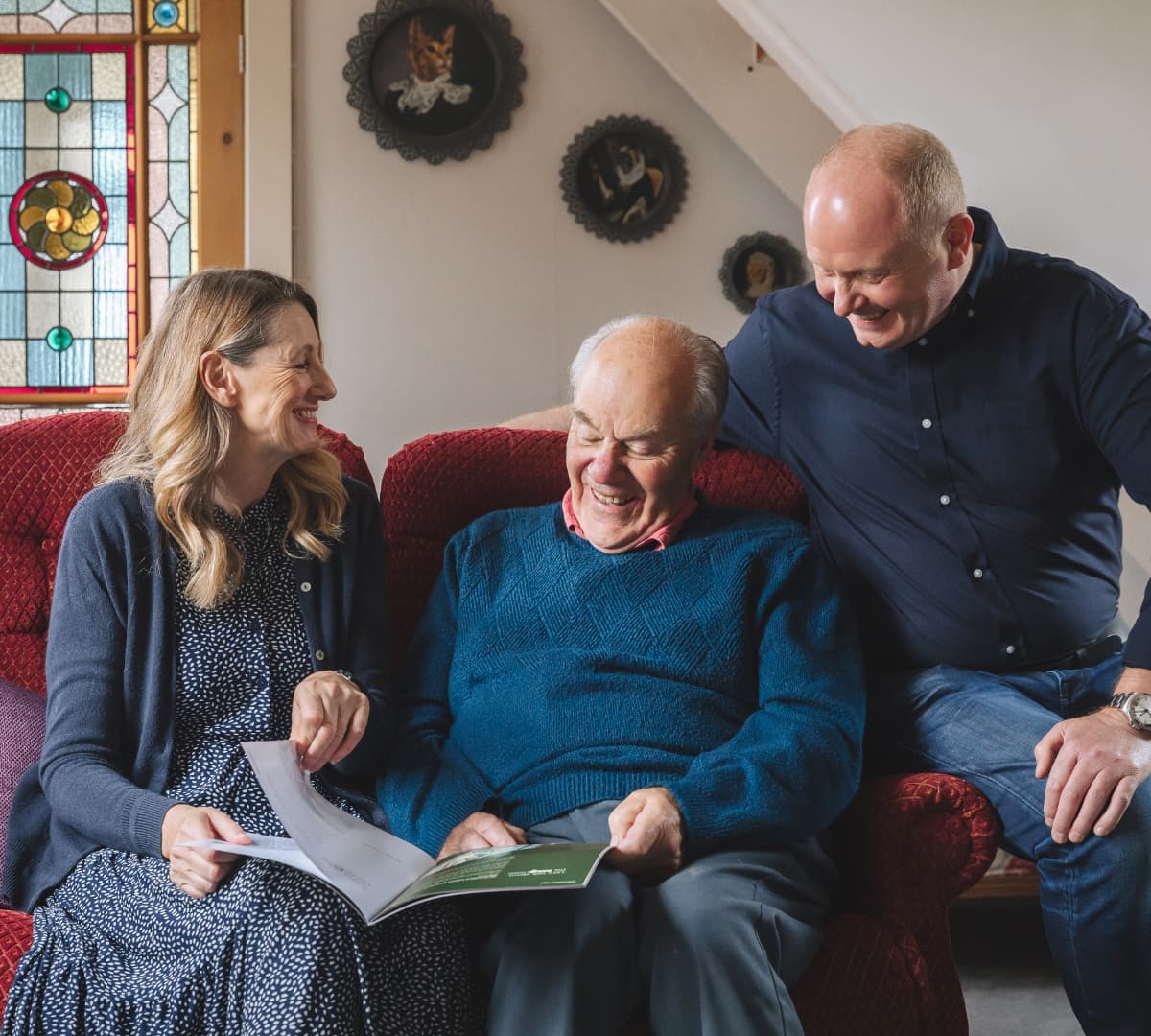
Winter can place extra demands on both physical health and day-to-day energy. Minor illnesses may linger, existing health conditions can feel harder to manage, and everyday tasks sometimes take more effort than usual. For many older adults in Lancaster, winter wellbeing is about staying alert to changes, keeping routines steady and knowing where to turn for advice when needed.
Staying well through winter does not require major changes. Small, practical steps and timely support often make the biggest difference.
Getting advice when something doesn’t feel right
If you begin to feel unwell during winter, getting advice early can help prevent symptoms from worsening. Acting sooner often supports quicker recovery and avoids unnecessary worry.
For many common illnesses, a local pharmacist can offer advice and suggest treatments without the need to see a doctor. If further support is required, GP practices may offer appointments in person, by phone or online.
If you are unsure what to do about an urgent medical concern, you can call NHS 111 or visit 111.nhs.uk for guidance at any time.
This information is intended as general guidance only and should not replace advice from a medical professional. Always seek advice from your GP, pharmacist or another qualified healthcare provider if you have concerns about your health.
Vaccines and winter protection
Vaccinations remain an important part of protecting health during winter. The flu vaccine helps reduce the risk of severe flu symptoms and is recommended each year, particularly for older adults and those with certain health conditions.
Appointments can be booked through your GP surgery or a local pharmacy, either online or via the NHS App. While flu vaccinations are available until 31 March 2026, having the vaccine earlier offers protection throughout the winter months.
You may also be eligible for a COVID-19 vaccine if you will be 75 or over by 31 January 2026, if you have a weakened immune system due to a health condition or treatment, or if you live in a care home for older adults.
Keeping warm and looking after your home
Staying warm supports overall health and helps reduce the risk of colds, flu and more serious conditions. Rooms used most often, such as living rooms and bedrooms, should be heated to at least 18°C where possible.
Wearing warm layers indoors, reducing draughts and keeping doors closed between rooms can help maintain a comfortable temperature. Heating and cooking appliances should be checked by a Gas Safe registered engineer to ensure they are safe.
Advice on managing energy use and costs is available on gov.uk or via the government helpline on 0800 444 202.

Everyday habits that support wellbeing
Alongside medical care, everyday habits play an important role in winter wellbeing. Eating regular meals, staying hydrated, keeping gently active and maintaining social contact all support physical and emotional health.
Some people also find reassurance in having extra support during winter, particularly if daily tasks feel more tiring or confidence begins to dip.
How Home Instead supports people in Lancaster
Home Instead Lancaster provides personalised home care that supports health, independence and everyday wellbeing throughout winter.
Care Professionals offer practical help, companionship and reassurance, adapting support as needs change. This helps people manage daily life while staying attentive to health and well-being.
A healthier winter, one step at a time
Winter can place added pressure on health, but with clear information, sensible preparation and the right support, many people continue to live well throughout the season.
If you are considering home care in Lancaster for yourself or a loved one, the local team is available to talk through options that fit naturally around everyday life. Enquire here.

From all of us at Home Instead to all our clients and their families, wishing you a happy and healthy new year.
FAQs
Where should I go if I feel unwell during winter?
You can speak to a pharmacist for minor illnesses, contact your GP for advice or appointments, or call NHS 111 if you are unsure what to do.
Who should have the flu or COVID-19 vaccine?
The flu vaccine is recommended annually, particularly for older adults. COVID-19 vaccine eligibility depends on age, health conditions or living arrangements.
How can home care support winter wellbeing?
Home care can support daily routines, help with appointments, provide companionship and offer reassurance, helping people manage winter with confidence.