What It’s Really Like to Be a Live-In Carer with Home Instead Farnborough - Les’s Story
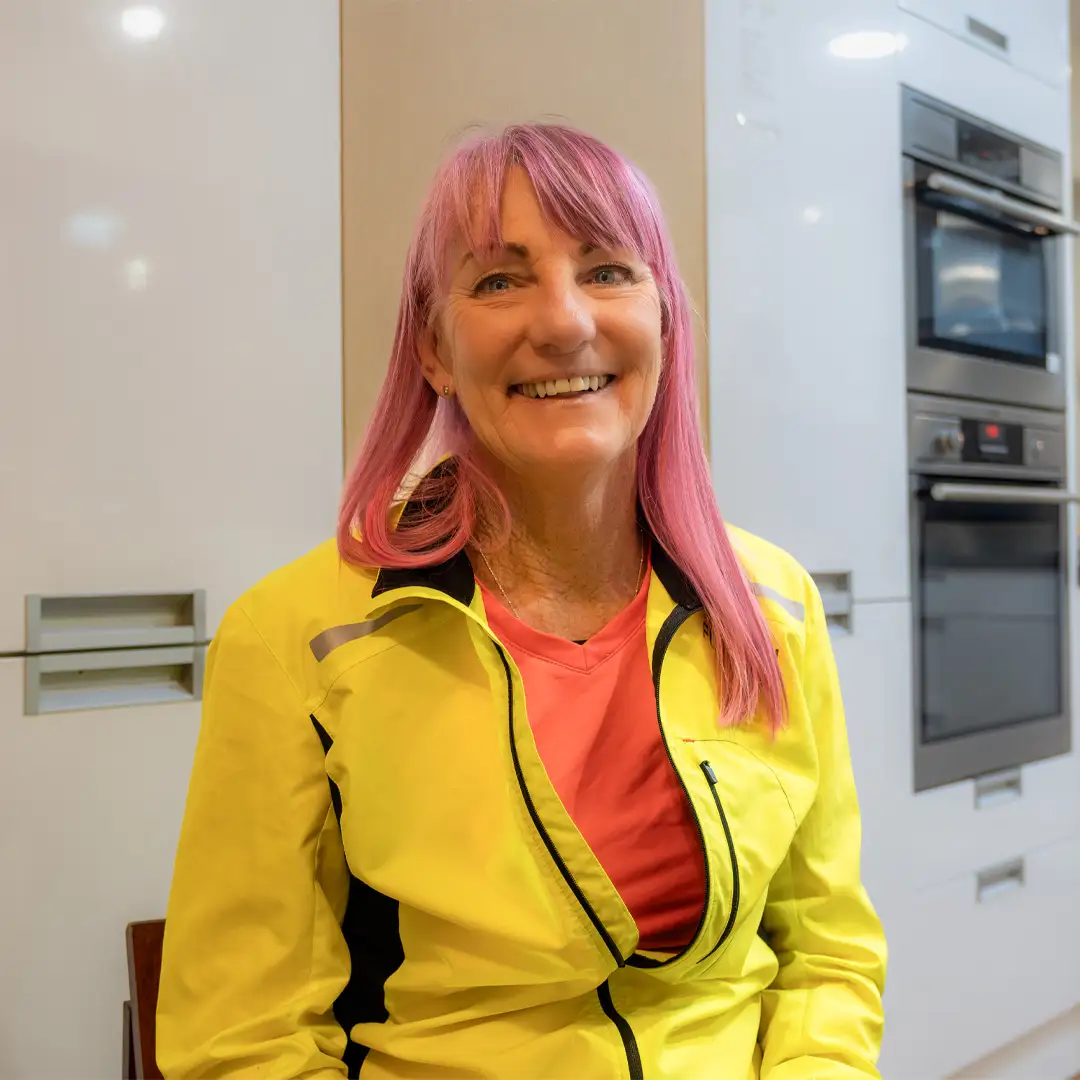
Les didn’t start out as a carer. Back in Zimbabwe, she managed a crocodile farm. Yes, you read that right. Later, in South Africa, she crafted jewellery from spoons and forks for tourists at weekend markets, turning everyday objects into something beautiful.
But when COVID-19 shut down tourism in 2021, Les found herself at a crossroads.
“I started looking after my neighbour’s husband who had COVID and cancer,” Les explained. “His wife couldn’t turn him or bathe him on her own, so she asked if I could help in the evenings. That’s when I realised I could do this.”
That moment changed everything. Within months, Les moved to the UK, completed her quarantine, trained as a live-in carer, and began a career she never expected, but one that’s become her calling.
Two years later, in 2023, she joined the Live-in care team at Home Instead Farnborough, Farnham & Fleet supporting older adults across the local area. And she hasn’t looked back since.
Why Les Made the Move to Home Instead Farnborough
Les had been working for another care company, but something wasn’t quite right.
“The pay wasn’t as good, and they couldn’t give me work all the time,” she said. “A friend who’d moved to Home Instead told me it was so much better. I joined in 2023 and I’ve been happy ever since.”
What made the difference? It wasn’t just the pay or the consistency of work (though both matter). It was the way Home Instead looked after her.
“I just feel like Home Instead is more caring,” Les said. “They look after us better. The managers are always there. If you’ve got a problem, they’ll come and sort it out.”
Care Training That Gives You Confidence
If you’re thinking about live-in care but worrying whether you’ll actually know what to do, Les has reassuring news.
“Home Instead gives you training for everything, absolutely everything,” she said. “Dementia care, nail care, skin care, how to prepare food, safety, moving people. They cover it all. They won’t send you to a client’s home unless you’ve done the training, so you feel confident.”
For Les, the dementia training stood out most.
“Dementia training is probably my favourite,” she said. “I’ve also done a couple of Open University courses through the Alzheimer’s Society, including Traumatic Brain Injury. But Home Instead’s training is brilliant. If you’re not sure about something, you can ask for more training and they’ll give it to you.”
And the training doesn’t stop after your first few weeks. Home Instead provides ongoing development throughout your career, much of it online, and you get paid for it if you complete it during your break.
“Once a year you do quite a few refresher courses,” Les explained. “Safety, security, data protection, medication, everything is covered. They’re strict about medication because you mustn’t make mistakes.”
Every couple of months, the Care Managers visit to carry out a review and check in on how you’re doing and provide feedback, not to catch you out, but to make sure you’re comfortable and capable.
“You get a report afterwards,” Les said. “You read it, and if you agree, you sign it off. If there’s an issue, you get constructive feedback and more training. When I started looking after a client with a catheter, they came on the first day and trained me right there. You’ve got to be confident, and they make sure you are.”
You’re Never on Your Own
One of the biggest concerns for anyone considering live-in care is whether you’ll feel isolated. After all, you’re living in someone else’s home, responsible for their wellbeing, often without another team member down the corridor.
Les is adamant: with Home Instead, you’re never truly on your own.
“The managers are brilliant,” she said. “They visit you once a week, and if you’ve got any worries or concerns, you can tell them anything. They’re like friends. Almost like counsellors. They take all the worries away and just fix things.”
“Even over the weekend when the office is closed, you’ve got your managers on call. There’s always somebody there, always. Even if it’s in the middle of the night.”
A couple of weeks before we spoke, Les had reached out to her manager during a particularly challenging moment.
“A manager came to visit and I burst into tears,” she admitted. “You’re on your own, and you’re responsible for that person, often their life. It’s quite a responsibility, and it weighs on you. But having someone to talk to makes all the difference.”
Home Instead also provides access to mental health counselling and other wellbeing resources.
“We’ve got access to mental counselling and all sorts of support if you’re not feeling happy,” Les said. “I’ve never had to use them because the managers are so supportive, but it’s good to know it’s there.”
What Kind of Person Makes a Good Live-In Carer?
Not everyone is suited to live-in care. So what does it really take?
You Need Patience
“Patience is an important skill to have,” Les said. “Generally it’s elderly people. They’re a lot slower, and they often can’t tell you what they want or what they’re trying to express.”
But it’s not just about guessing, Les explains. Home Instead provides training on understanding unmet needs and communication techniques that help you work out what someone’s really trying to say.
“The training teaches you how to read the signs and understand what might be causing frustration or discomfort. It’s not always obvious, but when you learn how to communicate better, you can help them feel heard and understood.”
You Need Empathy
“You’ve got to care about other people and have empathy,” she continued. “Some of the things they’re going through are really challenging and it’s so important that you’re a ‘people person’. If you’re not, this job isn’t for you.”
You Need to Be Practical and Resilient
Les’s background, from managing a crocodile farm in Zimbabwe to crafting jewellery in South Africa, has given her a hands-on, practical approach.
“I’m pretty hands-on. I’ll do anything,” she laughed. “You’ve got to be prepared to deal with different situations and find solutions to problems, as every day is different. It really helps to be confident and outgoing.”
A Day in the Life: What Does a Live-In Carer Actually Do?
As a live-in carer, you’re responsible for all aspects of your client’s care during your time with them. That includes:
- Personal care – Helping with bathing, dressing, toileting, and continence care
- Supporting with medication – Making sure the important things like medicine are taken safely and on time
- Cooking meals – Preparing food tailored to their dietary needs and preferences (and maybe even their favourite Sunday roast)
- Keeping the home tidy – Cleaning, laundry, and general housekeeping
- Companionship – Spending quality time, having conversations, and providing emotional support
- Activities – Going for walks, doing puzzles, reading, or whatever brings them joy
- Keeping them safe – Especially at night, when you’re there if they need anything

Life with Tony
“I go down to the shops with him every day and he loves it, just being out,” she said. “Whether it’s raining or not, he still wants to go. He gets very upset if we can’t go.”
At home, Tony enjoys cutting out pictures from newspapers, attempting to read, and spending time in his own company.
“He’s such a happy, lovely person,” Les said.
It’s these small moments – the daily stroll to the shops, the quiet companionship at home, that make all the difference to someone’s life.
The Challenges (Because It's Not Always Easy)
Les is honest about the hard parts. This isn’t a job where you clock off at 5pm and forget about it until morning.
It’s Emotionally Demanding
“It’s mentally challenging,” Les admitted. “You’re responsible for that person’s life. It weighs on you. And when you leave a home or when a client passes away, it’s very sad. You bond with them.”
The emotional connection you build with clients is real, which can make endings difficult.
“When you’ve lived with someone, you bond with them,” Les reflected. “It’s hard to just walk away. You care about what happens to them.”
Dementia Care Can Be Particularly Hard
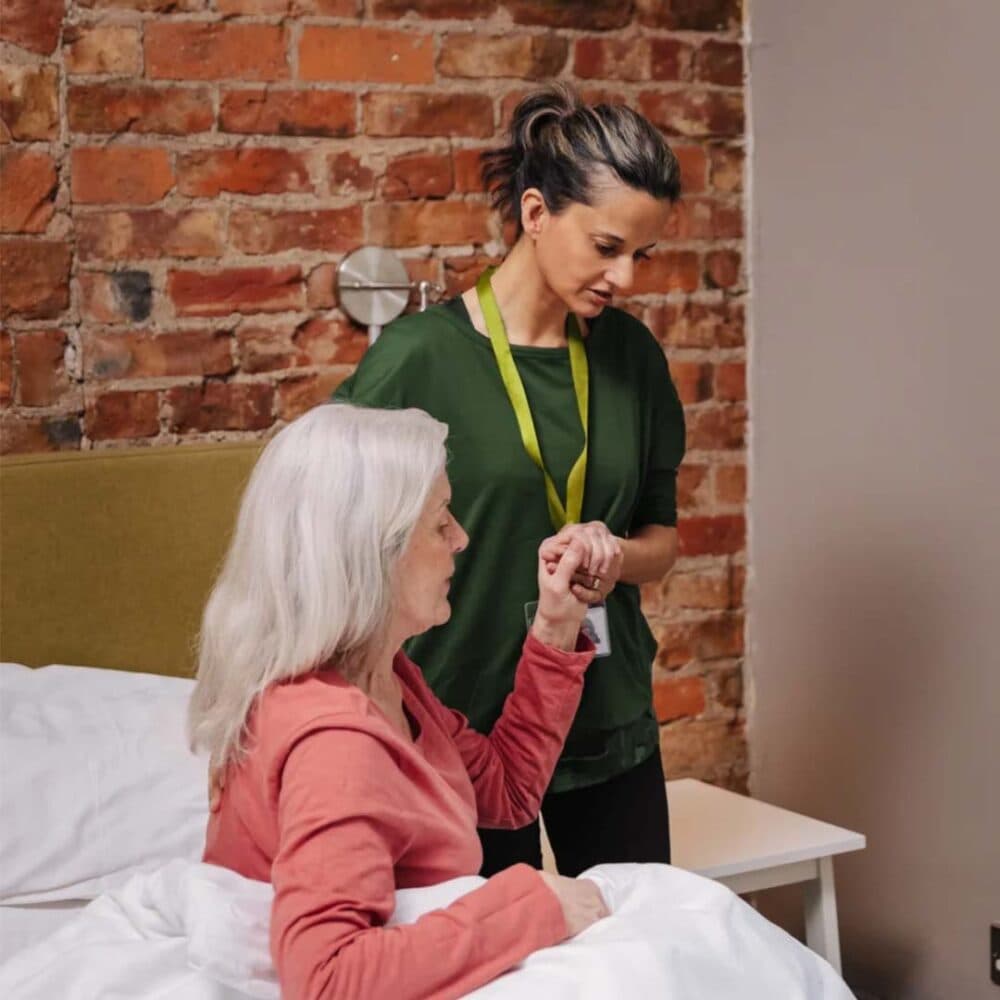
“Dementia care can be particularly challenging,” Les pointed out. “You’re supporting someone through confusion and fear, they don’t understand why things feel different or unfamiliar. Your role is to provide reassurance, consistency, and a calming presence.”
Les recalled caring for a client who found her symptoms especially distressing.
“She needed constant reassurance because she felt frightened and uncertain,” Les explained. “Being there for her, helping her feel safe and less alone, that’s what mattered most.”
But even in the most difficult situations, Les finds purpose.
“If you know you’ve helped that person feel less scared or less alone, it’s worthwhile.”
The Moments That Make It All Worthwhile
Despite the challenges, Les genuinely loves what she does.
Making a Real Difference
“Just seeing the difference you make to their lives, making them happy, helping them feel appreciated, and knowing they can count on you,” she said. “When they realise you’re there for them, they’re very grateful. Even if they can’t show it, you know they are.”
The Success Stories
Les’s biggest success story is a former client who went from being bed-bound for three months due to pancreatitis to flying to both the US and Singapore the following year.
“When I first got to her, she couldn’t walk by herself,” Les recalled. “I was nervous at the beginning. I thought, ‘What have I done?’ But now she’s flying to Singapore! That doesn’t happen often, but when it does, it’s amazing.”

The Small Wins
“Sometimes it’s the little things that make your day,” Les said. “If someone’s been struggling to sleep and you finally help them settle comfortably, or if you’ve gently encouraged them to take their medication when they were anxious about it, those moments feel really good.”
“Or when you’ve helped someone establish a routine that makes them feel more comfortable, like a regular wash each morning that leaves them feeling fresh. When you see them responding well to that care, you feel great.”
Seeing Them Smile
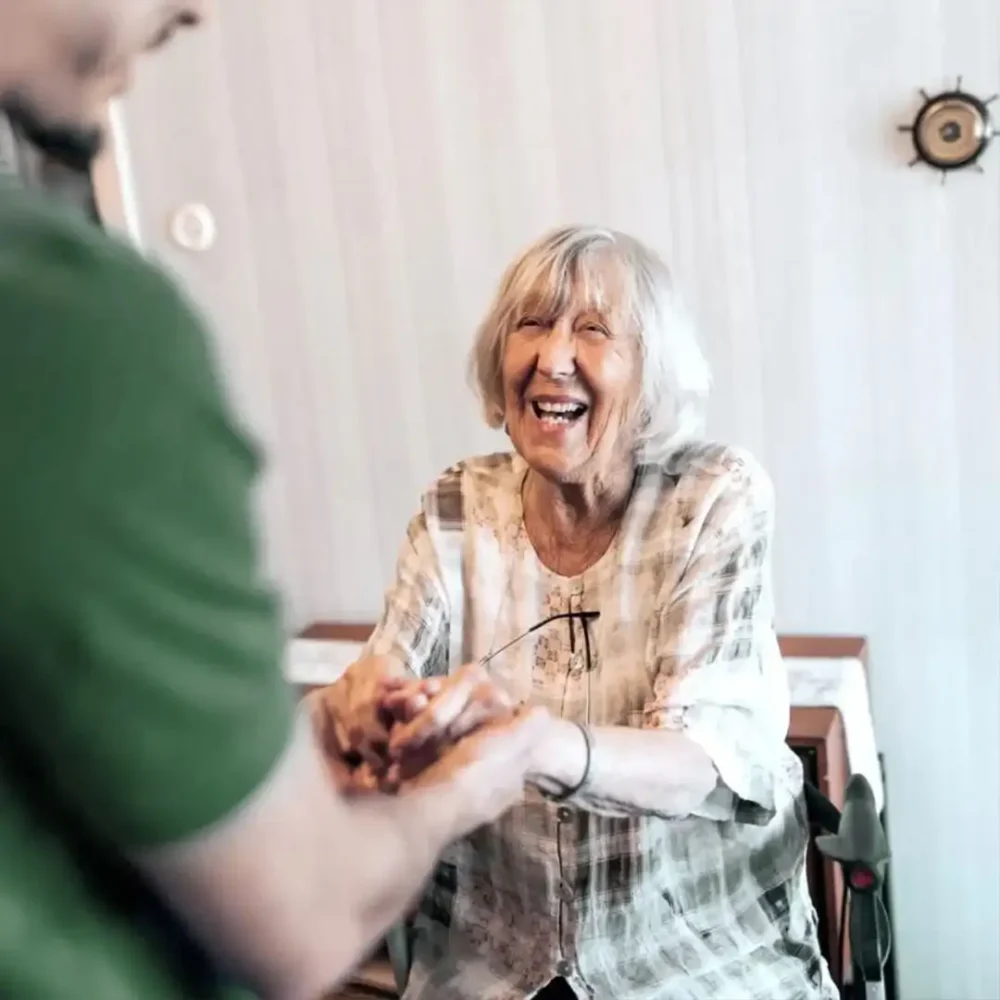
“When you know they’re unhappy but you’ve managed to get a smile, it’s heart-warming,” she said. “It’s very rewarding when you’ve made a difference in somebody else’s life. I just love making a difference. I do.”
What You’ll Earn and How It Works
When it comes to pay, Les was straightforward: “Home Instead pays well, better than my previous company, for sure.”
There’s also a food allowance during your time in a home, so you can buy your own groceries and cook what you enjoy.
Leave pay is worked out based on how much you’ve worked, the more you work, the more you accumulate. Les has found Home Instead really cooperative when it comes to booking time off, especially when you let the office know in advance.
She’s a regular gig-goer and tries to book all of her trips well ahead of time, even travelling back to South Africa every 18 months or so. Sometimes those trips stretch to five weeks, which means taking unpaid leave, but the company’s been very accommodating.
Les keeps a flat with another carer as a base for her belongings, with their care manager making sure they both have leave at different times since the flat is on the smaller side. It does mean living out of a suitcase at times, but for the savings and flexibility, it’s a trade-off that works perfectly well for Les.
How Home Instead Matches You with the Right People
One thing that sets Home Instead Farnborough, Farnham & Fleet apart is how carefully they match Care Professionals with clients.
“They’re very good at matching you with the right person,” Les explained. “Home Instead tries to match personalities and needs. It’s only happened once where they didn’t match me well, and I told them after two weeks, ‘I can’t do this.’ They moved me straight away.”
That level of support, being listened to, having your concerns taken seriously, and being moved to a better match without judgement, makes all the difference.
“The managers are more like friends,” Les said. “You can tell them anything. I love Home Instead. I really do.”

Les’s Advice for Anyone Thinking About A Career In Live-In Care
“If you want to do it, do it,” Les said. “It’s challenging mentally, but it’s very fulfilling.”
Be Prepared for the Reality
“You’ve got to be prepared for the fact that most of the time, it’s one step forward, two steps back,” she warned. “Most clients don’t get better, dementia progresses, health deteriorates. But knowing you’ve made their life a little bit better, that they feel less scared or less alone, that’s what matters.”
Find Your Coping Mechanisms
“I run,” Les said. “Rain, snow, boiling heat, I run during my break time. Physical activity helps. I also knit and do puzzles. You need a creative outlet.”
Lean on Your Managers
“The managers are such an important part of it,” Les emphasised. “If you’ve got any worries or concerns, talk to them. They’re brilliant. They really are.”
Could A Live-In Care Job Be Right for You?
Live-in care isn’t for everyone, but for the right person, it’s incredibly rewarding.
You’ll need patience, empathy, resilience, and a genuine desire to help people. You’ll face challenges, lose sleep sometimes, and experience emotional moments. But you’ll also make a profound difference in someone’s life every single day.
As Les put it: “I just love making a difference in somebody else’s life. If I’ve got a happy client, the job’s done. If you can make them laugh or smile, it’s worthwhile. It really is.”
Thinking About Joining Our Home Instead Farnborough Team?
If you’re compassionate, practical, and looking for work that truly matters, we’d love to hear from you.
At Home Instead Farnborough, Farnham & Fleet, you’ll be part of a team that genuinely cares about you:
- Comprehensive training in dementia care, medication, personal care, and more, so you feel confident from day one
- Weekly manager visits and 24/7 support, because you’re never truly on your own
- Ongoing professional development with paid training throughout your career
- Competitive pay and food allowances during your time with clients
- Flexible scheduling to suit your lifestyle, with cooperative support for time off
- A supportive team culture where you’re valued, listened to, and respected
If Les’s story resonates with you, or if you’re simply curious about whether live-in care could be the right path, we’d love to have a chat.
Visit our careers page to learn more about our live-in care roles, or call us today at 01252 758 716 to speak with our recruitment team.