How to Recognise When Your Loved One in Enfield May Need Help at Home
Discover how to recognise when your loved one in Enfield may need extra support at home.
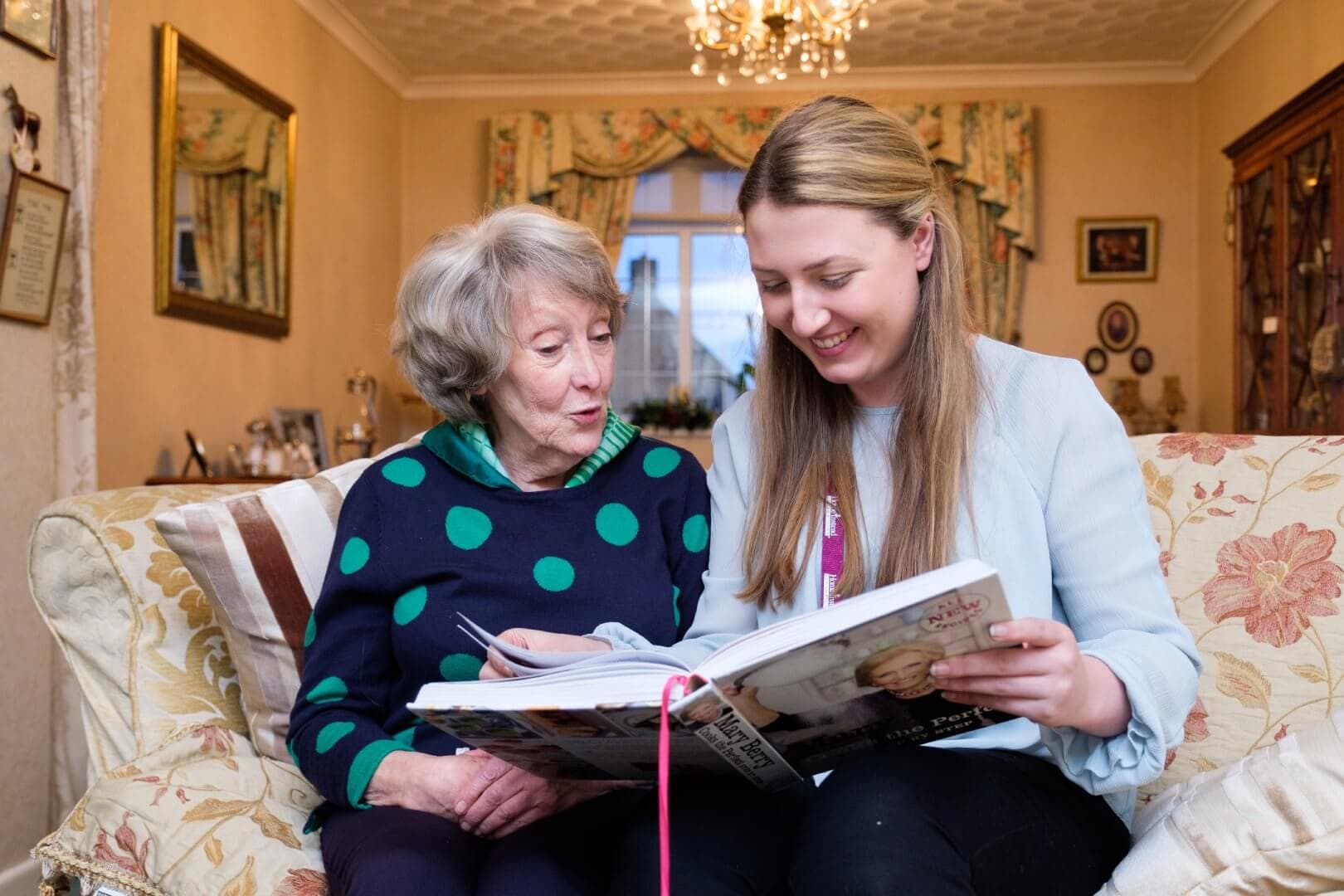
Have you noticed changes in your ageing parent or loved one that make you think they might benefit from a little extra support? It’s not always easy to spot the signs, especially when they’re focused on maintaining their independence. Recognising these signs early provides an opportunity to enhance their well-being and help them continue living comfortably and confidently.
In this post, we’ll explore how to identify when senior care might be beneficial and discuss how personalised care options in Enfield can provide the perfect balance of independence and support.

Noticing Changes in Physical Health
Changes in physical health can sometimes be a sign that your loved one might benefit from a bit of extra support. If you’ve noticed them finding everyday tasks more challenging, here are a few things to look out for:
- Difficulty walking or climbing stairs.
- Frequent falls or unexplained bruises.
- Struggles with tasks such as cleaning or carrying groceries.
For those living with chronic health conditions, managing regular medication and treatments can also become overwhelming. Professional carers can offer invaluable support, assisting with mobility and ensuring health needs are consistently met—all while enabling seniors to stay in their own homes.

Spotting Cognitive and Mental Health Concerns
Have you observed memory lapses or changes in your loved one’s behaviour? These signs, though they may seem minor at first, can sometimes indicate underlying mental health concerns or early signs of cognitive decline. Misplacing personal items like keys, a phone, or a wallet and forgetting where they’ve been placed are common examples. Other symptoms to watch for include:
- Forgetfulness about familiar tasks or routines.
- Difficulty making decisions or increased confusion.
- Signs of depression or withdrawal from social activities.
While these challenges can seem daunting for families, support is readily available. Trained carers offer personalised assistance, helping your loved one stay safe, maintain their independence, and enjoy life with dignity and confidence.

Everyday Activities Becoming Overwhelming
Everyday tasks that once came naturally can sometimes feel more challenging for seniors, especially for those living with dementia. Activities like preparing meals, managing personal hygiene, keeping up with household chores, or staying on top of medications and appointments may require a little extra support. Warning signs might include:
- Neglecting personal hygiene, such as bathing or grooming.
- Struggles with meal preparation or following a balanced diet.
- Forgetting to take medication or taking incorrect doses.
By recognising these signs early, families can ensure their loved ones receive the assistance they need to continue living comfortably and confidently at home. In-home care services can bridge the gap, offering assistance with these essential activities. This support not only helps maintain their physical health but also contributes to a safer and more fulfilling lifestyle.
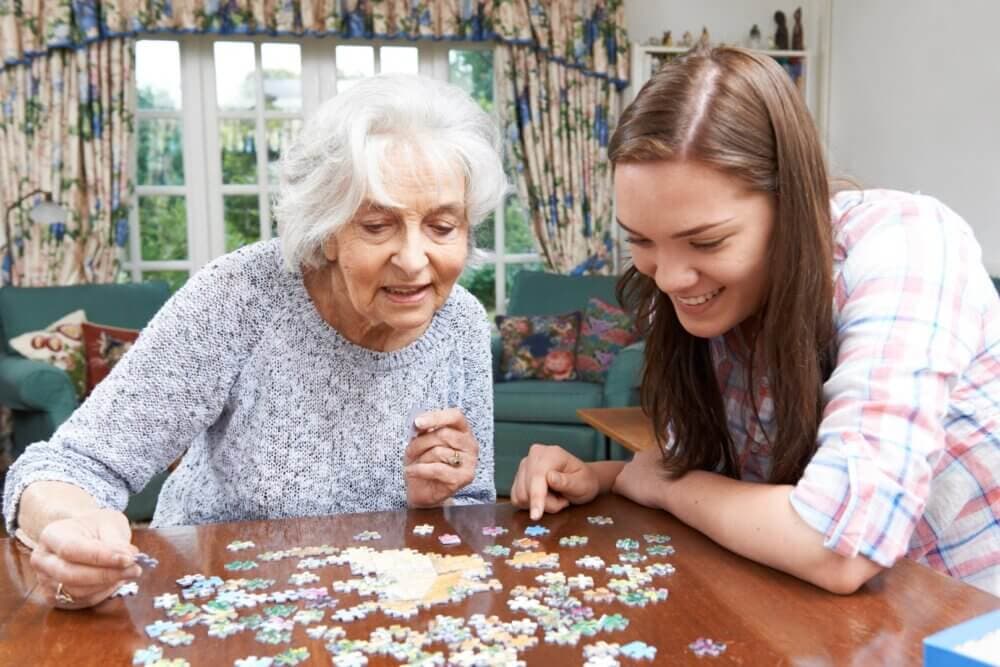
Recognising Social Isolation
Loneliness is a growing concern among older adults, particularly for those living alone. Signs of social isolation may include:
- A reluctance to leave the house.
- Reduced communication with friends or family.
- A loss of interest in hobbies or activities they once enjoyed.
Companionship care can be transformative, offering meaningful interaction and support. Whether it’s sharing a meal, enjoying a favourite activity, or simply having a chat, a Care Professional can provide much-needed emotional connection.

Driving Safety and Mobility Concerns
For many older adults, driving symbolises independence. However, slower reflexes, vision impairments, or health conditions may compromise their safety on the road. Warning signs include:
- Near-misses or dents on their vehicle.
- Hesitation or confusion while driving.
- Getting lost on familiar routes.
If driving becomes a concern, Care Professionals can assist with transportation, helping your loved one maintain an active lifestyle and stay connected to their community.

Recovering After Illness or Injury
The period after an illness or hospital stay can be particularly challenging. Managing medication, preparing meals, and resuming daily routines may feel overwhelming. Professional carers offer support during this critical time, helping seniors regain strength and confidence in a familiar environment.

Identifying Environmental and Personal Decline
Have you noticed subtle changes in your loved one’s home or personal appearance? These could signal that they’re struggling to cope. Key indicators include:
- Neglected grooming or wearing soiled clothing.
- A cluttered or unsafe living space.
Sensitive and respectful care can address these challenges, ensuring your loved one feels supported without losing their sense of independence.
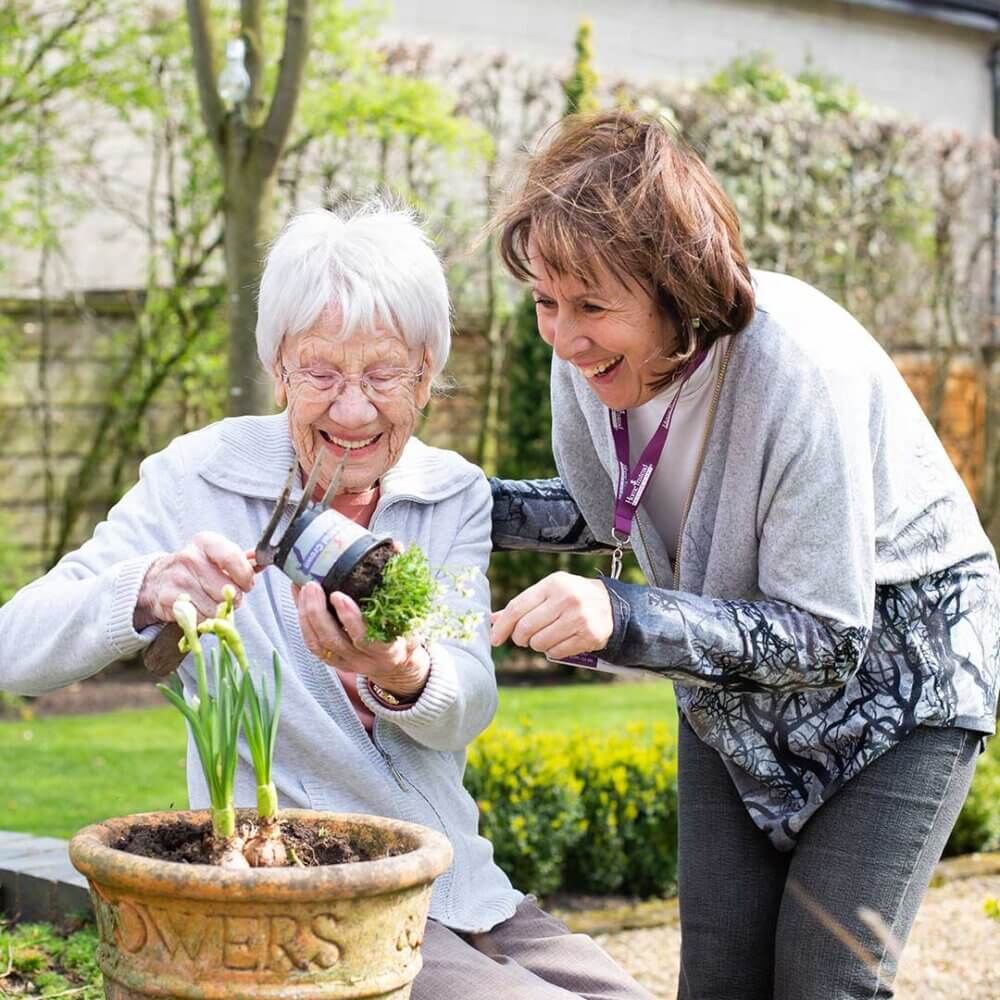
Emotional Changes and Mood Swings
Irritability, paranoia, or withdrawal from social interactions can signal underlying mental health concerns. These emotional shifts may indicate depression, anxiety, or the early stages of cognitive decline. If you notice these changes, consulting a GP can provide clarity and access to appropriate support.

Struggles with Medication and Finances
Managing prescriptions and finances often becomes more difficult as organisational abilities decline. Look out for:
- Missed doses or confusion about medication schedules.
- Unpaid bills or unusual purchases.
Professional carers can assist with medication reminders, while trusted family members or professionals help manage financial responsibilities, ensuring peace of mind for everyone involved.

Personalised Care Options for Every Need
No two individuals are the same, and care solutions should reflect this. In Home Instead Enfield, tailored care services offer a range of options to suit different needs, including:
- Assistance with daily tasks like cooking, cleaning, and personal care.
- Companionship and emotional support to combat loneliness.
- Specialist care for conditions such as dementia or mobility challenges.
This approach enables seniors to continue living independently while receiving the support they need to thrive.
Supporting Families Through the Transition
Introducing the idea of care to a loved one can be a sensitive process. Many seniors may initially resist, fearing it will compromise their independence. Starting with a few hours of support each week can help ease this transition.
Engaging professional carers benefits everyone, allowing family members to spend more meaningful time with their loved ones while reducing stress.