Helping Loved Ones Stay Well Through Food and Hydration
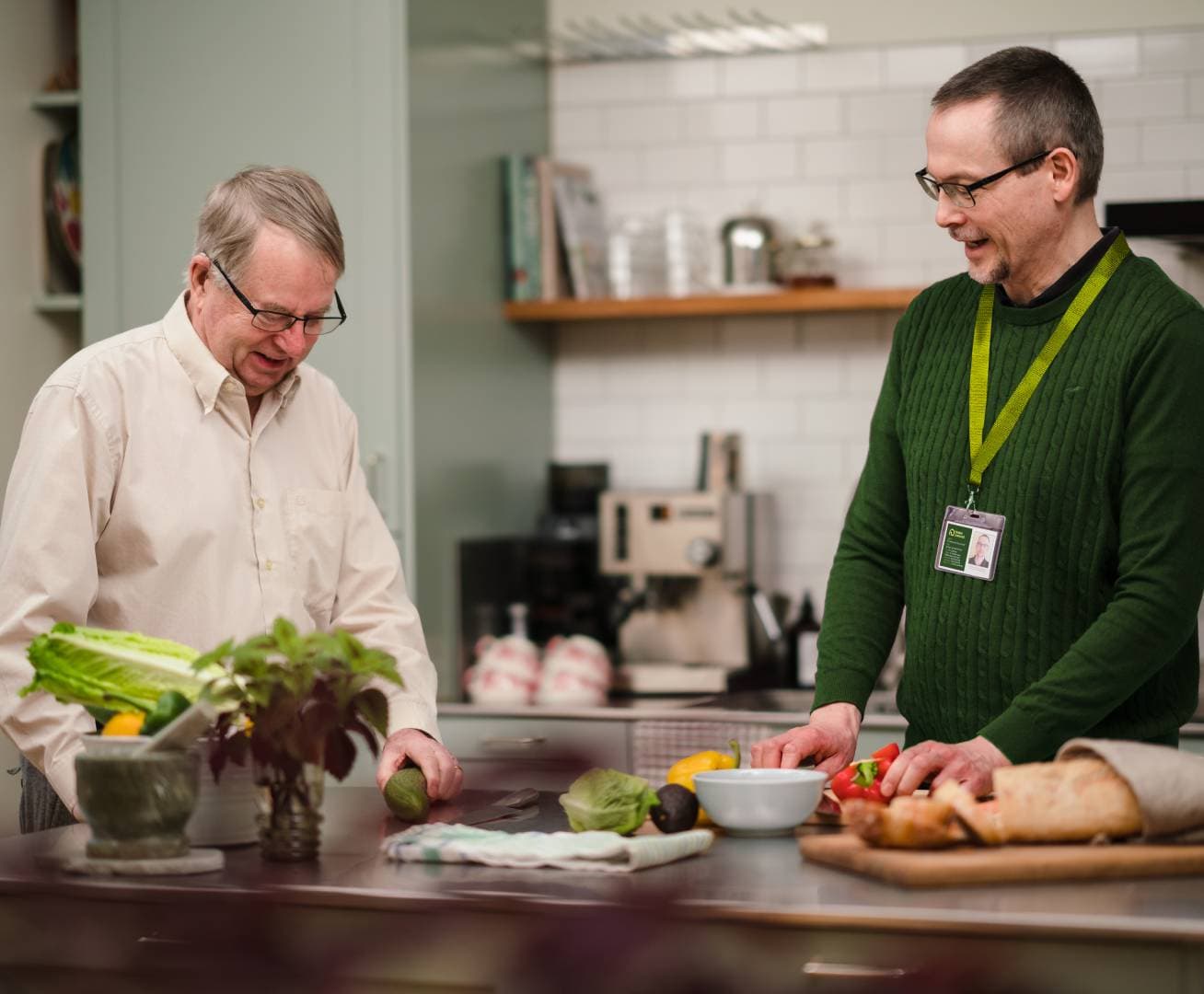
March is a time when many families begin to think more carefully about how best to support a loved one’s everyday comfort and health, and for those living with a neurological condition, food and hydration play a central role. They are not only essential for physical health but also contribute to energy levels, mood, and overall wellbeing. Supporting someone with a neurological condition involves many small, thoughtful actions, and what happens around meals and drinks is among the most important.
This blog looks at how routines around food and hydration can be gently supported and how home care can help ensure that every mealtime feels comfortable and reassuring.
Why Nutrition Matters in Neurological Care
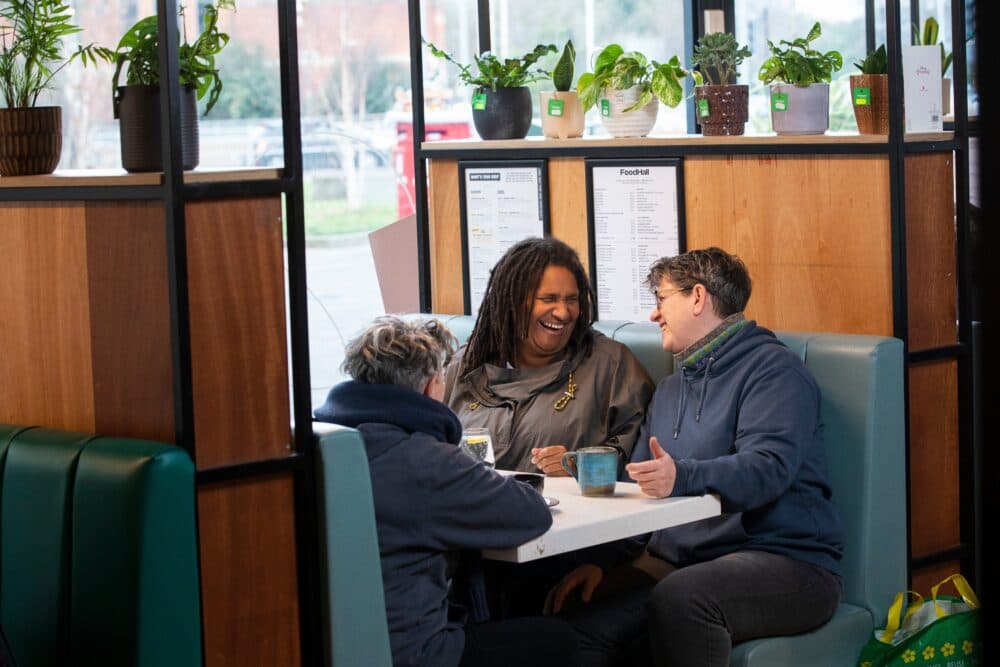
Neurological conditions can affect appetite, swallowing, coordination, and even the ability to recognise hunger or thirst. This means that maintaining good nutrition may require a little more attention and planning. A balanced diet helps to support energy and strength, maintain a healthy weight, aid recovery and resilience, and promote comfort and stability. Equally, staying well hydrated supports concentration, reduces fatigue, and helps the body function more smoothly.
Encouraging Regular Eating Without Pressure
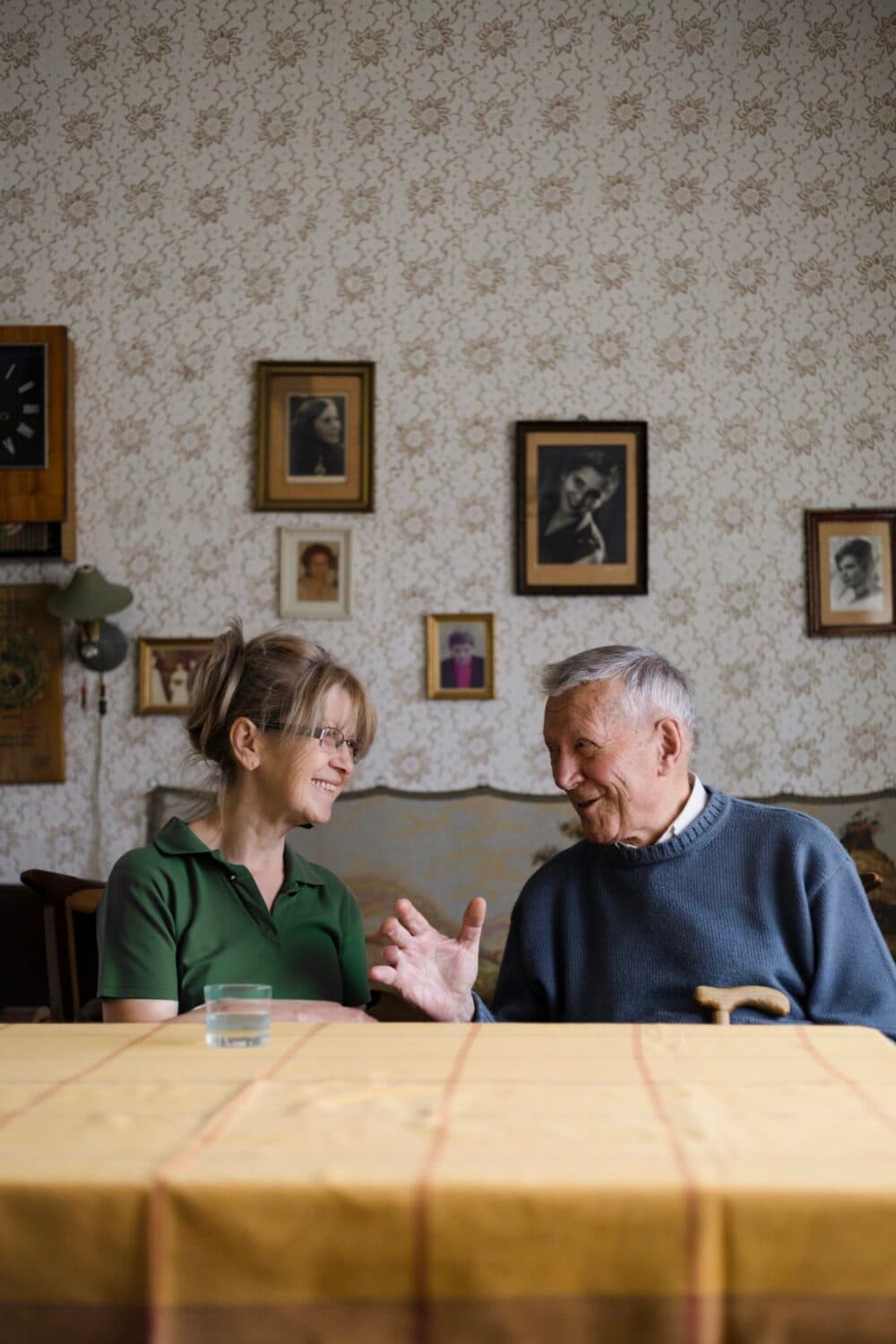
It is not uncommon for appetite to change. Some people may eat less, while others may prefer smaller, more frequent meals. A gentle approach often works best. Offering smaller portions throughout the day rather than large meals, keeping favourite foods available and easy to access, maintaining familiar meal times where possible, and creating a relaxed, unhurried environment during meals can all help. It can also help to sit together during mealtimes, as sharing the experience can make eating feel more natural and less like a task.

Making Food Easier to Manage
For those who experience difficulties with coordination or swallowing, small adjustments can make a meaningful difference. Soft or easy-to-chew foods such as soups, stews, mashed vegetables, and yoghurt can be helpful, along with cutting food into manageable pieces, using adapted utensils if needed, and ensuring meals are served at a comfortable temperature. Presentation still matters. Meals that look appealing and familiar can encourage interest and enjoyment.

Supporting Safe and Comfortable Hydration
Hydration can sometimes be overlooked, especially if a person does not feel thirsty or forgets to drink regularly. Offering drinks little and often throughout the day, keeping a favourite cup or bottle within easy reach, including a variety of drinks such as water, tea, milk, or diluted juice, and offering foods with high water content like fruit, jelly, or soups can all make a difference. If swallowing is a concern, drinks may need to be adapted to a suitable consistency. This should always be guided by professional advice.
Recognising Subtle Signs
Changes in eating and drinking habits can sometimes happen gradually. Being aware of small signs can help you respond early and support comfort. These might include a reduced interest in food or drinks, taking longer to eat or drink, coughing or discomfort during meals, or changes in weight or energy levels. Approaching these changes calmly and with reassurance helps maintain dignity and trust.

Creating a Positive Mealtime Environment
The setting around meals can have a strong influence on how someone feels about eating. A calm and supportive atmosphere can include a quiet space with minimal distractions, soft lighting and comfortable seating, gentle conversation or familiar music, and allowing plenty of time without rushing. These small details can help turn mealtimes into a more enjoyable and reassuring part of the day.
How Home Care Can Help
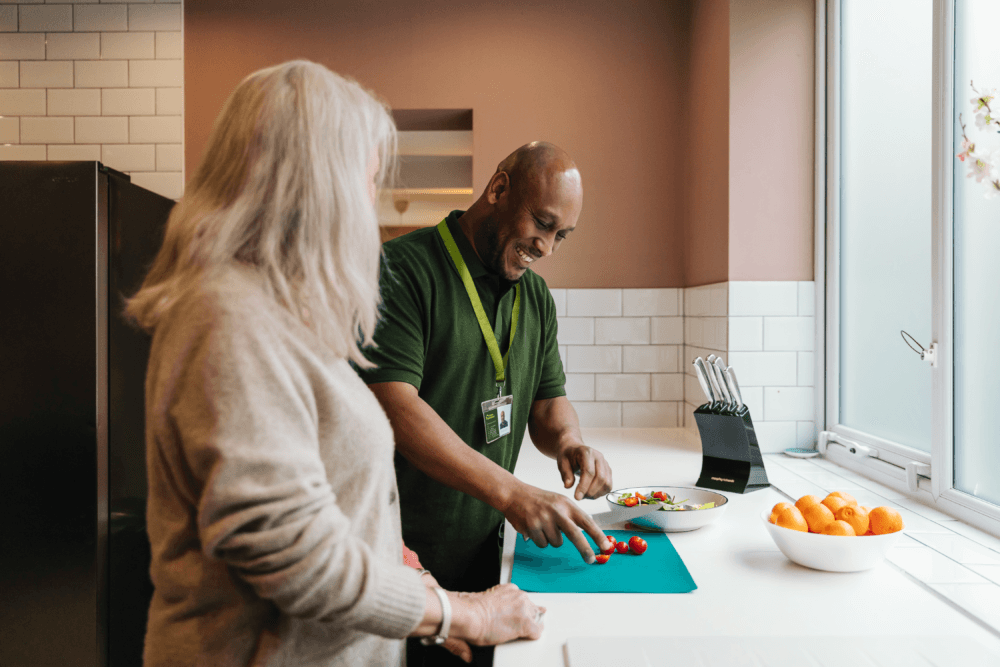
Professional carers can provide thoughtful support around food and hydration, always tailored to the individual’s preferences and needs. This might include preparing nutritious, familiar meals, encouraging regular drinks in a natural way, supporting safe eating where needed, and monitoring changes and adapting routines gently. For families, this support can offer reassurance that their loved one is receiving consistent and attentive care.
If you would like to learn more about how this fits into neurological care at home, you can visit our dedicated page for further guidance and support.

Your Local Home Instead Team
At Home Instead Enfield, the local team understands how important it is to feel confident and supported when arranging care at home. They take time to get to know each individual, ensuring that support with meals and hydration feels natural, respectful, and reassuring.
Home Instead office name:
Home Instead Enfield
Office phone number:
0203 6418851
Office website URL:
https://www.homeinstead.co.uk/enfield/
Google Business Profile link:
https://maps.app.goo.gl/Z198nAFpdMWaNxxa6
Areas covered:
Enfield, Bush Hill Park, Palmers Green, Grange Park, Southbury, Upper Edmonton, Southgate, Winchmore Hill, Worlds End, Oakwood
Postcodes served:
EN1 1, EN1 2, EN1 3, EN2 0, EN2 6, EN2 7, EN3 4, EN3 5, EN3 6, EN3 7, N13 4, N13 5, N13 6, N14 4, N14 5, N14 6, N14 7, N21 1, N21 2, N21 3, N9 0, N9 7, N9 8, N9 9
Whether you are exploring options or ready to speak with someone, the team is available to offer guidance in a calm and understanding way.

Ratings and Compliance
Home Instead Enfield maintains high standards of care, reflected in the following ratings:
Homecare.co.uk rating:
10 out of 10
Profile link:
https://www.homecare.co.uk/homecare/agency.cfm/id/65432217897
CQC rating:
Good
CQC report link:
https://www.cqc.org.uk/location/1-3770098265/contact
These ratings provide reassurance that care is delivered with consistency, professionalism, and respect.

How can we help?
We've helped thousands of families to stay safe, comfortable and happy at home. Whatever situation you're facing, or whatever the question is, Home Instead is here to help.
Are you in need of a little guidance right away?
Other non-care-related enquiries