What Happens When Caring Starts To Affect Your Own Health
Support for Enfield carers whose own health is affected by caring for a loved one with a neurological condition.

When caring starts to affect your own health, it often shows up as ongoing tiredness, emotional strain, and a quiet sense that something has to give. This April, many family carers across Enfield supporting a loved one with a neurological condition are finding themselves in exactly that position, caring deeply, but beginning to feel the weight of it. Recognising what is happening is the first real step towards protecting both your own wellbeing and the quality of care you are able to provide.
This blog looks at the signs that caring may be affecting your health, why your own wellbeing matters just as much, and the kinds of support that can help you keep going sustainably.

Understanding the impact of caring
Neurological conditions such as Parkinson’s disease, multiple sclerosis, or the effects of a stroke can change over time. As needs become more complex, caring can require more attention, patience, and physical effort.
It is common for carers to prioritise the needs of their loved one, often placing their own health to one side. Over time, this can lead to ongoing fatigue or disrupted sleep, increased stress or feelings of anxiety, physical strain from lifting or assisting with mobility, and less time for social connections or personal interests.
These changes can happen gradually, making them easy to overlook. Taking a moment to reflect on how you are feeling can help you recognise when extra support may be needed.
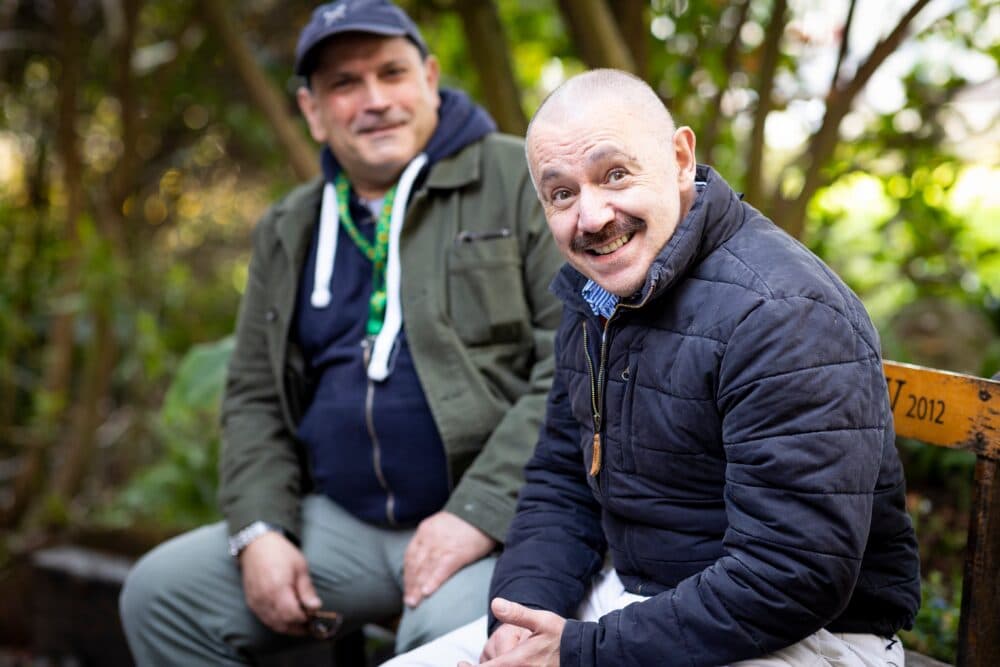
Signs that caring may be affecting your health
Everyone experiences caring differently, but there are some gentle signs that it may be time to seek support. Feeling constantly tired can be one of them: if rest does not seem to restore your energy, or you feel worn down most days, it may indicate that your routine is becoming too demanding. Changes in mood, such as feeling low, irritable, or overwhelmed, can be a natural response to ongoing pressure, and these feelings deserve attention and care.
Physical discomfort is another common sign, with back pain, joint strain, or general aches sometimes developing when helping someone with mobility or personal care tasks. Losing time for yourself, so that your own hobbies, friendships, or quiet moments begin to disappear, can also affect your overall sense of wellbeing.
Recognising these signs does not mean you are not coping. It simply highlights that caring is a shared responsibility, and support can make a meaningful difference.

Why looking after yourself matters
Your health is just as important as the person you care for. When you feel supported and well, you are better able to provide consistent, compassionate care.
Taking care of yourself can help you maintain your energy and resilience, stay emotionally balanced, continue providing safe and attentive care, and feel more confident in managing day-to-day routines.
Even small changes, such as taking regular breaks or speaking to someone about your experiences, can have a positive effect.
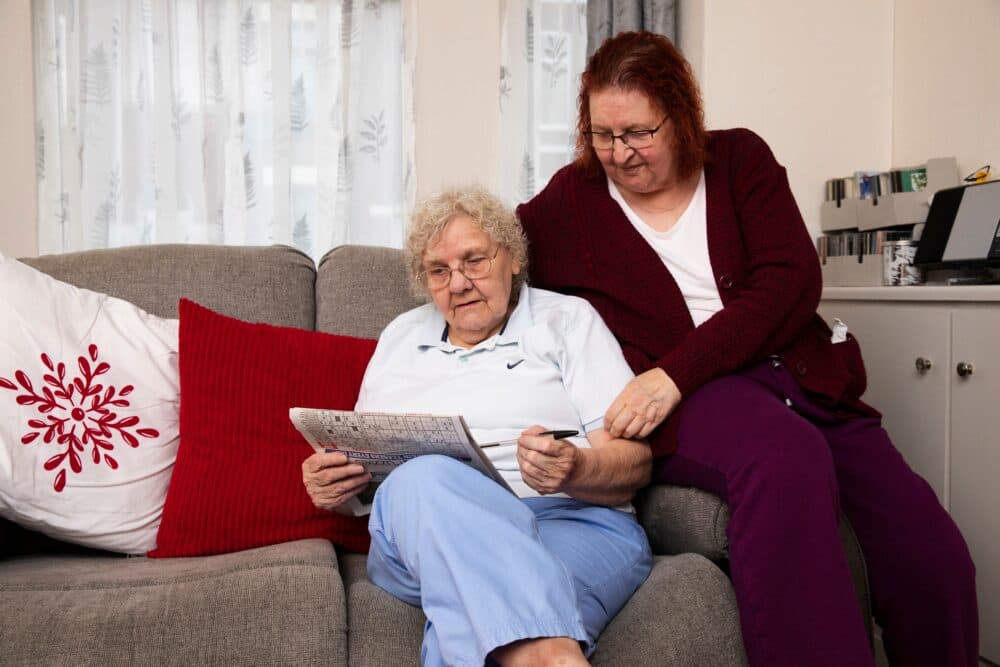
Ways to support your wellbeing
There are gentle and realistic steps you can take to protect your health while continuing to care for your loved one. Sharing the responsibility is a good place to start, as caring does not have to be done alone, and involving trusted professionals can ease daily pressures while providing reassurance that your loved one is receiving consistent support.
Taking regular breaks, even for an hour or two, can help you rest and recharge, and this time can be used for something simple and restorative, such as a walk, reading, or meeting a friend. Keeping communication open by talking with family members or a carer about how you feel can help you feel understood and supported.
Focusing on safe care practices, such as learning safe ways to assist with mobility or personal care, can also reduce the risk of physical strain and make daily routines more manageable.
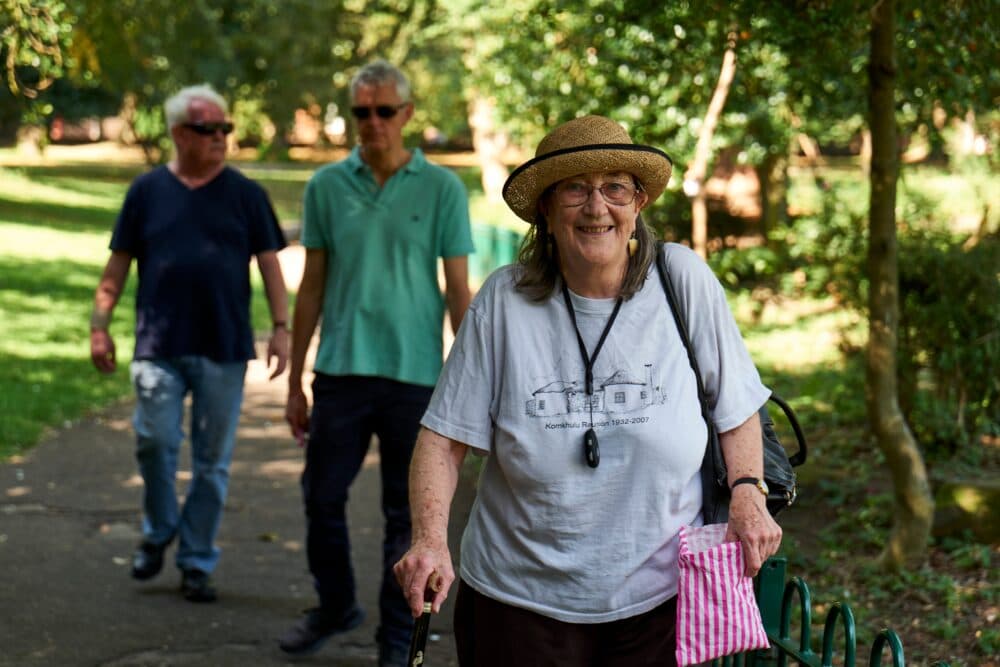
How home care can help
Professional neurological care at home is designed to support both the individual and their family. It provides hands-on help while also offering reassurance and consistency.
Home Instead Enfield offers tailored care that may include assistance with personal care and daily routines, support with mobility and safe movement, companionship and emotional support, help with medication routines, and visits that fit around your needs.
This type of support allows you to step back when needed, knowing that your loved one is in capable and caring hands. It also allows you to focus on your own wellbeing without feeling that you are stepping away completely.
Your Local Home Instead Team
At Home Instead Enfield, the team understands the unique challenges that come with caring for someone with a neurological condition. Their approach is centred on compassion, respect, and personalised support for families across the local area.
Home Instead office name:
Home Instead Enfield
Office phone number:
0203 6418851
Office website URL:
https://www.homeinstead.co.uk/enfield/
Google Business Profile link:
https://maps.app.goo.gl/Z198nAFpdMWaNxxa6
Areas covered (towns/villages/communities):
Enfield, Bush Hill Park, Palmers Green, Grange Park, Southbury, Upper Edmonton, Southgate, Winchmore Hill, Worlds End, Oakwood
Postcodes served:
EN1 1, EN1 2, EN1 3, EN2 0, EN2 6, EN2 7, EN3 4, EN3 5, EN3 6, EN3 7, N13 4, N13 5, N13 6, N14 4, N14 5, N14 6, N14 7, N21 1, N21 2, N21 3, N9 0, N9 7, N9 8, N9 9
The local team is available to talk through your situation, answer questions, and help you find the right level of support for your family.
Ratings and quality assurance
Home Instead Enfield maintains a strong focus on quality and reliability.
Homecare.co.uk rating:
10 out of 10
Profile link:
https://www.homecare.co.uk/homecare/agency.cfm/id/65432217897
CQC rating:
Good
CQC report link:
https://www.cqc.org.uk/location/1-3770098265/contact
These ratings reflect a consistent commitment to providing safe, compassionate care.

Taking the next step
If caring has started to affect your own health, it may be time to look at additional support. Reaching out does not mean stepping away from your role. It simply means ensuring that both you and your loved one are supported in the best possible way. To learn more about neurological care at home in Enfield, you can visit the local Home Instead website or speak directly with the team. A friendly conversation can often bring clarity and reassurance, helping you move forward with confidence.

Areas We Serve
Enfield, Palmers Green, Winchmore Hill, Bush Hill Park, Southgate, Cockfosters, Edmonton, Brimsdown and the surrounding areas
EN1 1, EN1 2, EN1 3, EN2 0, EN2 6, EN2 7, EN3 4, EN3 5, EN3 6, EN3 7, N13 4, N13 5, N13 6, N14 4, N14 5, N14 6, N14 7, N21 1, N21 2, N21 3, N9 0, N9 7, N9 8, N9 9
Unit 22, 26-28 Queensway, Ponders End, Enfield EN3 4SA, UK