Supporting Older Adults Who Have Become More Anxious About Going Out

As people grow older, it is not uncommon for confidence about leaving home to change. For some, going out may start to feel less comfortable than it once did. This can happen gradually, and families often notice small changes before it becomes more noticeable.
With the right understanding and gentle support, many older adults can continue to enjoy familiar routines and feel more at ease when stepping outside.
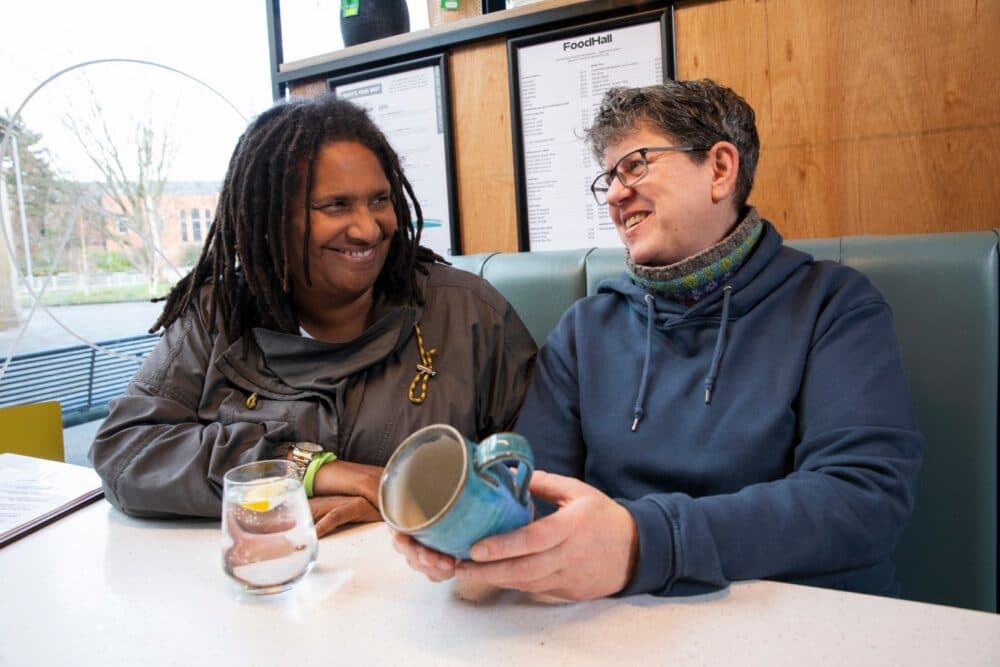
Understanding changes in confidence when going out
Feeling less confident about going out can develop for a variety of reasons. It may be linked to changes in mobility, energy levels, or general wellbeing. For others, it may come from feeling unsure in busy or unfamiliar environments.
These changes are often not sudden. A person may begin to prefer staying at home more often or may feel more relaxed when accompanied by someone they trust. Recognising these shifts early can help families respond calmly and reassuringly.
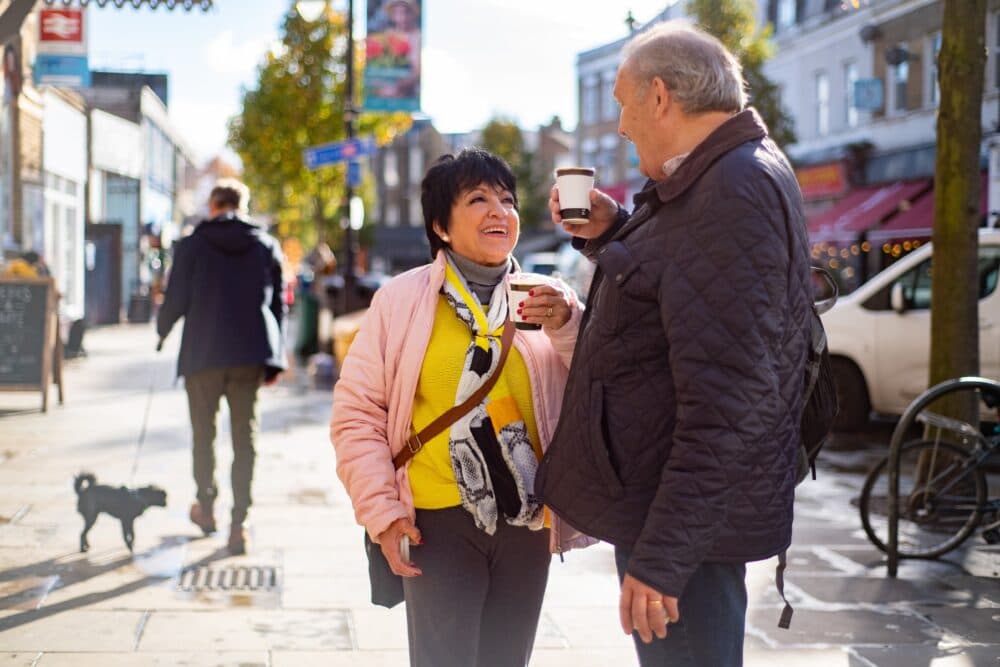
Common reasons older adults may feel less comfortable leaving home
There is no single cause, and each person’s experience is individual. Some common factors include:
- Feeling less steady on their feet or worried about walking longer distances
- Reduced confidence after a period of illness or time spent indoors
- Concerns about busy streets, traffic, or crowded spaces
- Changes in memory or concentration that make unfamiliar places feel harder to manage
- A preference for familiar surroundings where everything feels predictable
These feelings do not mean someone should stop going out. Instead, they often indicate that a bit more reassurance or company may help restore confidence over time.
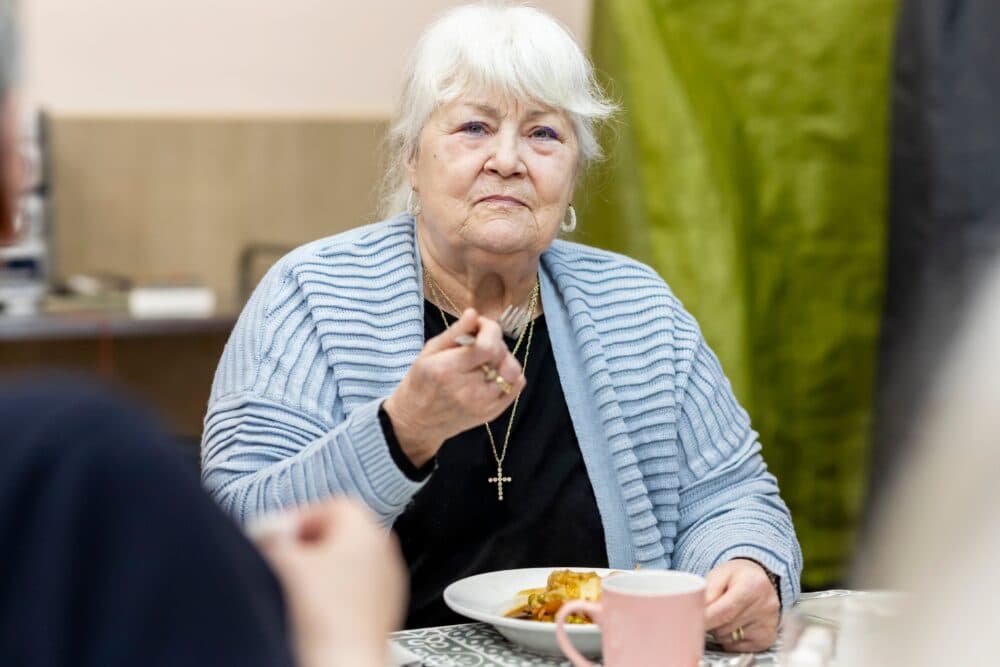
How calm, consistent support can help
A steady, familiar presence can make a real difference. Having someone alongside during outings can help older adults feel more at ease and better prepared for small challenges that may arise.
Support might include:
- Gentle encouragement to step outside for short walks
- The company when attending appointments or visiting local places
- Help with planning simple outings at times that feel less busy
- Reassurance during travel or while adjusting to new routines
The aim is not to rush or push, but to create a sense of comfort and familiarity so that going out feels more manageable again.

Building confidence step by step
Confidence often grows through small, positive experiences. Rather than focusing on longer trips or busy environments straight away, it can help to start with short, familiar outings.
This might involve:
- A brief walk at a quiet time of day
- Visiting a nearby park or local shop together
- Sitting outside in a familiar setting for a short period
- Repeating simple outings so they feel more predictable
Over time, these small steps can help reduce hesitation and make leaving the home feel more natural again. The pace should always be guided by the individual.
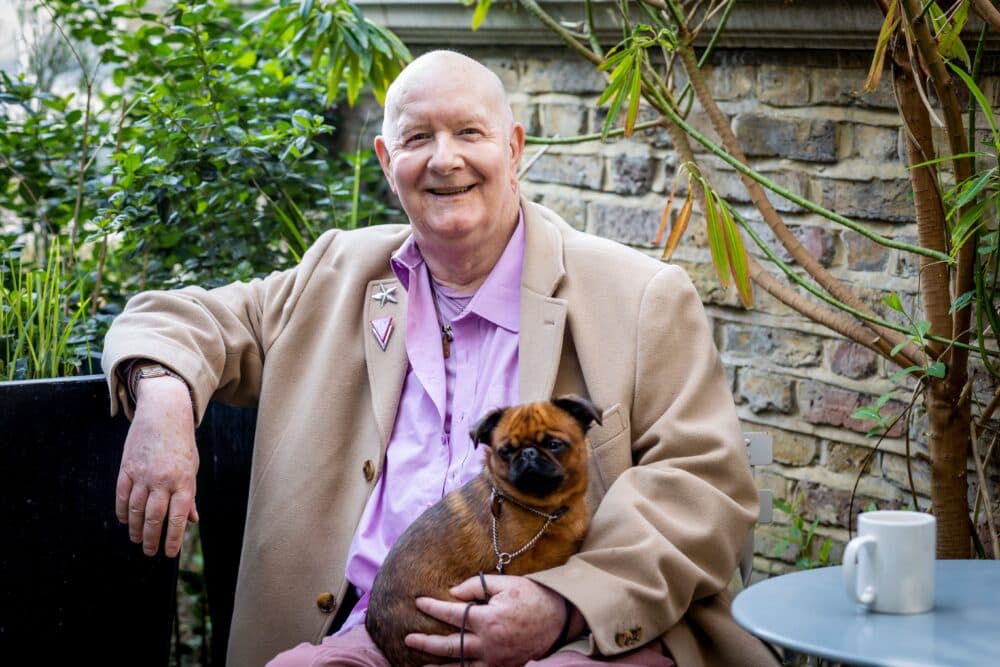
The role of companionship and routine
A steady daily routine can bring reassurance. Knowing what to expect each day often helps reduce uncertainty and can make the idea of going out feel less daunting.
Companionship at home can also play an important role. Regular conversation, shared activities, and gentle encouragement can help maintain a sense of connection with the wider community.
When someone feels supported and listened to, they are often more open to trying small outings again when they feel ready.
How live-in care can support daily life and time outside the home
Live-in care provides ongoing, one-to-one support within the home. This means there is always someone nearby to offer reassurance, help with daily tasks, and provide company when going out.
For those who feel less confident about leaving the house, this type of support can help in several ways:
- Encouraging short, calm outings at a comfortable pace
- Providing reassurance during appointments or social visits
- Supporting daily routines that help maintain structure
- Offering companionship that reduces feelings of isolation
In areas such as Enfield and nearby communities, this approach can help older adults stay connected to familiar surroundings while receiving consistent, attentive support at home.

Your Local Home Instead Team
Home Instead Enfield supports older adults and families across the local area with steady, personalised live-in care.
Home Instead office name:
Home Instead Enfield
Office phone number:
0203 6418851
Office website URL:
Home Instead Enfield
Google Business Profile link:
Google Business Profile
Areas covered:
Enfield, Bush Hill Park, Palmers Green, Grange Park, Southbury, Upper Edmonton, Southgate, Winchmore Hill, Worlds End, Oakwood
Postcodes served:
EN1 1, EN1 2, EN1 3, EN2 0, EN2 6, EN2 7, EN3 4, EN3 5, EN3 6, EN3 7, N13 4, N13 5, N13 6, N14 4, N14 5, N14 6, N14 7, N21 1, N21 2, N21 3, N9 0, N9 7, N9 8, N9 9
Ratings and compliance
Homecare.co.uk rating: 10 out of 10
Profile link: Homecare.co.uk profile
CQC rating: Good
CQC report link: CQC report

A calm next step
When going out starts to feel less comfortable, small and steady forms of support can make everyday life feel more manageable. With the right approach, many older adults regain confidence at their own pace while staying connected to their local area.
If you would like to learn more about live-in care in Enfield, the local team can provide clear information and talk through the options available.
Visit Home Instead Enfield or call 0203 6418851 to speak with someone who can help you take the next step in your own time.

How can we help?
We've helped thousands of families to stay safe, comfortable and happy at home. Whatever situation you're facing, or whatever the question is, Home Instead is here to help.
Are you in need of a little guidance right away?
Other non-care-related enquiries