Coping with Communication Challenges: Strategies for Seniors with Hearing Loss/Cognitive Impairments

Communication can present significant challenges for older adults, particularly those experiencing hearing loss or cognitive impairments such as dementia. As these conditions progress, maintaining effective communication becomes crucial for ensuring well-being and quality of life. Home Instead understands the importance of addressing these challenges and is committed to providing compassionate, professional support. This blog post explores various strategies to help seniors cope with communication challenges, offering practical tips and insights for family members and Care Professionals.

Understanding the Impact of Hearing Loss and Cognitive Impairments
Hearing Loss
Age-related hearing loss, or presbycusis, affects many older adults. This condition can lead to difficulties in understanding speech, particularly in noisy environments. Background noises can further exacerbate the problem, making it challenging to follow conversations or respond appropriately. While hearing aids can be immensely beneficial, they must be complemented by other strategies to ensure effective communication.
Cognitive Impairments
Conditions such as Alzheimer’s disease and other forms of dementia significantly impact communication abilities. As these diseases progress, patients may have difficulty finding the right words, following conversations, or understanding complex sentences. This can lead to frustration and withdrawal from social interactions, highlighting the need for supportive communication strategies.
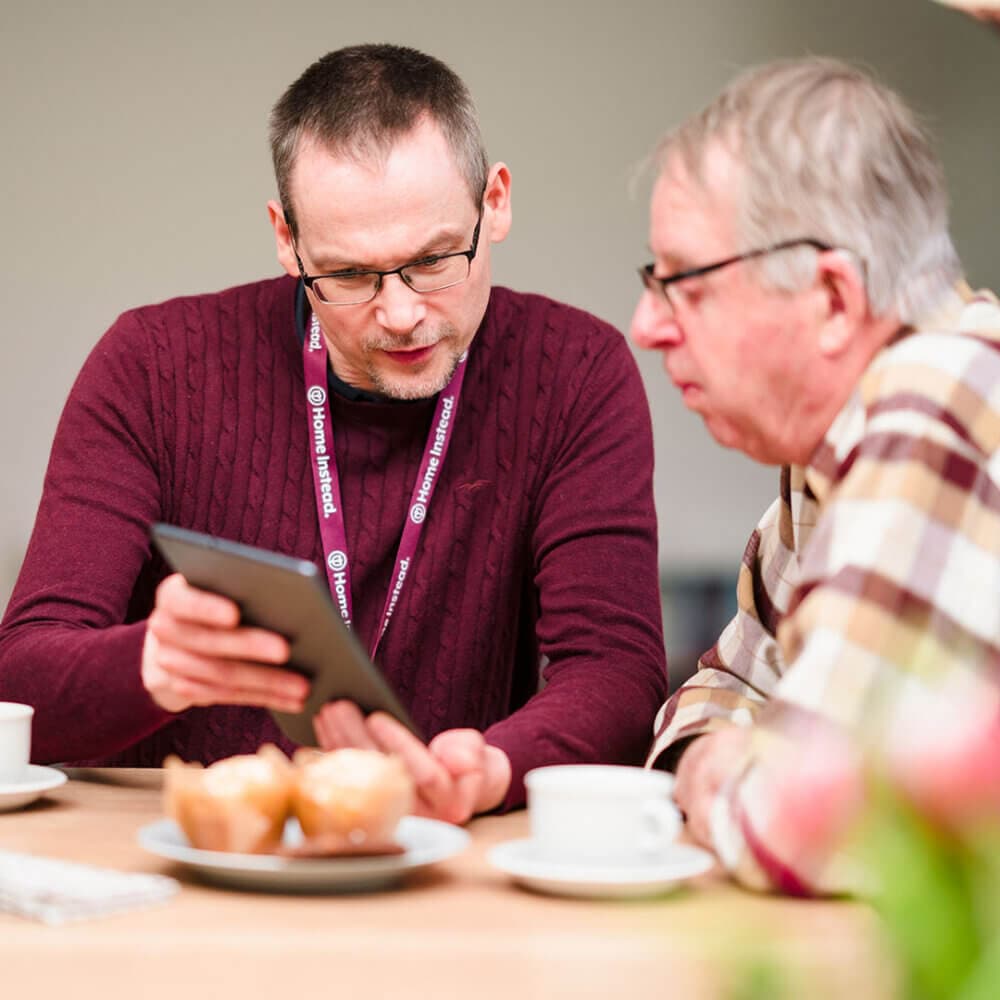
Strategies for Effective Communication
Creating a Conducive Environment
- Quiet Place: Choose a quiet place free from background noise to have conversations. This minimises distractions and helps the person focus better.
- Good Lighting: Ensure the room is well-lit so the person can see facial expressions and lip movements clearly, aiding in lip reading.
Using Clear and Simple Language
- Short Sentences: Speak in short, simple sentences to make it easier for the person to understand.
- Speak Slowly: Speaking slowly and clearly can help the person process the information better.
- Avoid Jargon: Use everyday language and avoid complex vocabulary.
Non-Verbal Communication
- Body Language: Use positive body language to convey warmth and understanding.
- Facial Expressions: Maintain appropriate facial expressions to express emotions and reactions.
- Hand Gestures: Use hand gestures to emphasise points and aid in understanding.
- Eye Contact: Maintain eye contact to keep the person engaged and focused on the conversation.

Enhancing Communication with Hearing Aids and Assistive Devices
Wearing Hearing Aids
Encourage the consistent use of hearing aids to improve hearing abilities. Hearing aids can significantly enhance a person’s ability to hear and engage in conversations, especially in settings with minimal background noise.
Assistive Listening Devices
Consider using devices that amplify sound or reduce background noise in specific environments. These devices can be particularly useful in group settings or noisy environments.
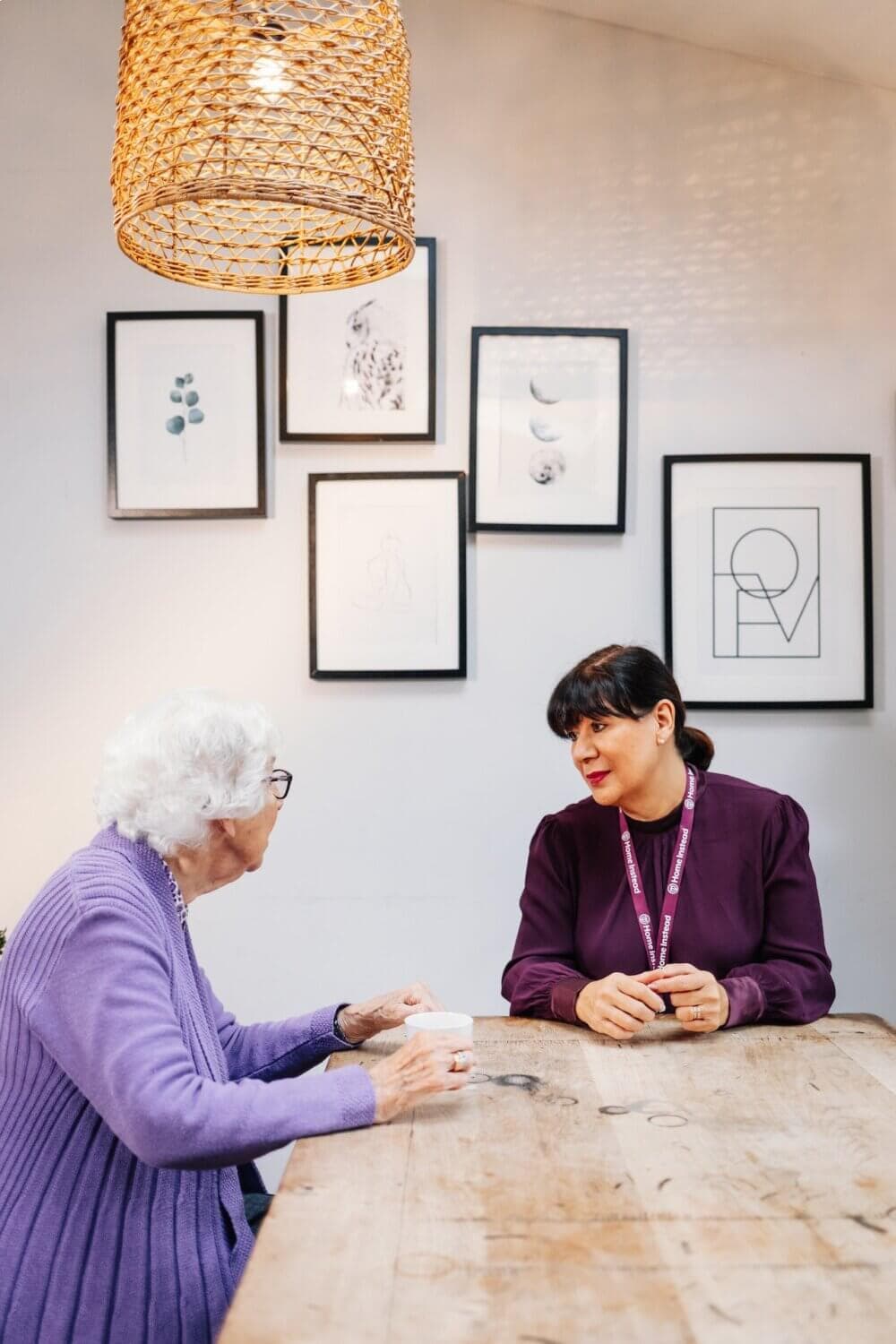
Techniques for Cognitive Impairments
Patience and Understanding
Be patient and give the person plenty of time to respond. Understanding that cognitive decline can slow down a person’s ability to process and respond to information is crucial for maintaining successful communication.
Open-Ended Questions
Use open-ended questions to encourage conversation and avoid yes/no responses that can be limiting. This approach can help engage the person in more meaningful dialogue.
Repetition and Rephrasing
Repeat or rephrase statements if the person does not understand initially. This can help clarify the message and ensure better understanding.
Visual Aids
Use visual aids such as pictures or written words to support verbal communication. Visual cues can help reinforce the message and aid in comprehension.

Tips for Family Members and Care Professionals
Be Patient and Compassionate
Understand that communication difficulties are part of the condition and not a deliberate challenge. Approach conversations with empathy and patience.
Stay Engaged
Encourage regular conversations and social interactions to keep the person engaged. Even small talks can have a significant positive impact on their emotional well-being.
Plan Ahead
Plan conversations around times when the person is most alert and receptive. This can vary depending on their daily routine and health status.
Encourage Social Activities
Involve the person in social activities that are conducive to their communication abilities. Small group activities can be less overwhelming than large gatherings.
Educate Yourself
Learn more about the specific condition affecting your loved one. Understanding the nuances of their impairment can help you tailor your communication strategies effectively.

Professional Support from Home Instead
Home Instead offers specialised services to support seniors facing communication challenges due to hearing loss or cognitive impairments. Our team of dedicated Care Professionals and health professionals are trained to implement effective communication strategies that cater to the unique needs of each individual.
Personalised Care Plans
We develop personalised care plans that consider the specific communication abilities and preferences of our clients. This ensures that they receive the most appropriate and effective support.
Regular Training
Our Care Professionals undergo regular training to stay updated on the best practices for managing communication challenges. This includes learning new techniques and technologies that can aid in better communication.
Family Involvement
We believe in involving family members in the care process. We provide guidance and support to help them understand and implement effective communication strategies at home.
Support Groups
We facilitate support groups where family members can share experiences, learn from others, and receive emotional support. This creates a community of care that extends beyond professional services.

Age UK’s Maintenance Cognitive Stimulation Therapy (MCST)
In addition to the valuable services offered by Home Instead, Age UK provides an excellent programme known as Maintenance Cognitive Stimulation Therapy (MCST). This initiative is designed to support seniors with mild to moderate dementia, helping to maintain cognitive function through structured group activities. The MCST programme has been shown to improve quality of life and communication abilities, offering a complementary approach to the strategies discussed in this blog post. By incorporating activities that stimulate cognitive function, such as memory games and social interaction exercises, the MCST programme helps seniors stay engaged and connected.
Conclusion
Coping with communication challenges requires a combination of patience, understanding, and practical strategies. Whether it is through using hearing aids, simplifying language, or employing non-verbal cues, the goal is to foster an environment where seniors feel heard, valued, and understood. Home Instead is dedicated to providing the highest standard of care, ensuring that communication barriers do not hinder the quality of life for our clients. By working together, we can make a significant difference in the lives of older adults and their families, offering support, compassion, and professional expertise every step of the way.
For more information on our services and how we can assist you or your loved one in coping with communication challenges, please contact Home Instead today. Together, we can create a caring and communicative environment for all.

Areas We Serve
Blandford, Cranborne, Ringwood, Verwood and the surrounding areas.
BH11 8, BH11 9, BH21 1, BH21 2, BH21 3, BH21 4, BH21 5, BH21 6, BH21 7, BH21 8, BH22 0, BH24 1, BH24 2, BH24 3, BH31 6, BH31 7, DT11 0, DT11 7, DT11 8, DT11 9
55b Cobham Rd, Ferndown, Wimborne BH21 7RB, United Kingdom
This content was provided by: