Why Some Older Adults Feel Safer With Someone Nearby
Help at home can give older adults confidence, companionship and comfort without losing independence.

Many older adults value their independence deeply. Home is familiar, personal, and full of routines built over many years. Yet there may come a time when having someone nearby brings extra reassurance, not because a person wants to lose independence, but because a little more support can make daily life feel steadier.
Private care at home can offer that calm sense of presence. It gives older people the option to stay in the place they know best, while receiving respectful support shaped around their needs, preferences, and routines.
For families in and around Jodrell Bank, this can also bring comfort. Knowing that a trusted Care Professional is visiting regularly can help relatives feel more confident that their loved one has company, practical help, and someone attentive close at hand.
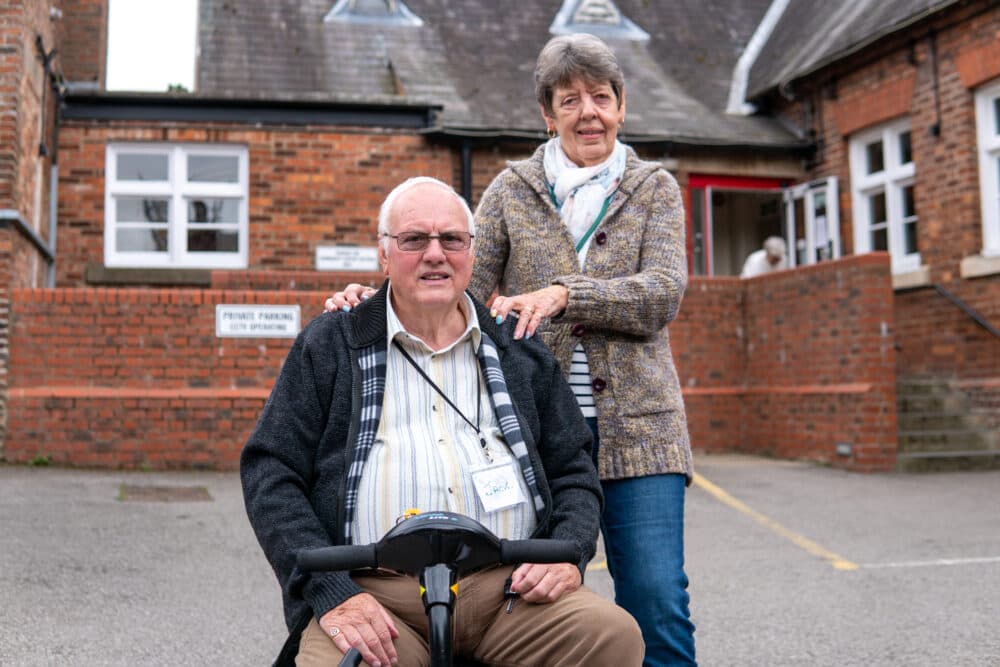
Why Feeling Safe at Home Matters
Feeling safe is not only about practical tasks. It is also about confidence, familiarity, and emotional wellbeing. An older person may feel more settled when they know someone is due to call in, help with the day’s plans, prepare a meal, or simply share a conversation.
Small moments can carry a lot of meaning. A friendly face at the door, help getting ready for the day, or support with household tasks can help home feel calmer and more manageable.
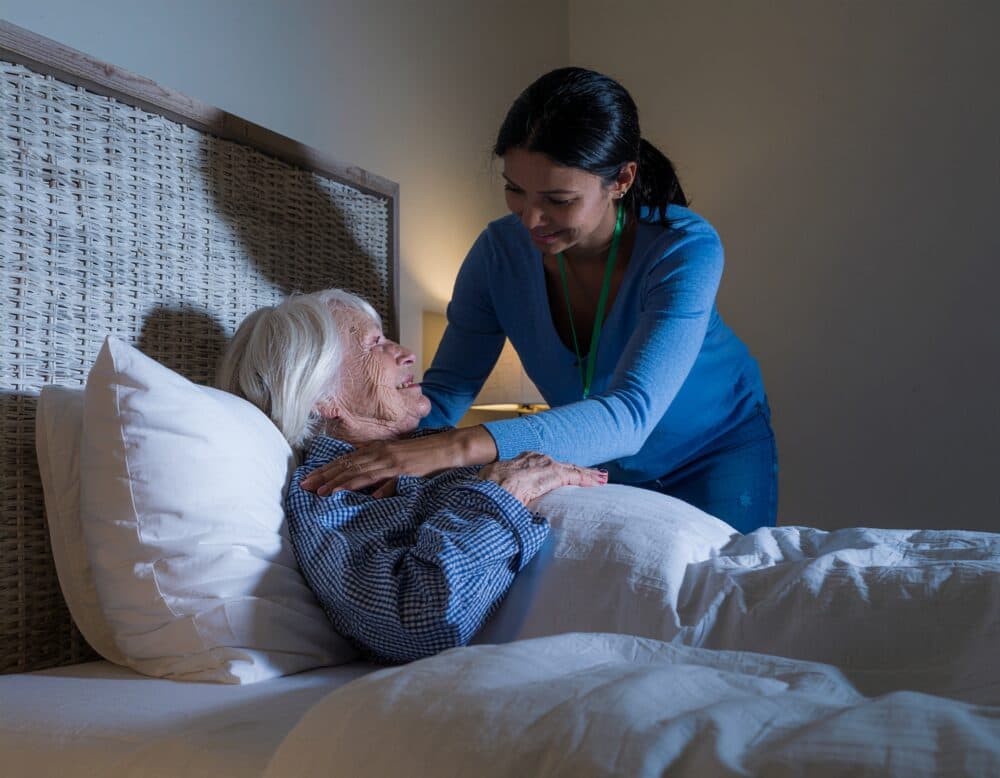
For some older adults, having someone nearby can also reduce the sense of being alone with everyday decisions. A Care Professional can offer gentle prompts, companionship, and practical reassurance without taking over.
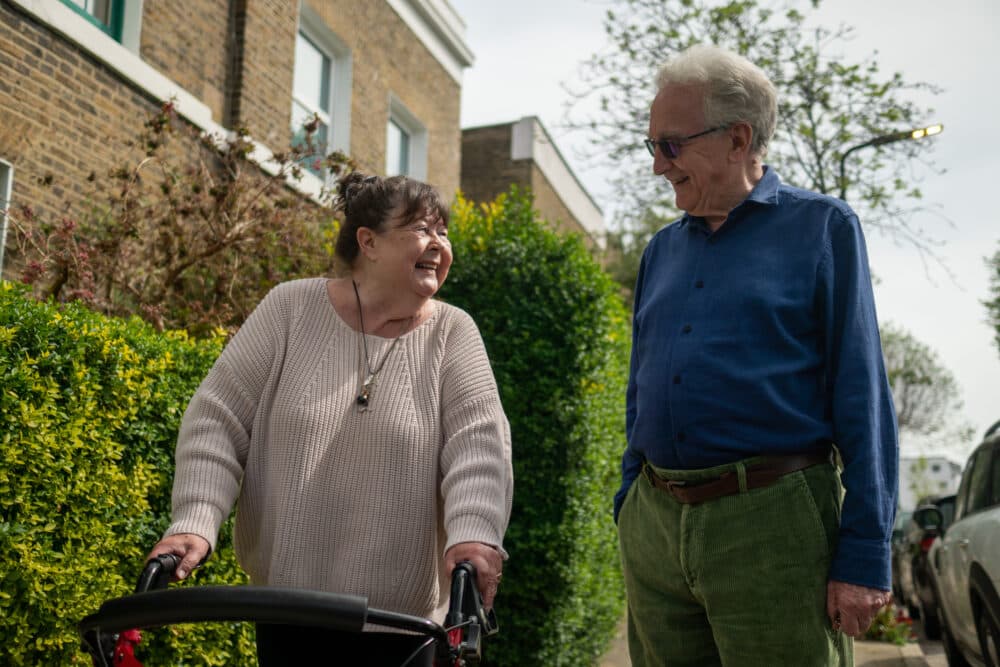
The Comfort of Familiar Routines
Many people feel most at ease when their day follows a familiar pattern. This might include getting up at a preferred time, enjoying breakfast in a certain chair, reading the paper, going for a short walk, or watching a favourite programme.
Private care at home can fit around these routines rather than replacing them. Support can be arranged in a way that respects how someone likes to live. This might include help with:
- Personal care, such as washing, dressing, and grooming
- Meal preparation and support with drinks
- Medication prompts
- Light household tasks
- Companionship and conversation
- Support to attend appointments or local activities
- Help with shopping or everyday errands
When support feels familiar and respectful, it can help older adults remain involved in their own daily choices.
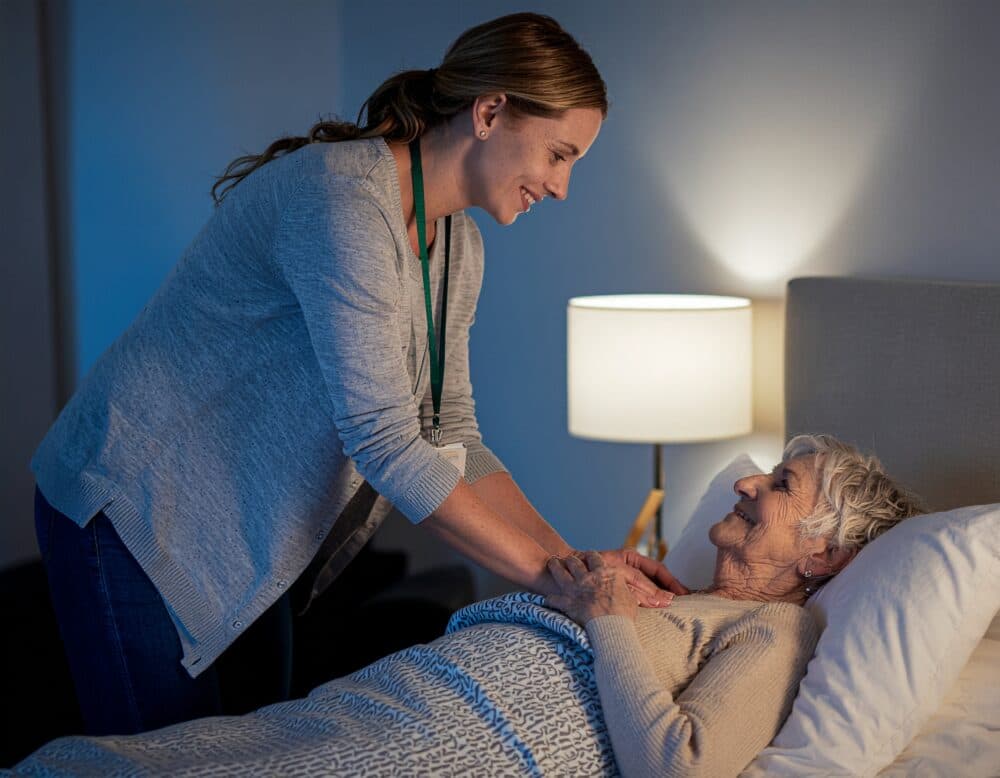
Someone Nearby Can Help Build Confidence
Confidence can change gradually. An older person may begin to feel less sure about certain parts of the day, such as preparing meals, getting ready in the morning, going out, or managing household tasks.
Having a Care Professional nearby can help them continue doing what they can, with support available where needed. This approach respects independence while reducing unnecessary strain.
For example, someone may still enjoy preparing part of a meal but appreciate help with chopping, lifting pans, or clearing away. Another person may like to choose their own clothes but feel reassured by help with buttons, shoes, or getting ready comfortably.
Good care is not about rushing in and doing everything. It is about noticing where support is helpful and encouraging the person to remain as involved as they wish.

Reassurance for Families
Families often want to do as much as they can, but distance, work, caring responsibilities, and everyday life can make it difficult to be there as often as they would like.
Private care at home can help bridge that gap. Regular visits can give families a clearer sense that their loved one has practical help and meaningful contact during the week.
This can be especially helpful when relatives live outside Jodrell Bank, Macclesfield, Wilmslow, Congleton, or nearby communities. Knowing that a local Home Instead Care Professional is visiting can make care feel more connected and consistent.
Families may also appreciate updates and communication, particularly when care needs change over time. This helps everyone feel better informed and supported.
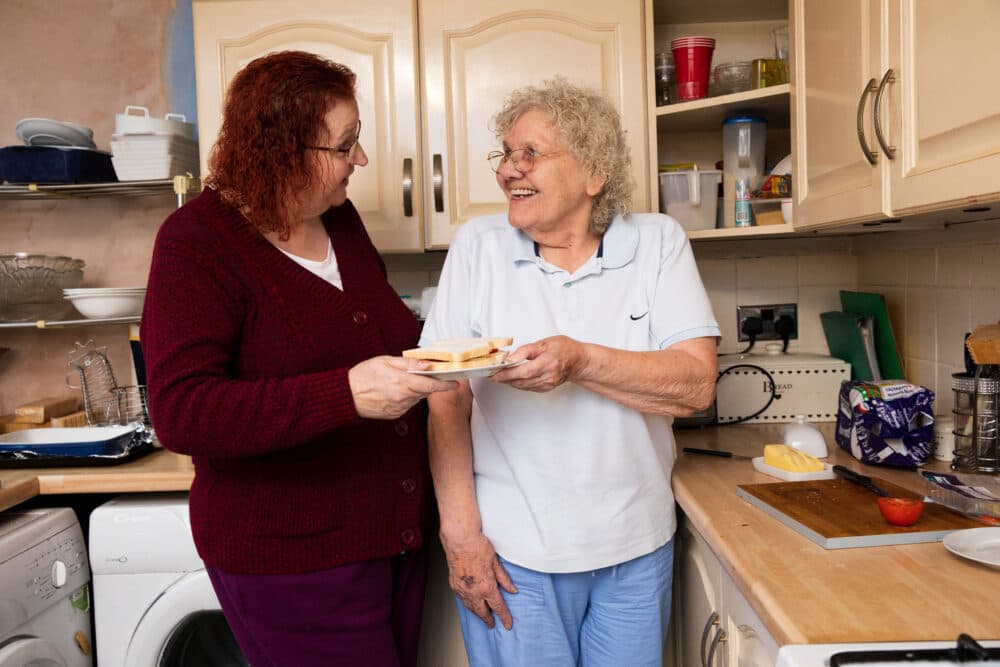
Companionship as Part of Feeling Secure
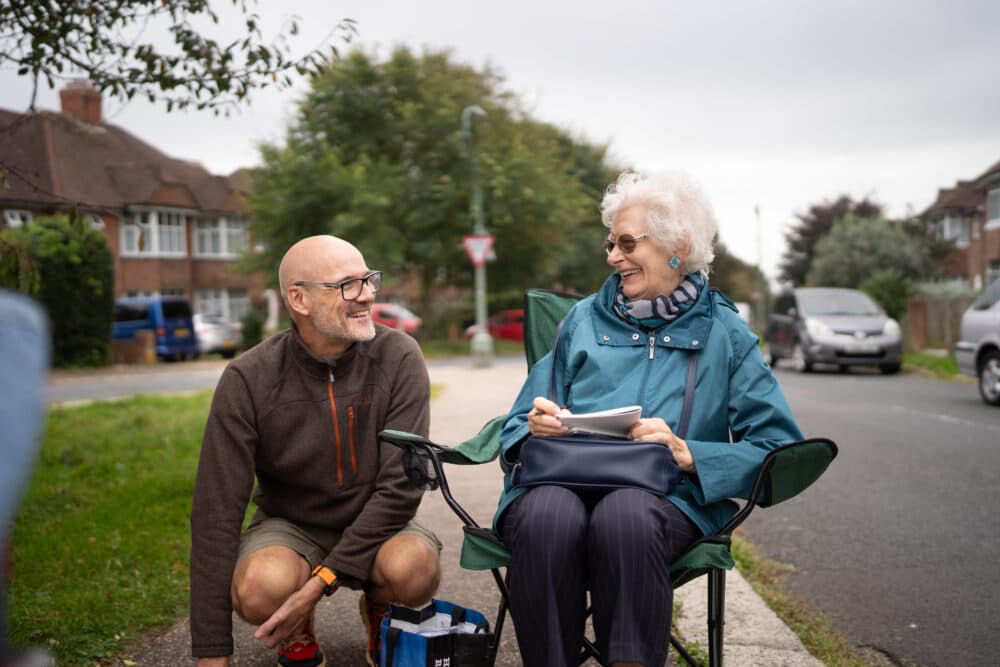
For many older adults, feeling safer at home is closely linked to companionship. Conversation, shared interests, and friendly company can help the day feel more positive and less quiet.
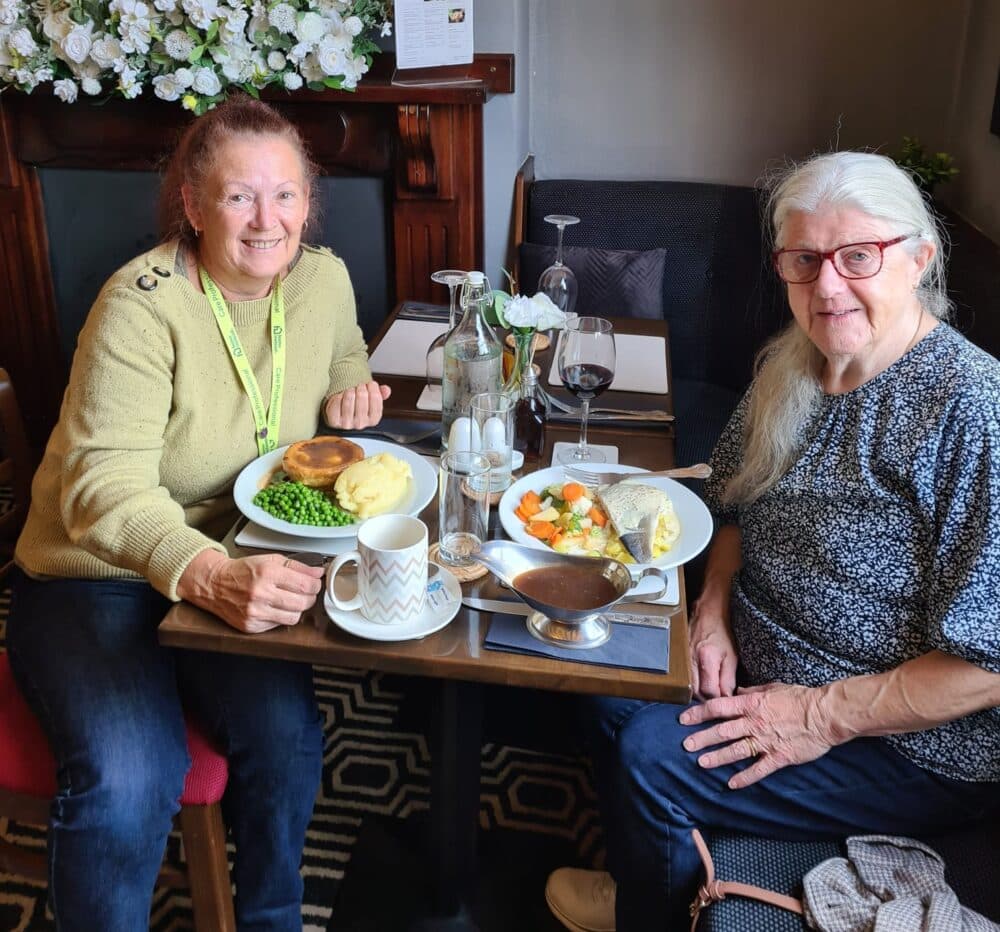
A companionship visit might include a cup of tea and a chat, help with a hobby, support with a walk, or time spent looking through photographs. It may seem simple, but regular social contact can bring structure and warmth to the week.
In rural and semi-rural areas around Jodrell Bank, where homes may be more spread out, these visits can be especially reassuring. Having someone arrive at an agreed time can help the day feel more connected.
Support That Can Change Over Time
Care needs do not always stay the same. Some people begin with a small amount of support, such as companionship or help with shopping. Over time, they may need more regular visits, personal care, or additional help around the home.
Private care at home allows support to be reviewed and adjusted. This means care can remain suitable as circumstances change, without making sudden or unnecessary changes to someone’s way of life.
The aim is to help older adults remain comfortable at home for as long as possible, with support that feels personal, practical, and respectful.
Choosing Private Care at Home in Jodrell Bank
When arranging care, it is natural to have questions. Families may wonder how often visits should happen, what type of support is suitable, or how to talk to an older loved one about accepting help.
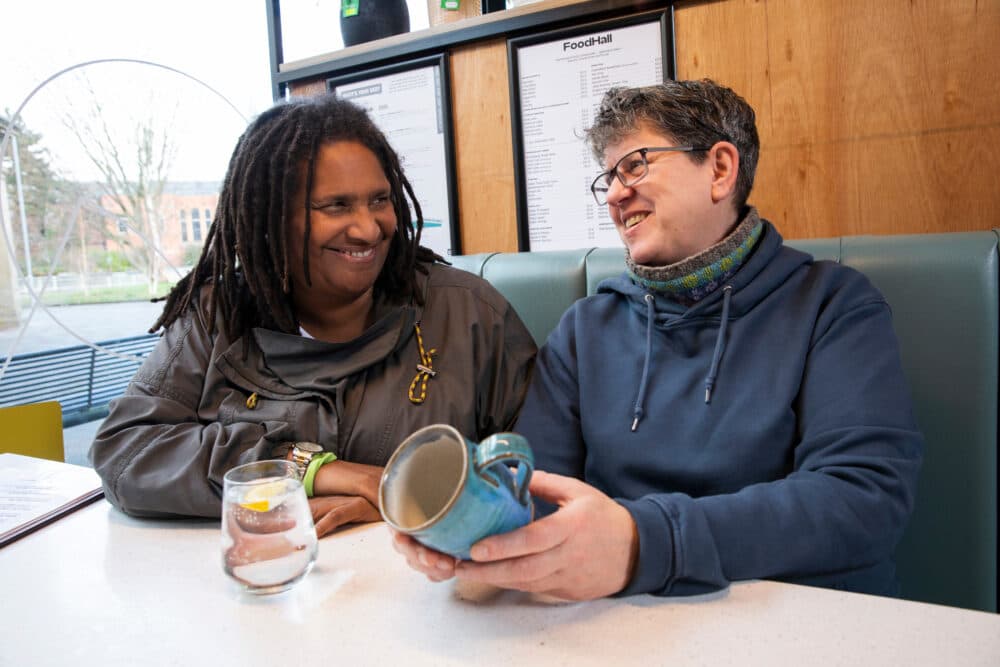
A gentle conversation is often a good place to start. It can help to focus on comfort, independence, and reassurance rather than presenting care as a loss of control. Many older adults respond well when support is framed as a way to keep doing the things they enjoy, with someone nearby when needed.
Home Instead can help families explore what private care at home might look like in practical terms, whether that is a few visits a week or more regular support.

Ratings and Compliance
Home Instead East Cheshire has the following ratings information:
Homecare.co.uk rating: 9.9 out of 10
Profile link: https://www.homecare.co.uk/homecare/agency.cfm/id/65432184386
CQC rating: Outstanding
CQC report link: https://www.cqc.org.uk/location/1-1348699879
These ratings offer factual information for families who want to review the service before making contact.
Your Local Home Instead Team
For families looking for private care at home in Jodrell Bank and the surrounding area, Home Instead East Cheshire offers local support from a team familiar with nearby communities.
Home Instead office name:
Home Instead East Cheshire
Office phone number:
01625 860992
Office website URL:
http://homeinstead.co.uk/East-Cheshire
Google Business Profile link:
https://maps.app.goo.gl/aG7iXLSfroHb6euk9
Areas covered:
Jodrell Bank, Alderley Edge, Macclesfield, Pott Shrigley, Wilmslow, Congleton, Lower Withington, Prestbury, Adlington, Timbersbrook
Postcodes served:
CW12 1, CW12 2, CW12 3, CW12 4, SK10 1, SK10 2, SK10 3, SK10 4, SK10 5, SK11 0, SK11 6, SK11 7, SK11 8, SK11 9, SK12 1, SK9 1, SK9 2, SK9 3, SK9 4, SK9 5, SK9 6, SK9 7
Whether you are planning ahead or feel that a loved one would benefit from extra support soon, the local team can talk through the options clearly and at your pace.

Taking the Next Step
If someone you care about feels more comfortable when another person is nearby, private care at home may offer the reassurance they need while helping them remain in familiar surroundings.
To learn more about private care at home in Jodrell Bank, explore the local Home Instead landing page or contact Home Instead East Cheshire on 01625 860992 for a calm, helpful conversation.
How can we help?
We've helped thousands of families to stay safe, comfortable and happy at home. Whatever situation you're facing, or whatever the question is, Home Instead is here to help.
Are you in need of a little guidance right away?
Other non-care-related enquiries