The Value of Meaningful Companionship

When someone you care about is getting older, it is natural to focus on the practical things first. Meals, medication, mobility, and keeping up with the home can all need a bit more support over time. Yet many families find that what makes the biggest day-to-day difference is something quieter: having the right company.
Meaningful companionship is not about “filling time”. It is about helping a person feel seen, listened to, and connected to the life around them. For many older adults, especially those who live alone, regular conversation and shared routines can bring a gentle sense of reassurance and normality.
Private care at home can include companionship as a central part of support, alongside help with everyday tasks. It allows someone to stay in familiar surroundings while enjoying consistent, friendly contact that suits their personality and pace.

What meaningful companionship looks like in everyday life
Companionship in home care is often simple, and that is part of its value. It can include:
- Sharing a cup of tea and a chat
- Talking through the week ahead and what feels manageable
- Reading together, doing a crossword, or listening to the radio
- A short walk, a garden potter, or sitting outside for fresh air
- Support to attend local appointments or community activities
- Reminiscing and looking at photos, music, or familiar routines
- Encouragement to keep up hobbies that still feel enjoyable
The aim is not to “entertain” someone. It is to offer steady, respectful presence, with time to talk and space to be themselves.

Why companionship matters as much as practical support
It is common for older people to become more socially limited over time. Friends may live further away, driving may no longer feel comfortable, or health changes can make outings more difficult. Even when family visit regularly, there can still be long stretches of quiet during the week.
Meaningful companionship can help by:
- Creating a consistent rhythm to the day
- Supporting confidence with gentle conversation and encouragement
- Reducing the sense of being “on your own” with everything
- Helping someone stay connected to interests, routines, and local life
- Providing another friendly face who notices how someone is feeling
For families, it can also bring reassurance. When you know a loved one has regular, trusted support at home, it can ease the pressure to do everything yourself.

Companionship as part of private care at home
Private care at home is flexible, which means companionship can be shaped around what matters to the individual. Some people want a steady visitor at similar times each week. Others prefer different times, depending on energy levels, appointments, or family plans.
Home care companionship might be part of:
A gentle start to the day
Support in the morning can include breakfast, a chat, help with washing and dressing if needed, and a calm plan for the day ahead.
Lunchtime and afternoon visits
These visits can be ideal for a shared meal, light household help, a bit of time outdoors, or support to keep up with hobbies.
Evening support and winding down
A friendly visit later in the day can help someone feel settled, especially if evenings feel a little long. It may include supper preparation, a chat, and support with bedtime routines.
Support to get out and about locally
For some people, companionship includes a lift to the shops, help attending appointments, or a short outing. In and around Jodrell Bank and the nearby communities, small trips can help someone feel connected to familiar places and routines.
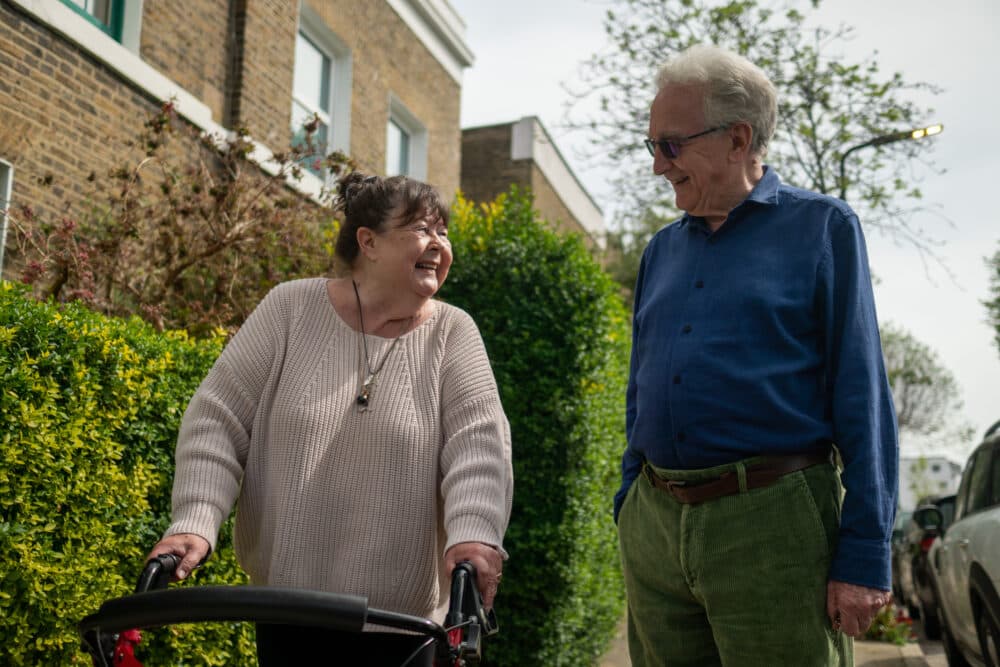
A person-centred approach makes companionship meaningful
Companionship feels most supportive when it fits the person. That means taking time to understand preferences, life history, and the little details that shape a good day.
For example:
- Some people enjoy quiet company and gentle conversation
- Others love discussing local news, sport, gardening, or family stories
- Some prefer routines that stay consistent
- Others like variety, with choices depending on mood and energy
Good companionship respects independence. It offers help when needed, without taking over. It also recognises that dignity matters, whether someone needs minimal support or more hands-on care.

Signs it may be time to consider companionship at home
Every family’s situation is different. Still, there are a few common signs that companionship-focused home care may help:
- A loved one seems less interested in usual activities
- The week feels “long” between family visits
- They are managing at home, but confidence feels lower
- You notice they benefit from conversation and gentle encouragement
- You are supporting them often and it is becoming difficult to balance everything
Choosing companionship is not an overreaction. It can be a thoughtful way to support wellbeing early, while routines are still largely in place.
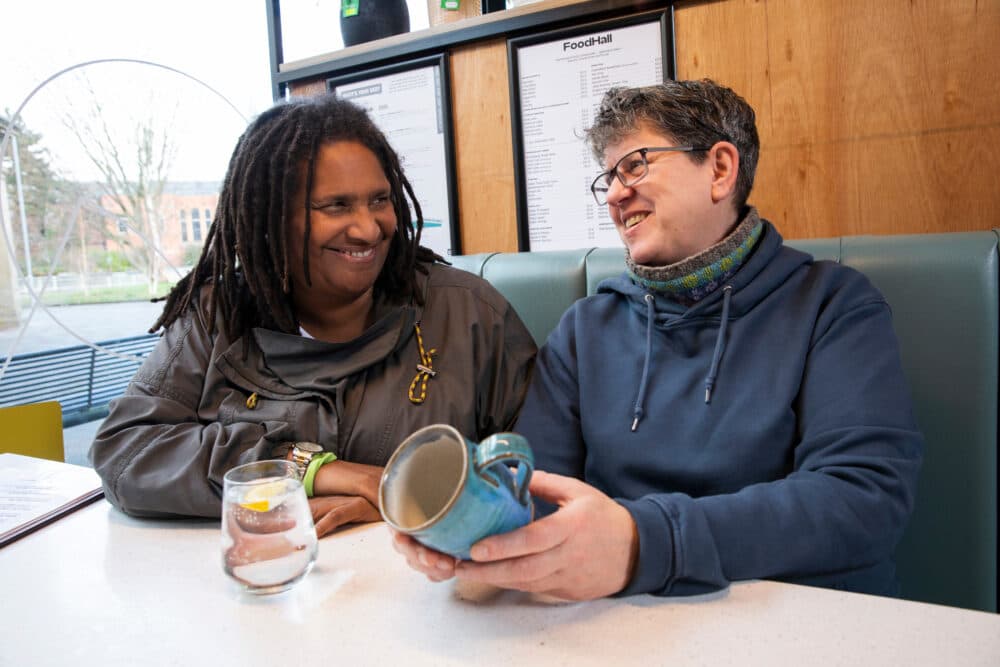
Talking to a loved one about companionship care
It can help to keep the conversation practical and respectful. Some families find it useful to frame companionship as:
- An extra pair of hands at home
- Someone to pop in regularly for a chat and a cup of tea
- Support to keep doing the things they enjoy
- A way to take pressure off family, while staying independent
If your loved one is unsure, it may help to start small, with a short visit once or twice a week, then adjust based on how it feels.

Your Local Home Instead Team
If you are exploring private care at home in Jodrell Bank, your local Home Instead team can talk you through companionship-led support in a calm, practical way. You can ask questions, discuss what feels right for your family, and explore care that fits around familiar routines.
Home Instead office name:
Home Instead East Cheshire
Office phone number:
01625 860992
Office website URL:
http://homeinstead.co.uk/East-Cheshire
Google Business Profile link:
https://maps.app.goo.gl/aG7iXLSfroHb6euk9
Areas covered (towns/villages/communities):
Jodrell Bank, Alderley Edge, Macclesfield, Pott Shrigley, Wilmslow, Congleton, Lower Withington, Prestbury, Adlington, Timbersbrook
Postcodes served:
CW12 1, CW12 2, CW12 3, CW12 4, SK10 1, SK10 2, SK10 3, SK10 4, SK10 5, SK11 0, SK11 6, SK11 7, SK11 8, SK11 9, SK12 1, SK9 1, SK9 2, SK9 3, SK9 4, SK9 5, SK9 6, SK9 7
If you would like to understand how companionship can be part of private care at home, you can explore the local landing page and contact the team for a friendly conversation about options.

Ratings and compliance
Homecare.co.uk rating:
9.9 out of 10
Profile link:
https://www.homecare.co.uk/homecare/agency.cfm/id/65432184386
CQC rating:
Outstanding
CQC report link:
https://www.cqc.org.uk/location/1-1348699879