My Loved One is Refusing a Dementia Diagnosis. What Should I Do?
It’s one of the most difficult situations families face.
You’ve noticed changes in your loved one’s memory, mood or behaviour. You may feel sure that something is not quite right. But every time you gently suggest seeing a doctor, the conversation is shut down.
They say they are fine, they change the subject or they get upset, defensive or angry.
If this sounds familiar, you are not alone. Many families worry about what to do when someone they love refuses to speak to a GP or seek support for possible dementia. Often, what looks like stubbornness is actually fear.
For many older adults, the thought of a dementia diagnosis can feel overwhelming. It may bring worries about losing independence, being judged, or facing a future they do not feel ready to consider. That is why these conversations need to be handled with patience, empathy and care.
Honest Answers From People Who Understand
To help families navigate situations like this, Home Instead Ealing has created a YouTube Dementia Series featuring honest, practical discussions about the questions families ask most.
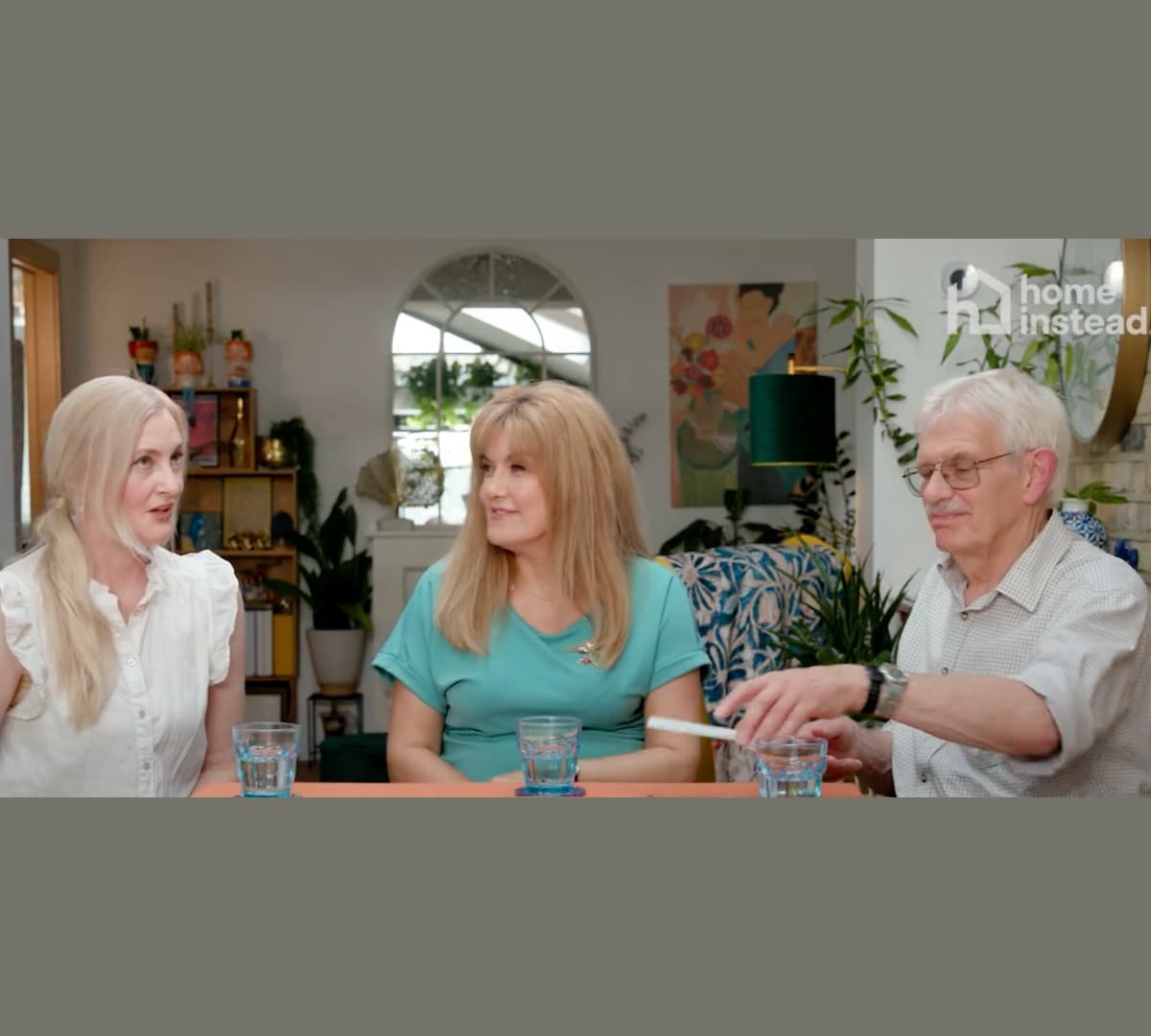
In one of the videos, Consultant Clinical Psychologist Dr Michelle, Home Instead Ealing’s Registered Care Manager Paschalina Pazou, and family carer Tony discuss what to do when someone refuses to seek a diagnosis.
They explain why pressure rarely works, how to return to the conversation gently over time, and why emotional reassurance matters just as much as practical advice.
The panel also discusses the benefits of pre-diagnostic counselling, which can help ease someone’s fears by explaining the process clearly and calmly. In some cases, GPs and memory clinics may even be able to arrange home visits, making assessments feel less daunting.
▶ Watch the full video here: Honest Answers to 9 Common Dementia Care Questions
Why Families Trust Home Instead Ealing
At Home Instead Ealing, dementia care is not an add-on. It is one of the areas we are most deeply committed to.
Our Registered Care Manager, Paschalina Pazou, is an award-winning dementia specialist who has received national recognition for her work. In 2025, she was named Best Dementia Registered Manager at the Dementia Care Awards and also won Dementia Specialist of the Year at the Stars of Social Care Awards.
Paschalina is a trained nurse with a Master’s in dementia care, and her person-centred approach has helped shape how dementia care is delivered across our service. Her focus is not only on safety and routine, but also on dignity, emotional wellbeing and helping people continue to live meaningful lives.
As she often says:
“If a person cannot adapt, then we need to adapt – the environment, the routine, and the way we communicate.”
That philosophy runs through our care, our training and our support for families.
Dementia Care That Focuses on the Person
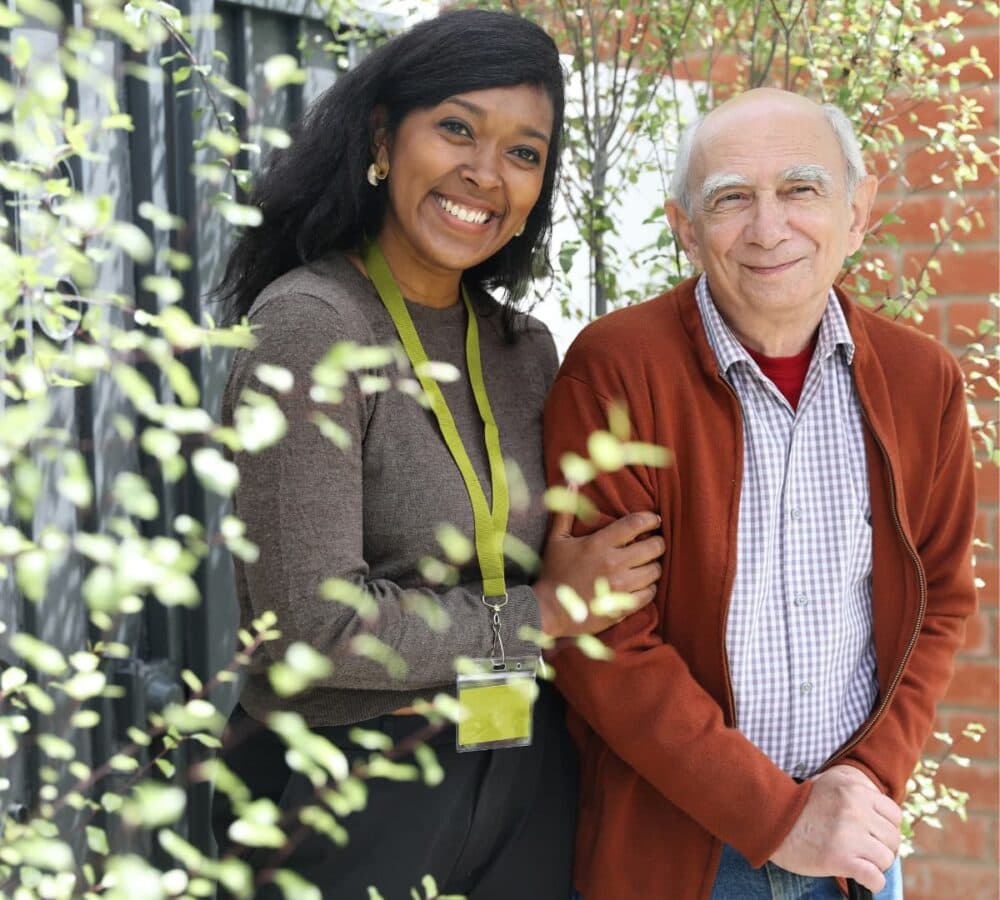
At Home Instead Ealing, every Care Professional receives specialist dementia training. Our approach focuses on consistency, patience and understanding, helping people living with dementia remain safe, comfortable and supported in their own homes.
We also believe language matters. Paschalina is passionate about encouraging families and professionals to speak about someone living with dementia, rather than defining them by the condition. It is a small shift, but an important one. It keeps the focus on the person, not just the diagnosis.
By combining expert knowledge with practical support, we help families feel less alone and more confident in the road ahead.
You Don’t Have to Figure It Out Alone
If your loved one is refusing to talk about dementia, it can feel exhausting and upsetting. But there are ways to approach the conversation that protect both their dignity and your relationship.
Our YouTube series was created to offer clear, compassionate guidance from people who understand both the clinical and emotional side of dementia care.
And if you need more personalised support, our team is here to help.
Need Advice About Dementia Care?
If you are supporting a loved one and want to talk through your options, Home Instead Ealing can help. Call 020 8574 2008 or enquire about our dementia care services here.
FAQs
Why might someone refuse a dementia diagnosis?
Fear, anxiety and stigma are common reasons. Many people worry that a diagnosis will mean losing independence or being treated differently.
How should I raise concerns about dementia with a loved one?
Try to keep the conversation calm and gentle. Avoid pushing too hard, listen to their concerns, and return to the subject gradually over time.
Can someone still live well with dementia?
Yes. With the right support, routines and relationships, many people continue to live meaningful and fulfilling lives.