Dementia Action Week: Helping Someone Live Well With Dementia at Home in Ealing
Dementia Action Week advice for families in Ealing, with home support tips, local memory cafés and specialist dementia care from Home Instead.
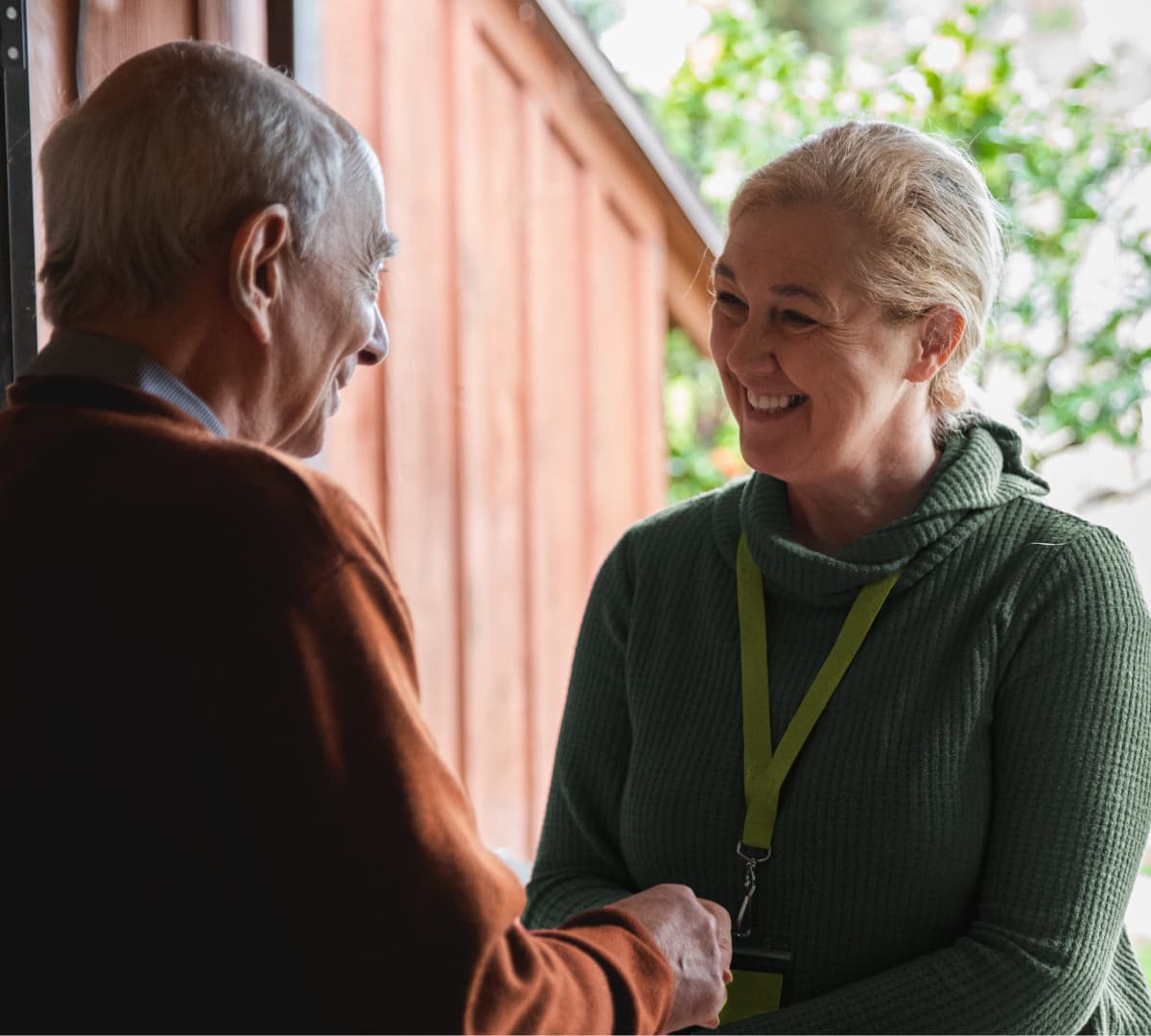
Dementia Action Week takes place from 18 to 24 May 2026, encouraging families to talk about memory changes, ask questions and seek support early. For many families in Ealing, the first worry is often practical: “How can we help our loved one stay safe, calm and confident at home?”
A dementia diagnosis can feel overwhelming, but it does not mean someone stops being themselves. With the right routines, relationships and reassurance, daily life can still hold comfort, meaning and moments of joy.
At Home Instead Ealing, dementia care is led by real expertise. Registered Care Manager Paschalina Pazou has been recognised nationally as Best Dementia Registered Manager at the 2025 Dementia Care Awards and Dementia Specialist of the Year at the Stars of Social Care Awards. Her approach focuses on dignity, emotional well-being, person-centred support and “living for the moment”.
Focus on the Person, Not Just the Diagnosis
Good dementia care begins with understanding the individual. What makes them feel calm? What routines matter? What music, places, memories or hobbies bring comfort?
Paschalina encourages families and professionals to say someone is “living with dementia” rather than defining them by the condition. This small shift helps keep the focus on ability, identity and dignity.
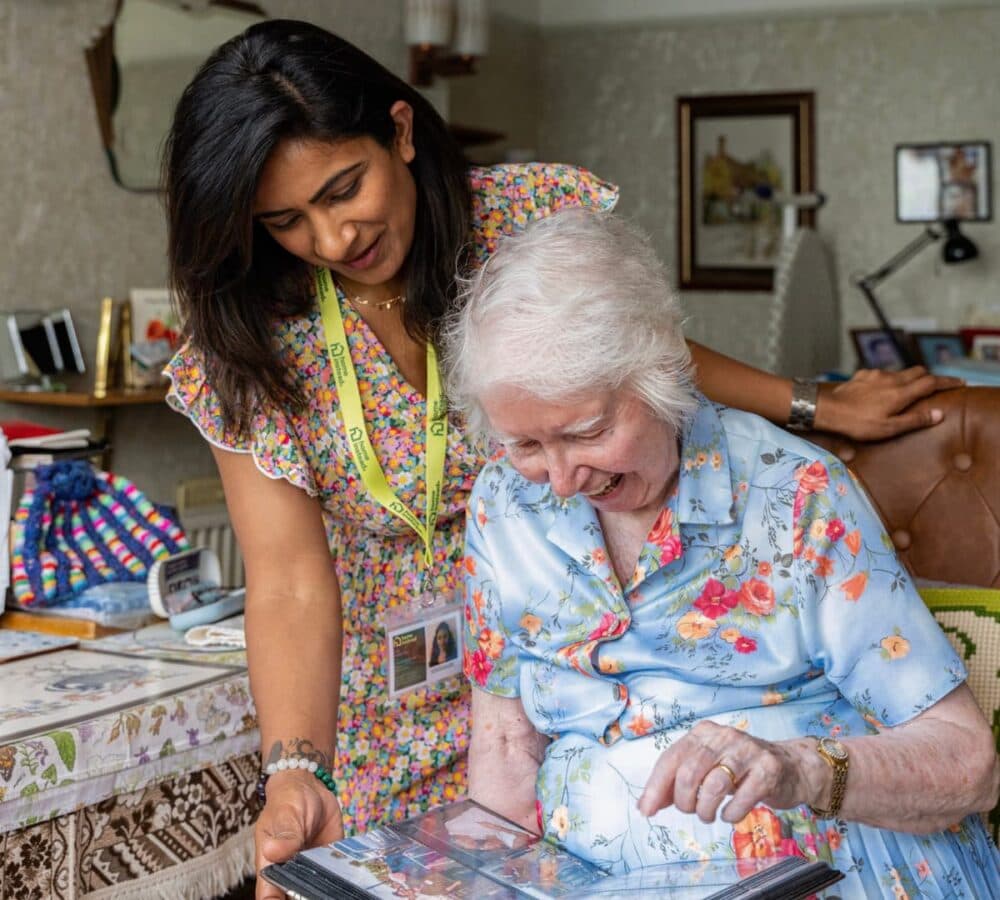
At home, this might mean keeping favourite items visible, maintaining familiar routines, using memory prompts, or adapting the environment so daily life feels easier rather than more restricted.
Small Changes That Reduce Anxiety
A dementia-friendly home does not need to feel clinical. Often, small changes can help someone feel more settled and independent.
Helpful steps may include:
– Improving lighting in hallways and bathrooms
– Removing clutter and trip hazards
– Keeping clocks and calendars visible
– Labelling cupboards, drawers or important rooms
– Leaving everyday items in familiar places
– Reducing background noise during meals or conversations
Repetitive questions, restlessness or frustration are often signs of anxiety. Calm, consistent responses can help. Home Instead Ealing’s guidance encourages families to adapt the environment, routine and communication style around the person, rather than expecting the person to adapt to the situation.
Local Dementia Support in Ealing
Families in Ealing do not have to navigate dementia alone. The Memory Café at St Barnabas Church, Pitshanger Lane, meets every Thursday from 10.30am to 12 noon and offers regular activities including crafts, singing, bingo, quizzes, drama and games, alongside advice about memory issues and where to get help.
Ealing Council also signposts local dementia guidance, including support for carers and advice following diagnosis. For families waiting for answers or adjusting to a new diagnosis, local community support can help reduce isolation and make the next steps feel less daunting.
Alongside dementia care at home, memory cafés, GP guidance and local support services can give families reassurance, information and a stronger sense that they are not facing this alone.
And we’re here at Home Instead with our door open, anytime you need a coffee and a chat.
Asking for Advice Early
If someone is worried about memory changes, it is best not to wait. Speaking to a GP can help rule out other causes, provide reassurance and open the door to support if needed. Keeping notes about changes in memory, mood, behaviour, sleep or routines can be useful during appointments.
Families often worry that asking for care means taking independence away. In reality, the right support can often help someone stay independent at home for longer.
At Home Instead Ealing, Care Professionals are trained to provide patient, consistent and dignified dementia care. Support may include companionship, personal care, meals, medication prompts, respite care, help getting out and about, or simply giving families someone experienced to talk to.
If you are beginning to explore dementia care at home in Ealing, call 020 8574 2008 or enquire online to speak with the local team.
Frequently Asked Questions About Dementia Care at Home
How can I support someone with dementia at home?
Familiar routines, calm communication, visible clocks, reduced clutter, memory prompts, music and reassurance can all help someone feel safer and more settled.
When should we ask for dementia support?
Many families seek support when meals, medication, appointments, personal care, anxiety, sleep or isolation become harder to manage. Early support can make the transition easier.
What local dementia support is available in Ealing?
Support may include the St Barnabas Memory Café, GP advice, Ealing Council dementia guidance, carers’ support and dementia care at home from Home Instead Ealing.