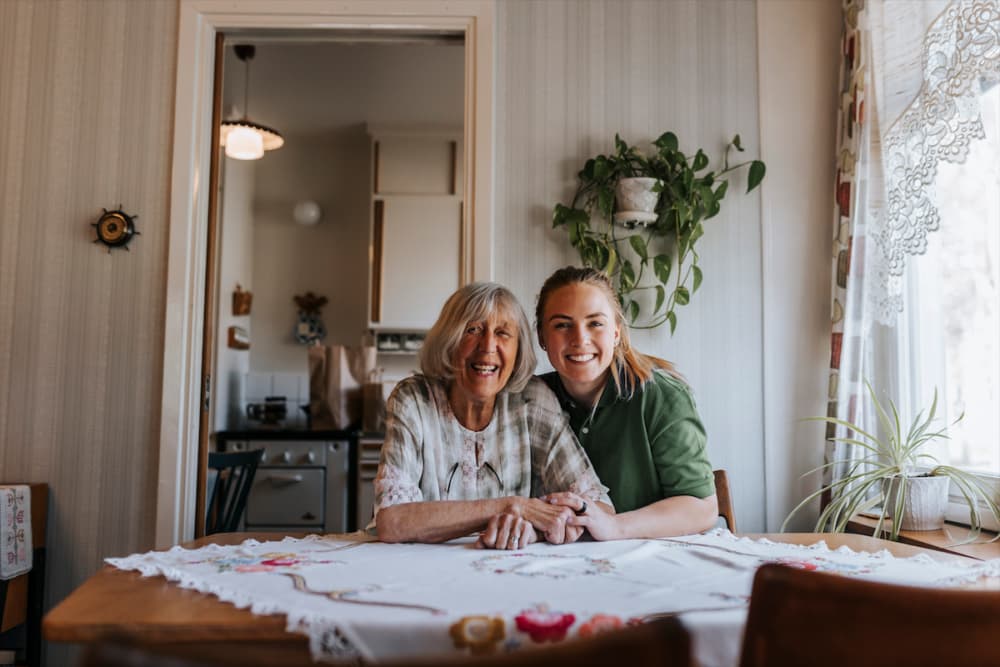
Our dementia care in Dorchester supports clients to stay connected to familiar places and routines across West Dorset, helping them maintain independence and quality of life in their own homes. Every care plan starts with getting to know the person: their preferences, personal history, family relationships, and what a good day looks like for them. Our trained Care Professionals understand that meaningful connections and familiar environments are essential for wellbeing.
Highest regulatory ratingsCare for 18,000+ older peopleRecommended by 95% of our clients 10,000 trained Care ProfessionalsHomecare.co.uk rating 9.6/10
Highest regulatory ratingsCare for 18,000+ older peopleRecommended by 95% of our clients 10,000 trained Care ProfessionalsHomecare.co.uk rating 9.6/10
Why Home Instead?
Personalised dementia care that starts with listening
Your situation is unique – your care should be too. We match our Care Professionals based on their dementia training, interests and personality, so care is always tailored to you.
20 years of trusted experience
We exceed UK regulatory standards, rank highly on Homecare.co.uk, and our qualified Care Professionals are trained to the highest standard so you can have complete peace of mind.
City & Guilds Assured dementia training
Our programme was created exclusively for Home Instead, and developed alongside key dementia specialists. We focus on caring not just for the condition, but for the person behind it.
Compassionate support for complex behaviours
We work to understand your loved one's world so we can join them in it - this helps us keep them safe and calm, provide stimulating activities, and effectively soothe challenging and complex behaviours.
Loading map...
Home care in Dorchester
Home care in Dorchester supports people to live independently and comfortably in the place they know best - home. Enter postcode of the person to find your nearest office and local care team.
Dementia affects each person differently, so every care plan we create reflects someone's specific needs, habits and preferences. For one client, that might mean support with getting dressed each morning in a particular order they've followed for decades. Someone else might need gentle prompting with medication at consistent times. We understand what works best for each individual, recognising that familiar routines often provide comfort and stability.
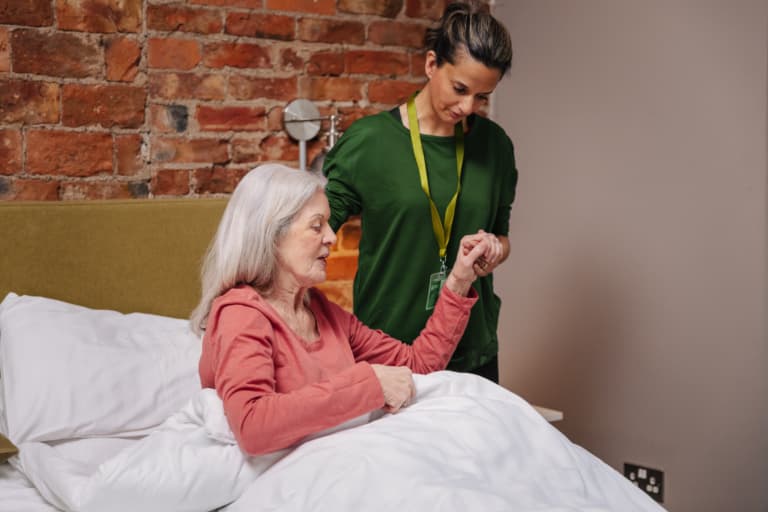
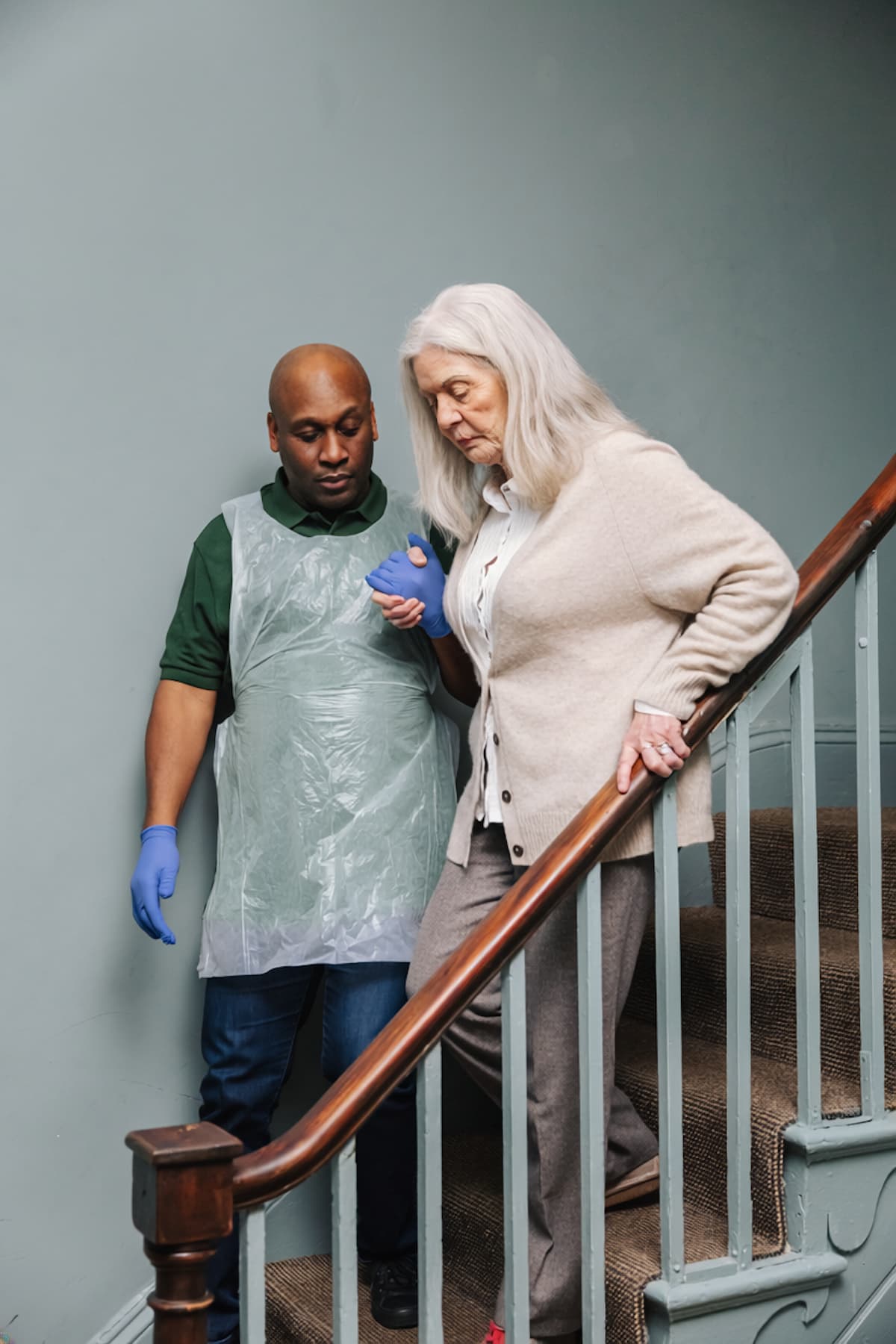
Personal care requires discretion and patience. Our Care Professionals offer support without taking over, following each client's lead whilst keeping things comfortable. They preserve dignity whilst providing the right assistance with washing, dressing or other daily tasks. We're CQC-regulated and our team receives ongoing dementia care training.
At home, small adjustments reduce everyday risks and make daily life easier. Moving a rug that catches a foot, improving lighting on stairs, or rearranging furniture to create clearer pathways all help clients move around with more confidence. Our Care Professionals suggest practical solutions like removing clutter or securing loose carpets.
Whatever your situation, Home Instead can provide quality care to enable your loved one to stay where they belong: at home. Share your details here and one of our friendly advisors will reach out to answer your questions.
Thanks again for the great care you all are giving Mum, from someone so reluctant to accept care now looks forward daily to her Care Professionals. BIG achievement!
Janet, Client's Family
Loading form...
By submitting this form, you consent to Home Instead contacting you about our care services. Your data is handled in accordance with our Privacy Policy. We will never share your information with third parties for marketing purposes.
Our Care Starts With Connection
When someone living with dementia becomes upset or confused, how a Care Professional responds is everything. Our team are trained to stay calm, speak clearly, and give the person time without rushing or correcting them. They understand that patience and reassurance can transform a difficult moment into a more comfortable experience.
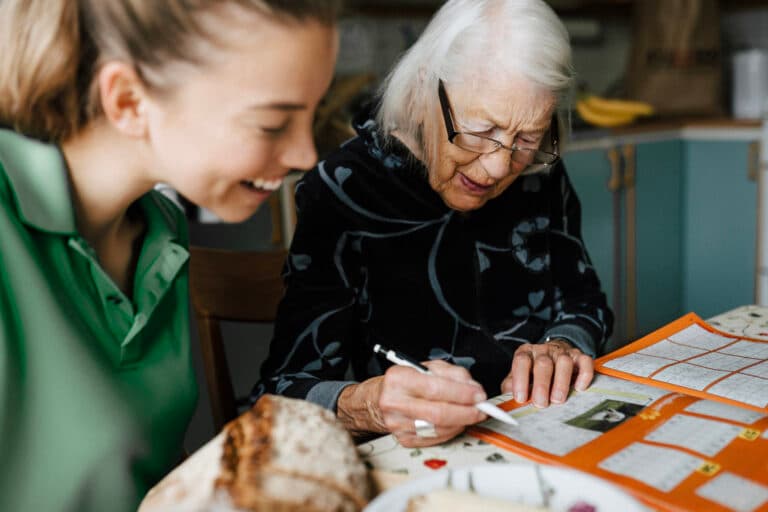
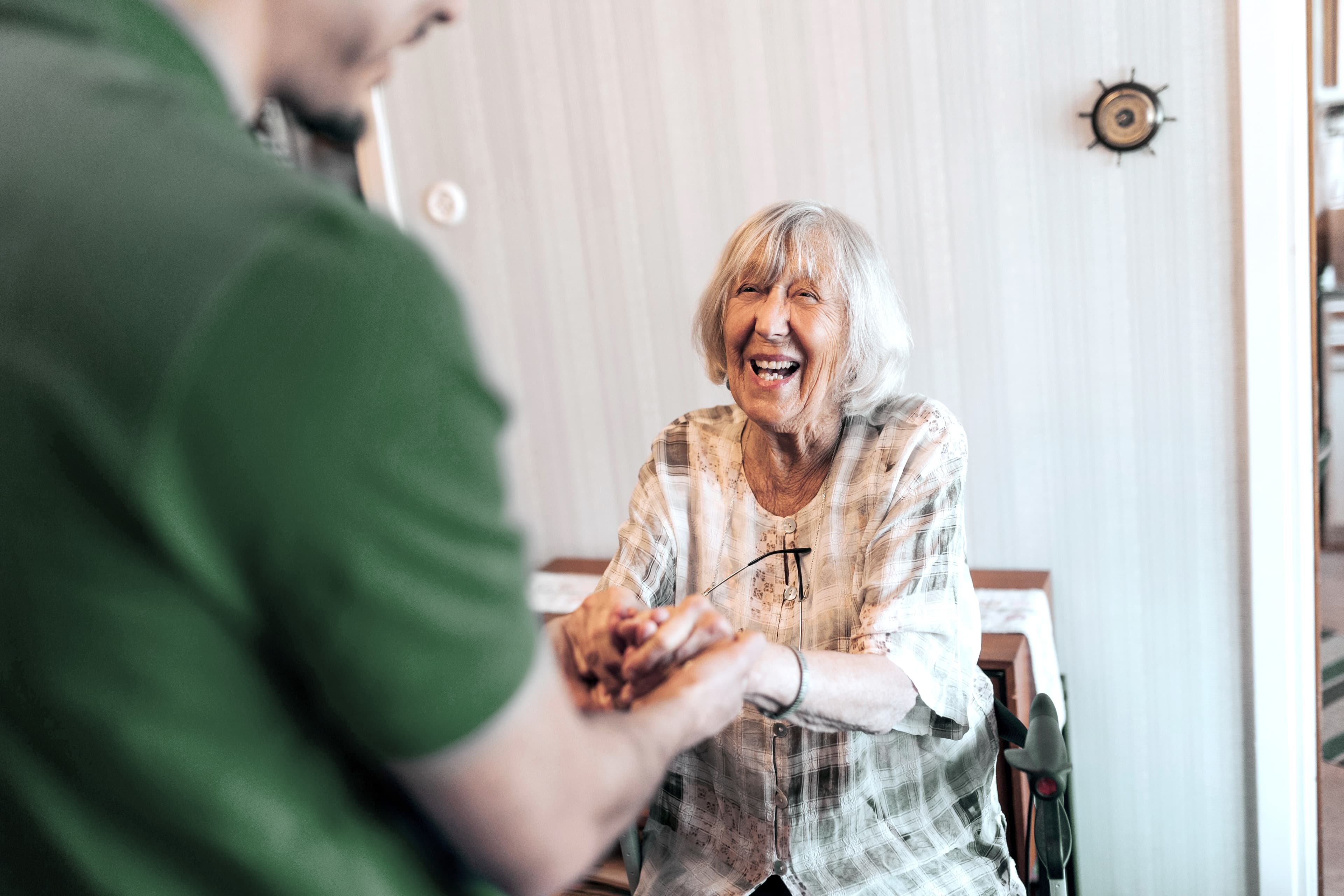
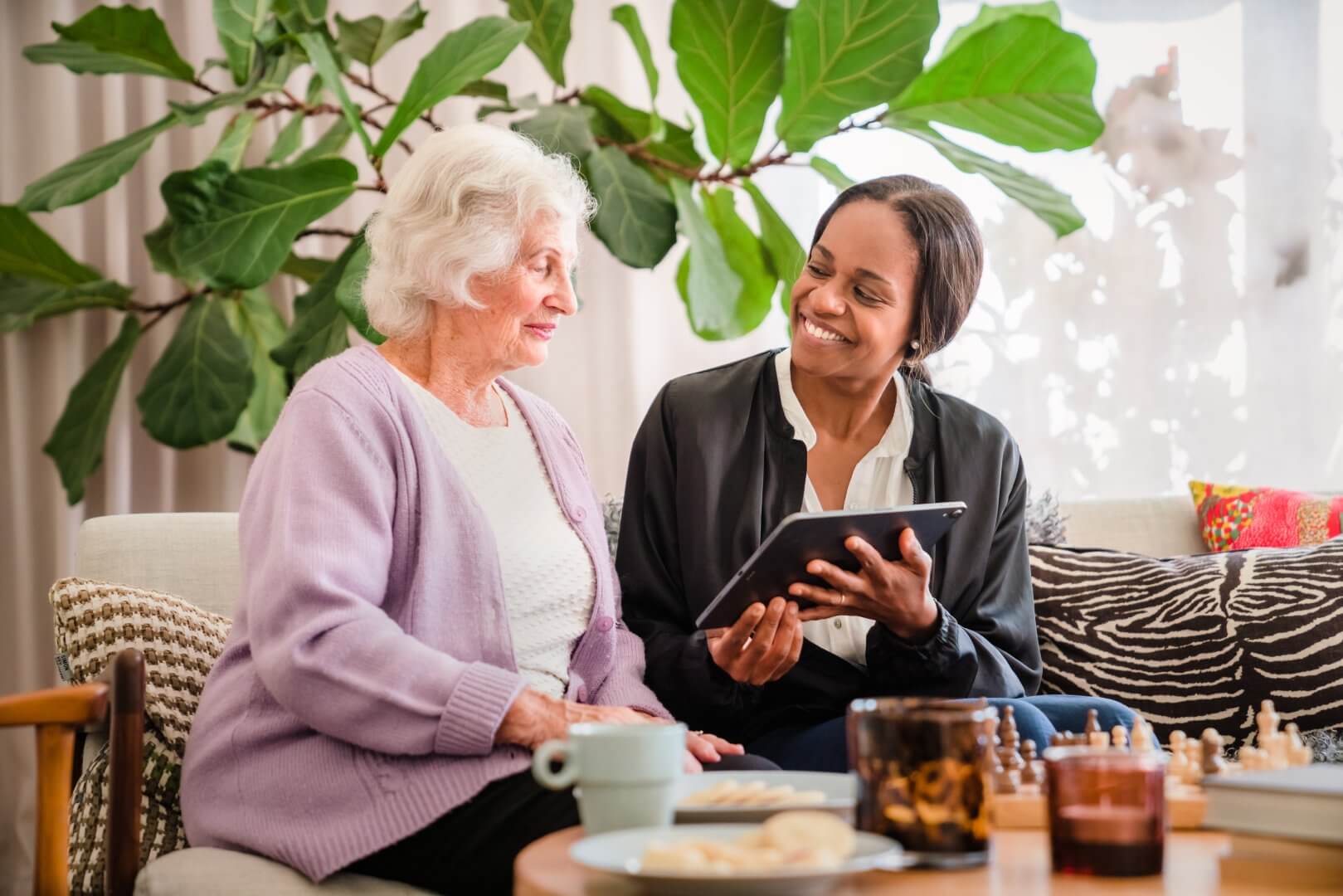
We match each client with a small, consistent team of Care Professionals who visit regularly. This continuity helps build trust and familiarity, which is particularly important for people living with dementia. Over time, our Care Professionals pick up on the small things, like a client who enjoys looking through old photographs or someone who still likes to tend their garden. Matching is based on personality and shared interests, not availability.
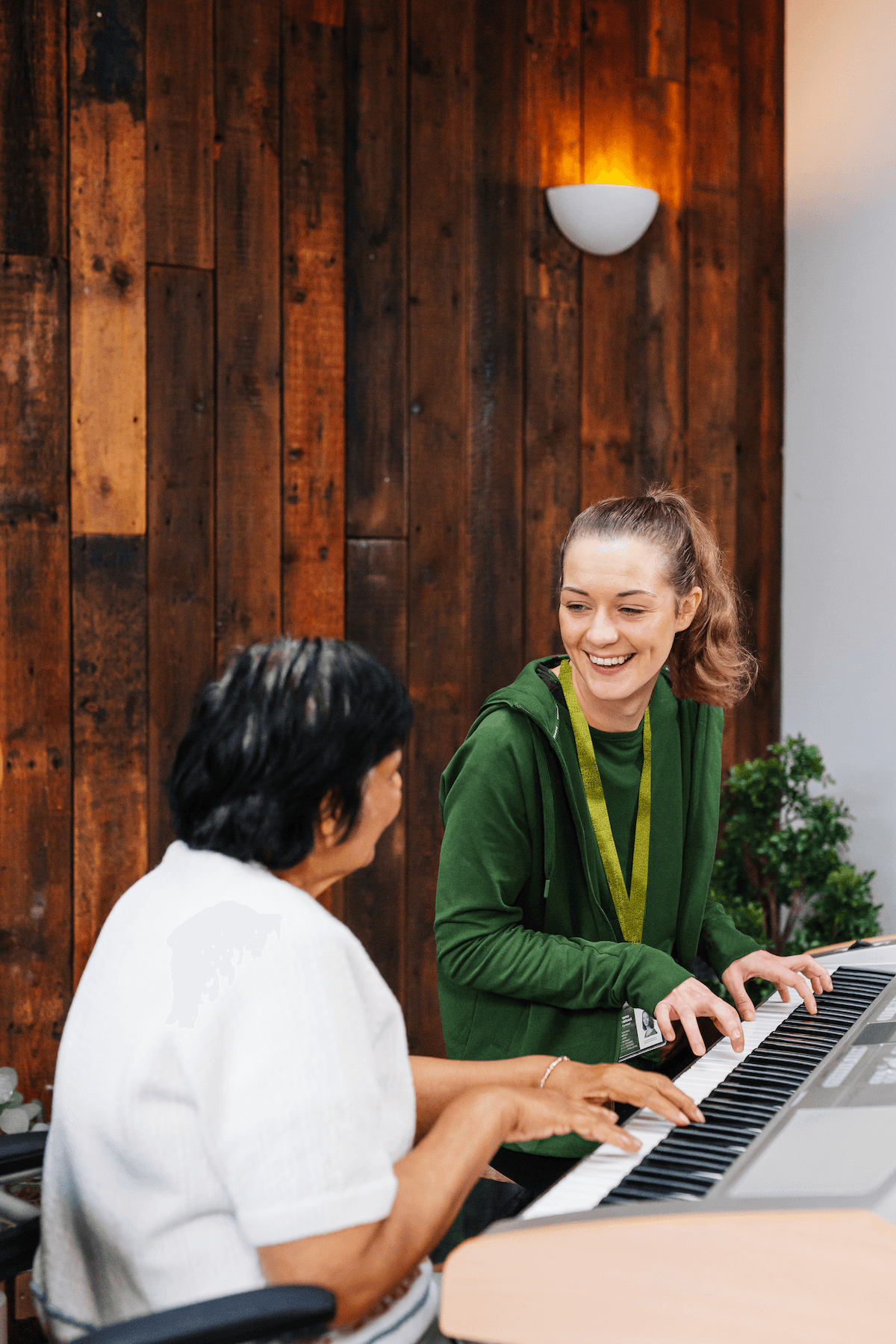
Our comprehensive dementia training programme is City & Guilds-assured, covering communication techniques, understanding behavioural changes, and encouraging engagement through meaningful activities connected to someone's personal history.
Our Home Care Services
We're ready to help you make an informed, confident choice for your loved one, with bespoke and easily-adapted packages designed around their needs.
Hourly Home Care
When your loved one begins to need more frequent support, our flexible home care solutions help them stay safe and independent at home. We don't take a one-size-fits-all approach. Instead, we personalise your experience with responsive, attentive, and genuinely compassionate care, so you can feel reassured they are in capable hands.
We understand how overwhelming it can be to leave your loved one if they live with a condition like dementia, arthritis, or diabetes. Our highly experienced Care Professionals are matched based on their specialist knowledge and expertise, so you can feel content knowing your loved one's health conditions are carefully monitored and managed.
We are proud to be the benchmark for exceptional care, so all of our qualified Care Professionals receive training that goes above and beyond the industry standard. When it comes to complex health conditions, you can rest assured that your loved one's safety and wellbeing is always a top priority.
Our live-in care provides round-the-clock support and offers a welcome alternative to residential care, empowering your loved one to remain independent in the environment they know. With person-centred care from someone they recognise, older individuals can benefit from familiarity, friendship, and a consistent care plan.
Thanks again for the great care you all are giving Mum, from someone so reluctant to accept care now looks forward daily to her Care Professionals. BIG achievement!
Janet, Client's Family
Home Instead provide first class care. My care professionals are patient, kind and very reliable. I am very happy with the service they provide
Paul, Client
As I got older, I realised that this service had made me happy in my own home.
Elisie, Client
Our Dorchester Team is With You Through Every Step
As dementia progresses, the level and type of support someone needs will change. We help families plan ahead through regular care plan reviews, looking at what's working and what might need adjusting in the weeks and months ahead. Where it's helpful, we coordinate with GPs, pharmacies and other health professionals to keep everyone informed.
We keep communication with families straightforward and consistent. You'll receive regular updates about how things are going, and our team is available to answer questions or talk through concerns as they come up. We share information early so families aren't left guessing.
If a client starts finding evenings more unsettling, for example, we can increase support during those hours or introduce a new routine that helps them settle. Our dementia care in Dorchester adapts as things change, with the same attention to the person's individual preferences and history that was there from the start.
Our dementia care in Dorchester is designed by experts and is City & Guilds Assured, so you know your loved one is receiving only the very best care. Our Care Professionals focus on creating an environment that's calm and consistent, while maintaining dignity and familiar routines to reduce confusion and keep clients comfortable.
Having someone stay in your home to provide care can feel daunting, but our live-in care solutions help to bring older adults more independence and enjoy a greater sense of wellbeing. If you value the peace of mind that comes with knowing there is always someone nearby, live-in care in Dorchester could be an excellent alternative to a care home.
The right support is crucial when managing pain and end-of-life care. Our palliative care focuses on dignity and enables your loved one to remain in the place they feel happiest. We provide considerate palliative care in Dorchester, so you can spend more meaningful moments together while we carefully manage their pain and comfort.
Taking a break from caring can feel impossible if your loved one is lonely or has challenging health conditions, but our respite care in Dorchester is designed to step in with dependable care at any time. Whether you're recharging your batteries or managing other commitments, our Care Professionals can provide reliable support, so you can take time to yourself without disrupting routines.
Discover personalised, flexible personal care for older adults in Dorchester, from compassionate Care Professionals focused on encouraging independence.
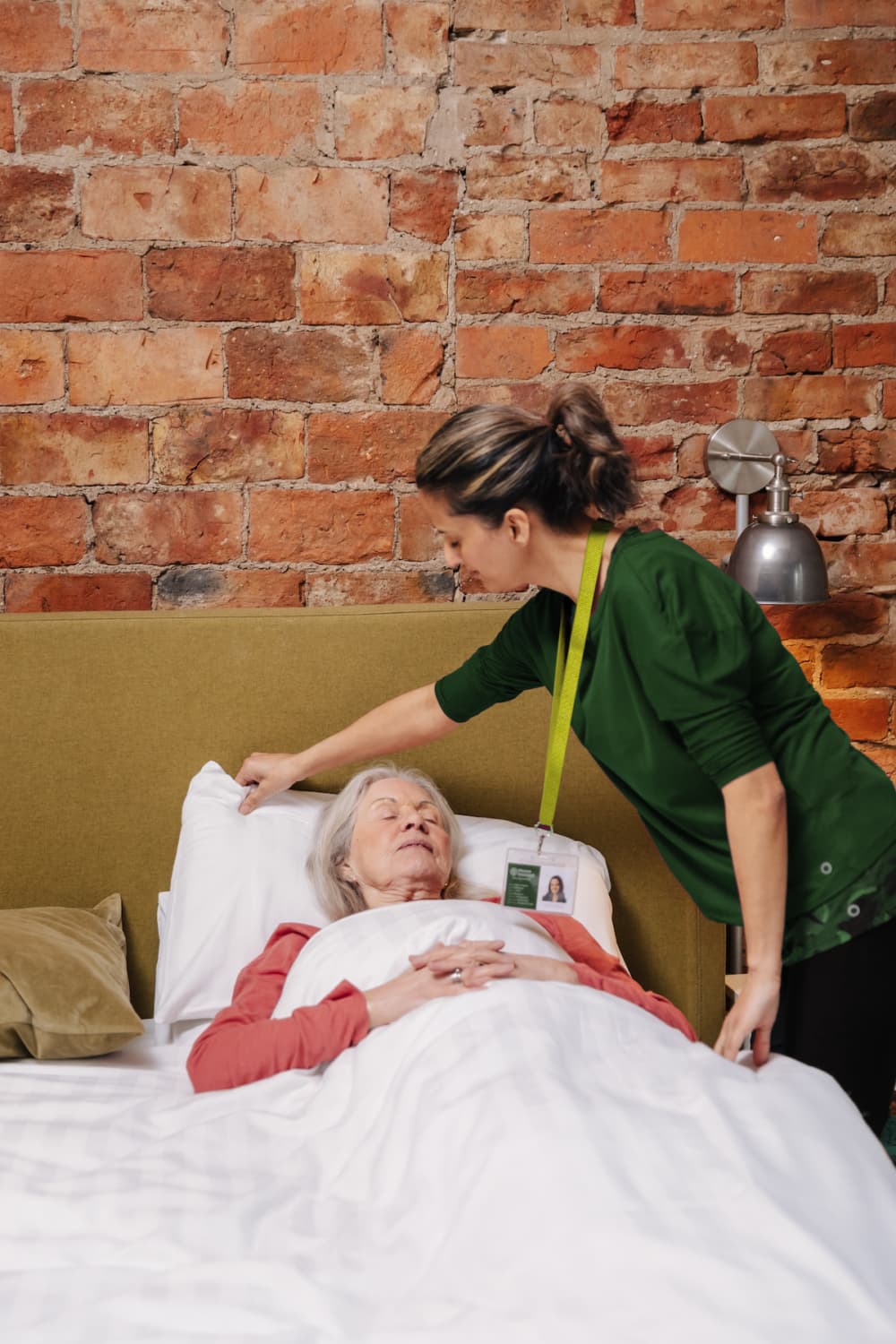
Discover personalised, flexible overnight care for older adults in Dorchester, from compassionate Care Professionals focused on encouraging independence.
Discover personalised, flexible overnight care for older adults in Dorchester, from compassionate Care Professionals focused on encouraging independence.