What comes after hospital?
Planning a Safe and Supported Recovery at Home

Have You Thought About What Comes Next After a Hospital Stay?
Leaving hospital can be a relief, but it also comes with many questions. Will you need extra support? How will you manage daily tasks? What if you don’t feel ready to be on your own?
At Home Instead Home Care & Live-in Care Dorchester, we understand that the transition from hospital to home can be overwhelming. That’s why we’re here to help you navigate the next steps and ensure you have the right support in place.
Learn more about how we can assist with your recovery here: Home Instead After-Care Services.

Understanding the Hospital Discharge Process
Hospital staff will determine when it is safe for you to leave, but what happens after that depends on your circumstances. Before discharge, discussions will take place to assess:
- Your estimated discharge date.
- Whether you will return home or require a temporary stay in a care home or community hospital.
- How you will get home.
- Whether you need additional support when you arrive.
Family members and carers can be part of these discussions if you wish. It’s also useful to have a key safe installed or leave a spare key with a trusted person so care teams can access your home if needed.

Preparing for Your Return Home
If you can manage independently but need some support, hospital staff will ensure:
- Someone can take you home.
- You have any prescribed medication and understand how to take it.
- Your GP is informed about any new treatments or care requirements.
- You know about follow-up appointments and additional care arrangements.
Local voluntary organisations may also offer short-term support if necessary. Planning ahead reduces stress and ensures a smooth transition.

Short-Term Support: Reablement and Intermediate Care
After a hospital stay, you may need temporary care to help regain your confidence in daily tasks such as cooking, dressing, and moving around safely. This is called reablement or intermediate care.
Benefits of Reablement Care
- Supports recovery and reduces hospital readmission.
- Encourages independence.
- Provides professional assistance for short-term needs.
In some areas, reablement care is free for up to six weeks. Hospital staff can advise on availability. Most people require this support for one to two weeks, but the duration varies. Find out how our dedicated team can support your recovery at home: Home Instead After-Care Services.

What If You Need Long-Term Support?
If recovery takes longer than expected, a care needs assessment can help determine the next steps. Conducted by the local council, this assessment evaluates whether ongoing support is necessary and what financial contribution may be required.
Services Available Include:
- Home carers to assist with daily tasks.
- Equipment or modifications to improve safety and mobility.
- Day care centres or social activities for additional support.
A personalised care plan will be developed to suit your needs and help maintain independence.

Addressing Concerns About Hospital Discharge
If you feel you are being discharged too soon or without proper support, you have the right to raise concerns. You can:
- Speak to the hospital discharge team.
- Contact the Patient Advice and Liaison Service (PALS).
- Seek help from charities like POhWER, which specialise in NHS health complaints.
You should never feel pressured to leave hospital before it is safe.

What to Do If Care Has Not Been Arranged
If you find yourself at home without the necessary support, contact social services immediately. While hospitals are responsible for discharge planning, they do not arrange long-term care. Social services can:
- Provide temporary care while long-term options are assessed.
- Reassess your needs if circumstances change.
- Offer advice on financial assistance.

Support Available After a Fall or Short Illness
Not all recoveries require a hospital stay, but support may still be necessary. GP surgeries and social services can arrange home care to prevent further health complications and promote recovery.
If you are struggling with everyday tasks such as dressing, preparing meals, or moving around, a needs assessment via GOV.UK can help determine what support or equipment may be beneficial.

The Role of Health and Social Care Teams
A multidisciplinary team may be involved in your aftercare, ensuring a well-rounded approach to recovery. This team may include:
- Nurses for medical support.
- Occupational therapists to help with mobility and daily tasks.
- Physiotherapists for movement and strength recovery.
- Speech and language therapists for communication or swallowing difficulties.
- Social workers to coordinate services.
- Carers for practical assistance.
- Doctors to oversee health management.
These professionals work together to set personalised recovery goals and provide the necessary support.

What Happens When Aftercare Ends?
Once temporary support concludes, discussions will determine whether further assistance is needed. This may include:
- Arranging ongoing home care or social services.
- Providing guidance on accessing future support.
- Reassessing care needs if circumstances change.
It’s important to stay informed about available resources and communicate with professionals if further help is required.

Home Care vs. Residential Care: What’s Best for You?
Many people assume that long-term care means moving into a care home, but home care is often a better option. Staying at home with professional support offers many benefits, including:
- One-to-one personalised care.
- Comfort and familiarity of home surroundings.
- Maintaining independence with family support.
- Lower risk of hospital readmission.
Choosing a high-quality home care provider ensures continuity of care and peace of mind, knowing that care is delivered by trained professionals.

Finding the Right Home Care Provider
When selecting a home care provider, consider:
- The level of training and expertise of carers.
- Whether the provider is fully regulated.
- Availability of clinical experts.
- Use of technology for care monitoring.
- Consistency and continuity of carers.
A reputable provider will ensure carers are well-matched to clients, trained to manage complex conditions, and supported by healthcare specialists. Live-in care is also available for round-the-clock assistance at home.

Planning Your Care After Hospital Discharge
Understanding your options and making informed decisions can significantly impact your recovery. To ensure a smooth transition:
- Discuss your needs with hospital staff as early as possible.
- Arrange assessments for care and financial support.
- Explore home care providers to find the right fit.
- Ensure support is in place before discharge to avoid delays.
If you are funding your own care, independent financial advice can help manage care costs effectively.
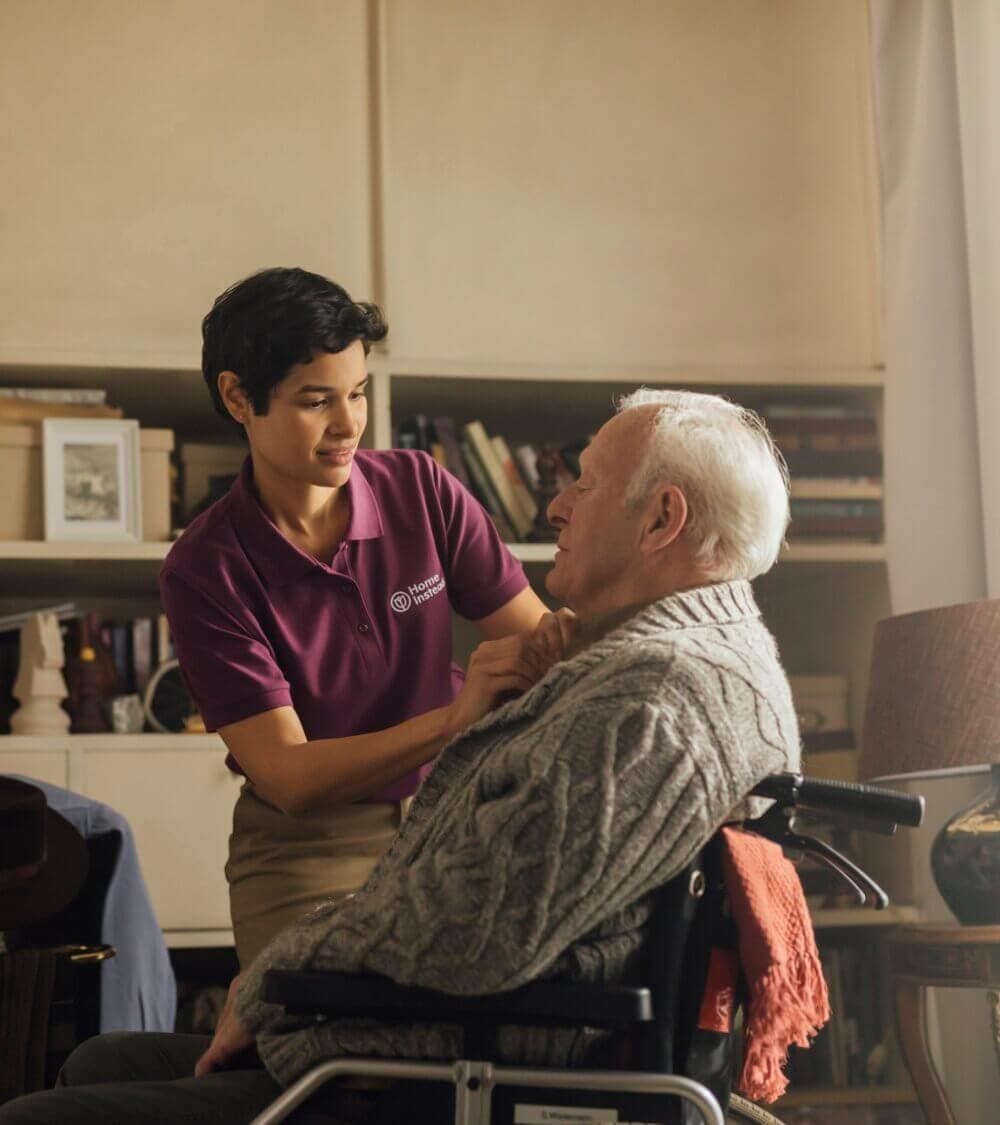
Need Support? We’re Here to Help
At Home Instead Home Care & Live-in Care Dorchester, we provide high-quality personalised home care to support your recovery. Whether you need short-term assistance or long-term care, our experienced team is here to help.
For more information on hospital discharge planning and home care services, contact us today.
☎ Call Home Instead Dorchester: 01305 239289
🌐 Visit our website: https://www.homeinstead.co.uk/dorchester/

Areas We Serve
Dorchester, Weymouth, Cerne Abbas, Charminster, Puddletown, Abbotsbury, Portland
BH15 4, BH16 5, BH16 ,6 BH17 7, BH18 8, BH18 9, BH19 1, BH19 2, BH19, 3 BH20 4, BH20 5, BH20 6, BH20 7, DT1 1, DT1 2, DT1 3, DT2 7, DT2 8, DT2 9, DT3 4, DT3 5, DT3 6, DT4 0, DT4 7, DT4 8, DT4 9, DT5 1, DT5 2
31 High W St, Dorchester DT1 1UP, UK