The Impact of Regular Social Interaction on Well-being at Home
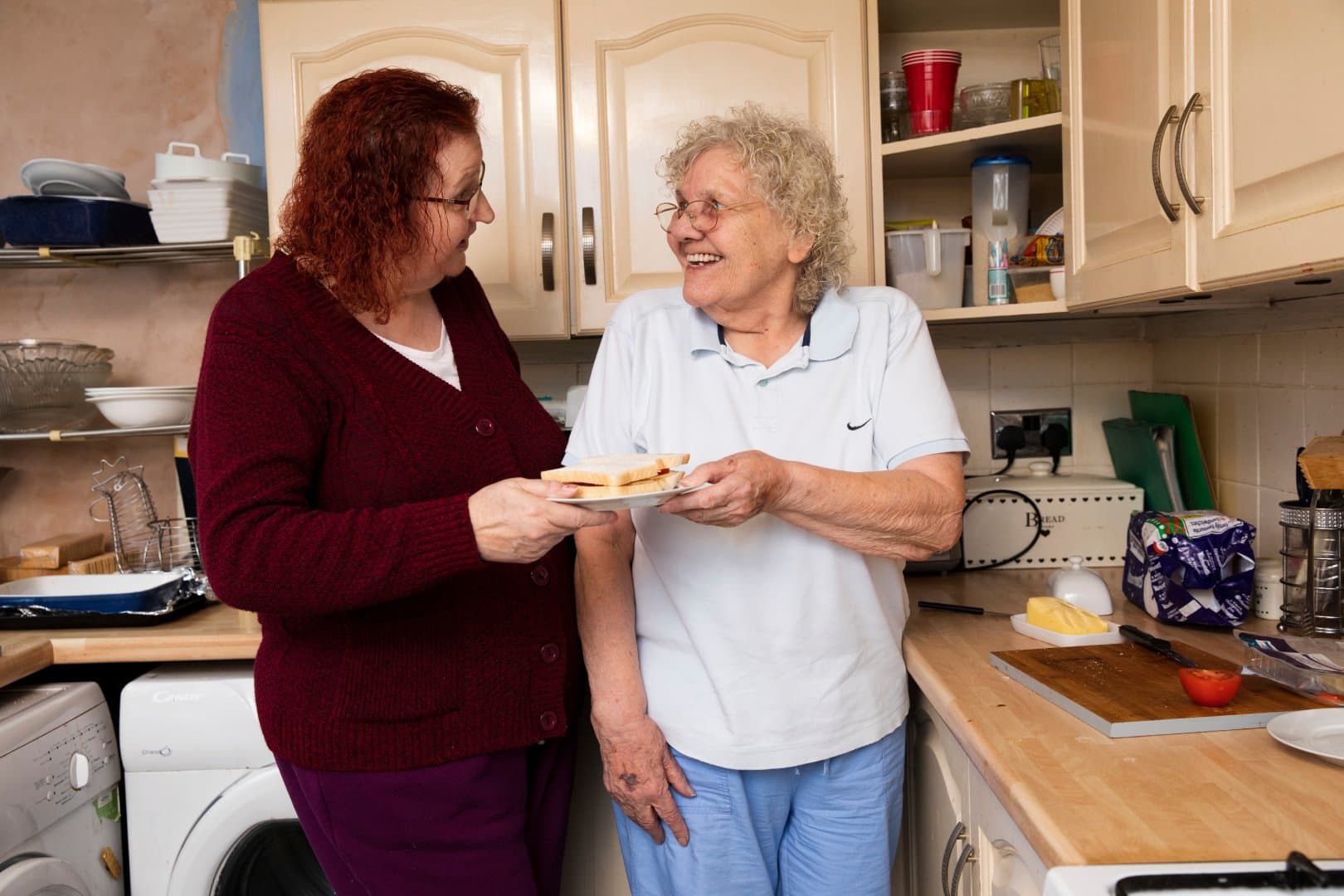
Spending time with other people is a normal, valued part of life, and it remains important as we get older. Yet many people find that social contact becomes less frequent over time. Retirement, bereavement, health changes, or no longer driving can all make it harder to pop out for a chat or keep up with familiar routines.
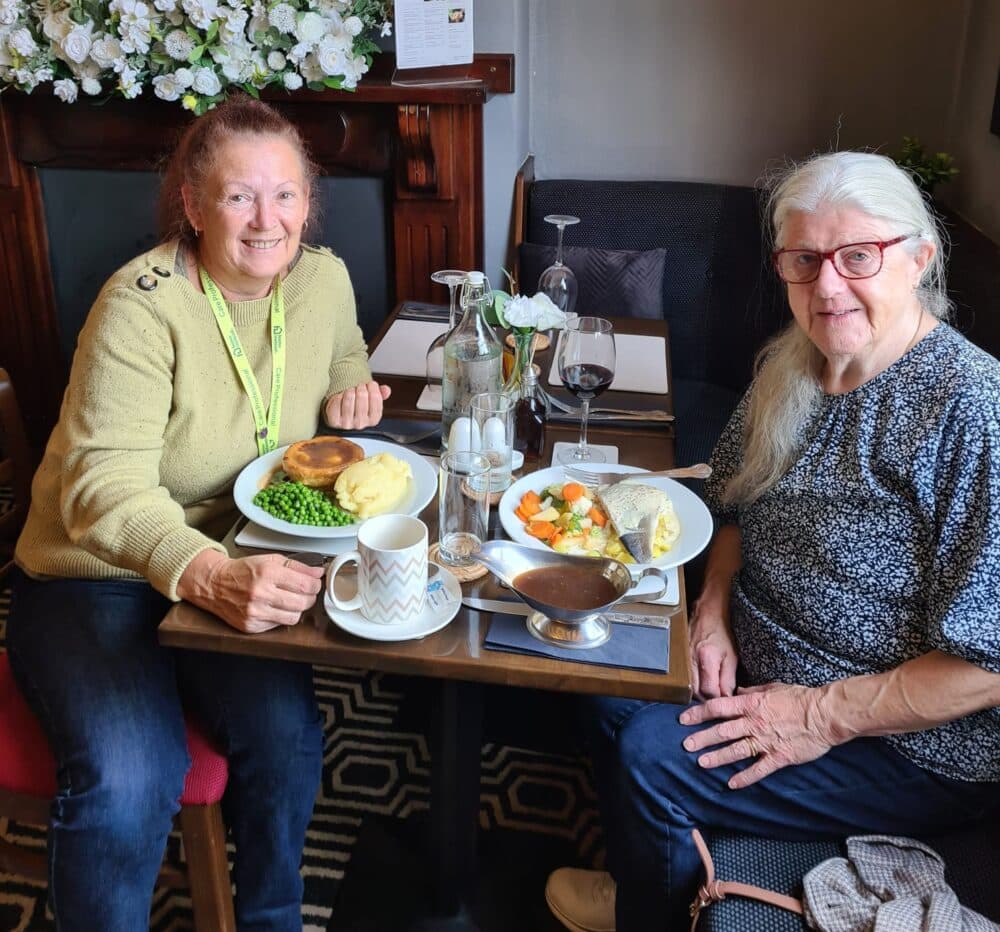
For individuals receiving private care at home, regular social interaction can make daily life feel more settled, more connected, and more enjoyable. It is not about being busy all the time. It is about having consistent, friendly contact that supports confidence and comfort at home.
This article looks at how everyday social interaction can support well-being, along with practical, gentle ways to build it into home life in Wareham and nearby communities.

Why Social Connection Matters for Well-being at Home
Social interaction supports well-being in simple but meaningful ways. A conversation over a cup of tea, sharing a story, or having someone alongside you while you prepare lunch can help the day feel more structured and less tiring.
Regular social contact can support:
Emotional well-being: Feeling heard and understood can bring reassurance, especially during periods of change.
Confidence at home: When someone feels less alone, they may feel more comfortable doing familiar tasks or keeping up routines.
A sense of identity: Talking about interests, memories, and everyday life helps people feel like themselves, not just someone who needs support.
Motivation: A friendly prompt can make it easier to get dressed, eat well, or take part in light activities.
For many families, it is also reassuring to know that a loved one has regular, reliable companionship as part of their care at home.
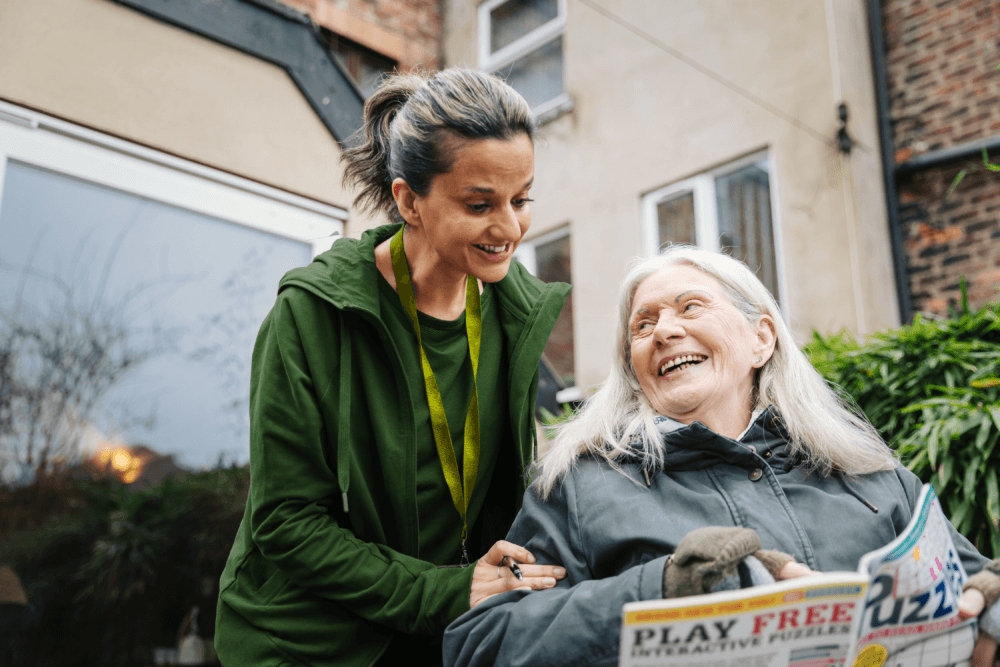
The Difference Between Being Alone and Feeling Lonely
Some people enjoy their own company and value quiet time. Others may feel low when days are long, or when contact with others is unpredictable. Loneliness is not always obvious, and it is not something people always mention directly.
Gentle signs that someone may benefit from more social interaction can include:
Losing interest in hobbies they used to enjoy
Withdrawing from phone calls or visits
Feeling less confident about going out
Finding evenings or weekends more difficult
Saying they “do not want to be a bother”
None of these mean something is wrong. They can simply be a sign that a little more consistent connection would help.
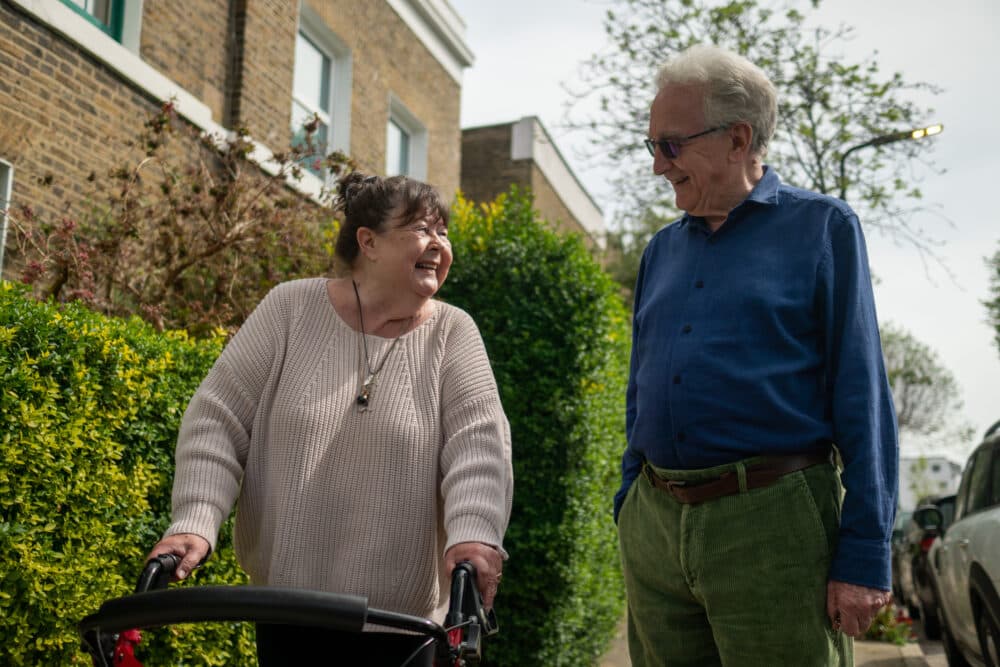
Social Interaction in Home Care: What It Can Look Like Day to Day
Social interaction does not need to be complicated. In private care at home, it often happens naturally through everyday support. The key is consistency and a calm, respectful approach that suits the individual.
Examples include:
Friendly conversation that feels natural
A regular Care Professional who takes time to chat while helping with meals, personal care, or household routines can make support feel more relaxed and personal.
Shared activities at home
Simple, familiar activities can be a comfortable way to connect, such as:
- Looking through photographs
- Doing a crossword or puzzle together
- Baking or preparing a light meal
- Watering plants or sorting a small drawer
- Listening to music or a radio programme
- Gentle support to stay connected with others
Some people would like to keep in touch but find the practicalities difficult. Support might include:
- Setting up video calls with family
- Helping someone write a message or card
- Accompanying them to a local group, café, or appointment
The aim is always to follow the person’s preferences, pace, and comfort levels.
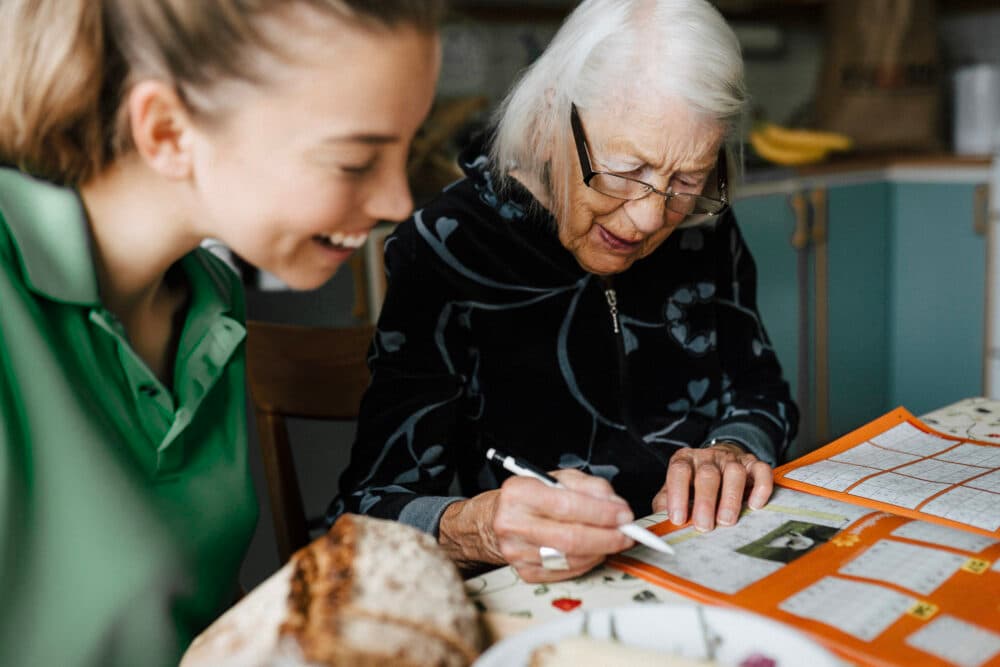
Social Interaction and Routines: Small Changes That Can Help
Routines can be reassuring, and social contact often fits best when it becomes part of everyday life rather than an “extra”. Small, realistic steps can make a real difference.
Consider:
A regular visiting pattern: The familiarity of a consistent schedule can help someone feel more settled.
Planning one enjoyable moment each day: This could be a short walk, a chat, or a shared activity at home.
Keeping choices simple: Too many options can feel overwhelming. A small number of familiar activities can work better.
Linking social time with existing habits: For example, chatting during breakfast, or listening to music while preparing for bed.
If a person is living with dementia, routine and familiarity can be especially helpful. Gentle, unhurried conversation and familiar activities often feel more comfortable than busy environments.

Supporting Families as Well as Clients
Families often do a great deal to stay connected, especially when they live at a distance or are balancing work and childcare. Private care at home can support families by helping maintain continuity when relatives cannot always be there in person.
This might include:
knowing someone is checking in regularly
having another friendly presence in the week
encouraging daily routines that support well-being
offering reassurance through consistent, compassionate care
It can also help visits from family feel more enjoyable, because the basics of day-to-day support are in place.

Private Care at Home in Wareham: Keeping Life Local and Familiar
Wareham and the surrounding area offer a gentle pace of life, with familiar places that many people have enjoyed for years. When care at home includes companionship, it can help people stay connected to what they know, whether that means a short outing, a favourite view, or simply talking about local memories and routines.
For some people, being accompanied to a café, a local shop, or a quiet walk is enough to lift the week. For others, companionship at home is the most comfortable option. Good home care is about shaping support around the person, not the other way round.
Your Local Home Instead Team
Home Instead office name:
Home Instead Dorchester
Office phone number:
01305 239289
Office website URL:
https://www.homeinstead.co.uk/dorchester/
Google Business Profile link:
https://maps.app.goo.gl/CYfwVvnr6SYmP1dV8
Areas covered (towns/villages/communities):
Dorchester, Broadstone, Cerne Abbas, Portesham, Lychett Matravers, Puddletown, Swanage, Wareham, Weymouth, Wool
Postcodes served:
BH15 4, BH16 5, BH16 6, BH17 7, BH18 8, BH18 9, BH19 1, BH19 2, BH19 3, BH20 4, BH20 5, BH20 6, BH20 7, DT1 1, DT1 2, DT1 3, DT2 7, DT2 8, DT2 9, DT3 4, DT3 5, DT3 6, DT4 0, DT4 7, DT4 8, DT4 9, DT5 1, DT5 2

Ratings and compliance
Homecare.co.uk rating:
9.3 out of 10
Profile link:
https://www.homecare.co.uk/homecare/agency.cfm/id/65432233788
CQC rating:
Good
CQC report link:
https://www.cqc.org.uk/location/1-7575430714/contact

A Gentle Next Step
If you are considering private care at home, it can help to speak with a local team that understands the area and can explain how companionship-led care fits alongside practical support. You are welcome to explore the Private Care at Home landing page and contact the local office for friendly guidance on the options available.

How can we help?
We've helped thousands of families to stay safe, comfortable and happy at home. Whatever situation you're facing, or whatever the question is, Home Instead is here to help.
Are you in need of a little guidance right away?
Other non-care-related enquiries