Home Care vs Personal Assistants: What Families Should Know
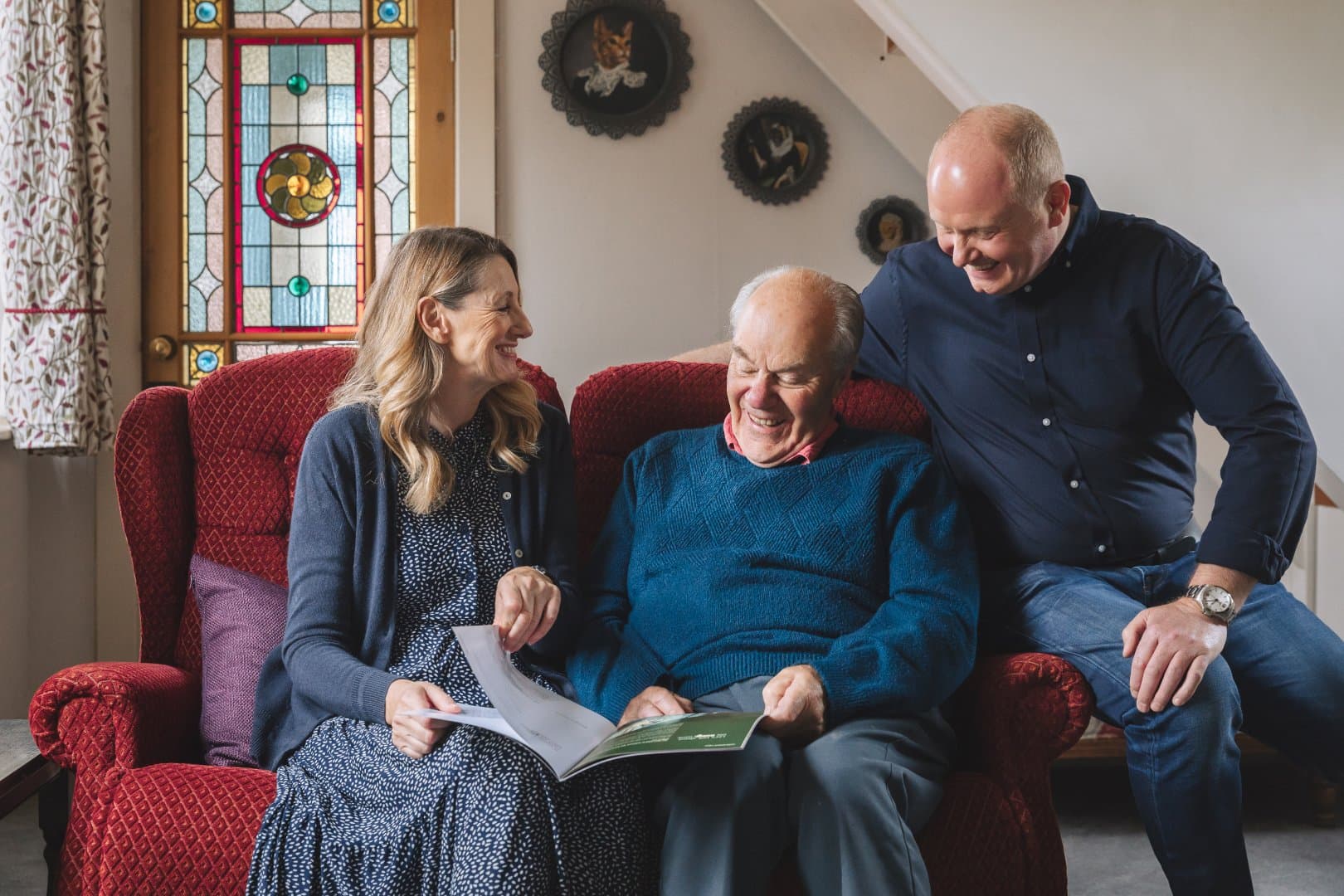
When looking for care at home for a loved one, you may find yourself weighing up two very different options. Regulated home care providers like Home Instead sit alongside a growing number of individuals advertising personal care services privately, many of them through social media or local community groups. The price difference can be striking. But so can the difference in what you are actually getting.
Who is a Personal Assistant and What Do They Do?
A personal assistant, often called a PA, is someone who provides care or support directly to an individual, typically working independently or through an introductory agency that connects them with families. They may offer companionship, help with personal care, medication prompts or household tasks, often at a lower hourly rate than a regulated provider.
One of the most practical challenges families encounter is around availability. Some PAs may be unwilling or unable to provide care during evenings, weekends or bank holidays. As care needs do not fit neatly into office hours, and if those are the times support is needed most, a PA may not be a reliable long-term option. There is also the straightforward reality that if a PA is unwell, takes a holiday or simply stops working, arranging alternative cover typically falls to you or your family.
It is also worth thinking ahead. As care needs grow in frequency and complexity, a PA may not be equipped or willing to adapt alongside them. Home Instead, as a regulated provider, is built to do exactly that, adjusting care plans, increasing visits and managing more complex conditions as they develop. That continuity and flexibility can make a significant difference to a person’s quality of life.
Additionally, what many people may not initially be aware of, is that engaging a PA privately often makes you their employer in the eyes of the law. That includes responsibilities such as managing tax, national insurance, holiday entitlement, sick pay and employer considerations. HMRC has made clear in a number of cases that workers described as self-employed may not always align with the legal definition, and in these situations, responsibility may rest with the person receiving the care, not with any third party.

The Regulation Gap
Personal assistants and many introductory agencies are not required to register with the Care Quality Commission. That means they may not follow standardised training requirements, are not subject to routine inspection and have no formal accountability structure.
CQC-registered providers must meet detailed regulatory requirements across safety, staffing, training, record-keeping and complaints handling. They are subject to inspection and can face serious consequences if those standards are not met, including having their registration removed.
That accountability matters when making decisions about the care of someone you love. Jane Townson OBE, Chief Executive of the Home Care Association, has been direct on this point: with unregulated care, there is no recourse for families if something goes wrong.

Training, Checks and Ongoing Support
A basic DBS check is typically the extent of vetting carried out by introductory agencies. There is no requirement for a PA to hold any care qualifications, to have completed and up to date training in areas like dementia or medication support, or to receive any ongoing supervision.
Home Instead Dorchester takes a different approach. Every Care Professional we employ goes through a detailed recruitment process, including full employment history checks, references and an enhanced DBS check. They then complete thorough training before beginning work with any client, with ongoing development built in as standard. That includes specialist training for complex conditions such as dementia, Parkinson’s and end-of-life care and many, many more.

The Real Cost of Cheaper Care
Understandably, cost plays a significant role in care decisions. Regulated home care is more expensive than engaging a PA privately, and it would be misleading to suggest otherwise. But it is worth understanding what that cost difference actually reflects.
A regulated provider directly employs its care workers. That means covering fair wages, employers national insurance and pension, holiday and sick pay, insurance, training, supervision and the infrastructure required to maintain CQC compliance. When a PA operates at a lower rate, those costs are either absent or transferred to you. Neither outcome is without risk.
The peace of mind that comes from knowing your loved one is being cared for by a trained, supervised and properly employed professional is not an add-on. It is what regulated care fundamentally is.

What Happens When Things Go Wrong?
With a regulated provider, there is a clear path. Concerns can be raised formally with the organisation and escalated to the CQC. There are legal frameworks that protect clients and their families and hold providers accountable.
With an unregulated PA, those protections do not exist in the same way. There is no regulator to report to, no inspection history to draw on and often no insurance cover that would apply in the event of an incident.
Home Instead Dorchester
| Home Instead Dorchester is rated Good by the Care Quality Commission and holds a 9.4 out of 10 rating on Homecare.co.uk, based on reviews from the families we support across Dorchester, Weymouth, Wareham, Swanage and the surrounding communities. |
Our team of directly employed, trained and supported Care Professionals provide a wide range of services to help people live independently and comfortably at home across the DT and BH postcode areas. We handle everything from recruitment and training to cover arrangements and ongoing supervision, so your family never has to.
To find out how we can help, call us on 01305 239289 or visit www.homeinstead.co.uk/dorchester.
Home Instead Dorchester | 31 High West Street, Dorchester, DT1 1UP