Adapting the Home to Support Confidence

Feeling confident at home plays an important part in daily wellbeing. As needs change with age, illness, or recovery from injury, small adjustments to the home environment can make everyday life feel steadier and more manageable. For families exploring private care at home in Wareham and the surrounding areas, adapting the home thoughtfully can help a loved one maintain independence while feeling safe and supported.
With the right guidance, many changes are simple and practical. They are not about taking control away. They are about creating a setting where confidence can grow.
Why the Home Environment Matters
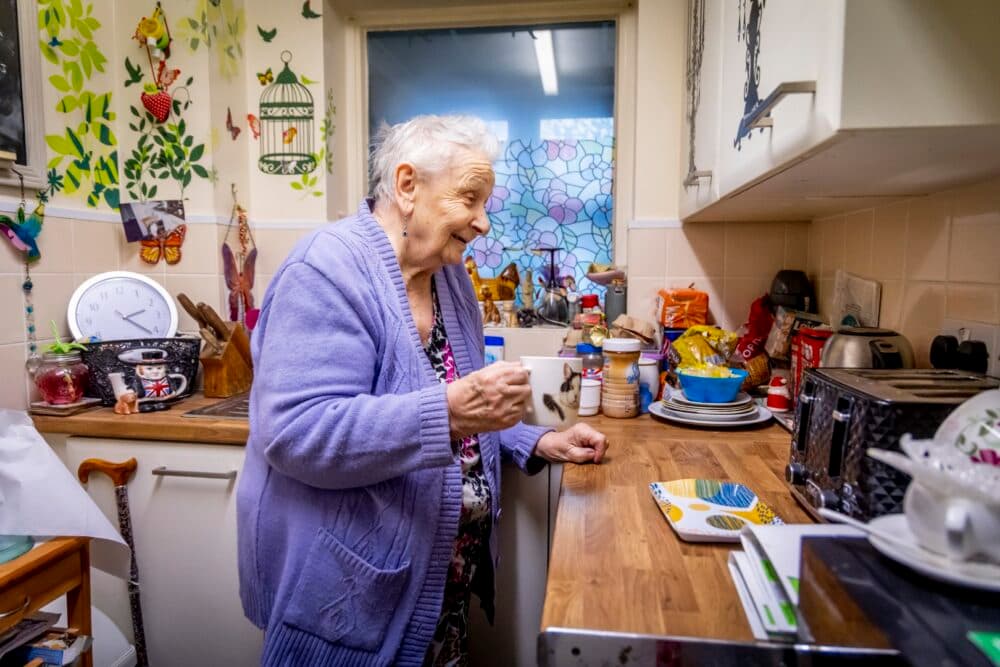
Home is where routines feel familiar. It is where treasured belongings and personal memories offer comfort. When mobility, balance or memory changes, even small obstacles can begin to affect confidence. A poorly placed rug or dim lighting may make someone hesitant. Cupboards that are difficult to reach can cause frustration.
Adapting the home is not about a major renovation in most cases. Often, it is about removing barriers and making daily tasks easier. When the home feels manageable, people are more likely to stay active, continue hobbies, and take part in family life.
Private care at home can work alongside these adaptations, offering practical help and reassurance while keeping life centred around familiar surroundings.
Simple Changes That Make a Meaningful Difference
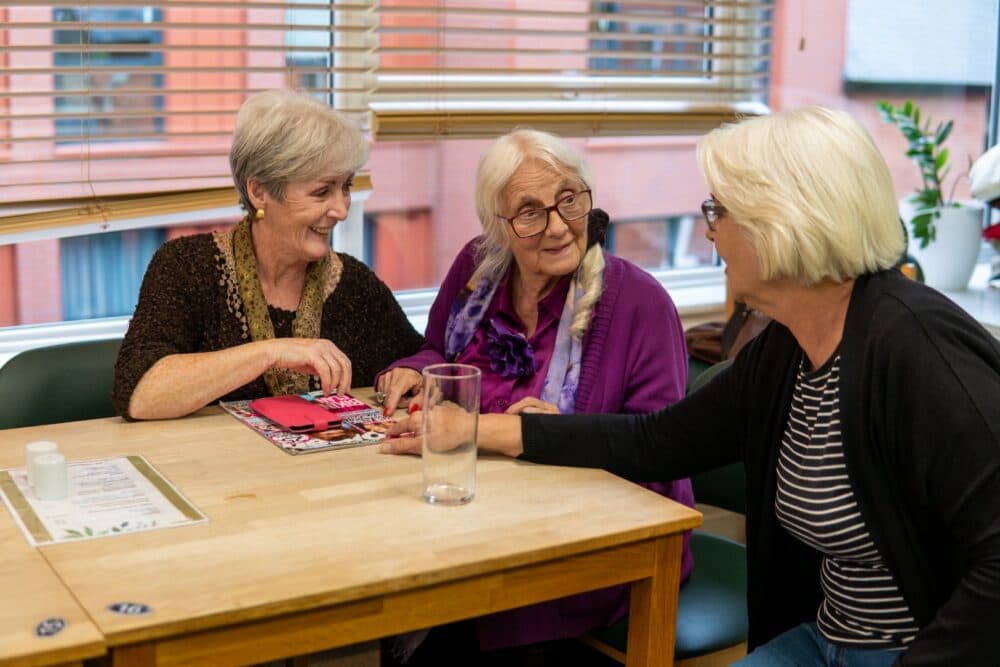
Many families are relieved to learn that helpful changes do not need to be complicated.
Improving Lighting
Good lighting reduces uncertainty. Brighter bulbs in hallways and staircases can make moving around feel safer. Bedside lamps that are easy to switch on at night can prevent unnecessary strain. In bathrooms and kitchens, clear lighting supports tasks such as washing or preparing food.
Natural daylight should also be maximised where possible by keeping curtains easy to open and windows clean.
Reducing Clutter
Clear walkways help someone move around without hesitation. Removing unnecessary furniture, tidying loose cables, and securing rugs can make the space feel calmer and more open.
Families often find that organising frequently used items within easy reach reduces strain and helps daily routines run smoothly.
Bathroom Adjustments
Bathrooms are a common area where small adaptations can increase confidence. Grab rails placed near the toilet or in the shower offer steady support. Non-slip mats can provide reassurance underfoot. A shower chair can make washing feel less tiring.
These additions are practical and discreet, helping someone feel more in control of their personal care.
Making the Kitchen Accessible
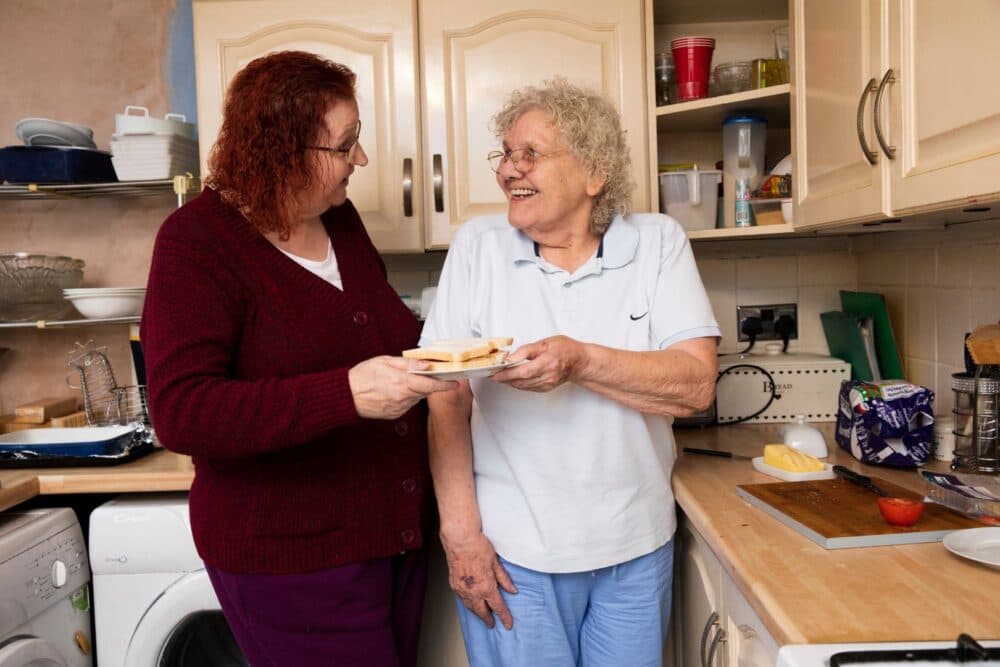
The kitchen is often the heart of the home. Reorganising cupboards so that everyday items are within comfortable reach can help someone continue preparing simple meals. Easy-grip utensils and kettle tippers can also reduce strain on hands and wrists.
Where additional support is needed, private care at home can include help with meal preparation while still encouraging involvement in ways that feel comfortable.

Supporting Memory and Orientation
For individuals living with memory changes, the home environment can gently guide and reassure.
Clear labelling on cupboards or drawers can reduce confusion. Keeping frequently used items in consistent places helps maintain routine. Clocks and calendars positioned in visible areas can support awareness of the day and time.
Personal touches are equally important. Family photographs, familiar artwork, and favourite ornaments offer reassurance and a sense of identity.
Care professionals who provide private care at home understand the value of routine and familiarity. They work within the home’s existing structure, offering support that complements what is already comforting.

Encouraging Independence, Not Restricting It
When adapting a home, it is helpful to focus on what someone can do rather than what they cannot. Small aids and layout adjustments are there to support independence.
For example, placing a sturdy chair in the hallway may allow someone to pause and rest when needed. A simple handrail by the front step can help someone continue enjoying short walks outdoors. These measures allow everyday life to continue with greater ease.
Family members sometimes worry that introducing support will reduce confidence. In reality, the opposite is often true. When the environment feels manageable, anxiety reduces, and self-belief can return.

The Role of Private Care at Home
Adapting the home is one part of the picture. Compassionate, consistent support from trained care professionals can make those adaptations even more effective.
Private care at home means care tailored to the individual’s needs and preferences. Support might include help with personal care, companionship, light housekeeping, or assistance with appointments. Care visits can be arranged around existing routines, ensuring that life remains familiar.
For families in Wareham and nearby communities, having care delivered at home means loved ones can remain in the place they know best, with adjustments that enhance comfort rather than disrupt it.

Involving Your Loved One in Decisions
Confidence grows when people feel listened to. When considering changes to the home, involve your loved one in conversations wherever possible. Ask what feels difficult and what might make life easier. Respect preferences about décor and layout.
This collaborative approach supports dignity and helps maintain a sense of ownership over the space.
Even small choices, such as selecting the style of a grab rail or deciding where a chair should be placed, can make a positive difference.

Your Local Home Instead Team
If you are considering private care at home and would like guidance on adapting a property to support confidence, your local team is here to help.
Home Instead office name:
Home Instead Dorchester
Office phone number:
01305 239289
Office website URL:
https://www.homeinstead.co.uk/dorchester/
Google Business Profile link:
https://maps.app.goo.gl/CYfwVvnr6SYmP1dV8
We proudly support families across:
Dorchester, Broadstone, Cerne Abbas, Portesham, Lychett Matravers, Puddletown, Swanage, Wareham, Weymouth, Wool
Postcodes served:
BH15 4, BH16 5, BH16 6, BH17 7, BH18 8, BH18 9, BH19 1, BH19 2, BH19 3, BH20 4, BH20 5, BH20 6, BH20 7, DT1 1, DT1 2, DT1 3, DT2 7, DT2 8, DT2 9, DT3 4, DT3 5, DT3 6, DT4 0, DT4 7, DT4 8, DT4 9, DT5 1, DT5 2
Our team understands the local community and the importance of keeping life familiar. If you would like to talk through practical home adaptations or explore private care at home in Wareham, you are welcome to call or visit our website for further information. We are here to listen and provide clear, thoughtful guidance.

Ratings and Compliance
Home Instead maintains high standards of care.
Homecare.co.uk rating:
9.3 out of 10
Profile link:
https://www.homecare.co.uk/homecare/agency.cfm/id/65432233788
CQC rating:
Good
CQC report link:
https://www.cqc.org.uk/location/1-7575430714/contact
These ratings reflect a consistent commitment to safe, person-centred care.
If you are exploring ways to help a loved one feel more confident at home, gentle adjustments combined with professional support can make everyday life feel steadier and more comfortable. To learn more about private care at home in your area, please visit the local Home Instead Dorchester website or contact the team for a friendly conversation about your family’s needs.
How can we help?
We've helped thousands of families to stay safe, comfortable and happy at home. Whatever situation you're facing, or whatever the question is, Home Instead is here to help.
Are you in need of a little guidance right away?
Other non-care-related enquiries