Starting Conversations About Care in Croydon & Dulwich: A Guide for Families
Practical advice for families in Croydon and Dulwich on talking about care, planning support at home and helping older loved ones feel comfortable.
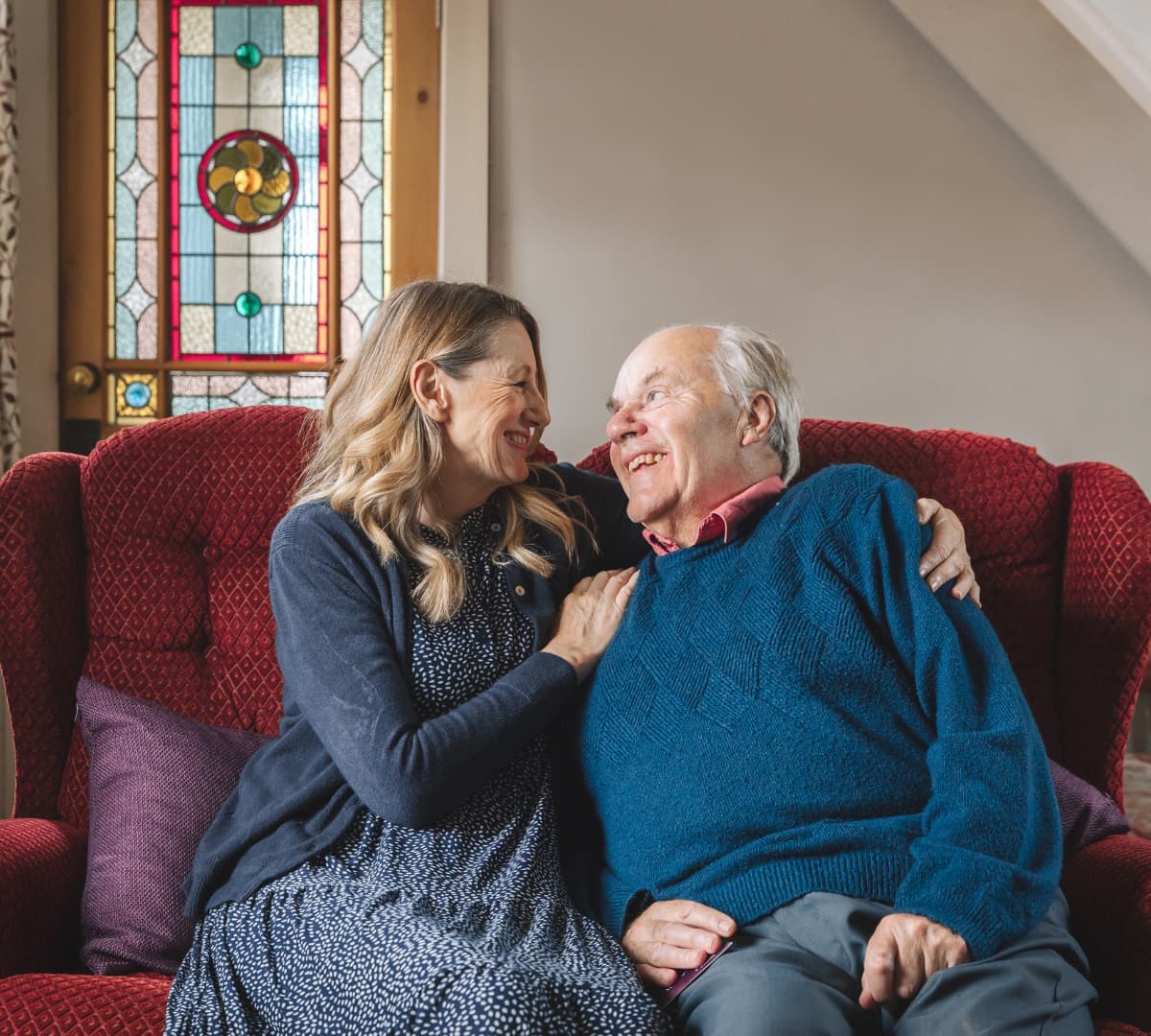
Talking to a parent or loved one about care can feel uncomfortable. You may worry they will feel criticised, rushed or frightened by the idea of support at home. At the same time, you may have noticed changes that are becoming harder to ignore, such as missed meals, reduced confidence, memory problems, mobility issues or a growing sense of isolation.
For families in Croydon, Dulwich and the surrounding areas, it is often better to begin these conversations early, before a crisis forces decisions to be made quickly. A calm, gentle conversation can help your loved one feel involved in the process and give everyone time to understand what kind of support might help.
Start with concern, not control
A conversation about care does not need to begin with “you need help”. That can sound final, even when it comes from a place of love. It may be easier to begin with something specific:
- “I noticed shopping seemed tiring this week. Would it help to have someone with you?”
- “Would mornings feel easier with a bit of support?”
- “I know staying at home matters to you. Can we talk about what would make that feel safer?”
This keeps the focus on comfort, independence and peace of mind, rather than loss of control.
Listen before making plans
When families are worried, it is natural to want to solve everything quickly. But the most useful first step is often to listen.
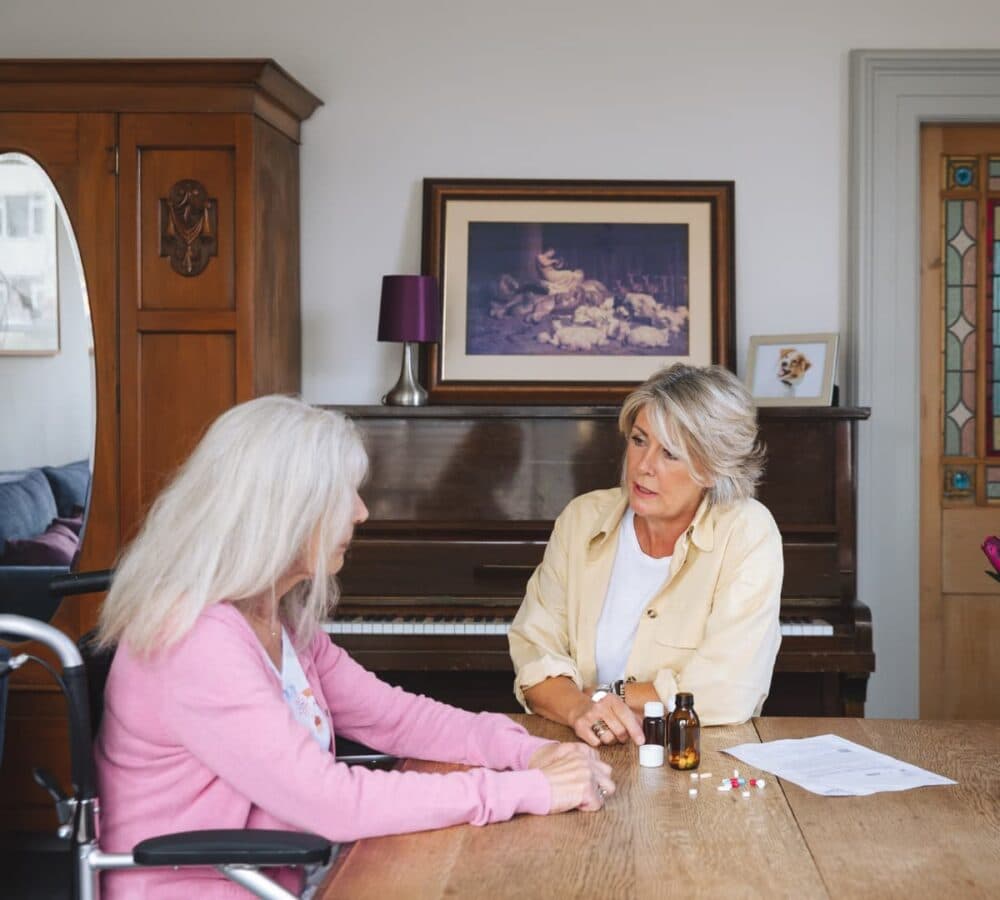
Ask what your loved one is finding harder, what they still want to do for themselves and what routines matter most. Their answers can help shape support in a way that feels personal, not imposed.
Good home care should reflect the person’s daily life, preferences and personality. That might include when they like to eat, how they take their tea, whether they enjoy conversation or quiet, what hobbies they have and which routines help them feel settled.
Make care feel like support, not a takeover
Many older people worry that accepting care means losing independence. Families can help by framing home care as a way to keep life familiar and manageable.
Care can start gradually. It might begin with companionship, help with preparing meals, medication reminders, support with shopping or a regular visit to make the day feel easier. It does not have to begin with major changes.
For someone living alone in Croydon or Dulwich, a regular Care Professional can bring routine, reassurance and friendly company. For families, it can mean knowing that someone trusted is checking in and noticing if anything changes.
What happens when families make an enquiry?
Families sometimes delay making the first call because they think they need to know exactly what they want. In reality, an enquiry is simply a conversation.
The local Home Instead Croydon & Dulwich team can talk through what has prompted the call, what support may be needed and what the family is worried about. This might include companionship, personal care, help after hospital, dementia care or a small amount of regular support at home.
A care consultation then helps build a fuller picture. With the older person’s consent, family members can usually be involved, so everyone understands what is being discussed. The aim is to create a care plan that feels respectful, practical and right for the person receiving support.
Helping the first visit feel comfortable
The first care visit can feel like a big step, especially if someone is private or unsure about having support at home. Small details can make it easier.
Families can explain what will happen in simple terms and choose a familiar activity for the first visit, such as making lunch, having a cup of tea or going for a short walk. It can also help to introduce the Care Professional as someone coming to support a specific part of the day, rather than someone arriving to take over.
Trust builds gradually. A good first visit is about helping your loved one feel respected, listened to and comfortable.

Starting conversations when someone has dementia
If your loved one is living with dementia, keep conversations short, calm and reassuring. Too much information at once can feel overwhelming.
Instead of asking, “Do you want care?”, it may help to say, “Someone is coming tomorrow to help with lunch and keep you company.”
Familiar routines, consistent faces and patient communication can all help someone feel safer. Families can also support the care team by sharing personal details, such as favourite meals, music, former jobs, hobbies and daily habits.
Considering care at home in Croydon or Dulwich?
Starting conversations about care can feel emotional, but it can also bring relief. With the right approach, families can make decisions calmly and help older loved ones feel part of the process.
To find out more about home care in Croydon and Dulwich, contact us today and speak to the local team about support at home.
FAQs
How do I start talking to an elderly parent about care?
Begin with a specific concern and keep the tone calm. Focus on what would make life easier, safer or more comfortable, rather than telling them they can no longer manage.
Can care be introduced gradually?
Yes. Many families start with a small amount of support, such as companionship or help with meals and routines, then adjust the care plan as needs change.
Does home care mean losing independence?
No. Home care is often used to help someone stay independent for longer by supporting everyday routines, safety, confidence and companionship.