Understanding Dementia
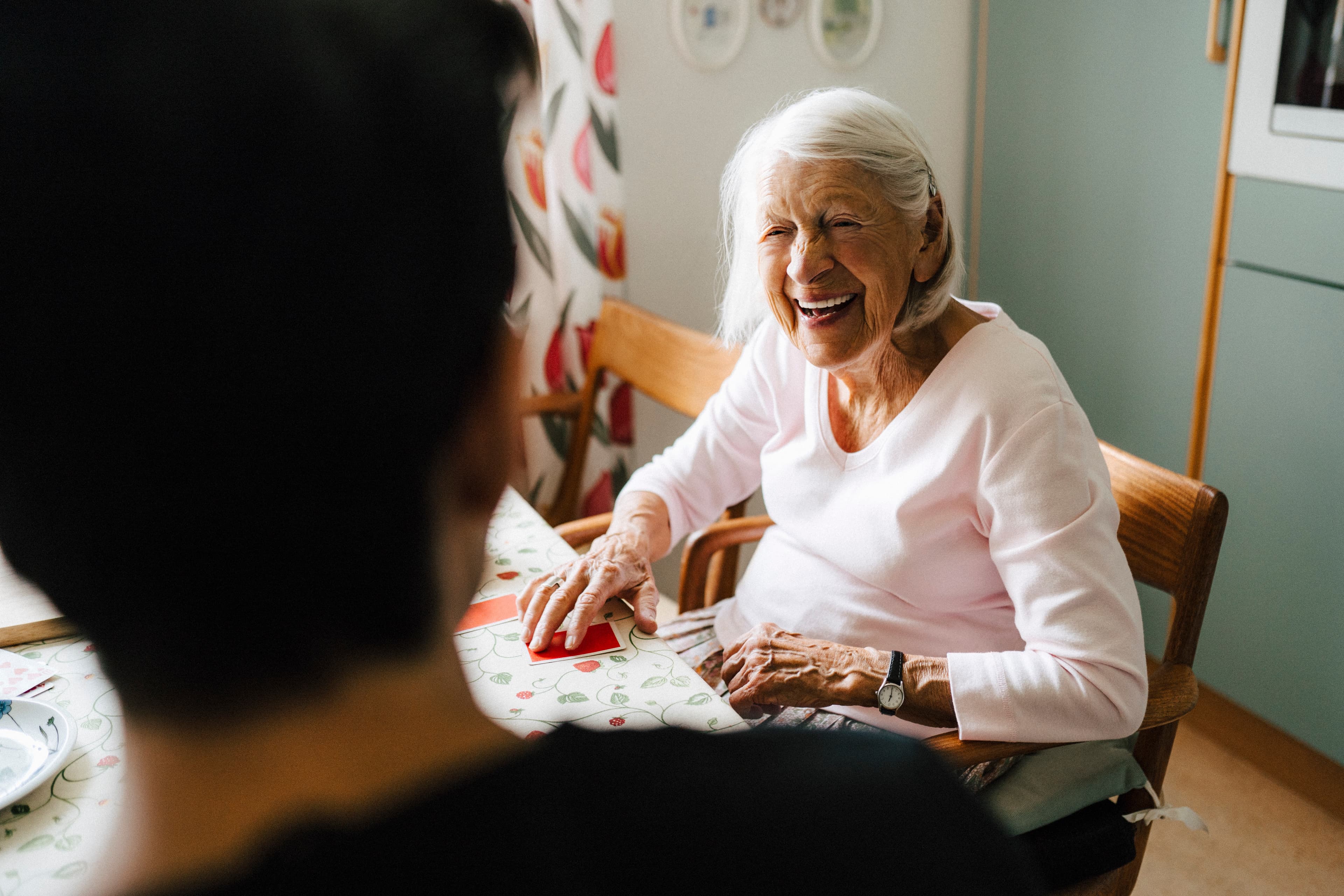
Understanding Dementia: Awareness, Signs, Symptoms, and the Role of Home Instead
Dementia affects millions of people worldwide, yet it remains widely misunderstood. For families, the first signs can be subtle and easy to dismiss. For individuals living with dementia, the journey can feel confusing and overwheming. And for caregivers, knowing how to proivde the right support at the right time is essential.
This guide brings together clear, compassionate information about dementia – what it is, how to recognise early symptoms, and how we at Home Instead can make a meaningful difference in maintaining independence and quality of life.
What Is Dementia?
Dementia is not a single disease. Instead, it’s an umbrella term describing a group of symptoms that affect memory, thinking, behaviour, and the ability to perform everyday activities. The most common type is Alzheimer’s disease, but other forms include vascular dementia, Lewy body dementia, and frontotemporal dementia.
Dementia is caused by damage to brain cells, which affects how the brain communicates. This leads to changes in cognitive function, emotional regulation, and physical abilities over time.
While dementia is more common in older adults, it is not a normal part of aging. Early recognition and support can significantly improve outcomes for individuals and their families.
Early Signs and Symptoms of Dementia
Recognising the early signs of dementia can help families seek support sooner. Symptoms vary from person to person, but some of the most common include:
1. Memory Loss That Disrupts Daily Life
Occasional forgetfulness is normal. However, forgetting important dates, repeating questions, or relying heavily on reminders may indicate something more serious.
2. Difficulty Planning or Solving Problems
People may struggle to follow a recipe, manage finances, or complete tasks that require concentration.
3. Confusion About Time or Place
Losing track of dates, seasons, or familiar environments is a common early symptom.
4. Challenges With Communication
Individuals may find it hard to follow conversations, find the right words, or repeat themselves without realising.
5. Changes in Mood or Personality
Dementia can cause increased anxiety, depression, irritability, or withdrawal from social activities.
6. Difficulty Completing Familiar Tasks
Everyday activities, such as makig a cup of tea, getting dressed, or using household appliances, may become confusing.
7. Poor Judgement
This may include giving away money, neglecting personal hygiene, or making unsafe decisions.
If you notice these signs in yourself or a loved one, it’s important to speak with a healthcare professional. Early diagnosis opens the door to treatment options, planning, and support services.
Why Dementia Awareness Matters
Raising awareness helps to reduce the stigma and encourages families to seek help sooner. Many people delay reaching out because they fear the diagnosis or assume symptoms are “just a part of aging”. But early support can:
- Improve quality of life
- Slow progression in some cases
- Reduce stress for families
- Provide acces to community resources
- Support independence for longer
Awareness also empowers communities to become more dementia-friendly; creating environments where individuals feel safe, respected, and understood.
The Role of Home Care is Supporting People with Dementia
Home care plays a vital role in helping individuals with dementia remain in the comfort and familiarity of their own homes. This can significantly reduce anxiety and confusion, especially in the early and middle stages of the condition.
Here’s how we at Home Instead can support you or your loved one to live safe and well with dementia:
1. Personalised Care Plans
Every person’s experience with dementia is unique. We always tailor support to individual needs, preferences, and routines.
2. Assistance With Daily Activities
Our Care Professionals can help with washing, dressing, meal preparation, medication reminders, mobility support, and personal care.
3. Companionship and Emotional Support
Regular social interaction with your team of Care Professionals helps to reduce loneliness and provides reassurance.
4. Cognitive Stimulation
Activities such as puzzles, music, reminiscence therapy, and gentle conversations can help maintain cognitive function.
5. Safety and Supervision
Our Care Professionals help to reduce risks such as falls, wandering, or forgetting to turn off appliances.
6. Respite for Family Caregivers
Caring for a loved one with dementia can be emotionally and physically demanding. We can support you by offering essential breaks to rest and recharge.
7. Support Through Every Stage
As dementia progresses, care needs change. We adapt our support to ensure comfort, dignity, and quality of life at every stage.
Creating a Dementia Friendly Home Environment
Small changes can make a big difference. Families can support loved ones by:
- Keeping rooms well-lit
- Reducing clutter
- Using clear labels on cupboards and doors
- Establishing consistent routines
- Minimising noise and distractions
- Ensuring safety equipment is in place
Here at Home Instead, we can also help assess the home and recommend adjustments.
Final Thoughts
Dementia is a challenging condition, but no one has to face it alone. With the right support, individuals can continue living meaningful, fulfilling lives in the place they know and loved best, their home.
Home Instead provides compassionate, personalised support that empowers people with dementia to maintain independence, dignity, and connection. Whether you’re seeking guidance, early-stage support, or ongoing care, reaching out is the first step towards peace of mind.
If you’d like help understanding your options or exploring dementia-friendly home care services, we are here to guide you every step of the way. Contact us today on 10694 303112 to start the dementia converation today!